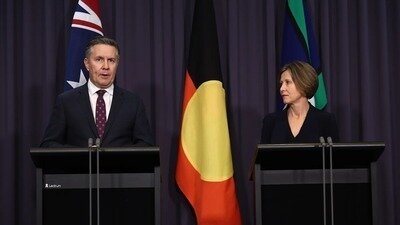

Butler and McAllister Must Go
The issue
Nothing about us, without us. Disability policy needs disabled leadership.
To Prime Minister Anthony Albanese and the Australian Labor Government,
I am calling for Mark Butler and Jenny McAllister to resign - or be removed - from their disability and NDIS ministerial portfolios. This concerns their ministerial responsibilities, decisions, and loss of public trust.
I am also calling for a dedicated disability minister and department, meaningful disabled leadership throughout government, a pause on unsafe NDIS changes, and enforceable protection of disabled people's human rights.
The actions in this petition have already been recommended by the Disability Royal Commission, human-rights bodies and disability organisations.
Disabled people have already explained what needs to change and proposed solutions. The government needs to act.
From the Royal Commission to the NDIS cuts
More than 1 in 5 Australians are disabled, but the majority are not NDIS participants. Government decisions about healthcare, housing, education, employment, income support, transport, migration and justice shape whether disabled people can live safely, freely, and equally.
In 2023, the Disability Royal Commission documented ongoing widespread violence, abuse, neglect, exploitation, discrimination and segregation. It made 222 recommendations, including stronger rights and discrimination laws, disabled people in government leadership, and a dedicated Minister for Disability.
Instead, in 2025, responsibility for disability was placed inside Mark Butler's combined Health, Disability and Ageing portfolio, with Jenny McAllister responsible for the NDIS.
In 2026, the government proceeded with major NDIS legislation despite serious warnings from disabled people, disability organisations, its own advisory committee, the Australian Greens, and the Australian Human Rights Commission.
When McAllister was repeatedly asked whether anybody would lose NDIS access before alternative services were ready, she asked the community to focus on the "facts of reform - rather than fears."
Disabled people's fear of losing essential support, independence or community participation is not misinformation. It is a reasonable response to government decisions affecting their lives.
What must change
1.Remove the current ministers, appoint dedicated disability leadership
Mark Butler and Jenny McAllister should resign - or be removed - from their disability and NDIS ministerial portfolios.
The government should establish the dedicated disability minister and department recommended by the Royal Commission.
A suitably qualified openly disabled parliamentarian should be prioritised. If one is not appointed, the minister must have a demonstrated, long-term commitment to disability justice and be formally accountable to disabled people and their representative organisations.
2. Put disabled people in positions of power
The government should establish the recommended Independent National Disability Commission, chaired by a disabled person and with most commissioners being disabled.
Most members of disability-specific boards, advisory bodies and policy panels should be disabled people. Participation must be paid and accessible.
The Royal Commission's target for at least 9% of new public-service employees to be disabled people by 2030 should be treated as minimum. Stronger representation should be required in disability portfolios, including leadership positions, with results published publicly. Any disability information must be collected voluntarily and confidentially.
3. Pause unsafe NDIS changes
The government must act on existing calls from disability organisations to:
- Protect participant choice and control
- Ensure financial targets do not override dignity, safety, and human rights
- Stop support reductions that threaten safety, independence or participation
- Protect independent review and human oversight
- Prevent people from losing support because barriers make it difficult to respond to government requests
NDIS reform must focus on fraud, exploitation, provider misconduct and unfair pricing. Not reducing the support disabled people use to live ordinary lives.
4. Turn promised rights into enforceable ones
The government must progress the Royal Commission's key outstanding human-rights, education, employment, housing and governance recommendations through genuine co-creation with disabled people.
It should complete the Disability Discrimination Act review, and formally respond to the proposed Disability Rights Act and federal Human Rights Act.
Disabled people must have clear, accessible and affordable ways to enforce their rights.
Disabled people deserve justice
Disability justice is not charity, inspiration, or controlling government spending. It is pride, freedom, safety, bodily autonomy, material support and full participation in the community.
The ongoing denial of disabled people's rights include (but are not limited to):
- violence, abuse, neglect and exploitation in homes, services, schools, hospitals, prisons and supported accommodation
- exclusion and segregation in education, housing and employment
- disabled workers being paid subminimum wages
- restrain, seclusion, overmedication and other restrictive practices
- guardianship and substituted decision-making that remove control over a person's life
- medical or reproductive treatment without free and informed consent, including lawful involuntary sterilisation
- inaccessible healthcare, housing, transport, communication, buildings and complaint systems
- poverty, homelessness and dependence caused by discrimination, inadequate income and missing support
- over-representation and indefinite detention in criminal justice systems
- migration rules that discriminate based on assumed future health or support costs
- essential supports being denied or removed
People don't experience these harms equally. First Nations disabled people, women and LGBTQIA+ people, older people, CALD, migrants and refugees, people with intellectual, cognitive or psychosocial disability, d/Deaf and Deafblind people, people in institutions or detention, and people in rural and remote communities can face greater barriers and harm.
The Labor government is responsible
The Labor government chose its disability leadership structure. It introduced the NDIS legislation and secured its passage. It continues to delay or reject major recommendations made after years of evidence from disabled people.
Replacing Butler and McAllister will not fix every systemic failure. But accountability must begin somewhere.
I am asking the Albanese Labor Government to remove these ministers, establish the dedicated leadership already demanded by the disability sector, protect the NDIS from harmful cuts, increase disabled representation, and turn promised rights into reality.
Disabled people have waited long enough. The evidence exists. Human rights are not optional.

98
The issue
Nothing about us, without us. Disability policy needs disabled leadership.
To Prime Minister Anthony Albanese and the Australian Labor Government,
I am calling for Mark Butler and Jenny McAllister to resign - or be removed - from their disability and NDIS ministerial portfolios. This concerns their ministerial responsibilities, decisions, and loss of public trust.
I am also calling for a dedicated disability minister and department, meaningful disabled leadership throughout government, a pause on unsafe NDIS changes, and enforceable protection of disabled people's human rights.
The actions in this petition have already been recommended by the Disability Royal Commission, human-rights bodies and disability organisations.
Disabled people have already explained what needs to change and proposed solutions. The government needs to act.
From the Royal Commission to the NDIS cuts
More than 1 in 5 Australians are disabled, but the majority are not NDIS participants. Government decisions about healthcare, housing, education, employment, income support, transport, migration and justice shape whether disabled people can live safely, freely, and equally.
In 2023, the Disability Royal Commission documented ongoing widespread violence, abuse, neglect, exploitation, discrimination and segregation. It made 222 recommendations, including stronger rights and discrimination laws, disabled people in government leadership, and a dedicated Minister for Disability.
Instead, in 2025, responsibility for disability was placed inside Mark Butler's combined Health, Disability and Ageing portfolio, with Jenny McAllister responsible for the NDIS.
In 2026, the government proceeded with major NDIS legislation despite serious warnings from disabled people, disability organisations, its own advisory committee, the Australian Greens, and the Australian Human Rights Commission.
When McAllister was repeatedly asked whether anybody would lose NDIS access before alternative services were ready, she asked the community to focus on the "facts of reform - rather than fears."
Disabled people's fear of losing essential support, independence or community participation is not misinformation. It is a reasonable response to government decisions affecting their lives.
What must change
1.Remove the current ministers, appoint dedicated disability leadership
Mark Butler and Jenny McAllister should resign - or be removed - from their disability and NDIS ministerial portfolios.
The government should establish the dedicated disability minister and department recommended by the Royal Commission.
A suitably qualified openly disabled parliamentarian should be prioritised. If one is not appointed, the minister must have a demonstrated, long-term commitment to disability justice and be formally accountable to disabled people and their representative organisations.
2. Put disabled people in positions of power
The government should establish the recommended Independent National Disability Commission, chaired by a disabled person and with most commissioners being disabled.
Most members of disability-specific boards, advisory bodies and policy panels should be disabled people. Participation must be paid and accessible.
The Royal Commission's target for at least 9% of new public-service employees to be disabled people by 2030 should be treated as minimum. Stronger representation should be required in disability portfolios, including leadership positions, with results published publicly. Any disability information must be collected voluntarily and confidentially.
3. Pause unsafe NDIS changes
The government must act on existing calls from disability organisations to:
- Protect participant choice and control
- Ensure financial targets do not override dignity, safety, and human rights
- Stop support reductions that threaten safety, independence or participation
- Protect independent review and human oversight
- Prevent people from losing support because barriers make it difficult to respond to government requests
NDIS reform must focus on fraud, exploitation, provider misconduct and unfair pricing. Not reducing the support disabled people use to live ordinary lives.
4. Turn promised rights into enforceable ones
The government must progress the Royal Commission's key outstanding human-rights, education, employment, housing and governance recommendations through genuine co-creation with disabled people.
It should complete the Disability Discrimination Act review, and formally respond to the proposed Disability Rights Act and federal Human Rights Act.
Disabled people must have clear, accessible and affordable ways to enforce their rights.
Disabled people deserve justice
Disability justice is not charity, inspiration, or controlling government spending. It is pride, freedom, safety, bodily autonomy, material support and full participation in the community.
The ongoing denial of disabled people's rights include (but are not limited to):
- violence, abuse, neglect and exploitation in homes, services, schools, hospitals, prisons and supported accommodation
- exclusion and segregation in education, housing and employment
- disabled workers being paid subminimum wages
- restrain, seclusion, overmedication and other restrictive practices
- guardianship and substituted decision-making that remove control over a person's life
- medical or reproductive treatment without free and informed consent, including lawful involuntary sterilisation
- inaccessible healthcare, housing, transport, communication, buildings and complaint systems
- poverty, homelessness and dependence caused by discrimination, inadequate income and missing support
- over-representation and indefinite detention in criminal justice systems
- migration rules that discriminate based on assumed future health or support costs
- essential supports being denied or removed
People don't experience these harms equally. First Nations disabled people, women and LGBTQIA+ people, older people, CALD, migrants and refugees, people with intellectual, cognitive or psychosocial disability, d/Deaf and Deafblind people, people in institutions or detention, and people in rural and remote communities can face greater barriers and harm.
The Labor government is responsible
The Labor government chose its disability leadership structure. It introduced the NDIS legislation and secured its passage. It continues to delay or reject major recommendations made after years of evidence from disabled people.
Replacing Butler and McAllister will not fix every systemic failure. But accountability must begin somewhere.
I am asking the Albanese Labor Government to remove these ministers, establish the dedicated leadership already demanded by the disability sector, protect the NDIS from harmful cuts, increase disabled representation, and turn promised rights into reality.
Disabled people have waited long enough. The evidence exists. Human rights are not optional.
The Decision Makers


Supporter voices
Petition Updates
Share this petition
Petition created on 20 September 2026