A warning: human activity causing the Amazon’s waters to dry up.

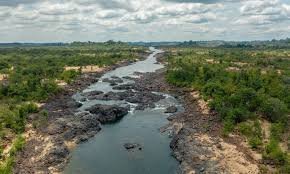
Studies conducted by WWF-Brazil in partnership with Imazon and NASA reveal that the conversion of native vegetation and indiscriminate construction of infrastructure are affecting the water resources of the planet’s largest tropical forest
By WWF-Brazil
Using information from NASA
When thinking about the Amazon, the first thing that usually comes to mind is the conversion of the native forest, or perhaps more recently the fires that destroyed over 16,000 km2 of forest, representing a 26% increase compared with the same period in 2018 (more information in the box to the side). But there is another more silent threat to the planet’s largest tropical forest: water loss.
A new type of study performed by WWF-Brazil and the Amazon Institute of People and the Environment (Imazon), which was recently published in the scientific journal Water (MDPI), reveals some extremely worrying data: on average, 350 km2 of aquatic environments have been lost per year since the 1980s – including wetlands, mangroves and lakes.
“This loss means that every year there is less water than expected in the Amazon. Small rivers and lakes are reducing in area and volume, and wetlands are starting to disappear,” claims Bernardo Caldas, a conservation analyst for WWF-Brazil. “This has serious consequences for both the environment and for people, as reduced wetlands mean lower fish populations, fishing stocks and protein for consumption by the local population.”
The study conducted by WWF-Brazil and Imazon demonstrates that this reduction in wetlands is caused by alterations to rainfall patterns, as well as the conversion of native vegetation, land use and indiscriminate implementation of infrastructure projects, such as hydroelectric dams. Large infrastructure projects affect the natural dynamics of the ecosystem and cause alterations to water courses and water flow, which go on to have an effect on the entire system.
The area identified as containing multiple human interventions also happens to coincide with the “deforestation arc” located in the southern Amazon.
“We need a strategic environmental plan that takes into consideration the impact of both large infrastructure projects and the combination of thousands of small projects that can affect the water basin. These can include projects focused on water supplies for local populations, animal rearing, agricultural activities, community food security and tourism, as well as the need for ecosystems to have enough space and time to ensure their own self-maintenance,” concludes Caldas.
Researcher for Imazon, Carlos Souza Jr., says that the NASA study reinforces the hypothesis that the climate is also contributing to this process. “The hypothesis in our study is that there are two vectors contributing to the loss of groundwater in the Amazon: land use and climate change. We identified alterations to land use, with the conversion of native vegetation causing a rupture in the drainage network and impacting small rivers and lakes,” stated Souza.
The unfortunate truth is that there are not enough well thought and positively progressive environmental projects being funded throughout the Amazon basin, of a capital force strong enough to thwart the rather simple mind and jeuvenile mentality of Brazil's President: Jair Bolsonaro.
https://time.com/5661162/why-the-amazon-is-on-fire/
The added reality of 'some' suggestions to embargo Brazil are also timid and unrealistic. Should one REALLY want to help the ecological restructuring/ conservation/ preservation of the Amazon, one must invest in sustainable, regional products and services, that physically encourage species diversification within our forests.