Bring back section 7AA: help reduce disparities for Māori children in state care 2026
The issue
"Hutia te rito o te harakeke, kei hea te kōmako e kō?"
"If you pull out the central shoot of the flax bush, where will the bellbird sing?"
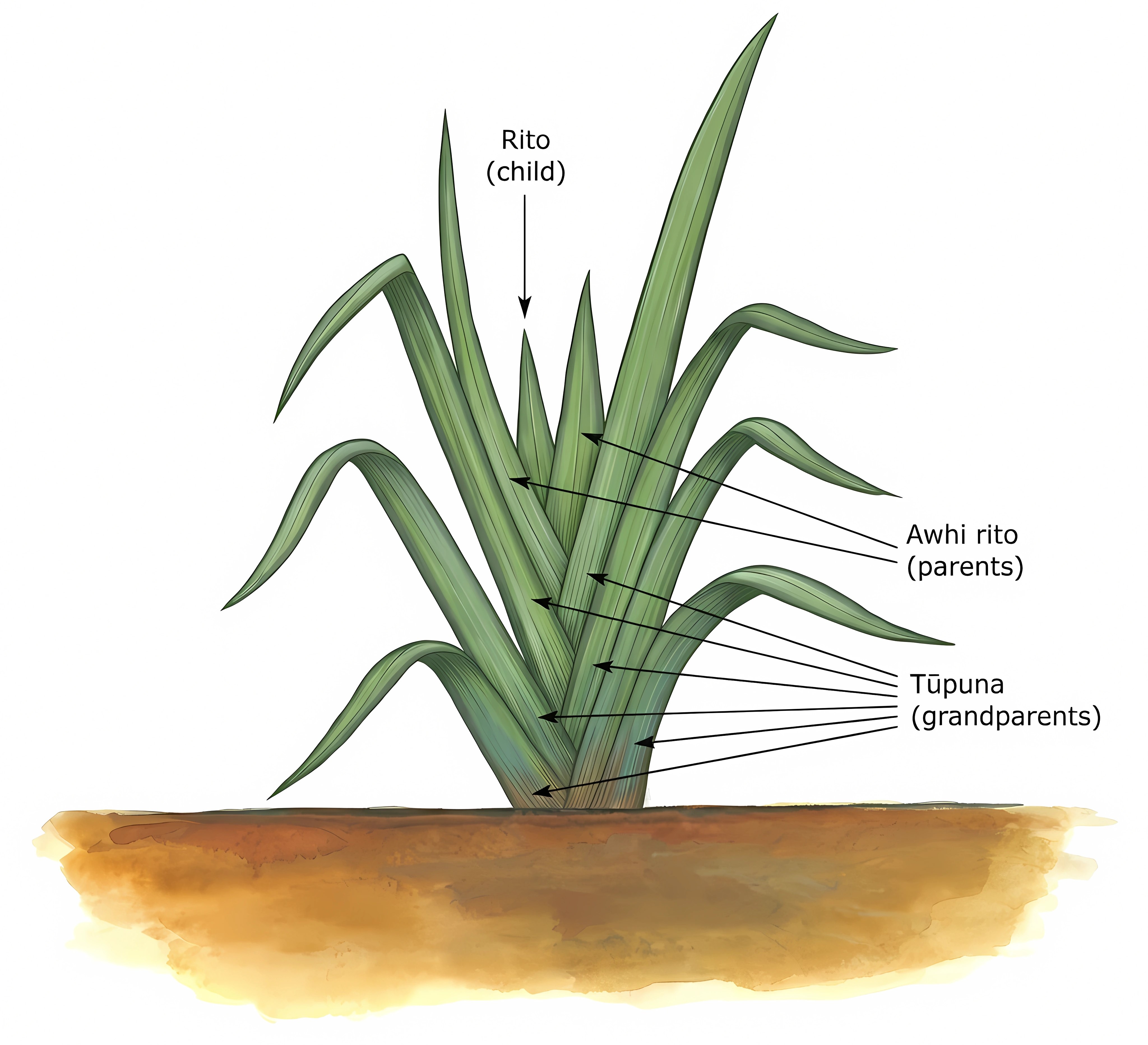
(Swarbrick, 2009)
In the flax plant, the rito (central shoot) represents the child, sheltered by parents and elders. Just as removing the central shoot causes the flax bush to die, removing a child from their roots destroys the heart of the whānau, and silences future generations.
Despite being a minority in Aotearoa New Zealand (NZ), Māori children (tamariki) and youth (rangatahi) make up 68% of all children and youth in state care, and 80% of all those in youth justice custody (AT, 2026, p. 28).
Institutional racism within NZ's child and youth welfare system is not new (Aroturuki Tamariki [AT], 2026; New Zealand Law Society, 2024; Oranga Tamariki—Ministry for Children [OT], 2021, 2024; Waitangi Tribunal [WT], 2021, 2024).
In 1988, the Pūao-te-Ata-tū report was released, which exposed institutional racism and revealed an overrepresentation of Māori children in state care (Ministerial Advisory Committee on a Māori Perspective for the Department of Social Welfare, 1988). The Pūao-te-Ata-tū report directly influenced the Children, Young Persons, and Their Families Act 1989, and in 2017, it was renamed the Oranga Tamariki Act 1989. The hope of this legislation was to establish a foundation for a bicultural approach to Māori in state care.
In 2020, OT made a public and formal admission on behalf of the Crown (OT, 2021):
- It acknowledged that the Crown had failed to implement the recommendations of the 1988 report Pūao-te-Ata-tū.
- It acknowledged the presence and impacts of "structural racism" within the care and protection system.
- OT reiterated its commitment to addressing structural racism.
- It acknowledged that Māori perspectives and solutions had been ignored.
- To address this, OT said that it would partner and engage with Māori to deliver better outcomes for Māori.
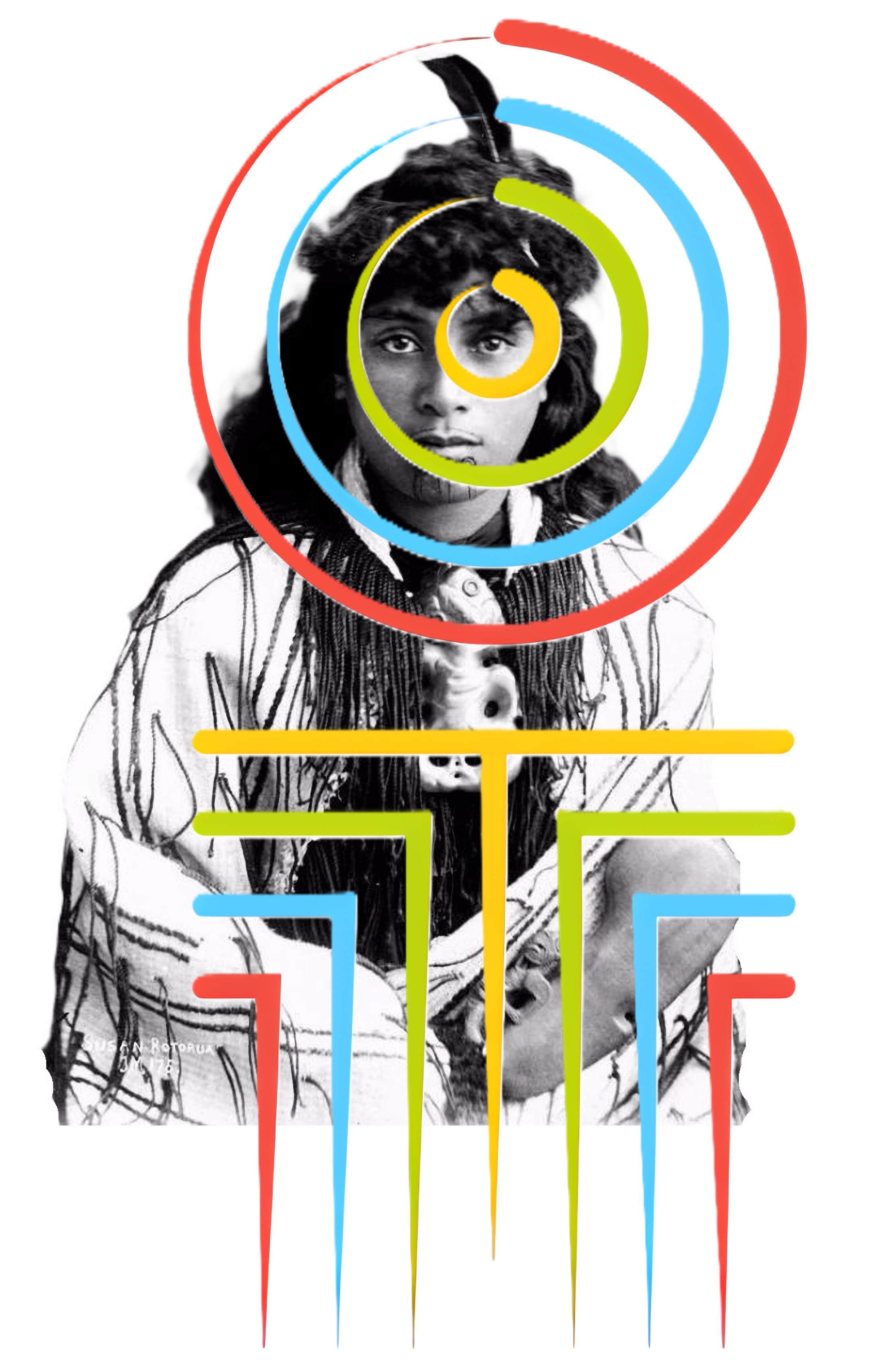
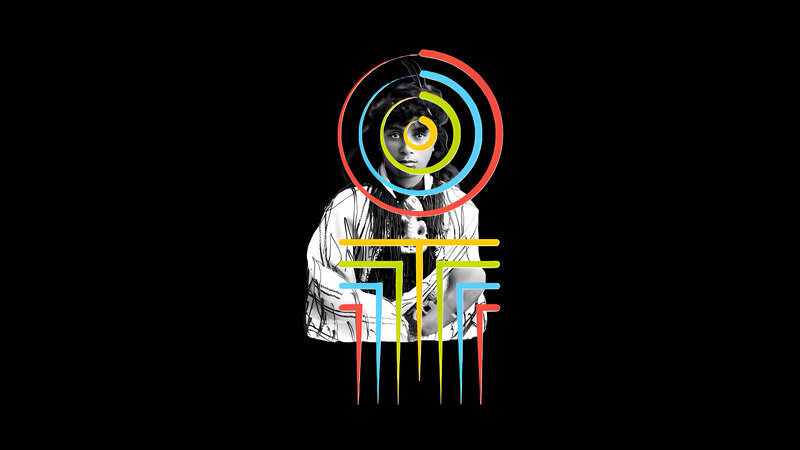
(Image created by author; adapted from Oranga Tamariki—Ministry for Children, n.d.; Martin, ca. 1905)
To help address these issues, section 7AA was added to the Oranga Tamariki Act in 2019. Key statutory requirements that section 7AA brought in for OT (Oranga Tamariki Act 1989, s 7AA, as at 8 April 2025):
- Reduce disparities for Māori children.
- Uphold cultural identity (e.g. whakapapa, whanaungatanga).
- Develop strategic partnerships with iwi and Māori organisations.
- Publish an annual report outlining the actions taken to meet these obligations, measuring the impact of those actions, and setting out immediate next steps.
In April 2025, the Coalition Government (National, ACT, and NZ First) repealed Section 7AA, effectively sweeping their mandated obligations "under the carpet" (Oranga Tamariki Act 1989; Oranga Tamariki [Repeal of Section 7AA] Amendment Act 2025).
Even before the law was changed, official advice from a Regulatory Impact Statement (RIS) report warned against the repeal. Key findings from the RIS report (OT, 2024):
- Lack of evidence linking section 7AA to safety risks:
- "There is no empirical evidence to support the notion that section 7AA has driven practice decisions that have led to changing care arrangements." (OT, 2024, p. 10)
- "Repealing section 7AA is unlikely to contribute to improvements to safety and stability." (OT, 2024, p. 24)
- Systemic failures are not caused by section 7AA:
- "Despite decades of reviews, reports, and subsequent departmental changes, the overrepresentation of Māori in care has persisted, only improving slightly since the introduction of section 7AA." (OT, 2024, p. 7)
- Risk of undermining progress in communities:
- "However, a repeal of section 7AA may undo some of the progress that Oranga Tamariki has made in building trust, relationships, and accountability in the communities we work with." (OT, 2024, p. 24)
Data released in June 2026 by Aroturuki Tamariki, an independent government oversight agency (AT, 2026), show that during the 2024–2025 period, Māori made up only 27% of New Zealand's total child and youth population. However, tamariki and rangatahi Māori represented 68% of all children in state care, and rangatahi Māori accounted for 80% of those in youth justice custody (as shown below).
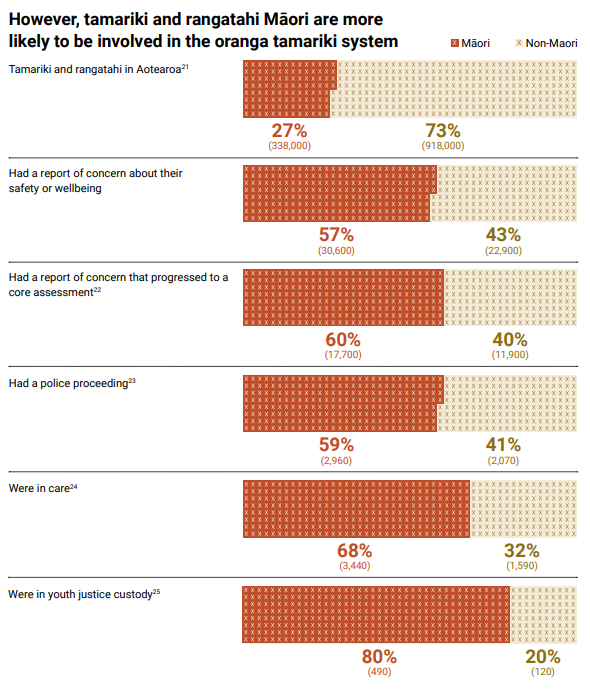
(AT, 2026, p. 28)
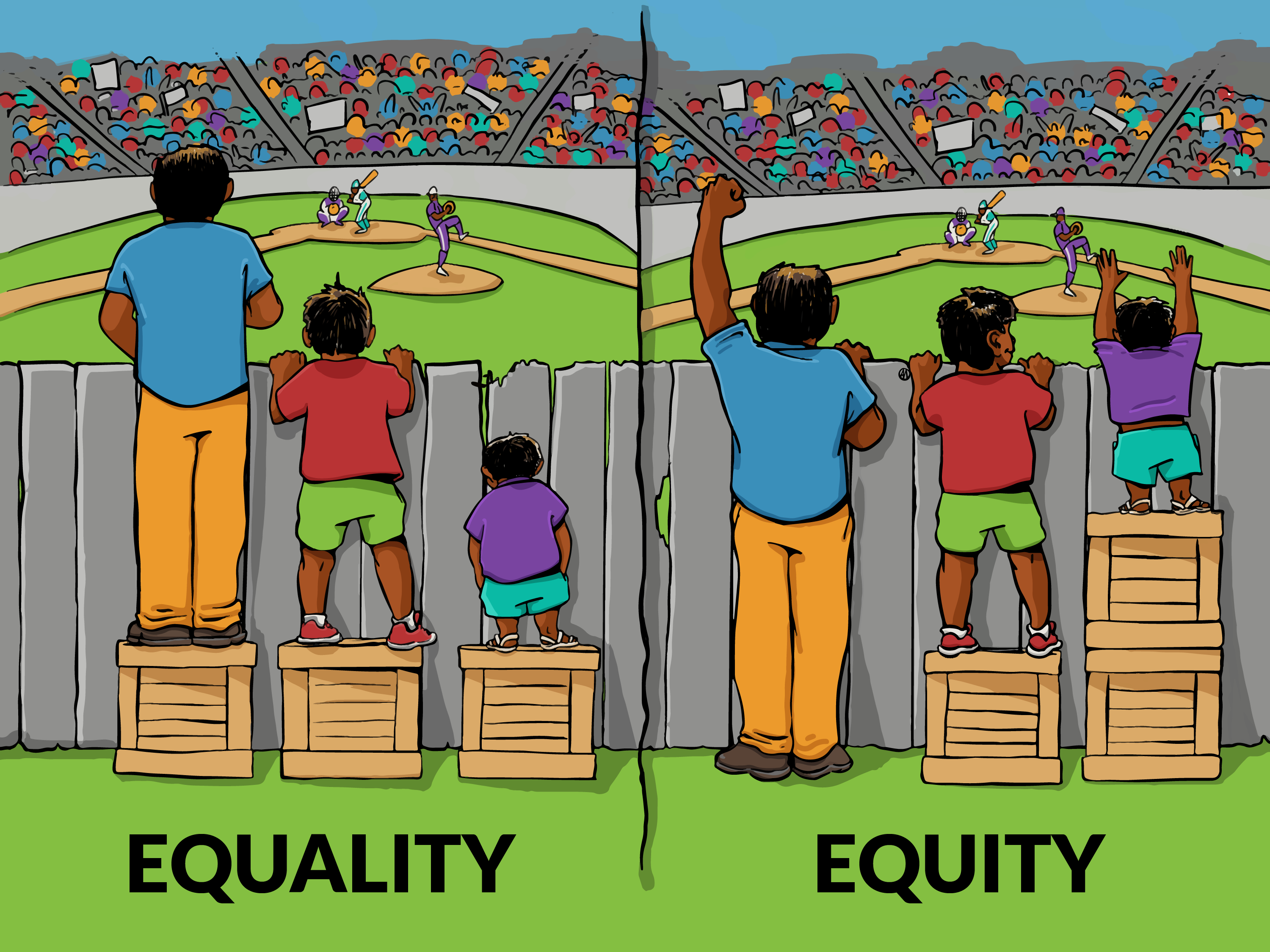
(Maguire, 2016)
Equality only gives the same. ONLY EQUITY meets the need! If we don't learn from the mistakes of the past, we will be destined to repeat them.
Bringing back section 7AA and helping reduce disparities for Māori children and youth depends on you!
- Please sign our petition: add your name to show your support.
- Contact your local MP: reach out to your MP to learn their views on the repeal of section 7AA. Ask them questions about the disparities between Māori and non-Māori in state care (AT, 2026, pp. 14-16, 28).
- Vote for change on Saturday the 7th of November 2026: vote for political parties and candidates who would support a return of section 7AA to the OT Act 1989.
Together, let us protect the rito so that the kōmako may sing for generations to come.
Thank you for your consideration. Ngā mihi nui ki a koe mō tō whakaaro mai.
Luke Burton
Petition Creator
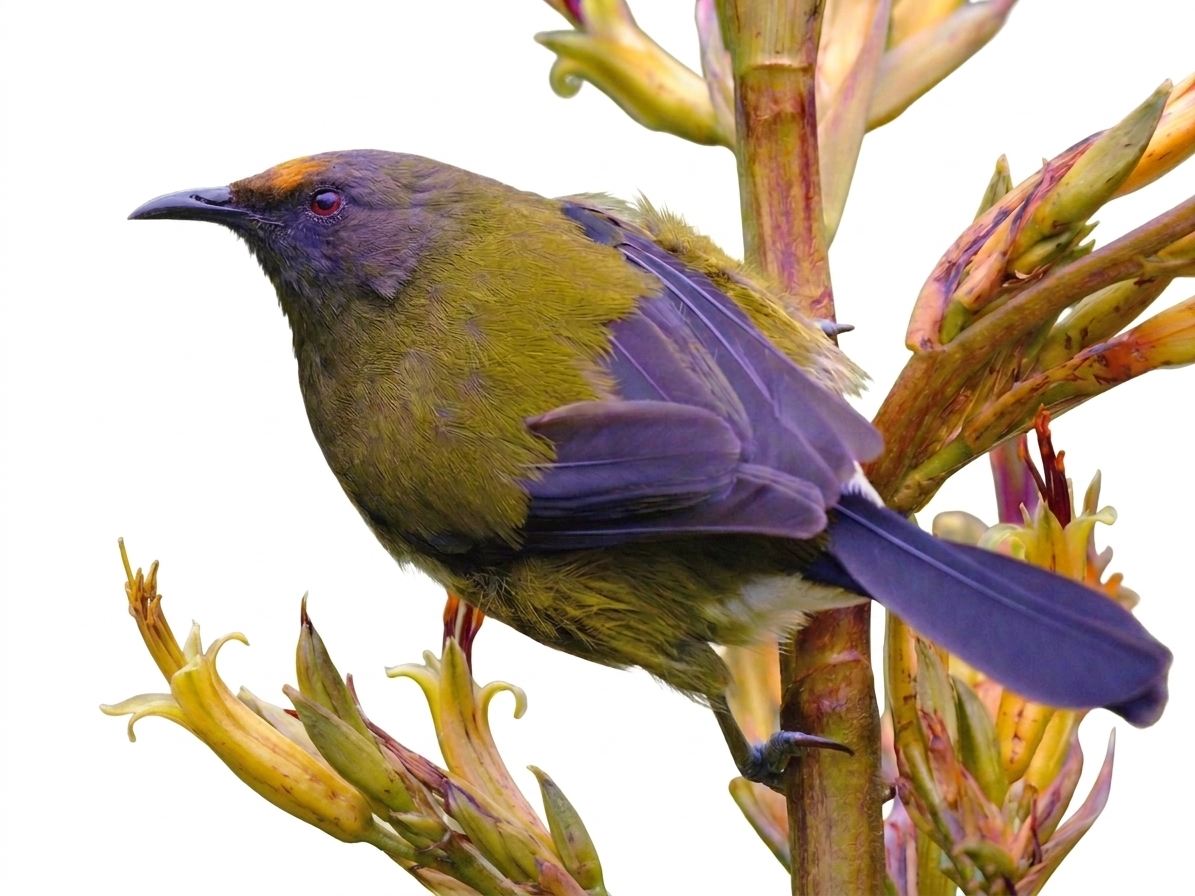
(Adapted from C. Stephens, 2017, eBird; modified by author, 2026)
References
Aroturuki Tamariki. (2026). Outcomes for tamariki and rangatahi Māori and their whānau 2024/25. https://aroturuki.govt.nz/assets/Reports/outcomes/24-25/OfM-2026.pdf
Maguire, A. (2016, January 13). Illustrating equality vs equity [Illustration]. Interaction Institute for Social Change. https://interactioninstitute.org/illustrating-equality-vs-equity/
Martin, J. (ca. 1905). Susan, Rotorua [Photograph]. Library of Congress, Prints and Photographs Division, Washington, DC, United States. https://commons.wikimedia.org/wiki/File:Susan,_Rotorua,_New_Zealand,_ca._1905.jpg
Ministerial Advisory Committee on a Māori Perspective for the Department of Social Welfare. (1988). Puao-te-ata-tu (Day break): The report of the Ministerial Advisory Committee on a Maori Perspective for the Department of Social Welfare. Department of Social Welfare. https://www.msd.govt.nz/documents/about-msd-and-our-work/publications-resources/archive/1988-puaoteatatu.pdf
New Zealand Law Society Te Kāhui Ture o Aotearoa. (2024). Submission on the Oranga Tamariki (Repeal of Section 7AA) Amendment Bill. https://www.lawsociety.org.nz/assets/Law-Reform-Submissions/Oranga-Tamariki-Repeal-of-section-7AA-Amendment-Bill-2-July-2024.pdf
Oranga Tamariki Act 1989 (as at 8 April 2025) (NZ). https://www.legislation.govt.nz/act/public/1989/24/en/2025-04-08/#DLM147088
Oranga Tamariki Act 1989 (NZ). https://www.legislation.govt.nz/act/public/1989/24/en/latest/#DLM147088
Oranga Tamariki (Repeal of Section 7AA) Amendment Act 2025 (NZ). https://www.legislation.govt.nz/act/public/2025/20/en/latest/#LMS960294
Oranga Tamariki—Ministry for Children. (2021, May 1). He pāharakeke, he rito whakakīkinga whāruarua – Waitangi Tribunal inquiry: WAI 2915. https://www.orangatamariki.govt.nz/about-us/performance-and-monitoring/reviews-and-inquiries/he-paharakeke-he-rito-whakakikinga-wharuarua-waitangi-tribunal-inquiry-wai-2915/
Oranga Tamariki—Ministry for Children. (2024). Regulatory impact statement: Repeal of section 7AA of the Oranga Tamariki Act 1989. https://www.orangatamariki.govt.nz/assets/Uploads/About-us/Information-releases/Cabinet-papers/7AA-repeal/Regulatory-Impact-Statement-Repeal-of-section-7AA.pdf
Oranga Tamariki—Ministry for Children. (n.d.). Oranga Tamariki logo [Logo]. https://www.orangatamariki.govt.nz/
Stephens, C. (2017, January 7). Male New Zealand Bellbird (Anthornis melanura) [Photograph]. eBird. https://ebird.org/species/nezbel1
Swarbrick, N. (2009, March 1). Flax and people [Diagram]. Te Ara – the Encyclopedia of New Zealand. https://teara.govt.nz/en/diagram/10395/flax-and-people
Waitangi Tribunal. (2021). He pāharakeke, he rito whakakīkinga whāruarua: Oranga Tamariki urgent inquiry report (Wai 2915). Ministry of Justice. https://forms.justice.govt.nz/search/Documents/WT/wt_DOC_171027305/He%20Paharakeke%20W.pdf
Waitangi Tribunal. (2024). The Oranga Tamariki (Section 7AA) urgent inquiry report (Wai 3322). Ministry of Justice. https://forms.justice.govt.nz/search/Documents/WT/wt_DOC_213376913/Oranga%20Tamariki%20Urgent%2010%20May%20W.pdf

80
The issue
"Hutia te rito o te harakeke, kei hea te kōmako e kō?"
"If you pull out the central shoot of the flax bush, where will the bellbird sing?"
(Swarbrick, 2009)
In the flax plant, the rito (central shoot) represents the child, sheltered by parents and elders. Just as removing the central shoot causes the flax bush to die, removing a child from their roots destroys the heart of the whānau, and silences future generations.
Despite being a minority in Aotearoa New Zealand (NZ), Māori children (tamariki) and youth (rangatahi) make up 68% of all children and youth in state care, and 80% of all those in youth justice custody (AT, 2026, p. 28).
Institutional racism within NZ's child and youth welfare system is not new (Aroturuki Tamariki [AT], 2026; New Zealand Law Society, 2024; Oranga Tamariki—Ministry for Children [OT], 2021, 2024; Waitangi Tribunal [WT], 2021, 2024).
In 1988, the Pūao-te-Ata-tū report was released, which exposed institutional racism and revealed an overrepresentation of Māori children in state care (Ministerial Advisory Committee on a Māori Perspective for the Department of Social Welfare, 1988). The Pūao-te-Ata-tū report directly influenced the Children, Young Persons, and Their Families Act 1989, and in 2017, it was renamed the Oranga Tamariki Act 1989. The hope of this legislation was to establish a foundation for a bicultural approach to Māori in state care.
In 2020, OT made a public and formal admission on behalf of the Crown (OT, 2021):
- It acknowledged that the Crown had failed to implement the recommendations of the 1988 report Pūao-te-Ata-tū.
- It acknowledged the presence and impacts of "structural racism" within the care and protection system.
- OT reiterated its commitment to addressing structural racism.
- It acknowledged that Māori perspectives and solutions had been ignored.
- To address this, OT said that it would partner and engage with Māori to deliver better outcomes for Māori.
(Image created by author; adapted from Oranga Tamariki—Ministry for Children, n.d.; Martin, ca. 1905)
To help address these issues, section 7AA was added to the Oranga Tamariki Act in 2019. Key statutory requirements that section 7AA brought in for OT (Oranga Tamariki Act 1989, s 7AA, as at 8 April 2025):
- Reduce disparities for Māori children.
- Uphold cultural identity (e.g. whakapapa, whanaungatanga).
- Develop strategic partnerships with iwi and Māori organisations.
- Publish an annual report outlining the actions taken to meet these obligations, measuring the impact of those actions, and setting out immediate next steps.
In April 2025, the Coalition Government (National, ACT, and NZ First) repealed Section 7AA, effectively sweeping their mandated obligations "under the carpet" (Oranga Tamariki Act 1989; Oranga Tamariki [Repeal of Section 7AA] Amendment Act 2025).
Even before the law was changed, official advice from a Regulatory Impact Statement (RIS) report warned against the repeal. Key findings from the RIS report (OT, 2024):
- Lack of evidence linking section 7AA to safety risks:
- "There is no empirical evidence to support the notion that section 7AA has driven practice decisions that have led to changing care arrangements." (OT, 2024, p. 10)
- "Repealing section 7AA is unlikely to contribute to improvements to safety and stability." (OT, 2024, p. 24)
- Systemic failures are not caused by section 7AA:
- "Despite decades of reviews, reports, and subsequent departmental changes, the overrepresentation of Māori in care has persisted, only improving slightly since the introduction of section 7AA." (OT, 2024, p. 7)
- Risk of undermining progress in communities:
- "However, a repeal of section 7AA may undo some of the progress that Oranga Tamariki has made in building trust, relationships, and accountability in the communities we work with." (OT, 2024, p. 24)
Data released in June 2026 by Aroturuki Tamariki, an independent government oversight agency (AT, 2026), show that during the 2024–2025 period, Māori made up only 27% of New Zealand's total child and youth population. However, tamariki and rangatahi Māori represented 68% of all children in state care, and rangatahi Māori accounted for 80% of those in youth justice custody (as shown below).
(AT, 2026, p. 28)
(Maguire, 2016)
Equality only gives the same. ONLY EQUITY meets the need! If we don't learn from the mistakes of the past, we will be destined to repeat them.
Bringing back section 7AA and helping reduce disparities for Māori children and youth depends on you!
- Please sign our petition: add your name to show your support.
- Contact your local MP: reach out to your MP to learn their views on the repeal of section 7AA. Ask them questions about the disparities between Māori and non-Māori in state care (AT, 2026, pp. 14-16, 28).
- Vote for change on Saturday the 7th of November 2026: vote for political parties and candidates who would support a return of section 7AA to the OT Act 1989.
Together, let us protect the rito so that the kōmako may sing for generations to come.
Thank you for your consideration. Ngā mihi nui ki a koe mō tō whakaaro mai.
Luke Burton
Petition Creator
(Adapted from C. Stephens, 2017, eBird; modified by author, 2026)
References
Aroturuki Tamariki. (2026). Outcomes for tamariki and rangatahi Māori and their whānau 2024/25. https://aroturuki.govt.nz/assets/Reports/outcomes/24-25/OfM-2026.pdf
Maguire, A. (2016, January 13). Illustrating equality vs equity [Illustration]. Interaction Institute for Social Change. https://interactioninstitute.org/illustrating-equality-vs-equity/
Martin, J. (ca. 1905). Susan, Rotorua [Photograph]. Library of Congress, Prints and Photographs Division, Washington, DC, United States. https://commons.wikimedia.org/wiki/File:Susan,_Rotorua,_New_Zealand,_ca._1905.jpg
Ministerial Advisory Committee on a Māori Perspective for the Department of Social Welfare. (1988). Puao-te-ata-tu (Day break): The report of the Ministerial Advisory Committee on a Maori Perspective for the Department of Social Welfare. Department of Social Welfare. https://www.msd.govt.nz/documents/about-msd-and-our-work/publications-resources/archive/1988-puaoteatatu.pdf
New Zealand Law Society Te Kāhui Ture o Aotearoa. (2024). Submission on the Oranga Tamariki (Repeal of Section 7AA) Amendment Bill. https://www.lawsociety.org.nz/assets/Law-Reform-Submissions/Oranga-Tamariki-Repeal-of-section-7AA-Amendment-Bill-2-July-2024.pdf
Oranga Tamariki Act 1989 (as at 8 April 2025) (NZ). https://www.legislation.govt.nz/act/public/1989/24/en/2025-04-08/#DLM147088
Oranga Tamariki Act 1989 (NZ). https://www.legislation.govt.nz/act/public/1989/24/en/latest/#DLM147088
Oranga Tamariki (Repeal of Section 7AA) Amendment Act 2025 (NZ). https://www.legislation.govt.nz/act/public/2025/20/en/latest/#LMS960294
Oranga Tamariki—Ministry for Children. (2021, May 1). He pāharakeke, he rito whakakīkinga whāruarua – Waitangi Tribunal inquiry: WAI 2915. https://www.orangatamariki.govt.nz/about-us/performance-and-monitoring/reviews-and-inquiries/he-paharakeke-he-rito-whakakikinga-wharuarua-waitangi-tribunal-inquiry-wai-2915/
Oranga Tamariki—Ministry for Children. (2024). Regulatory impact statement: Repeal of section 7AA of the Oranga Tamariki Act 1989. https://www.orangatamariki.govt.nz/assets/Uploads/About-us/Information-releases/Cabinet-papers/7AA-repeal/Regulatory-Impact-Statement-Repeal-of-section-7AA.pdf
Oranga Tamariki—Ministry for Children. (n.d.). Oranga Tamariki logo [Logo]. https://www.orangatamariki.govt.nz/
Stephens, C. (2017, January 7). Male New Zealand Bellbird (Anthornis melanura) [Photograph]. eBird. https://ebird.org/species/nezbel1
Swarbrick, N. (2009, March 1). Flax and people [Diagram]. Te Ara – the Encyclopedia of New Zealand. https://teara.govt.nz/en/diagram/10395/flax-and-people
Waitangi Tribunal. (2021). He pāharakeke, he rito whakakīkinga whāruarua: Oranga Tamariki urgent inquiry report (Wai 2915). Ministry of Justice. https://forms.justice.govt.nz/search/Documents/WT/wt_DOC_171027305/He%20Paharakeke%20W.pdf
Waitangi Tribunal. (2024). The Oranga Tamariki (Section 7AA) urgent inquiry report (Wai 3322). Ministry of Justice. https://forms.justice.govt.nz/search/Documents/WT/wt_DOC_213376913/Oranga%20Tamariki%20Urgent%2010%20May%20W.pdf
Petition Updates
Share this petition
Petition created on 7 August 2026