BAN THE NIP - EVERETT
The Issue
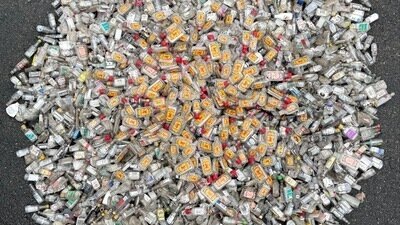
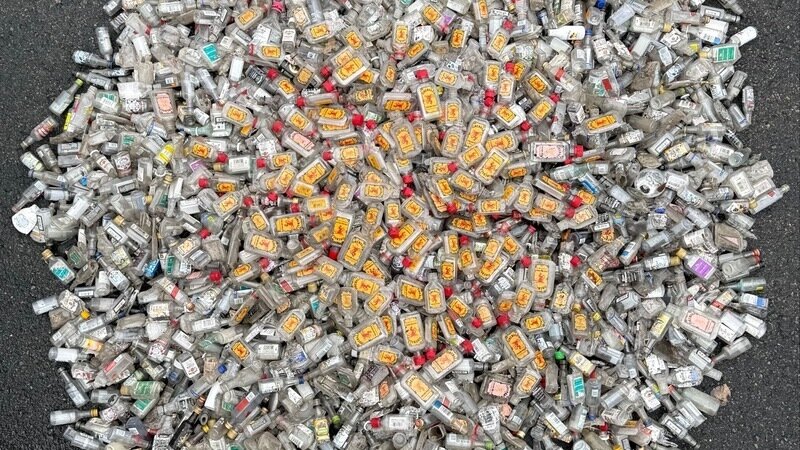
Everett is polluted with thousands of nip bottles. Nips are low-cost, easily concealed bottles that enable public intoxication and create endless litter.
Everett’s Department of Public Works (DPW) struggles to keep up with nip bottle litter. Despite maintaining 110 public trash cans and plans to add more on main streets, Clean Up Everett collects approximately 20 nips daily in Glendale Park alone, where 13 trash cans are located. This is a small but alarming sample of the unsustainable burden across our city. Nips, often found on school grounds, expose youth to alcohol paraphernalia daily, normalizing public alcohol consumption for minors. Suggesting more trash cans to accommodate nip litter ignores the broader issue of public intoxication. Studies show nips are rarely disposed of properly due to their small size, making them impossible for police to regulate and difficult for DPW to clean. Taxpayers should not bear the cost of this excessive alcohol-related litter and resident volunteers should not be responsible for cleaning them.
Massachusetts law prohibits liquor stores within 500 feet of schools, yet nips are sold in stores just 341 feet from Devens School, 250 feet from Keverian School, and 380 feet from Everett High School. This undermines our city efforts to protect our youth from substance abuse.
Chelsea’s 2018 nip ban demonstrates the solution’s effectiveness: police custodies dropped 62%, alcohol-related emergency calls fell 83%, and hospitalizations decreased significantly. Mashpee’s 2021 ban reduced alcohol-related litter by 50% within a year. These statistics highlight nips’ heavy toll on public safety and city budgets, far outweighing the minor adjustments liquor stores would need to sell larger containers.
Everett residents should not have to suffer from nip pollution, but this decision does not fall under the jurisdiction of the city council, it falls under the licensing board. Sign this petition to let the licensing board know you support the BAN ON NIPS.
258
The Issue
Everett is polluted with thousands of nip bottles. Nips are low-cost, easily concealed bottles that enable public intoxication and create endless litter.
Everett’s Department of Public Works (DPW) struggles to keep up with nip bottle litter. Despite maintaining 110 public trash cans and plans to add more on main streets, Clean Up Everett collects approximately 20 nips daily in Glendale Park alone, where 13 trash cans are located. This is a small but alarming sample of the unsustainable burden across our city. Nips, often found on school grounds, expose youth to alcohol paraphernalia daily, normalizing public alcohol consumption for minors. Suggesting more trash cans to accommodate nip litter ignores the broader issue of public intoxication. Studies show nips are rarely disposed of properly due to their small size, making them impossible for police to regulate and difficult for DPW to clean. Taxpayers should not bear the cost of this excessive alcohol-related litter and resident volunteers should not be responsible for cleaning them.
Massachusetts law prohibits liquor stores within 500 feet of schools, yet nips are sold in stores just 341 feet from Devens School, 250 feet from Keverian School, and 380 feet from Everett High School. This undermines our city efforts to protect our youth from substance abuse.
Chelsea’s 2018 nip ban demonstrates the solution’s effectiveness: police custodies dropped 62%, alcohol-related emergency calls fell 83%, and hospitalizations decreased significantly. Mashpee’s 2021 ban reduced alcohol-related litter by 50% within a year. These statistics highlight nips’ heavy toll on public safety and city budgets, far outweighing the minor adjustments liquor stores would need to sell larger containers.
Everett residents should not have to suffer from nip pollution, but this decision does not fall under the jurisdiction of the city council, it falls under the licensing board. Sign this petition to let the licensing board know you support the BAN ON NIPS.
Supporter Voices
Petition Updates
Share this petition
Petition created on April 28, 2025