The Regime in Iran is very unpopular at home. Turnout in the upcoming election will be the lowest

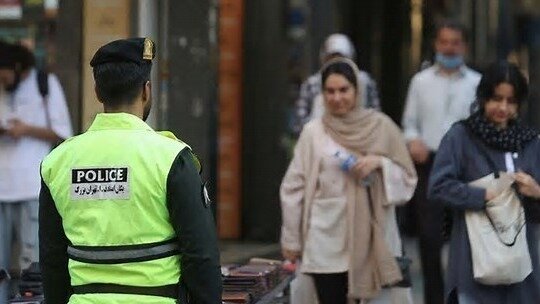
ABC News: "We Iranian girls are not afraid of anything anymore," said Maedeh, a 26-year-old sports trainer who was not wearing a required headscarf when she spoke with ABC News on a recent reporting trip to Tehran.
She was one of several Iranian women who risked speaking to correspondent Mola Lenghi while not wearing the hijab, an offense punishable by the regime's morality police.
It was in September 2022 when 22-year-old Mahsa Amini died mysteriously in state custody after allegedly violating Iran's hijab law, setting off protests across the country.
Human rights groups say more than 20,000 people were arrested and more than 500 killed in those demonstrations.
In the time since, relatively few Western journalists have reported from Iran while political arrests and executions have skyrocketed.
She said the head covering is worn far less than it was when she spent time in Iran as a young woman.
"There's always an element that I might get arrested, but you know what, we need to push back," she said. Today, "[Iranian women] are much, much braver. I think they're not scared any more."
While a relative few are willing to speak to the rights of women, airing grievances over economic conditions is more widespread as Iranians are confronted with higher prices for
basics.
"Awful," Mehdi, a dessert vendor, told ABC News about the state of the economy. "We earn just enough not to die
The economy is "sick" and "a concern for the entire society," said cinematographer Niloufar, age 35.
"Our young people are under a lot of pressure," she said. A home, a car, and marriage are all "far-fetched dreams."
Data support the sentiment on the ground. Inflation has hovered around 40% for the last three years and hit the highest level in two years at the end of 2023, when the Central Bank of Iran reported a 45% inflation rate for the month of October. Economic analysts estimated the rate was worse than the central bank reported.
State statistics show as many as 3.6 million fewer people are being counted as job seekers than were in the labor pool four years ago, which explains the downtick.
On March 1, Iranians will vote in elections for parliament and seats on a powerful executive council that appoints the country's supreme leader. Candidates for Iranian elections are heavily vetted by the government.
On March , Election many Iranians told ABC that they are not going to vote.