Amend the SAFE SPEEDS Act: Regulate E-Bikes by Speed — Not Wattage
The Issue
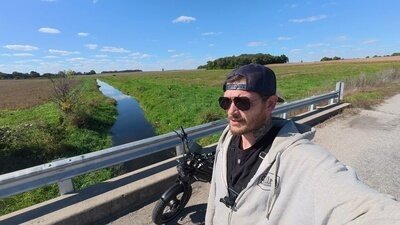
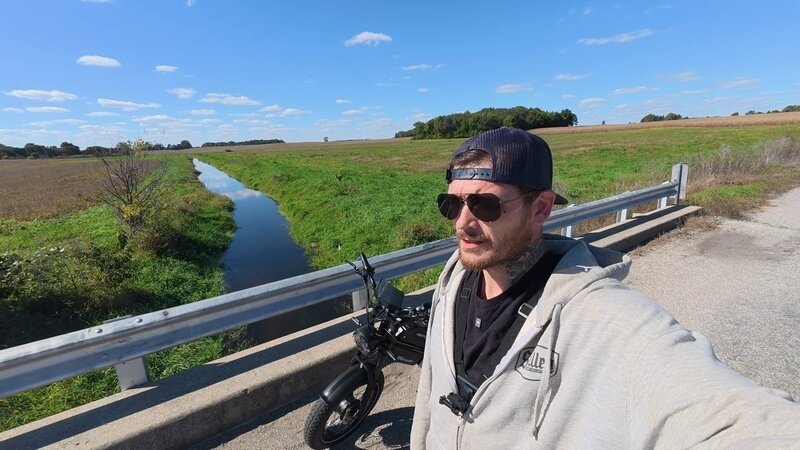
I run Electric Route, a YouTube channel about e-bikes, from rural Indiana. Under the rules Congress is writing right now, bikes like mine could be regulated out of existence — not because of how fast they go, but because of how many watts the motor makes. That makes no sense, and I'm starting this petition to fix it.
H.R. 7839, the "Safe SPEEDS Act," was introduced in Congress in March 2026. It directs the Consumer Product Safety Commission to write national classification and labeling rules for e-bikes and off-road electric devices. Clear national standards are a good idea — but the approach is wrong.
Wattage doesn't determine speed — but it does determine whether a heavier rider can get up a hill or get out of the way of traffic safely. A 750-watt cap won't stop anyone from going fast. What it will do is leave bigger riders stranded at the bottom of hills and unable to accelerate clear of danger. Capping watts doesn't make anyone safer — it just decides who gets to ride.
We, the undersigned, support e-bike regulation done right. We call on Congress to amend H.R. 7839 so the federal standard:
1. No wattage cap — regulate purely by speed. Scrap the confusing class system; one simple rule: your speed is what matters, not your motor. Heavier riders need the torque.
2.
Update — October 12, 2026: I removed the weight limit from this petition.
When I first wrote this petition, I included a limit of about 100 pounds for e-bikes. After reading the comments and thinking it through, I realized that limit works against the whole point here: punish the rider, not the bike. A weight limit would push out heavier e-bikes and e-motos even when they're ridden responsibly — around 20 mph on shared paths, slowing down and giving a warning when passing. That's the same kind of thinking I'm asking Congress to drop. So it's out. Nothing else about responsible, speed-based rules changes.
I explain the full reasoning in this video: https://www.youtube.com/watch?v=bUNoXFzajeY
3. Makes a license plate available for tracking (hit-and-runs, theft, crime) — while e-bikes keep bicycle-level access and are not restricted from roads.
4. Requires real safety equipment — headlight, brake light, turn signals — and requires e-bikes on public roads to follow posted speed limits like every other vehicle.
5. Over 30 mph: a valid driver's license is required, flat out — if you want to go faster than 30, you need to know the rules of the road.
6. Trails and shared paths: 20 mph max unless otherwise posted, and slow to ~10 mph when passing anyone. Anything with pedals, under the weight limit, ridden under 20 mph is a bicycle — no trail restrictions.
7. Over 40 mph on public roads: full motorcycle license and insurance (or an e-bike equivalent) required. Trail access unchanged.
8. Protects the right to modify your own bike and use off-road modes on private land. Rural riders with fields aren't the problem — don't punish them for reckless riding happening in cities.
Sign and share. Riders deserve rules that make sense.

329
The Issue
I run Electric Route, a YouTube channel about e-bikes, from rural Indiana. Under the rules Congress is writing right now, bikes like mine could be regulated out of existence — not because of how fast they go, but because of how many watts the motor makes. That makes no sense, and I'm starting this petition to fix it.
H.R. 7839, the "Safe SPEEDS Act," was introduced in Congress in March 2026. It directs the Consumer Product Safety Commission to write national classification and labeling rules for e-bikes and off-road electric devices. Clear national standards are a good idea — but the approach is wrong.
Wattage doesn't determine speed — but it does determine whether a heavier rider can get up a hill or get out of the way of traffic safely. A 750-watt cap won't stop anyone from going fast. What it will do is leave bigger riders stranded at the bottom of hills and unable to accelerate clear of danger. Capping watts doesn't make anyone safer — it just decides who gets to ride.
We, the undersigned, support e-bike regulation done right. We call on Congress to amend H.R. 7839 so the federal standard:
1. No wattage cap — regulate purely by speed. Scrap the confusing class system; one simple rule: your speed is what matters, not your motor. Heavier riders need the torque.
2.
Update — October 12, 2026: I removed the weight limit from this petition.
When I first wrote this petition, I included a limit of about 100 pounds for e-bikes. After reading the comments and thinking it through, I realized that limit works against the whole point here: punish the rider, not the bike. A weight limit would push out heavier e-bikes and e-motos even when they're ridden responsibly — around 20 mph on shared paths, slowing down and giving a warning when passing. That's the same kind of thinking I'm asking Congress to drop. So it's out. Nothing else about responsible, speed-based rules changes.
I explain the full reasoning in this video: https://www.youtube.com/watch?v=bUNoXFzajeY
3. Makes a license plate available for tracking (hit-and-runs, theft, crime) — while e-bikes keep bicycle-level access and are not restricted from roads.
4. Requires real safety equipment — headlight, brake light, turn signals — and requires e-bikes on public roads to follow posted speed limits like every other vehicle.
5. Over 30 mph: a valid driver's license is required, flat out — if you want to go faster than 30, you need to know the rules of the road.
6. Trails and shared paths: 20 mph max unless otherwise posted, and slow to ~10 mph when passing anyone. Anything with pedals, under the weight limit, ridden under 20 mph is a bicycle — no trail restrictions.
7. Over 40 mph on public roads: full motorcycle license and insurance (or an e-bike equivalent) required. Trail access unchanged.
8. Protects the right to modify your own bike and use off-road modes on private land. Rural riders with fields aren't the problem — don't punish them for reckless riding happening in cities.
Sign and share. Riders deserve rules that make sense.
The Decision Makers


Supporter Voices
Petition Updates
Share this petition
Petition created on October 6, 2026