
Act Now to Amend Bill C-223 and Protect Children in Family Court
The Issue
THE URGENT REALITY: CLOSING THE FAMILY COURT BLIND SPOT BEFORE IT IS TOO LATE
When parents separate, courts are tasked with determining the best interests of the child. However, right now, without standardized federal safeguards, a dangerous blind spot in Canadian family law continues to leave vulnerable children exposed to domestic violence and coercive control.
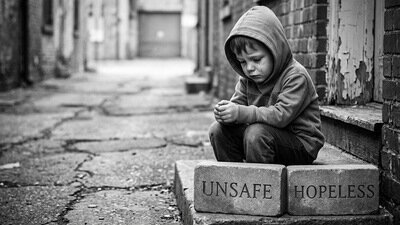
Every day this gap remains unaddressed, children displaying natural fear, distress, or reluctance to see an abusive parent are placed in high-risk custody transitions. In extreme cases, courts mandate children into unregulated, for-profit "reunification programs"—interventions that lack independent clinical oversight, regulatory standards, or evidence of long-term safety. Isolated in these settings, vulnerable children face immense pressure to retract disclosures of abuse, experiencing severe emotional damage and profound re-traumatization.
Carrying the weight of adult conflict, children often become deeply traumatized by blaming themselves as the cause of the ongoing battle between their parents.
The devastating consequences of failing to properly assess family violence are already clear. Tragic cases across Canada—including the heartbreaking deaths of children in Quebec such as the 7-year-old Granby girl and young brothers Alex and Olivier—stand as urgent, stark reminders of the fatal risks when child protection systems and legal frameworks fail to prioritize protective concerns. Parliament must act immediately before more young lives are shattered.
POST-DIVORCE COERCIVE CONTROL: WEAPONIZING "PARENTAL ALIENATION"
To be clear: We are NOT seeking to eliminate legitimate efforts to repair damaged parent-child relationships where it is safe to do so. Children benefit from healthy, loving relationships with both mothers and fathers whenever safety is assured.
However, Parliament must step in now to stop allegations of "parental alienation" from being weaponized to overshadow documented family violence.
Major international medical and legal authorities—including the World Health Organization (WHO) and the American Psychological Association (APA)— refused to recognize "parental alienation syndrome" as a valid diagnostic category, explicitly warning against its misuse in custody disputes.
When a child witnesses or experiences domestic violence, their fear or resistance is a natural, self-protective trauma reaction. Yet, without mandatory domestic violence screening, abusive partners frequently exploit "parental alienation" claims during proceedings over parental decision-making and guardianship to:
- Discredit the Protective Parent: Reframe a protective parent’s genuine efforts to shield their child as "hostility" or "uncooperative behavior."
- Shift Legal Accountability: Divert judicial focus away from investigating coercive control and domestic abuse onto the protective parent.
- Inflict Secondary Trauma: Secure extreme, multi-year "no-contact" orders that sever all communication (visits, calls, texts, emails) between a child and their primary safe caregiver, inflicting severe psychological harm and depriving the child of their primary source of safety.
STRENGTHENING BILL C-223: AN URGENT, ACTIONABLE LEGISLATIVE REMEDY
Canada’s Bill C-223 (Keeping Children Safe Act) is currently before Parliament, offering a critical, time-sensitive opportunity to reform federal family law. To ensure this legislation truly fulfills its purpose under the Divorce Act, lawmakers must act swiftly to adopt concrete amendments that:
- Mandate Domestic Violence & Coercive Control Screening: Require family courts to complete comprehensive domestic violence screening BEFORE evaluating alienation claims in disputes over parental decision-making and guardianship.
- Prohibit Unregulated Forced Reunification Programs: Ban court-ordered forced interventions that isolate children from their safe caregiver in unregulated settings without clinical validation.
- Restrict Multi-Year Absolute No-Contact Orders: Prevent extreme orders that completely isolate children from their protective parent, ensuring children maintain access to safe, supportive caregivers.
- Uphold Human Rights & Trauma-Informed Justice: Ensure family courts focus on perpetrator conduct rather than penalizing protective parents, protecting children's basic human rights and right to safety.
TAKE ACTION TODAY: CHILDREN CANNOT WAIT!
Parliament is actively debating family law reform right now—making this our single most important window to drive lasting change. Vulnerable children cannot vote or advocate in parliamentary hearings, and protective parents urgently need our collective voice.
Take 30 seconds right now to demand immediate parliamentary action:
- SIGN THIS PETITION: Urge Parliament to amend Bill C-223 to prioritize objective safety screening and trauma-informed justice.
- SHARE THIS CAMPAIGN: Help us build overwhelming public support by sharing this petition across social media, community networks, and advocacy groups.
- CONTACT YOUR MP: Write to your local Member of Parliament today and ask them to vote YES on amending Bill C-223 to protect children from coercive control and family violence.
Sign and share now to ensure Parliament acts immediately to close this legal loophole and protect Canada's children

18
The Issue
THE URGENT REALITY: CLOSING THE FAMILY COURT BLIND SPOT BEFORE IT IS TOO LATE
When parents separate, courts are tasked with determining the best interests of the child. However, right now, without standardized federal safeguards, a dangerous blind spot in Canadian family law continues to leave vulnerable children exposed to domestic violence and coercive control.
Every day this gap remains unaddressed, children displaying natural fear, distress, or reluctance to see an abusive parent are placed in high-risk custody transitions. In extreme cases, courts mandate children into unregulated, for-profit "reunification programs"—interventions that lack independent clinical oversight, regulatory standards, or evidence of long-term safety. Isolated in these settings, vulnerable children face immense pressure to retract disclosures of abuse, experiencing severe emotional damage and profound re-traumatization.
Carrying the weight of adult conflict, children often become deeply traumatized by blaming themselves as the cause of the ongoing battle between their parents.
The devastating consequences of failing to properly assess family violence are already clear. Tragic cases across Canada—including the heartbreaking deaths of children in Quebec such as the 7-year-old Granby girl and young brothers Alex and Olivier—stand as urgent, stark reminders of the fatal risks when child protection systems and legal frameworks fail to prioritize protective concerns. Parliament must act immediately before more young lives are shattered.
POST-DIVORCE COERCIVE CONTROL: WEAPONIZING "PARENTAL ALIENATION"
To be clear: We are NOT seeking to eliminate legitimate efforts to repair damaged parent-child relationships where it is safe to do so. Children benefit from healthy, loving relationships with both mothers and fathers whenever safety is assured.
However, Parliament must step in now to stop allegations of "parental alienation" from being weaponized to overshadow documented family violence.
Major international medical and legal authorities—including the World Health Organization (WHO) and the American Psychological Association (APA)— refused to recognize "parental alienation syndrome" as a valid diagnostic category, explicitly warning against its misuse in custody disputes.
When a child witnesses or experiences domestic violence, their fear or resistance is a natural, self-protective trauma reaction. Yet, without mandatory domestic violence screening, abusive partners frequently exploit "parental alienation" claims during proceedings over parental decision-making and guardianship to:
- Discredit the Protective Parent: Reframe a protective parent’s genuine efforts to shield their child as "hostility" or "uncooperative behavior."
- Shift Legal Accountability: Divert judicial focus away from investigating coercive control and domestic abuse onto the protective parent.
- Inflict Secondary Trauma: Secure extreme, multi-year "no-contact" orders that sever all communication (visits, calls, texts, emails) between a child and their primary safe caregiver, inflicting severe psychological harm and depriving the child of their primary source of safety.
STRENGTHENING BILL C-223: AN URGENT, ACTIONABLE LEGISLATIVE REMEDY
Canada’s Bill C-223 (Keeping Children Safe Act) is currently before Parliament, offering a critical, time-sensitive opportunity to reform federal family law. To ensure this legislation truly fulfills its purpose under the Divorce Act, lawmakers must act swiftly to adopt concrete amendments that:
- Mandate Domestic Violence & Coercive Control Screening: Require family courts to complete comprehensive domestic violence screening BEFORE evaluating alienation claims in disputes over parental decision-making and guardianship.
- Prohibit Unregulated Forced Reunification Programs: Ban court-ordered forced interventions that isolate children from their safe caregiver in unregulated settings without clinical validation.
- Restrict Multi-Year Absolute No-Contact Orders: Prevent extreme orders that completely isolate children from their protective parent, ensuring children maintain access to safe, supportive caregivers.
- Uphold Human Rights & Trauma-Informed Justice: Ensure family courts focus on perpetrator conduct rather than penalizing protective parents, protecting children's basic human rights and right to safety.
TAKE ACTION TODAY: CHILDREN CANNOT WAIT!
Parliament is actively debating family law reform right now—making this our single most important window to drive lasting change. Vulnerable children cannot vote or advocate in parliamentary hearings, and protective parents urgently need our collective voice.
Take 30 seconds right now to demand immediate parliamentary action:
- SIGN THIS PETITION: Urge Parliament to amend Bill C-223 to prioritize objective safety screening and trauma-informed justice.
- SHARE THIS CAMPAIGN: Help us build overwhelming public support by sharing this petition across social media, community networks, and advocacy groups.
- CONTACT YOUR MP: Write to your local Member of Parliament today and ask them to vote YES on amending Bill C-223 to protect children from coercive control and family violence.
Sign and share now to ensure Parliament acts immediately to close this legal loophole and protect Canada's children
The Decision Makers
Supporter Voices
Petition Updates
Share this petition
Petition created on October 24, 2026