

A Global Call to End South Africa’s Captive Predator Breeding , Canned Hunting Operation,
The Issue
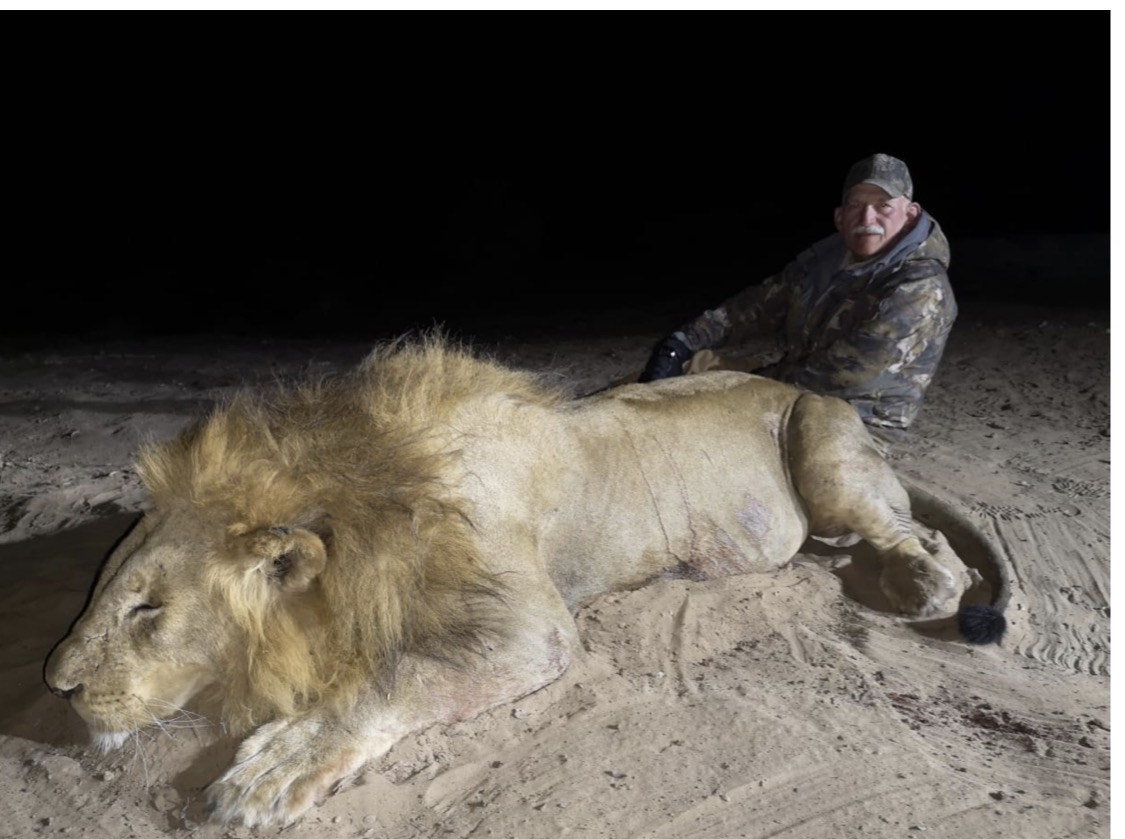
The Issue:
An estimated 8,000 lions are trapped in factory-farm facilities across South Africa, bred for cub-petting tourism and marketed for canned hunts or the bone trade, enriching a minority under the guise of conservation. This industry threatens South Africa's security and economy by inviting organized crime and risking mainstream tourism.
Despite a March 2026 notice to prohibit certain activities, the industry remains operational due to vague enclosure regulations and an open-ended "voluntary exit" strategy. While ethical tourism supports 1.8 million jobs (9% of GDP), protecting under 2,100 breeding jobs risks 66,000 mainstream tourism jobs—a 31-to-1 risk ratio.
We respectfully demand that Parliament immediately:
Enact a permanent ban on commercial predator breeding.
Establish a strict legal deadline to close existing facilities.
Close the exotic species loophole.
At the moment this is what is officially happning Lion hunting permit quotas and authorized hunt numbers face a highly restricted regulatory landscape in 2026, largely driven by severe population declines and strict international import bans.
Unlike the newly finalized 2026 South African quotas for elephants and rhinos, no large-scale, blanket export quotas are authorized for wild lions across major range states. Captive Breeding Shut Down: The South African Department of Forestry, Fisheries and the Environment (DFFE) has systematically halted the issuance of permits to breed, keep, or hunt captive-bred ("canned") lions. Tanzania & Other Range States The 6-Year Rule: Permits are only valid if the harvested lion is scientifically verified to be 6 years of age or older (past its breeding prime). If a hunter mistakenly takes a younger lion, the outfitter faces severe penalties and forfeits future quota allocations
Please sign to demand decisive legal action

232
The Issue
The Issue:
An estimated 8,000 lions are trapped in factory-farm facilities across South Africa, bred for cub-petting tourism and marketed for canned hunts or the bone trade, enriching a minority under the guise of conservation. This industry threatens South Africa's security and economy by inviting organized crime and risking mainstream tourism.
Despite a March 2026 notice to prohibit certain activities, the industry remains operational due to vague enclosure regulations and an open-ended "voluntary exit" strategy. While ethical tourism supports 1.8 million jobs (9% of GDP), protecting under 2,100 breeding jobs risks 66,000 mainstream tourism jobs—a 31-to-1 risk ratio.
We respectfully demand that Parliament immediately:
Enact a permanent ban on commercial predator breeding.
Establish a strict legal deadline to close existing facilities.
Close the exotic species loophole.
At the moment this is what is officially happning Lion hunting permit quotas and authorized hunt numbers face a highly restricted regulatory landscape in 2026, largely driven by severe population declines and strict international import bans.
Unlike the newly finalized 2026 South African quotas for elephants and rhinos, no large-scale, blanket export quotas are authorized for wild lions across major range states. Captive Breeding Shut Down: The South African Department of Forestry, Fisheries and the Environment (DFFE) has systematically halted the issuance of permits to breed, keep, or hunt captive-bred ("canned") lions. Tanzania & Other Range States The 6-Year Rule: Permits are only valid if the harvested lion is scientifically verified to be 6 years of age or older (past its breeding prime). If a hunter mistakenly takes a younger lion, the outfitter faces severe penalties and forfeits future quota allocations
Please sign to demand decisive legal action
The Decision Makers

Petition Updates
Share this petition
Petition created on September 8, 2026