

11,000 Hours. The time they spend in school. It's time to make it count.
The Issue
An open letter. Why This Petition.
Dear World: Our Youth Are Not Okay—And You’re Having the Wrong Conversation
I write this with a heart full of sorrow and a fire in my bones. Like many of you, I recently watched the Netflix series Adolescence—a raw and painful mirror held up to our society. But unlike many of the voices rising in response, I don’t believe the real culprit is social media. Or parents. Or even the young people themselves.
The truth is harder to face.
Our children are not okay.
And they haven’t been for a long time.
I am a mother. An educator. A carer for my neurodivergent children. A mentor to young people through the business I run. But more than that, I am someone who listens and sees behind the masks society is conveniently putting on the real problem. I listen to the quiet despair in their voices. I see the fear behind their bravado. I hear the rage, the longing, the ache to be seen and valued.
Last night, after finishing ‘Adolescence’, I sat with my 17-year-old son and cried. I was heartbroken by the conversations I was seeing online—social media being demonised, parents being blamed, while the root of the problem was being ignored. So I turned to my son and asked him: What do you and your friends think? What is your lived experience? What are they saying about the series, and what is their lived experience?
He told me stories no parent wants to hear—stories of kids who feel hopeless, invisible, unwanted by the very systems meant to serve them. Kids who carry weapons just to feel safe walking to the shop. Kids who are drawn into drug circles because it’s the only way to make money, because they can’t find work, a way to feel powerful in a world that disempowers them at every turn.
“None of my friends feel hopeful. They’re just trying to survive.”
—My 17-year-old son
They are not broken.
The system is.
We’ve institutionalised our youth, stripping them of autonomy, creativity, and purpose. We punish instead of empower. We bark orders and demand conformity instead of having conversations and nurturing their young hearts and minds. We silence instead of listen. We throw diagnoses, detentions, and standardised tests at them—but we don’t ask them what they really need. We don’t see them.
And then we wonder why they’re angry.
Why they shut down.
Why some of them are radicalised.
Why they turn to substances or self-harming to numb their pain and despair.
Why they stop dreaming.
It’s easy to blame social media. To campaign for higher age restrictions.
But this is like putting a plaster on a gaping wound.
What our youth need is not more restrictions.
They need hope. They need opportunities. They need us to believe in them. They need to feel seen, heard and valued.
Why Schools—Not Just Families—Must Be Held Accountable
This is not about blaming parents. Today’s parents are the product of the same broken system. Many are raising children while navigating poverty, trauma, underemployment, and emotional exhaustion. They are trying to survive too. They are doing the best with what the system has given them and they are doing it unsupported.
They rely on schools—the institutions specifically designed and funded to educate and prepare children for real life—to fulfil that responsibility.
But our school system is not preparing them for life. It is teaching them how to conform, obey, suppress, and survive.
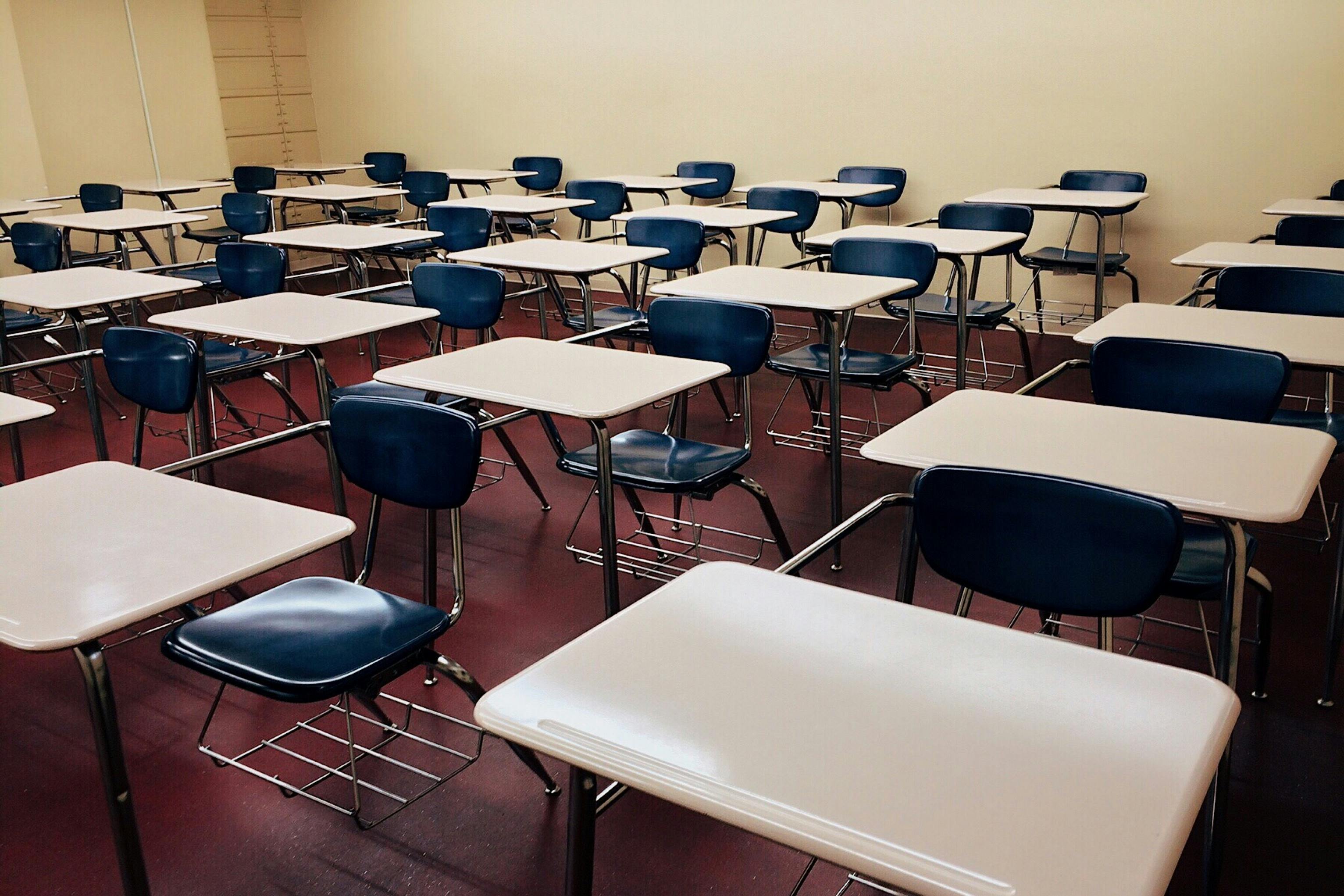
Children spend over 11,000 hours in school by the time they turn 18.
That is more waking time than they spend with their families.
If we want to change the outcomes for this generation, school is where the change must begin.
It is the place of greatest influence—and greatest opportunity.
💔 Why I’m Writing This Letter
This is personal for me.
My childhood was marked by trauma, upheaval, and pain. I grew up in the care system, an orphan from both parents by the age of 5, and a young carer for my disabled grandparent. Undiagnosed with ADHD at the time, I struggled hugely.
School could have been the much-needed refuge I needed, the source of support, kindness, compassion, and nurture. It could have been the place within which I discovered my strengths, made strong friendships, and learned how to navigate life in the world.
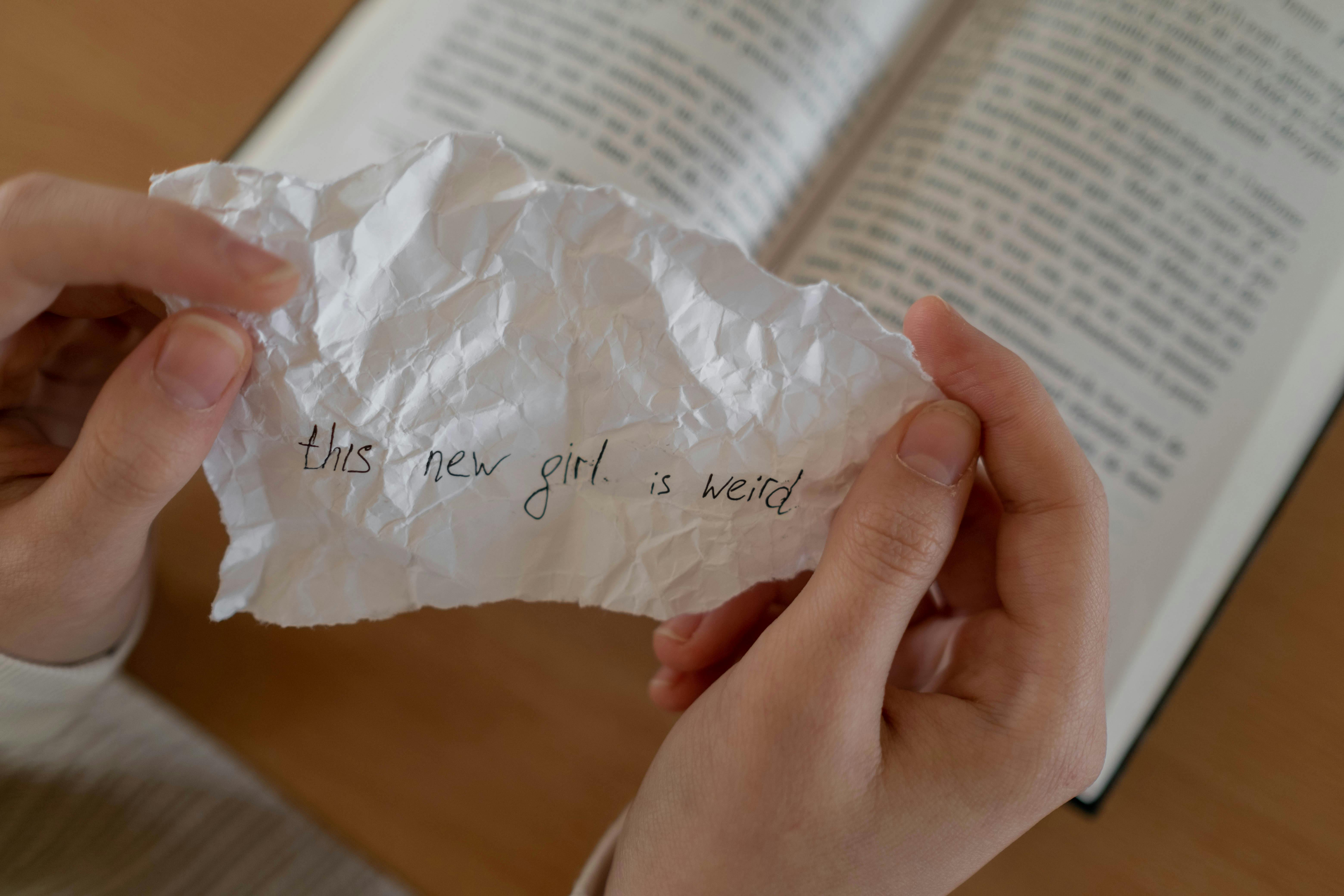
But it was none of those things. It was not a place of learning or support—it was a daily battle for survival. By secondary school, I was utterly broken by bullying and the overstimulating, authoritarian environment. Home offered no refuge. At my lowest point, I believed that taking my own life was my only escape and at the age of 14 I began to plan it, to follow in my mother’s footsteps, another person who was let down by the system meant to care and provide for her in the depths of her mental illness but let’s not digress.
I was once the disadvantaged teen I now fight for.
Everything changed when I got my first weekend job at age 14. That job gave me back something school and home never could: dignity, independence, skills and hope. As soon as I turned 16, I walked out of my home in my school uniform, never looking back and made my own way in the world, surviving even more trauma, mistakes, and problems I had not been equipped to deal with.
Years later, as a mother, I had to withdraw my son from school to save his life after he was bullied so severely that he lost his will to live. He was just 8. How is this acceptable? How can this be normalised in our society?
No one was held accountable. And no one ever is. The system is too big and hidden behind big titles and powerful people who know how to brush things under the carpet and distract us by turning our attention to other symptoms.
I took my son out of school on the day I saw the headline in a newspaper about a mother who walked into her child’s room and found him hanging. Later, it was revealed that the cause was relentless bullying that started in school and that the school continued brushing it under the carpet while quoting this policy and that strategy all fruitless and useless tactics to make us feel seen and heard or that they care, all empty promises to pass time and make us forget.
I was not going to be that mother. I was not going to wait any longer while my child suffered legalised abuse in the hands of those responsible for his well-being and safety.
I have since reshaped my entire life and work around providing education, safety, skills and belonging outside of a system that repeatedly fails our children.
I had to find a way to provide my children with an education outside the school system—not because I wanted to, but because I had no choice. I had to fight for my child, to restructure my life, to do this while balancing motherhood, work and my disabilities.
As a foster mother, I’ve had to advocate fiercely for my fostered children marginalised in school because of their ethnicity. And as a parent, I have watched my own teenagers grieve the suicide of their friends, two 13-year-old children who took their lives because of relentless bullying. And no one was held accountable. No one ever is.
How is this acceptable?
This is not abstract. This is real life. This is my life—and theirs.
What We’re Calling For: 3 Urgent Changes
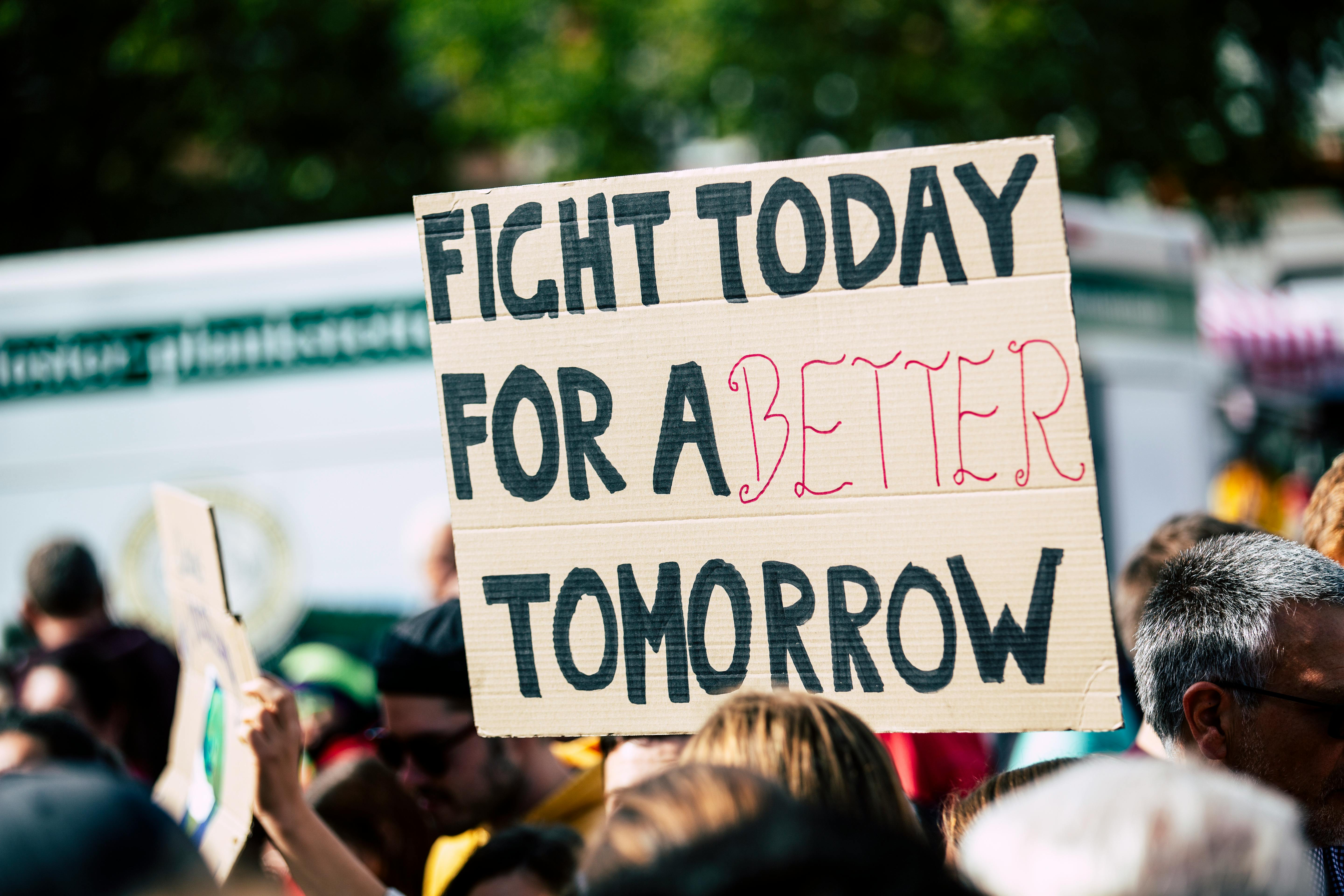
1. A Radical Restructure of the School System and Environment
We are calling for an urgent shift from authoritarian, punishment-based schooling to trauma-informed, relational, caring, and empowering learning environments. This includes:
· Replacing control-based behaviour management with relational, trauma-informed approaches
· Classrooms and timetables that foster creativity, curiosity, play and calm
· Creative outlets and flow-inducing activities to support emotional regulation
· Quiet spaces for overstimulated or struggling students
· Nutritious, brain-supporting meals in school; remove ultra-processed foods and sugary snacks and drinks.
· Shorter lessons, more breaks, and a natural rhythm to the school day
· A shift from competition to collaboration and personal growth
· On-site mentors, wellbeing staff, and properly supported teachers
· Skill-building and hobby-based enrichment programs after school
2. Equal Minimum Wage for All Working Ages
· End legalised age-based pay discrimination. All working people deserve equal pay for equal work.
· Raise youth wages to reflect their contributions and restore dignity and motivation
· Empower young people to earn and save for their futures, not push them into exploitation
· Make work accessible, fair, and meaningful
3. Expand Youth Employment and Entrepreneurship Pathways
· We must create viable pathways for teens to earn, create, and thrive—especially those excluded from or disengaged by traditional systems.
· Establish local Youth Enterprise Hubs offering mentoring, funding, and guidance
· Introduce entrepreneurship and life skills in schools
· Support grassroots organisations already helping teens build businesses and futures
· Provide incentives for ethical businesses to employ and mentor youth
· Recognise youth-led business and innovation as a vital pillar of the future economy
💔 This Is a Call to Action
Right now, young people are being radicalised, criminalised, and marginalised—not because they are inherently broken, but because the systems around them have failed to listen, adapt, inspire and care. The systems are breaking them.
We cannot keep blaming social media, families, or the youth themselves while ignoring the truth:
A generation is silently screaming for change.
It’s time we answered that call.
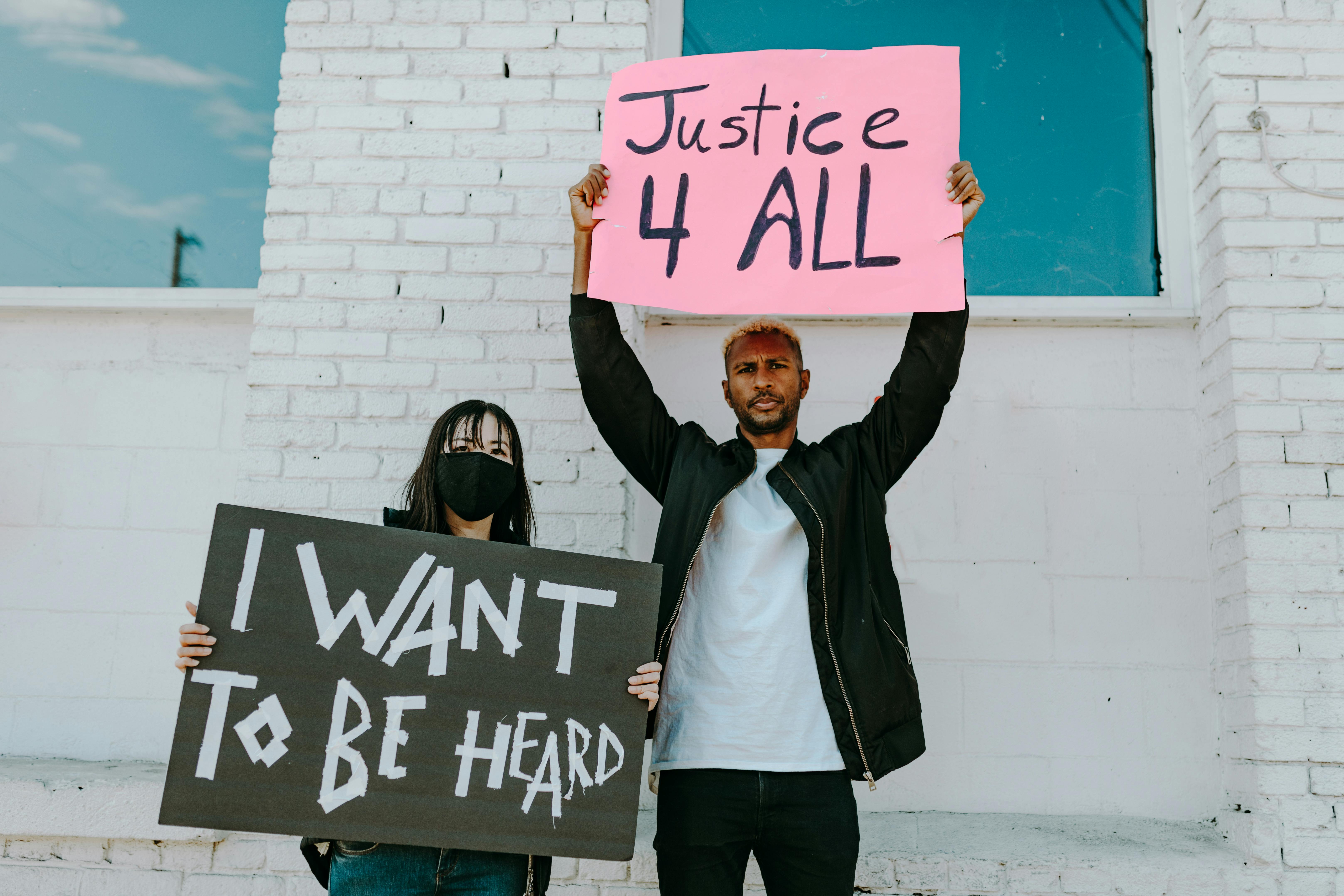
If this letter resonates with you—if you're a parent, teacher, policymaker, employer, or simply someone who aches for our youth and wants to see change—please sign the petition, share this message, and speak up. There is no minimum age to sign a petition, so encourage your children, the ones this is all about, the ones that will benefit from this effort, to also sign.
This isn’t just a campaign. It’s a movement—one I believe in with all my heart.
Our youth are not the enemy.
They are the future we still have time to save.
With love,
Michelle 🌱

Petition Closed
The Issue
An open letter. Why This Petition.
Dear World: Our Youth Are Not Okay—And You’re Having the Wrong Conversation
I write this with a heart full of sorrow and a fire in my bones. Like many of you, I recently watched the Netflix series Adolescence—a raw and painful mirror held up to our society. But unlike many of the voices rising in response, I don’t believe the real culprit is social media. Or parents. Or even the young people themselves.
The truth is harder to face.
Our children are not okay.
And they haven’t been for a long time.
I am a mother. An educator. A carer for my neurodivergent children. A mentor to young people through the business I run. But more than that, I am someone who listens and sees behind the masks society is conveniently putting on the real problem. I listen to the quiet despair in their voices. I see the fear behind their bravado. I hear the rage, the longing, the ache to be seen and valued.
Last night, after finishing ‘Adolescence’, I sat with my 17-year-old son and cried. I was heartbroken by the conversations I was seeing online—social media being demonised, parents being blamed, while the root of the problem was being ignored. So I turned to my son and asked him: What do you and your friends think? What is your lived experience? What are they saying about the series, and what is their lived experience?
He told me stories no parent wants to hear—stories of kids who feel hopeless, invisible, unwanted by the very systems meant to serve them. Kids who carry weapons just to feel safe walking to the shop. Kids who are drawn into drug circles because it’s the only way to make money, because they can’t find work, a way to feel powerful in a world that disempowers them at every turn.
“None of my friends feel hopeful. They’re just trying to survive.”
—My 17-year-old son
They are not broken.
The system is.
We’ve institutionalised our youth, stripping them of autonomy, creativity, and purpose. We punish instead of empower. We bark orders and demand conformity instead of having conversations and nurturing their young hearts and minds. We silence instead of listen. We throw diagnoses, detentions, and standardised tests at them—but we don’t ask them what they really need. We don’t see them.
And then we wonder why they’re angry.
Why they shut down.
Why some of them are radicalised.
Why they turn to substances or self-harming to numb their pain and despair.
Why they stop dreaming.
It’s easy to blame social media. To campaign for higher age restrictions.
But this is like putting a plaster on a gaping wound.
What our youth need is not more restrictions.
They need hope. They need opportunities. They need us to believe in them. They need to feel seen, heard and valued.
Why Schools—Not Just Families—Must Be Held Accountable
This is not about blaming parents. Today’s parents are the product of the same broken system. Many are raising children while navigating poverty, trauma, underemployment, and emotional exhaustion. They are trying to survive too. They are doing the best with what the system has given them and they are doing it unsupported.
They rely on schools—the institutions specifically designed and funded to educate and prepare children for real life—to fulfil that responsibility.
But our school system is not preparing them for life. It is teaching them how to conform, obey, suppress, and survive.
Children spend over 11,000 hours in school by the time they turn 18.
That is more waking time than they spend with their families.
If we want to change the outcomes for this generation, school is where the change must begin.
It is the place of greatest influence—and greatest opportunity.
💔 Why I’m Writing This Letter
This is personal for me.
My childhood was marked by trauma, upheaval, and pain. I grew up in the care system, an orphan from both parents by the age of 5, and a young carer for my disabled grandparent. Undiagnosed with ADHD at the time, I struggled hugely.
School could have been the much-needed refuge I needed, the source of support, kindness, compassion, and nurture. It could have been the place within which I discovered my strengths, made strong friendships, and learned how to navigate life in the world.
But it was none of those things. It was not a place of learning or support—it was a daily battle for survival. By secondary school, I was utterly broken by bullying and the overstimulating, authoritarian environment. Home offered no refuge. At my lowest point, I believed that taking my own life was my only escape and at the age of 14 I began to plan it, to follow in my mother’s footsteps, another person who was let down by the system meant to care and provide for her in the depths of her mental illness but let’s not digress.
I was once the disadvantaged teen I now fight for.
Everything changed when I got my first weekend job at age 14. That job gave me back something school and home never could: dignity, independence, skills and hope. As soon as I turned 16, I walked out of my home in my school uniform, never looking back and made my own way in the world, surviving even more trauma, mistakes, and problems I had not been equipped to deal with.
Years later, as a mother, I had to withdraw my son from school to save his life after he was bullied so severely that he lost his will to live. He was just 8. How is this acceptable? How can this be normalised in our society?
No one was held accountable. And no one ever is. The system is too big and hidden behind big titles and powerful people who know how to brush things under the carpet and distract us by turning our attention to other symptoms.
I took my son out of school on the day I saw the headline in a newspaper about a mother who walked into her child’s room and found him hanging. Later, it was revealed that the cause was relentless bullying that started in school and that the school continued brushing it under the carpet while quoting this policy and that strategy all fruitless and useless tactics to make us feel seen and heard or that they care, all empty promises to pass time and make us forget.
I was not going to be that mother. I was not going to wait any longer while my child suffered legalised abuse in the hands of those responsible for his well-being and safety.
I have since reshaped my entire life and work around providing education, safety, skills and belonging outside of a system that repeatedly fails our children.
I had to find a way to provide my children with an education outside the school system—not because I wanted to, but because I had no choice. I had to fight for my child, to restructure my life, to do this while balancing motherhood, work and my disabilities.
As a foster mother, I’ve had to advocate fiercely for my fostered children marginalised in school because of their ethnicity. And as a parent, I have watched my own teenagers grieve the suicide of their friends, two 13-year-old children who took their lives because of relentless bullying. And no one was held accountable. No one ever is.
How is this acceptable?
This is not abstract. This is real life. This is my life—and theirs.
What We’re Calling For: 3 Urgent Changes
1. A Radical Restructure of the School System and Environment
We are calling for an urgent shift from authoritarian, punishment-based schooling to trauma-informed, relational, caring, and empowering learning environments. This includes:
· Replacing control-based behaviour management with relational, trauma-informed approaches
· Classrooms and timetables that foster creativity, curiosity, play and calm
· Creative outlets and flow-inducing activities to support emotional regulation
· Quiet spaces for overstimulated or struggling students
· Nutritious, brain-supporting meals in school; remove ultra-processed foods and sugary snacks and drinks.
· Shorter lessons, more breaks, and a natural rhythm to the school day
· A shift from competition to collaboration and personal growth
· On-site mentors, wellbeing staff, and properly supported teachers
· Skill-building and hobby-based enrichment programs after school
2. Equal Minimum Wage for All Working Ages
· End legalised age-based pay discrimination. All working people deserve equal pay for equal work.
· Raise youth wages to reflect their contributions and restore dignity and motivation
· Empower young people to earn and save for their futures, not push them into exploitation
· Make work accessible, fair, and meaningful
3. Expand Youth Employment and Entrepreneurship Pathways
· We must create viable pathways for teens to earn, create, and thrive—especially those excluded from or disengaged by traditional systems.
· Establish local Youth Enterprise Hubs offering mentoring, funding, and guidance
· Introduce entrepreneurship and life skills in schools
· Support grassroots organisations already helping teens build businesses and futures
· Provide incentives for ethical businesses to employ and mentor youth
· Recognise youth-led business and innovation as a vital pillar of the future economy
💔 This Is a Call to Action
Right now, young people are being radicalised, criminalised, and marginalised—not because they are inherently broken, but because the systems around them have failed to listen, adapt, inspire and care. The systems are breaking them.
We cannot keep blaming social media, families, or the youth themselves while ignoring the truth:
A generation is silently screaming for change.
It’s time we answered that call.
If this letter resonates with you—if you're a parent, teacher, policymaker, employer, or simply someone who aches for our youth and wants to see change—please sign the petition, share this message, and speak up. There is no minimum age to sign a petition, so encourage your children, the ones this is all about, the ones that will benefit from this effort, to also sign.
This isn’t just a campaign. It’s a movement—one I believe in with all my heart.
Our youth are not the enemy.
They are the future we still have time to save.
With love,
Michelle 🌱
Supporter Voices
Petition Updates
Share this petition
Petition created on March 27, 2025