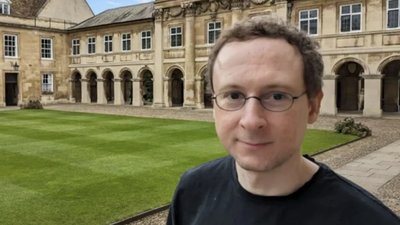

Urge Met Police to investigate Nathan Cofnas's statements
The Issue
We, the undersigned, call on the Metropolitan Police Service to formally assess and investigate Nathan Cofnas's public statements about alleged biological and intellectual differences between racial groups, and to consider whether they meet the legal threshold for offences under the Public Order Act 1986.
In a publicly delivered talk subsequently circulated on social media, Cofnas made claims about alleged differences in brain size between racial populations, asserting that Africans have the smallest brains and East Asians the largest, before associating these claims with differences in intelligence. He stated: “just in terms of overall brain size, there are substantial differences, with Africans having the smallest and East Asians having the largest". Cofnas then claimed that this aligned with IQ trends. "They can scream all they want, they can throw stuff at us, but that's how it is”
These statements contribute to the promotion of racial hierarchies and narratives of inherent intellectual superiority and inferiority based on race. His subsequent remarks also suggest an awareness that these claims would provoke a strong reaction, which he appears prepared to dismiss
WHY THIS MATTERS
The public presentation of racial groups as biologically and intellectually unequal has consequences. History demonstrates that the dehumanisation of Black people through claims of biological and intellectual inferiority was used to justify slavery and colonial exploitation and other forms of racial oppression. The portrayal of African people as intellectually inferior and, by extension, less human was deliberately used to rationalise extreme violence and exploitation that deprived them of their autonomy and justify the removal of fundamental rights and freedoms. These ideas helped establish and maintain systems that treated Black people as property rather than human beings entitled to dignity, equality, and protection under the law.
This history matters because racial hierarchies are not separate from the inequalities they have historically been used to justify. Statements that present racial groups as inherently unequal risk reviving and legitimising ideas that have previously been used to justify violent discrimination and the denial of human rights. Dehumanisation through racial hierarchies has historically been a precursor to the normalisation of unequal treatment and the erosion of fundamental human rights.
The psychological consequences must also be recognised. For young Black students and other students of colour, encountering claims of inherent racial intellectual inferiority presented as scientific or academic discourse can reinforce the damaging suggestion that their intellectual abilities and achievements are inherently questionable due to their racial background.
Particularly concerning is the institutional platform on which these statements were delivered. Academic institutions carry considerable authority and public credibility. When an institution provides a platform for views presenting these false claims as legitimate, it risks lending authority to misinformation and reinforcing racist ideas. This raises serious questions about institutional responsibility, duty of care and the potential consequences for communities targeted by such rhetoric.
We are also concerned about the wider context of Cofnas's publicly expressed views concerning Black representation and achievement in academia. We believe these statements, alongside his comments about racial differences in intelligence, warrant consideration when assessing the potential implications of his remarks.
Given the historical consequences of racial dehumanisation and the use of biological differences to justify racial oppression, we believe these matters deserve serious scrutiny.
We therefore call on the Metropolitan Police to investigate whether the statements, considered in their full context, meet the statutory threshold for stirring up racial hatred under Sections 18, 19 and 21 of the Public Order Act 1986.
OUR CALL TO THE METROPOLITAN POLICE: TAKE ACTION
We call on the Metropolitan Police Service to:
1. Formally record and assess the complaint concerning these public statements.
2. Investigate whether the material meets the statutory threshold for stirring up racial hatred under Sections 18, 19 and 21 of the Public Order Act 1986.
3. Examine the public statements, their wording, context, intended audience and his intended social media circulation, including whether Section 21 applies.
4. Consider the wider context of Cofnas's publicly documented statements about race, intelligence and Black academic representation.
5. Examine the circumstances surrounding the organisation and institutional platforming of the talk.
6. Provide a clear explanation of the outcome of its assessment and the reasons for any decision.
We are asking the police to properly assess whether the statutory threshold for stirring up racial hatred has been met and whether the specific statements and associated conduct may constitute offences under existing legislation. Racial prejudice should not be normalised or given legitimacy through public and academic platforms without scrutiny. We therefore call on the Metropolitan Police to take this complaint seriously, conduct an appropriate assessment and provide a transparent response.
Please sign this petition to support a formal police investigation and to affirm that the welfare of Black communities and people of colour must be taken seriously.

249
The Issue
We, the undersigned, call on the Metropolitan Police Service to formally assess and investigate Nathan Cofnas's public statements about alleged biological and intellectual differences between racial groups, and to consider whether they meet the legal threshold for offences under the Public Order Act 1986.
In a publicly delivered talk subsequently circulated on social media, Cofnas made claims about alleged differences in brain size between racial populations, asserting that Africans have the smallest brains and East Asians the largest, before associating these claims with differences in intelligence. He stated: “just in terms of overall brain size, there are substantial differences, with Africans having the smallest and East Asians having the largest". Cofnas then claimed that this aligned with IQ trends. "They can scream all they want, they can throw stuff at us, but that's how it is”
These statements contribute to the promotion of racial hierarchies and narratives of inherent intellectual superiority and inferiority based on race. His subsequent remarks also suggest an awareness that these claims would provoke a strong reaction, which he appears prepared to dismiss
WHY THIS MATTERS
The public presentation of racial groups as biologically and intellectually unequal has consequences. History demonstrates that the dehumanisation of Black people through claims of biological and intellectual inferiority was used to justify slavery and colonial exploitation and other forms of racial oppression. The portrayal of African people as intellectually inferior and, by extension, less human was deliberately used to rationalise extreme violence and exploitation that deprived them of their autonomy and justify the removal of fundamental rights and freedoms. These ideas helped establish and maintain systems that treated Black people as property rather than human beings entitled to dignity, equality, and protection under the law.
This history matters because racial hierarchies are not separate from the inequalities they have historically been used to justify. Statements that present racial groups as inherently unequal risk reviving and legitimising ideas that have previously been used to justify violent discrimination and the denial of human rights. Dehumanisation through racial hierarchies has historically been a precursor to the normalisation of unequal treatment and the erosion of fundamental human rights.
The psychological consequences must also be recognised. For young Black students and other students of colour, encountering claims of inherent racial intellectual inferiority presented as scientific or academic discourse can reinforce the damaging suggestion that their intellectual abilities and achievements are inherently questionable due to their racial background.
Particularly concerning is the institutional platform on which these statements were delivered. Academic institutions carry considerable authority and public credibility. When an institution provides a platform for views presenting these false claims as legitimate, it risks lending authority to misinformation and reinforcing racist ideas. This raises serious questions about institutional responsibility, duty of care and the potential consequences for communities targeted by such rhetoric.
We are also concerned about the wider context of Cofnas's publicly expressed views concerning Black representation and achievement in academia. We believe these statements, alongside his comments about racial differences in intelligence, warrant consideration when assessing the potential implications of his remarks.
Given the historical consequences of racial dehumanisation and the use of biological differences to justify racial oppression, we believe these matters deserve serious scrutiny.
We therefore call on the Metropolitan Police to investigate whether the statements, considered in their full context, meet the statutory threshold for stirring up racial hatred under Sections 18, 19 and 21 of the Public Order Act 1986.
OUR CALL TO THE METROPOLITAN POLICE: TAKE ACTION
We call on the Metropolitan Police Service to:
1. Formally record and assess the complaint concerning these public statements.
2. Investigate whether the material meets the statutory threshold for stirring up racial hatred under Sections 18, 19 and 21 of the Public Order Act 1986.
3. Examine the public statements, their wording, context, intended audience and his intended social media circulation, including whether Section 21 applies.
4. Consider the wider context of Cofnas's publicly documented statements about race, intelligence and Black academic representation.
5. Examine the circumstances surrounding the organisation and institutional platforming of the talk.
6. Provide a clear explanation of the outcome of its assessment and the reasons for any decision.
We are asking the police to properly assess whether the statutory threshold for stirring up racial hatred has been met and whether the specific statements and associated conduct may constitute offences under existing legislation. Racial prejudice should not be normalised or given legitimacy through public and academic platforms without scrutiny. We therefore call on the Metropolitan Police to take this complaint seriously, conduct an appropriate assessment and provide a transparent response.
Please sign this petition to support a formal police investigation and to affirm that the welfare of Black communities and people of colour must be taken seriously.
The Decision Makers
Supporter Voices
Petition Updates
Share this petition
Petition created on 21 November 2026