

Support Arkansas HB1045: Requirements for Crop Residue Burning
The Issue
Disclosure: After signing, Change.org will ask for a donation. This donation does not go to the author or any supporters of the petition. If you choose to donate, it will go to Change.org. Be please be advised. Garrett Barnes is currently a Justice of the Peace in Craighead County, Arkansas and authored this petition after being requested to do so by several constituents of not only his district but throughout Craighead County.
Per the Arkansas Farm Bureau, agriculture contributes more than $21 billion annually to Arkansas's economy. In the United States, Arkansas ranks #1 in rice production, #3 in cotton production, and over 230,000 jobs are created in Arkansas by the agriculture industry alone. Our state's economy and global food security relies on Arkansas agriculture.
We Support:
- Opposing policies that are detrimental to Arkansas's national and global agricultural standing. We are not seeking a statewide ban on crop burning.
- Having safe, sustainable, and enforceable crop residue management requirements in Arkansas that are enforced. Under current state law, there are no laws for enforcing recommended guidelines. Ideally, burning would become mostly, if not entirely, obsolete through alternative methods and financial incentives for such methods.
- Leveraging the knowledge and concerns of citizens, farmers, physicians, legislators, and state & federal agricultural employees to draft crop residue management requirements for Arkansas.
- The Arkansas General Assembly, while in its regular session beginning January 13, 2025, passing sustainable crop residue burning management requirements that will promote public safety, health, and a robust Arkansas agricultural industry for future generations.
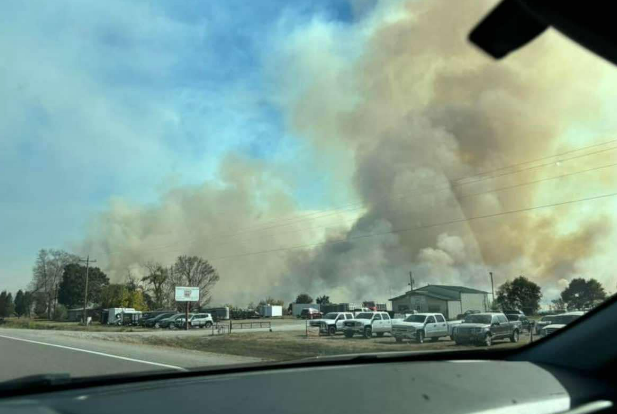
Current Arkansas Law
In Arkansas, crop burning is currently and most notably protected by Arkansas Code Annotated 5-38-310 (Unlawful Burning) and Arkansas Code Annotated 2-4-101 (Right to Farm). In Arkansas, there are only guidelines but there is zero enforcement for following them. This means existing Arkansas law prohibits state agencies, counties, and cities from enacting and enforcing any rules for crop burnings that would improve public safety, health, and air quality.
Call to Action Now HB1045 Has Been Filed
- Share with friends, family, and neighbors. Especially share with others in different Arkansas counties.
- When HB1045 is in committee (if you signed, you will receive a reminder via an email or text), you will receive information on how to notify committee members at the Capitol.
- When legislation is on the floor, we will remind you to contact your local legislators and ask them to support its final passage.
- Use the "We Believe In" at the top of the petition as talking points when engaging with others as well as the article (below) by Dr. Warren Skaug (Jonesboro).

Legislator Spotlight
We are grateful for the legislative efforts already made by State Representative Fran Cavenaugh (District 30-Arkansas), and perhaps others, and look forward to working with her to support safe and sustainable crop residue management requirements in Arkansas. HB1045 is a smart step in the right direction for keeping Arkansas agriculture sustainable and safe for all.
2017 Article/Study by Dr. Warren Skaug
Title: "Agricultural Burning in NE Arkansas: What It’s Costing Us".
Click here for the full study.
What’s in agricultural smoke?
Carbon monoxide, nitrous oxides, ammonia, sulfur dioxide, ozone and particulate carbon constitute the major known toxins. These pollutants produce a significant health hazard; they’re not just a nuisance. One of the most harmful (and best studied) components is small particulate carbon (PM 2.5). That substance alone is known to produce the very symptoms we see in our patients: exacerbation of wheezing and decreased lung function in asthmatics – especially children, increased frequency and severity of respiratory infections, and greater respiratory effort and lower oxygen levels in adult patients with COPD. Chronic exposure has been shown to increase risk of death from respiratory and cardiac causes in older Americans. There is good evidence that even modest elevations of particulate carbon produce adverse health consequences, and there appears to be no “safe” level below which there are no ill effects. How do we know? A great volume of data from the EPA and multiple independent studies show these effects.
Resources
Click Here to find your Arkansas State Representative.
Click Here to find your Arkansas State Senator.
Click Here to follow the 2025 Arkansas Legislative Session
Click Here for information on the "Right to Farm" law in Arkansas.
Click Here for information on the "Unlawful Burning" law in Arkansas.
Attn: Pg. 3 & 4 on the "Unlawful Burning" law.
About the Petition Author
Garrett Barnes is 36 years old and is currently the Justice of the Peace for District 2 in Craighead County, Arkansas. He was unopposed for a second term in the 2024 election cycle. This petition was drafted by Barnes and concerned constituents of not just District 2 but throughout Craighead County, Arkansas.
He is married to Maggie Barnes and they have two small children Tate (4) and Harvey (2). Click here for his contact information. He is available during non-school hours.

601
The Issue
Disclosure: After signing, Change.org will ask for a donation. This donation does not go to the author or any supporters of the petition. If you choose to donate, it will go to Change.org. Be please be advised. Garrett Barnes is currently a Justice of the Peace in Craighead County, Arkansas and authored this petition after being requested to do so by several constituents of not only his district but throughout Craighead County.
Per the Arkansas Farm Bureau, agriculture contributes more than $21 billion annually to Arkansas's economy. In the United States, Arkansas ranks #1 in rice production, #3 in cotton production, and over 230,000 jobs are created in Arkansas by the agriculture industry alone. Our state's economy and global food security relies on Arkansas agriculture.
We Support:
- Opposing policies that are detrimental to Arkansas's national and global agricultural standing. We are not seeking a statewide ban on crop burning.
- Having safe, sustainable, and enforceable crop residue management requirements in Arkansas that are enforced. Under current state law, there are no laws for enforcing recommended guidelines. Ideally, burning would become mostly, if not entirely, obsolete through alternative methods and financial incentives for such methods.
- Leveraging the knowledge and concerns of citizens, farmers, physicians, legislators, and state & federal agricultural employees to draft crop residue management requirements for Arkansas.
- The Arkansas General Assembly, while in its regular session beginning January 13, 2025, passing sustainable crop residue burning management requirements that will promote public safety, health, and a robust Arkansas agricultural industry for future generations.
Current Arkansas Law
In Arkansas, crop burning is currently and most notably protected by Arkansas Code Annotated 5-38-310 (Unlawful Burning) and Arkansas Code Annotated 2-4-101 (Right to Farm). In Arkansas, there are only guidelines but there is zero enforcement for following them. This means existing Arkansas law prohibits state agencies, counties, and cities from enacting and enforcing any rules for crop burnings that would improve public safety, health, and air quality.
Call to Action Now HB1045 Has Been Filed
- Share with friends, family, and neighbors. Especially share with others in different Arkansas counties.
- When HB1045 is in committee (if you signed, you will receive a reminder via an email or text), you will receive information on how to notify committee members at the Capitol.
- When legislation is on the floor, we will remind you to contact your local legislators and ask them to support its final passage.
- Use the "We Believe In" at the top of the petition as talking points when engaging with others as well as the article (below) by Dr. Warren Skaug (Jonesboro).
Legislator Spotlight
We are grateful for the legislative efforts already made by State Representative Fran Cavenaugh (District 30-Arkansas), and perhaps others, and look forward to working with her to support safe and sustainable crop residue management requirements in Arkansas. HB1045 is a smart step in the right direction for keeping Arkansas agriculture sustainable and safe for all.
2017 Article/Study by Dr. Warren Skaug
Title: "Agricultural Burning in NE Arkansas: What It’s Costing Us".
Click here for the full study.
What’s in agricultural smoke?
Carbon monoxide, nitrous oxides, ammonia, sulfur dioxide, ozone and particulate carbon constitute the major known toxins. These pollutants produce a significant health hazard; they’re not just a nuisance. One of the most harmful (and best studied) components is small particulate carbon (PM 2.5). That substance alone is known to produce the very symptoms we see in our patients: exacerbation of wheezing and decreased lung function in asthmatics – especially children, increased frequency and severity of respiratory infections, and greater respiratory effort and lower oxygen levels in adult patients with COPD. Chronic exposure has been shown to increase risk of death from respiratory and cardiac causes in older Americans. There is good evidence that even modest elevations of particulate carbon produce adverse health consequences, and there appears to be no “safe” level below which there are no ill effects. How do we know? A great volume of data from the EPA and multiple independent studies show these effects.
Resources
Click Here to find your Arkansas State Representative.
Click Here to find your Arkansas State Senator.
Click Here to follow the 2025 Arkansas Legislative Session
Click Here for information on the "Right to Farm" law in Arkansas.
Click Here for information on the "Unlawful Burning" law in Arkansas.
Attn: Pg. 3 & 4 on the "Unlawful Burning" law.
About the Petition Author
Garrett Barnes is 36 years old and is currently the Justice of the Peace for District 2 in Craighead County, Arkansas. He was unopposed for a second term in the 2024 election cycle. This petition was drafted by Barnes and concerned constituents of not just District 2 but throughout Craighead County, Arkansas.
He is married to Maggie Barnes and they have two small children Tate (4) and Harvey (2). Click here for his contact information. He is available during non-school hours.
Supporter Voices
Petition Updates
Share this petition
Petition created on October 23, 2024