Stop the solar farm in Robin Hood End
The Issue
Living in Robin Hood End has given me a profound appreciation for the tranquility and unspoiled beauty of our countryside. The very essence of our village and the surrounding areas is steeped in natural charm, offering a sanctuary from the hustle and bustle of modern life. However, the recent proposal to build a solar farm here threatens to devastate the serene environment we hold dear.
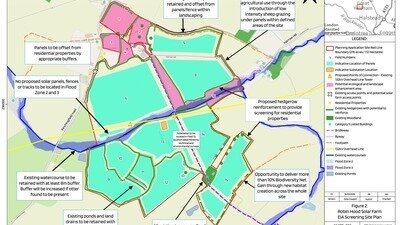
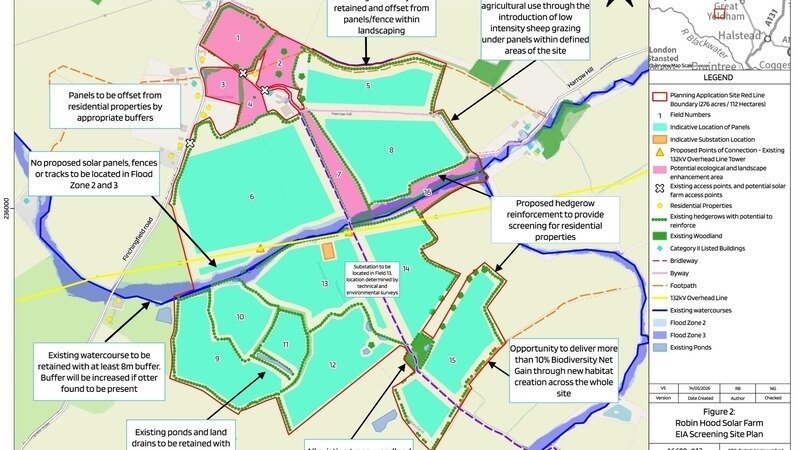
The planned solar farm, sprawling over 276 acres, would fundamentally alter the landscape, replacing lush fields and thriving ecosystems with sterile panels. This not only poses a serious threat to local wildlife but also significantly diminishes the aesthetic value of our countryside. Villagers, like myself, cherish the harmony with nature that Robin Hood End provides, and this project risks destroying a legacy that generations before us have nurtured.
Numerous studies have pointed out that while renewable energy is crucial, location matters tremendously. Building such an extensive solar farm in a region like ours, rich in biodiversity, may cause more harm than good. Nationally, there are numerous alternative sites, previously industrial locations or brownfields, more suitable for such developments without degrading the beauty and balance of rural areas like ours.
We urge local planning authorities to reconsider this proposal, assess alternative solutions, and engage genuinely with local residents to explore options that respect both our need for green energy and the preservation of our cherished countryside.
We must act now to protect Robin Hood End and its surrounding villages from irreversible change. Please sign this petition to send a clear message that we value the natural beauty and ecological integrity of our home and are committed to finding sustainable solutions that don’t come at the cost of our environment.
1. ROAD INFRASTRUCTURE – WHOLLY INADEQUATE FOR CONSTRUCTION TRAFFIC
The lanes serving Robin Hood End are almost single-track rural roads, in many places too narrow for two standard vehicles to pass simultaneously. They were not designed, built, or maintained to accommodate heavy construction vehicles, delivery lorries, or the volume and weight of traffic that a solar farm development would generate during its construction, maintenance, and decommissioning phases.
The introduction of large construction vehicles would pose an unacceptable and demonstrable risk to road safety, would cause serious damage to the road surface and verges, and would create dangerous conditions for all road users. We respectfully submit that no adequate traffic management solution exists for roads of this nature, and that this alone constitutes sufficient grounds for refusal.
2. SAFETY OF CHILDREN
Robin Hood End is a community with a significant number of young children who use the village lanes daily, on foot, by bicycle, by horse and as pedestrians travelling to other villages houses. The introduction of heavy construction traffic on roads with no pavements, passing places, or safe refuges would place children at severe and unacceptable risk of serious injury or death.
This is not a speculative concern, it is an inevitable consequence of routing industrial-scale construction traffic through a single-track rural lane with no pedestrian infrastructure whatsoever.
3. IMPACT ON HORSES AND EQUESTRIAN USERS
Robin Hood End has a well-established equestrian community. Horses are regularly ridden on and along the village lanes and, critically, along the public byway that runs through the proposed development site. The development as proposed would sit on either side of this byway, the very route our community relies upon for safe and lawful equestrian access to the surrounding countryside.
This is deeply concerning for several reasons:
Firstly, horses are flight animals and are known to react unpredictably to sudden noise, large vehicles, and unfamiliar industrial structures. Riding through a corridor of solar panels, inverters, and associated infrastructure, with all the noise and visual disturbance that entails, would create genuinely dangerous conditions for horses and their riders. The risk of serious accidents on this byway during both the construction phase and the operational lifetime of the development is unacceptably high.
Secondly, and of particular concern, the construction and eventual decommissioning phases of this development would effectively render the byway entirely inaccessible to equestrian users for their duration. The presence of heavy machinery, HGVs, and active construction works in close proximity to, and on either side of the byway would make it wholly unsafe and impractical for horses and riders to use. This is not a minor or temporary inconvenience; it represents the complete loss of our community's only safe equestrian access route to the surrounding countryside for what could be a prolonged period. Equestrian users would have no viable alternative route.
Thirdly, even once operational, the proposed development would permanently transform a peaceful, open countryside byway into an industrial corridor flanked on both sides by solar infrastructure. This would constitute a severe and lasting visual intrusion entirely at odds with the rural character of the right of way and the wider landscape. The enjoyment of this byway, a public asset, would be fundamentally and irreversibly diminished for all users.
We ask the Council to give significant weight to the impact on this public byway across all phases of the development, construction, operation, and decommissioning, both in terms of safety and the loss of amenity for equestrian and other users who depend upon it.
4. LANDSCAPE AND LOSS OF AGRICULTURAL LAND
Robin Hood End is a small, rural hamlet characterised by open countryside and working farmland. The proposed solar farm would fundamentally and irreversibly alter the character of this landscape for the duration of its operational life. The loss of productive agricultural land to an industrial energy installation is a concern shared nationally, with organisations such as the CPRE calling for agricultural land to be protected for food production. We echo this concern strongly.
5. NOISE AND DISTURBANCE TO RESIDENTS AND WILDLIFE
The construction phase would generate sustained noise, vibration, and disruption entirely out of keeping with the quiet, rural character of Robin Hood End. Beyond construction, the ongoing operation of inverters and maintenance vehicles would introduce a permanent change to the acoustic environment of this small community.
6. CUMULATIVE IMPACT
If approved, would set a precedent for further similar developments in the area, and to assess the cumulative landscape and infrastructure impact accordingly.
563
The Issue
Living in Robin Hood End has given me a profound appreciation for the tranquility and unspoiled beauty of our countryside. The very essence of our village and the surrounding areas is steeped in natural charm, offering a sanctuary from the hustle and bustle of modern life. However, the recent proposal to build a solar farm here threatens to devastate the serene environment we hold dear.
The planned solar farm, sprawling over 276 acres, would fundamentally alter the landscape, replacing lush fields and thriving ecosystems with sterile panels. This not only poses a serious threat to local wildlife but also significantly diminishes the aesthetic value of our countryside. Villagers, like myself, cherish the harmony with nature that Robin Hood End provides, and this project risks destroying a legacy that generations before us have nurtured.
Numerous studies have pointed out that while renewable energy is crucial, location matters tremendously. Building such an extensive solar farm in a region like ours, rich in biodiversity, may cause more harm than good. Nationally, there are numerous alternative sites, previously industrial locations or brownfields, more suitable for such developments without degrading the beauty and balance of rural areas like ours.
We urge local planning authorities to reconsider this proposal, assess alternative solutions, and engage genuinely with local residents to explore options that respect both our need for green energy and the preservation of our cherished countryside.
We must act now to protect Robin Hood End and its surrounding villages from irreversible change. Please sign this petition to send a clear message that we value the natural beauty and ecological integrity of our home and are committed to finding sustainable solutions that don’t come at the cost of our environment.
1. ROAD INFRASTRUCTURE – WHOLLY INADEQUATE FOR CONSTRUCTION TRAFFIC
The lanes serving Robin Hood End are almost single-track rural roads, in many places too narrow for two standard vehicles to pass simultaneously. They were not designed, built, or maintained to accommodate heavy construction vehicles, delivery lorries, or the volume and weight of traffic that a solar farm development would generate during its construction, maintenance, and decommissioning phases.
The introduction of large construction vehicles would pose an unacceptable and demonstrable risk to road safety, would cause serious damage to the road surface and verges, and would create dangerous conditions for all road users. We respectfully submit that no adequate traffic management solution exists for roads of this nature, and that this alone constitutes sufficient grounds for refusal.
2. SAFETY OF CHILDREN
Robin Hood End is a community with a significant number of young children who use the village lanes daily, on foot, by bicycle, by horse and as pedestrians travelling to other villages houses. The introduction of heavy construction traffic on roads with no pavements, passing places, or safe refuges would place children at severe and unacceptable risk of serious injury or death.
This is not a speculative concern, it is an inevitable consequence of routing industrial-scale construction traffic through a single-track rural lane with no pedestrian infrastructure whatsoever.
3. IMPACT ON HORSES AND EQUESTRIAN USERS
Robin Hood End has a well-established equestrian community. Horses are regularly ridden on and along the village lanes and, critically, along the public byway that runs through the proposed development site. The development as proposed would sit on either side of this byway, the very route our community relies upon for safe and lawful equestrian access to the surrounding countryside.
This is deeply concerning for several reasons:
Firstly, horses are flight animals and are known to react unpredictably to sudden noise, large vehicles, and unfamiliar industrial structures. Riding through a corridor of solar panels, inverters, and associated infrastructure, with all the noise and visual disturbance that entails, would create genuinely dangerous conditions for horses and their riders. The risk of serious accidents on this byway during both the construction phase and the operational lifetime of the development is unacceptably high.
Secondly, and of particular concern, the construction and eventual decommissioning phases of this development would effectively render the byway entirely inaccessible to equestrian users for their duration. The presence of heavy machinery, HGVs, and active construction works in close proximity to, and on either side of the byway would make it wholly unsafe and impractical for horses and riders to use. This is not a minor or temporary inconvenience; it represents the complete loss of our community's only safe equestrian access route to the surrounding countryside for what could be a prolonged period. Equestrian users would have no viable alternative route.
Thirdly, even once operational, the proposed development would permanently transform a peaceful, open countryside byway into an industrial corridor flanked on both sides by solar infrastructure. This would constitute a severe and lasting visual intrusion entirely at odds with the rural character of the right of way and the wider landscape. The enjoyment of this byway, a public asset, would be fundamentally and irreversibly diminished for all users.
We ask the Council to give significant weight to the impact on this public byway across all phases of the development, construction, operation, and decommissioning, both in terms of safety and the loss of amenity for equestrian and other users who depend upon it.
4. LANDSCAPE AND LOSS OF AGRICULTURAL LAND
Robin Hood End is a small, rural hamlet characterised by open countryside and working farmland. The proposed solar farm would fundamentally and irreversibly alter the character of this landscape for the duration of its operational life. The loss of productive agricultural land to an industrial energy installation is a concern shared nationally, with organisations such as the CPRE calling for agricultural land to be protected for food production. We echo this concern strongly.
5. NOISE AND DISTURBANCE TO RESIDENTS AND WILDLIFE
The construction phase would generate sustained noise, vibration, and disruption entirely out of keeping with the quiet, rural character of Robin Hood End. Beyond construction, the ongoing operation of inverters and maintenance vehicles would introduce a permanent change to the acoustic environment of this small community.
6. CUMULATIVE IMPACT
If approved, would set a precedent for further similar developments in the area, and to assess the cumulative landscape and infrastructure impact accordingly.
Supporter Voices
Petition Updates
Share this petition
Petition created on 19 May 2026