
Stop the Death Trap: Mandate Protective Engine Mesh to Save Animals and Cars
O problema
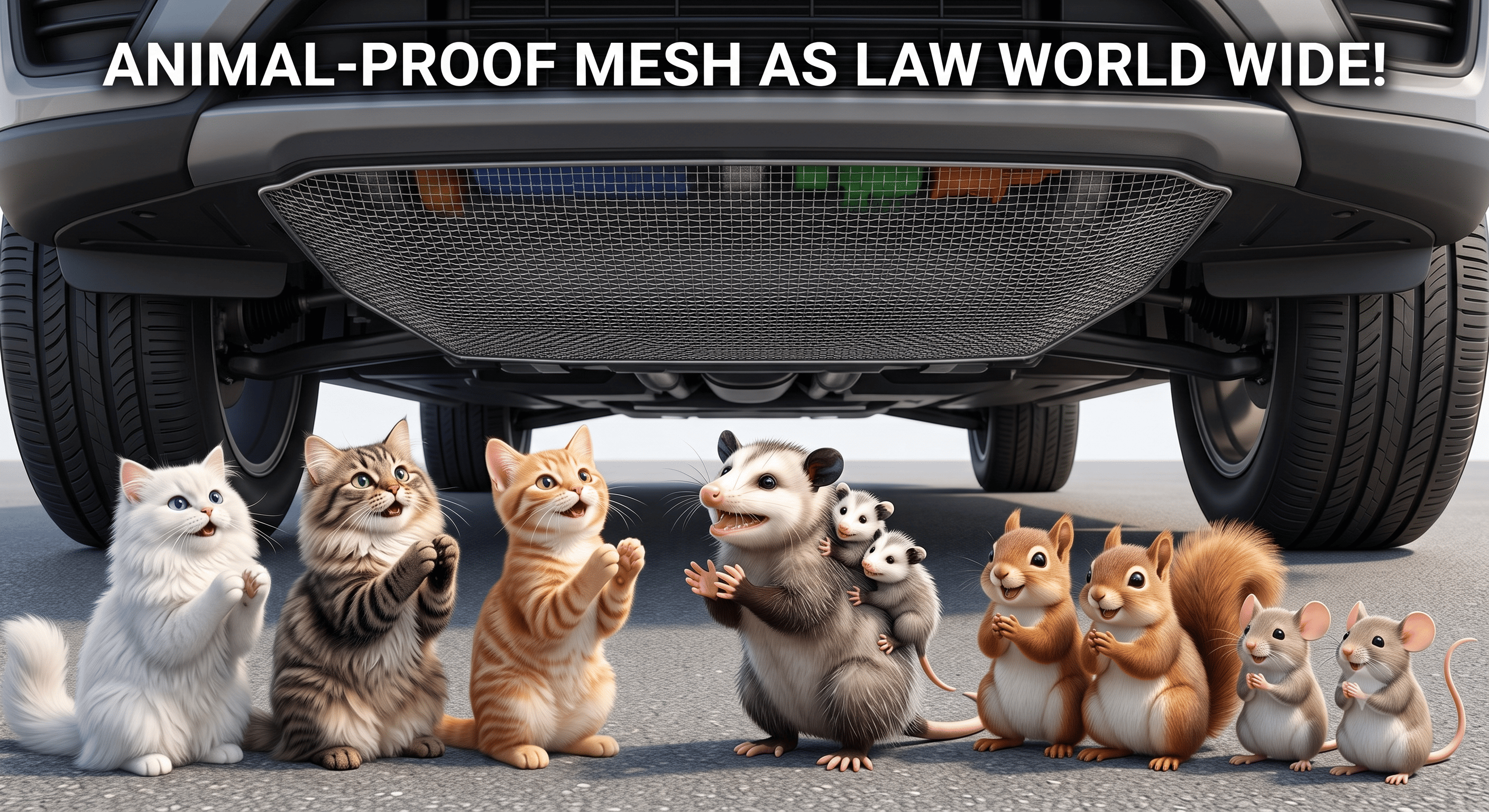
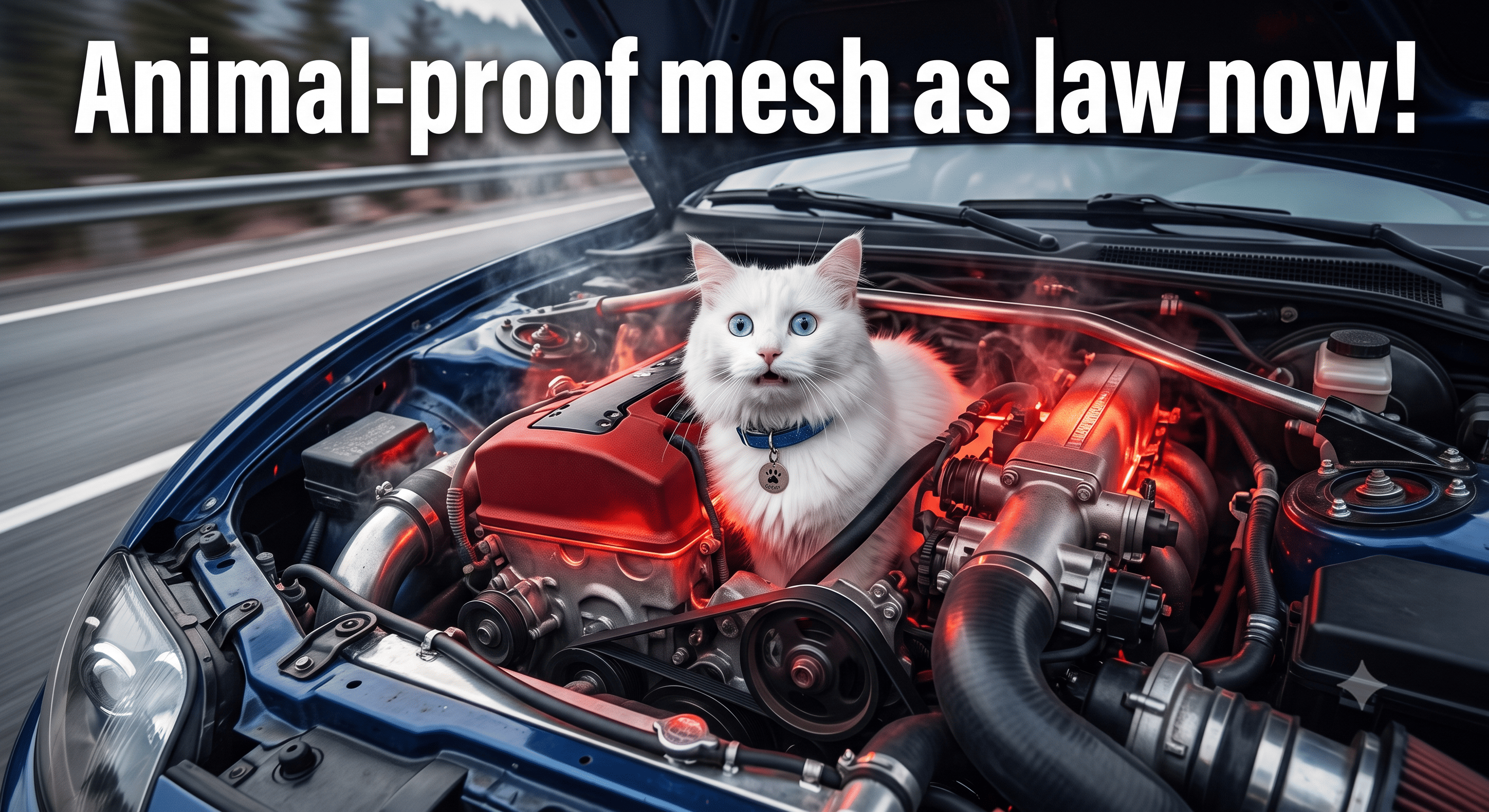
Every single day, thousands of animals around the globe seek shelter in what seems to them like the perfect sanctuary: the warm, dark, and enclosed space underneath a car hood. Stray cats, beloved family pets, opossums, squirrels, and birds—all of them treat the open bottom of a car engine as a protective den.
However, this sanctuary quickly turns into a horrific death trap. When a driver turns the ignition, these animals face a slow agony of extreme heat, moving belts, and suffocating fumes. Most do not survive.
The Scale of the Damage: Animal Suffering and Mechanical Chaos
This is not a rare occurrence; it is a global, daily phenomenon. In urban areas, rescue organizations and veterinarians report that thousands of both stray and domestic pets are severely injured or killed every year.
But the tragedy doesn't stop at the loss of innocent life. For the vehicle owner, this creates massive, costly, and dangerous mechanical failures:
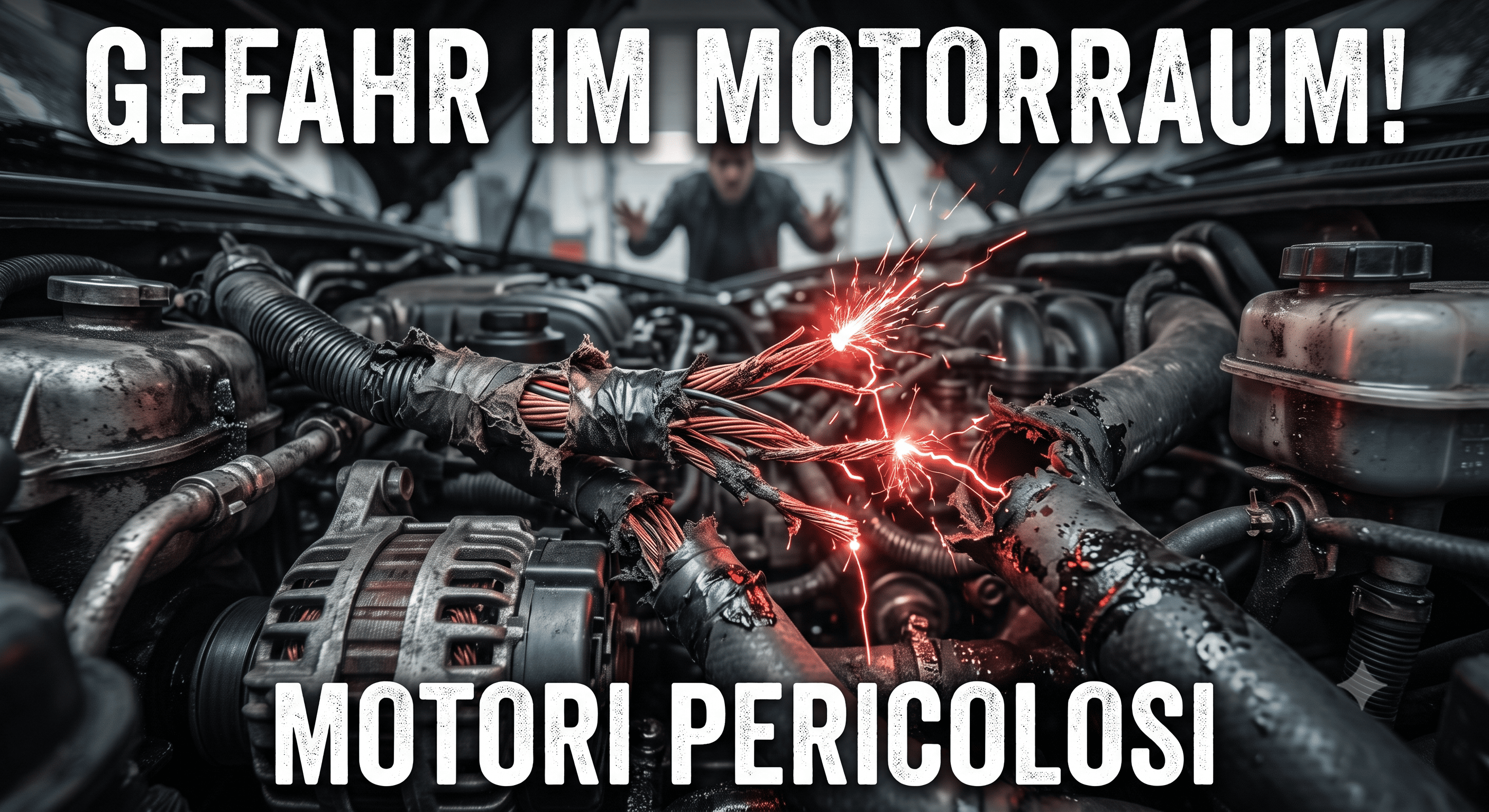
Chewed Wiring and Hoses: Rodents and small mammals chew through vital electrical components, causing sudden engine failure.
Belt and Pulley Damage: Animals getting caught in the serpentine belts can cause them to snap, destroying the alternator or power steering while driving.
Fire Hazards: Bio-matter trapped near the exhaust manifold poses a severe risk of sudden vehicle fires.
Why does this happen? Because car manufacturers leave the bottom of the engine bay completely exposed to the road.
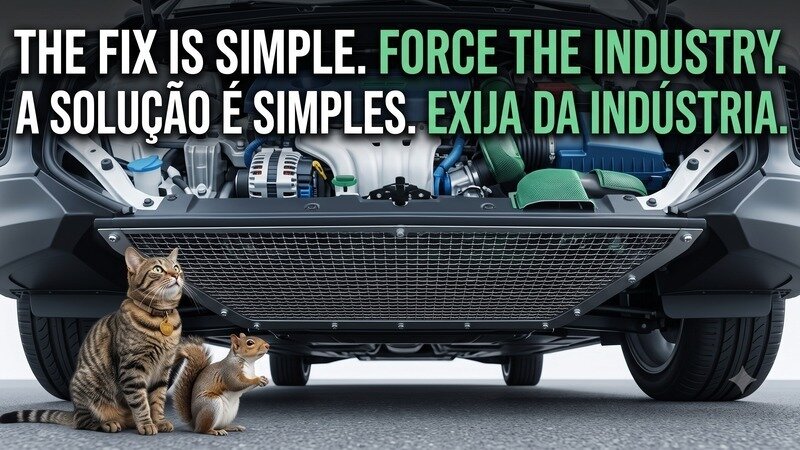
The solution is incredibly simple, cost-effective, and permanent: Engine Bay Protective Mesh Grilles. A heavy-duty, heat-resistant, perforated metal or composite mesh installed at the bottom of the engine bay would allow for proper ventilation and heat dissipation while making it physically impossible for any animal to crawl inside.
Our Demand
We are calling on major automakers and international transport safety authorities to mandate the installation of under-engine protective grilles in all new vehicle models. It is a minor manufacturing adjustment that will save millions of animal lives and protect consumers from catastrophic vehicular damage.
How you can help right now:
Sign this petition to demand that automotive safety boards and manufacturers take immediate action.
Adopt the "Hood Tap" Habit: Until the industry changes, knock loudly on your car hood and check your wheel wells before starting the engine to give trapped animals a chance to escape.
Join the Movement on Social Media: Follow our official page on Instagram @mesh.as.law for updates, and share your support using our official hashtag #meshaslaw to help this campaign go viral!

167
O problema
Every single day, thousands of animals around the globe seek shelter in what seems to them like the perfect sanctuary: the warm, dark, and enclosed space underneath a car hood. Stray cats, beloved family pets, opossums, squirrels, and birds—all of them treat the open bottom of a car engine as a protective den.
However, this sanctuary quickly turns into a horrific death trap. When a driver turns the ignition, these animals face a slow agony of extreme heat, moving belts, and suffocating fumes. Most do not survive.
The Scale of the Damage: Animal Suffering and Mechanical Chaos
This is not a rare occurrence; it is a global, daily phenomenon. In urban areas, rescue organizations and veterinarians report that thousands of both stray and domestic pets are severely injured or killed every year.
But the tragedy doesn't stop at the loss of innocent life. For the vehicle owner, this creates massive, costly, and dangerous mechanical failures:
Chewed Wiring and Hoses: Rodents and small mammals chew through vital electrical components, causing sudden engine failure.
Belt and Pulley Damage: Animals getting caught in the serpentine belts can cause them to snap, destroying the alternator or power steering while driving.
Fire Hazards: Bio-matter trapped near the exhaust manifold poses a severe risk of sudden vehicle fires.
Why does this happen? Because car manufacturers leave the bottom of the engine bay completely exposed to the road.
The solution is incredibly simple, cost-effective, and permanent: Engine Bay Protective Mesh Grilles. A heavy-duty, heat-resistant, perforated metal or composite mesh installed at the bottom of the engine bay would allow for proper ventilation and heat dissipation while making it physically impossible for any animal to crawl inside.
Our Demand
We are calling on major automakers and international transport safety authorities to mandate the installation of under-engine protective grilles in all new vehicle models. It is a minor manufacturing adjustment that will save millions of animal lives and protect consumers from catastrophic vehicular damage.
How you can help right now:
Sign this petition to demand that automotive safety boards and manufacturers take immediate action.
Adopt the "Hood Tap" Habit: Until the industry changes, knock loudly on your car hood and check your wheel wells before starting the engine to give trapped animals a chance to escape.
Join the Movement on Social Media: Follow our official page on Instagram @mesh.as.law for updates, and share your support using our official hashtag #meshaslaw to help this campaign go viral!
Os tomadores de decisão


Mensagens de apoiadores
Atualizações do abaixo-assinado
Compartilhar este abaixo-assinado
Abaixo-assinado criado em 19 de julho de 2026