Stop Cyberbullying Among Mental Health Professionals
The Issue
Dear mental health professional organizations,
Problematic uses of digital technology, such as cyberbullying, have been used by counseling professionals towards targeted individuals. Specifically, mental health professionals have been recently called out by others for patterns of cyberbullying via the Twitter social media platform. This same pattern of behavior has also been used as retaliation towards individuals who have spoken up against the use of this behavior in ways that have entailed and enabled racism, ableism, sexism, heteronormativity, cisgenderism, stigmatization of people with mental illness symptoms and diagnoses, and other forms of prejudice, discrimination, and bigotry.
This petition applies to all professional organizations in the mental health field. These organizations include, but are not limited to, the American Counseling Association, the American Psychological Association, the American Psychiatric Association, the National Association of Social Workers, the National Association of School Psychologists, the American School Counselor Association, and the American Association for Marriage and Family Therapy.
Cyberbullying and related problematic behaviors are known to be associated with self-harm, suicidal ideation and attempts, symptoms of Posttraumatic Stress Disorder, symptoms of anxiety, and other mental health outcomes. Those who have been targeted have been at risk of a negative impact on their mental health as a result of these behaviors. Moreover, due to the public nature of social media platforms like Twitter, there is a wide audience of mental health professionals, individuals seeking mental health resources, and other users of Twitter, who are vicariously exposed to the cyberbullying that has taken place. This may result in psychological harm, negative perceptions of mental health professions, and, in turn, further barriers to the utilization of mental health professionals.
Examples of cyberbullying and related problematic uses of digital technology by mental health professionals via the Twitter platform have included, but are not limited to:
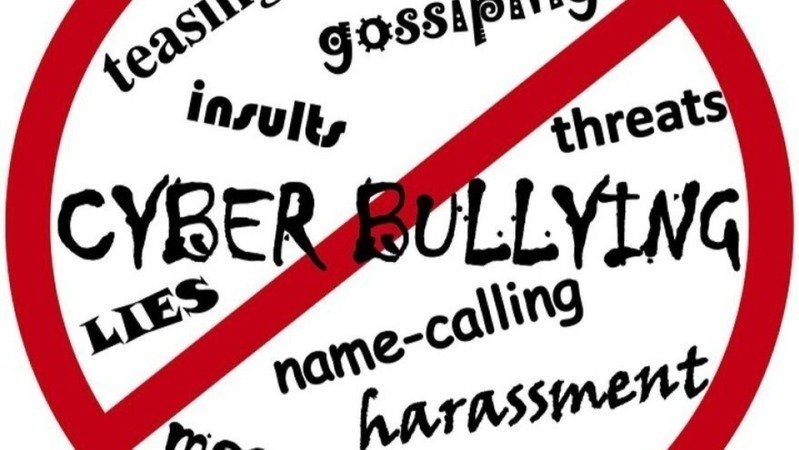
- Instigating conflict with peers and others through the use of flaming and denigrating comments.
- Persistently threatening and intimidating targeted people.
- Doxxing contact information as acts of retaliation for those seeking resolution to conflict.
- Directing followers to target, bully, and harass those who speak up by filing complaints with employers, making board complaints, etc.
- Engaging in overt and covert forms of prejudice and discrimination across race, gender, sexuality, disability, and other identities.
Mental health professions value wellness, well-being, and mental health. Thus, cyberbullying and related behaviors are antithetical and not in alignment with the values of these professions. Despite the incongruence between cyberbullying and counseling professional values, there is a glaring gap in accountability on behalf of professional organizations and systems that exist to oversee mental health professionals to promote professional and ethical conduct within their respective professions. Currently, many ethical codes and guiding documents on professional conduct in our professions often do not address cyberbullying, power-based violence, and other forms of abuse that may occur from professionals in peer interactions outside of the context of counseling, supervisory, educational, and employment relationships. This allows for mental health professionals to freely engage in such acts, so long as they do not cross legal boundaries, with little to no consequence or accountability for the harm that results from these actions. Professional organizations must engage, minimally, in the following actions to initiate accountability and repair for the current outlined behaviors and related harm caused by counselors across social media and cyberspaces.
- Immediately condemn the use of cyberbullying and related acts of power-based violence among professional counselors.
- Develop immediate guidance that discourages the use of cyberbullying and related aggression toward professional peers within organizations, other non-member professionals, and others outside of the profession.
- In the revision of ethical codes, revise and/or add codes that provide minimal and aspirational ethical standards on the following:
- Professional peer relationships that extend beyond the workplace and educational setting (e.g, social media/cyberspaces, professional conferences, etc.).
- Cyberbullying behaviors towards others.
- Oppression and violence (to include racism, sexism, ableism, heteronormativity, cisgenderism, and other forms of bigotry).
- Develop a restorative justice process that mental health professionals under an organization can utilize for navigating interpersonal conflict that entails abusive or violent behaviors towards others.
- Develop professional sanctions to be enacted as a consequence for engagement in patterns of cyberbullying and related forms of problematic uses of digital technology.
987
The Issue
Dear mental health professional organizations,
Problematic uses of digital technology, such as cyberbullying, have been used by counseling professionals towards targeted individuals. Specifically, mental health professionals have been recently called out by others for patterns of cyberbullying via the Twitter social media platform. This same pattern of behavior has also been used as retaliation towards individuals who have spoken up against the use of this behavior in ways that have entailed and enabled racism, ableism, sexism, heteronormativity, cisgenderism, stigmatization of people with mental illness symptoms and diagnoses, and other forms of prejudice, discrimination, and bigotry.
This petition applies to all professional organizations in the mental health field. These organizations include, but are not limited to, the American Counseling Association, the American Psychological Association, the American Psychiatric Association, the National Association of Social Workers, the National Association of School Psychologists, the American School Counselor Association, and the American Association for Marriage and Family Therapy.
Cyberbullying and related problematic behaviors are known to be associated with self-harm, suicidal ideation and attempts, symptoms of Posttraumatic Stress Disorder, symptoms of anxiety, and other mental health outcomes. Those who have been targeted have been at risk of a negative impact on their mental health as a result of these behaviors. Moreover, due to the public nature of social media platforms like Twitter, there is a wide audience of mental health professionals, individuals seeking mental health resources, and other users of Twitter, who are vicariously exposed to the cyberbullying that has taken place. This may result in psychological harm, negative perceptions of mental health professions, and, in turn, further barriers to the utilization of mental health professionals.
Examples of cyberbullying and related problematic uses of digital technology by mental health professionals via the Twitter platform have included, but are not limited to:
- Instigating conflict with peers and others through the use of flaming and denigrating comments.
- Persistently threatening and intimidating targeted people.
- Doxxing contact information as acts of retaliation for those seeking resolution to conflict.
- Directing followers to target, bully, and harass those who speak up by filing complaints with employers, making board complaints, etc.
- Engaging in overt and covert forms of prejudice and discrimination across race, gender, sexuality, disability, and other identities.
Mental health professions value wellness, well-being, and mental health. Thus, cyberbullying and related behaviors are antithetical and not in alignment with the values of these professions. Despite the incongruence between cyberbullying and counseling professional values, there is a glaring gap in accountability on behalf of professional organizations and systems that exist to oversee mental health professionals to promote professional and ethical conduct within their respective professions. Currently, many ethical codes and guiding documents on professional conduct in our professions often do not address cyberbullying, power-based violence, and other forms of abuse that may occur from professionals in peer interactions outside of the context of counseling, supervisory, educational, and employment relationships. This allows for mental health professionals to freely engage in such acts, so long as they do not cross legal boundaries, with little to no consequence or accountability for the harm that results from these actions. Professional organizations must engage, minimally, in the following actions to initiate accountability and repair for the current outlined behaviors and related harm caused by counselors across social media and cyberspaces.
- Immediately condemn the use of cyberbullying and related acts of power-based violence among professional counselors.
- Develop immediate guidance that discourages the use of cyberbullying and related aggression toward professional peers within organizations, other non-member professionals, and others outside of the profession.
- In the revision of ethical codes, revise and/or add codes that provide minimal and aspirational ethical standards on the following:
- Professional peer relationships that extend beyond the workplace and educational setting (e.g, social media/cyberspaces, professional conferences, etc.).
- Cyberbullying behaviors towards others.
- Oppression and violence (to include racism, sexism, ableism, heteronormativity, cisgenderism, and other forms of bigotry).
- Develop a restorative justice process that mental health professionals under an organization can utilize for navigating interpersonal conflict that entails abusive or violent behaviors towards others.
- Develop professional sanctions to be enacted as a consequence for engagement in patterns of cyberbullying and related forms of problematic uses of digital technology.
The Decision Makers
Petition Updates
Share this petition
Petition created on November 20, 2022