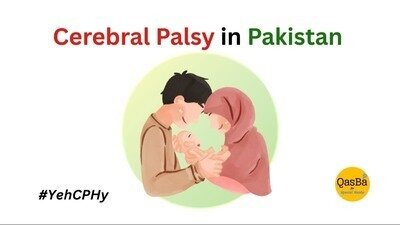

Special Need Families Demand Cerebral Palsy Early Intervention in Pakistan
The Issue
Six Key Points on Cerebral Palsy in Pakistan
جب ہم پاکستانی سپیشل بچون کے والدین کو دیکھتے
ہین تو ہمین اندازہ ہوتا ہے کہ معذوری کیسے پورے گھرانے کو اپنی لپیٹ میں لےلیتی ہے اور کچھ ہی عرصہ مین دیکھ بھال کرنے والے والدین یا بہن بھای نا صرف ذہنی دباو کا شکار ہو جاتے ہین وہ جسمانی معذوری کا بھی شکار ہوجاتے ہیں <<
اورایک نیورو ڈیویلوپمینٹل ڈیلے کا شکار بچے کے ساتھ ساتھ ایک جسمانی معذور فیملی ممبرز کو وہیل چیر فراہم کرنے کی ضرورت پہلے پیش اتی ہے
مجموعی طور پر پاکستانی اپنے معذور فیملی ممبرز کے لیے بہت کم وسایل اور سوشل ویلفیر کے الجھے ہوے نظام کے باوجود سب کچھ کرنا چاہتے ہیں۔
مگر انکی نیک نیتی اور قربانی کا جذبہ انکے لیے زیادہ دیر تک کام نہین کر سکتا،جب بچے بڑے ہو کر بھی اپنے روزانہ معاملات میں ان پر باتھ روم لے جانے، بستر پر لیٹانے اور شدید سی پی کیسز میں کھلانے اور کروٹ بدلنے کے لیے بھی
ان پر انحصار کرتے ہیں انکی جسمانی اور ذہنی صحت متاثر ہوتی ہے
ہمیں پاکستان میں معذوری، خصوصاً بچون کی معذوری مین ایک ہمہ جہت نظام مرتب کرنے کی ضرورت ہے جو اس معذوری اور مجبوری کے دایرے کو توڑ سکے اور ایک معذوری کا بوجھ صرف ایک گھرانے کا بوجھ نہ بنے اور انہین معاشی اور معاشرتی سپورٹ بھی حاصل ہو۔
#yehcphy
#socialwellbeing
#Inclusion #CerebralPalsy #SpecialNeedsFamily
------------------------------------
We write to urgently highlight a critical and neglected public health gap affecting children living with Cerebral Palsy (CP) in Pakistan.
Cerebral palsy is among the most common lifelong childhood disabilities, affecting approximately 2–3 per 1,000 live births globally. In Pakistan, this translates into hundreds of thousands of children, many of whom remain undiagnosed, misdiagnosed, or identified far too late for timely intervention.
Despite its scale and severity, CP continues to receive minimal policy attention and disproportionately low public funding.
Critical Gaps and Urgency
1. Widespread Underdiagnosis and Delayed Care
Children with CP are frequently identified after key developmental windows have already closed, limiting the effectiveness of therapy and increasing lifelong dependency.
2. Severe and Preventable Malnutrition
Children with CP are at significantly higher risk of malnutrition due to:
- Feeding and swallowing difficulties
- Increased nutritional requirements
- Limited caregiver support
Evidence from low- and middle-income settings shows that 30–60% of children with CP are malnourished—a systemic and preventable failure.
3. Disproportionate Impact Compared to Other Conditions
Cerebral palsy often results in more severe, lifelong functional limitations than many other childhood conditions. Yet, unlike Polio, which rightly receives sustained national attention and funding, CP remains largely outside structured public support systems.
Similarly, while Autism Spectrum Disorder is increasingly recognized and discussed, children with CP—who often require intensive physical, nutritional, and daily care support—remain underrepresented in policy and funding priorities.
4. Whole-Family Impact and Economic Strain
The impact of CP extends far beyond the child. The presence of even one child with CP can overwhelm family resources, requiring constant caregiving, financial sacrifice, and emotional resilience. In the absence of state support, families are often pushed into long-term economic and social hardship.
5. Crushing Financial Burden on Families
Families must bear the full cost of:
- Specialized nutritional supplements
- Ongoing therapies and medical care
These are essential, recurring expenses that most households cannot sustain.
6. Persistent Policy Neglect
Cerebral palsy remains underprioritized in national health planning, with no dedicated nutritional support framework—despite nutrition being fundamental to survival, growth, and rehabilitation.
Why Immediate Action is Non-Negotiable
Nutrition is not optional—it is the foundation of survival and development for children with CP. Without it:
- Rehabilitation outcomes are severely limited
- Growth and cognitive development are compromised
- Preventable complications increase
Failure to act is not merely a gap—it is a systemic omission with lifelong consequences.
Our Demand
We call upon the Government of Pakistan to take immediate, measurable action:
1. Establish a National Subsidy Program
Provide free or highly subsidized nutritional supplements for all children with CP under 12 years of age.
2. Integrate CP into Existing Nutrition Initiatives
Explicitly include children with CP in all public nutrition and child health programs to ensure equitable and guaranteed access.
3. Commit Dedicated Funding
Allocate ring-fenced budgetary resources for disability-inclusive nutrition interventions, ensuring sustained implementation and accountability.
A Matter of Equity and Responsibility
Children with cerebral palsy are not a marginal group—they are systematically overlooked despite clear, identifiable needs.
This is not a question of feasibility. It is a question of priority, equity, and responsibility.
We urge the Government of Pakistan to act decisively and without delay to ensure that children with cerebral palsy are no longer denied the basic nutritional support essential for their survival, dignity, and development.
Call to Action
We call upon citizens, caregivers, professionals, and advocates across Pakistan to raise their voices and support this cause.
Sign this petition, share it widely, and stand in solidarity with families of children with cerebral palsy—so that no child is left behind due to preventable nutritional deprivation.
Sincerely,
QasBa for Special Needs
Email Us at: CPASDPakistan@gmail.com
Contact Us on WhatsApp: + 92 (0321) 229-9374
At QasBa for Special Needs, we believe these insights are not just recommendations—they are a call to action for policymakers, healthcare providers, and society at large to ensure inclusivity, accessibility, and dignity for Cerebral Palsy-impacted persons & their families.
116
The Issue
Six Key Points on Cerebral Palsy in Pakistan
جب ہم پاکستانی سپیشل بچون کے والدین کو دیکھتے
ہین تو ہمین اندازہ ہوتا ہے کہ معذوری کیسے پورے گھرانے کو اپنی لپیٹ میں لےلیتی ہے اور کچھ ہی عرصہ مین دیکھ بھال کرنے والے والدین یا بہن بھای نا صرف ذہنی دباو کا شکار ہو جاتے ہین وہ جسمانی معذوری کا بھی شکار ہوجاتے ہیں <<
اورایک نیورو ڈیویلوپمینٹل ڈیلے کا شکار بچے کے ساتھ ساتھ ایک جسمانی معذور فیملی ممبرز کو وہیل چیر فراہم کرنے کی ضرورت پہلے پیش اتی ہے
مجموعی طور پر پاکستانی اپنے معذور فیملی ممبرز کے لیے بہت کم وسایل اور سوشل ویلفیر کے الجھے ہوے نظام کے باوجود سب کچھ کرنا چاہتے ہیں۔
مگر انکی نیک نیتی اور قربانی کا جذبہ انکے لیے زیادہ دیر تک کام نہین کر سکتا،جب بچے بڑے ہو کر بھی اپنے روزانہ معاملات میں ان پر باتھ روم لے جانے، بستر پر لیٹانے اور شدید سی پی کیسز میں کھلانے اور کروٹ بدلنے کے لیے بھی
ان پر انحصار کرتے ہیں انکی جسمانی اور ذہنی صحت متاثر ہوتی ہے
ہمیں پاکستان میں معذوری، خصوصاً بچون کی معذوری مین ایک ہمہ جہت نظام مرتب کرنے کی ضرورت ہے جو اس معذوری اور مجبوری کے دایرے کو توڑ سکے اور ایک معذوری کا بوجھ صرف ایک گھرانے کا بوجھ نہ بنے اور انہین معاشی اور معاشرتی سپورٹ بھی حاصل ہو۔
#yehcphy
#socialwellbeing
#Inclusion #CerebralPalsy #SpecialNeedsFamily
------------------------------------
We write to urgently highlight a critical and neglected public health gap affecting children living with Cerebral Palsy (CP) in Pakistan.
Cerebral palsy is among the most common lifelong childhood disabilities, affecting approximately 2–3 per 1,000 live births globally. In Pakistan, this translates into hundreds of thousands of children, many of whom remain undiagnosed, misdiagnosed, or identified far too late for timely intervention.
Despite its scale and severity, CP continues to receive minimal policy attention and disproportionately low public funding.
Critical Gaps and Urgency
1. Widespread Underdiagnosis and Delayed Care
Children with CP are frequently identified after key developmental windows have already closed, limiting the effectiveness of therapy and increasing lifelong dependency.
2. Severe and Preventable Malnutrition
Children with CP are at significantly higher risk of malnutrition due to:
- Feeding and swallowing difficulties
- Increased nutritional requirements
- Limited caregiver support
Evidence from low- and middle-income settings shows that 30–60% of children with CP are malnourished—a systemic and preventable failure.
3. Disproportionate Impact Compared to Other Conditions
Cerebral palsy often results in more severe, lifelong functional limitations than many other childhood conditions. Yet, unlike Polio, which rightly receives sustained national attention and funding, CP remains largely outside structured public support systems.
Similarly, while Autism Spectrum Disorder is increasingly recognized and discussed, children with CP—who often require intensive physical, nutritional, and daily care support—remain underrepresented in policy and funding priorities.
4. Whole-Family Impact and Economic Strain
The impact of CP extends far beyond the child. The presence of even one child with CP can overwhelm family resources, requiring constant caregiving, financial sacrifice, and emotional resilience. In the absence of state support, families are often pushed into long-term economic and social hardship.
5. Crushing Financial Burden on Families
Families must bear the full cost of:
- Specialized nutritional supplements
- Ongoing therapies and medical care
These are essential, recurring expenses that most households cannot sustain.
6. Persistent Policy Neglect
Cerebral palsy remains underprioritized in national health planning, with no dedicated nutritional support framework—despite nutrition being fundamental to survival, growth, and rehabilitation.
Why Immediate Action is Non-Negotiable
Nutrition is not optional—it is the foundation of survival and development for children with CP. Without it:
- Rehabilitation outcomes are severely limited
- Growth and cognitive development are compromised
- Preventable complications increase
Failure to act is not merely a gap—it is a systemic omission with lifelong consequences.
Our Demand
We call upon the Government of Pakistan to take immediate, measurable action:
1. Establish a National Subsidy Program
Provide free or highly subsidized nutritional supplements for all children with CP under 12 years of age.
2. Integrate CP into Existing Nutrition Initiatives
Explicitly include children with CP in all public nutrition and child health programs to ensure equitable and guaranteed access.
3. Commit Dedicated Funding
Allocate ring-fenced budgetary resources for disability-inclusive nutrition interventions, ensuring sustained implementation and accountability.
A Matter of Equity and Responsibility
Children with cerebral palsy are not a marginal group—they are systematically overlooked despite clear, identifiable needs.
This is not a question of feasibility. It is a question of priority, equity, and responsibility.
We urge the Government of Pakistan to act decisively and without delay to ensure that children with cerebral palsy are no longer denied the basic nutritional support essential for their survival, dignity, and development.
Call to Action
We call upon citizens, caregivers, professionals, and advocates across Pakistan to raise their voices and support this cause.
Sign this petition, share it widely, and stand in solidarity with families of children with cerebral palsy—so that no child is left behind due to preventable nutritional deprivation.
Sincerely,
QasBa for Special Needs
Email Us at: CPASDPakistan@gmail.com
Contact Us on WhatsApp: + 92 (0321) 229-9374
At QasBa for Special Needs, we believe these insights are not just recommendations—they are a call to action for policymakers, healthcare providers, and society at large to ensure inclusivity, accessibility, and dignity for Cerebral Palsy-impacted persons & their families.
The Decision Makers

Petition Updates
Share this petition
Petition created on 27 March 2026