The Scottish Election Results Make a Third Option Essential

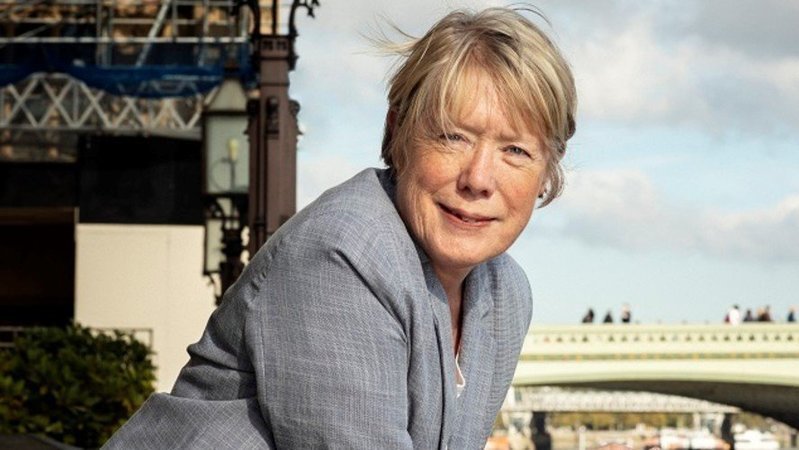
Commenting on the result of the Scottish elections, Pauline Bryan, Labour Peer said:"The Scottish Parliamentary election in May 2021 saw a twelve percent increase in turnout. Traditionally the Scottish Parliament has not attracted as much interest as general elections. Despite a low key campaign, Scottish voters were motivated to vote.
The result revealed beyond doubt what the polls had suggested, that Scotland is split 50/50 for and against independence. In the constituency vote the three main parties that were backing Scotland staying in the UK won 50.4% of the vote. In the regional list vote the three main parties that were supporting independence were narrowly ahead with 50.1%.
Although Labour remains in third place, it does have a new intake of MSPs. Hopefully these new representatives can help change the culture within the group which has resulted in such a high turnover of leaders.
It is not too late for Labour to get its voice heard in the debate on Scotland’s future, but this won’t happen by dismissing the discussion as illegitimate. If it rejects both independence and the status quo and believes in more it powers, it must describe the kind of society progressive constitutional change can deliver. It should ask why, if there is a future referendum on independence, any democrat would deny a wider choice than the binary Yes or No.
As things stand, a Yes/No referendum would result in fifty percent of the population feeling aggrieved and disenfranchised. A third option would allow voters the opportunity to vote for change or the status quo. If change wins, then the choice would be independence or more substantial devolution. This may be the best hope of avoiding potentially decades of division that would continue to detract from the problems of poor health, falling educational standards, drug deaths, lack of investment and gross inequality that plague Scotland."