Save the animals at Odesa Zoo
Проблема
An appeal to Odesa City Council and the management of Odesa Zoo
My name is Oleksandra Harbar. I am a member of the working group assessing the effectiveness of Odesa Zoo’s operations.
During visits to the zoo and the working group’s activities, we identified significant problems with animal living conditions, infrastructure and the organisation of care. In our assessment, the current measures and available resources are insufficient to address these problems adequately. We appeal to the city authorities and the international community to secure an independent assessment and urgent assistance for the animals.
This is not only about Vendi the elephant only. Bears, deer, wolves, big cats and other animals also need conditions that meet their biological needs. Their welfare must be the primary consideration in every decision about the zoo’s future.
Animal living conditions
1. Leopards: animal deaths and safety concerns
According to information obtained by working group members, only one of the zoo’s five leopards remains: two died of old age, a leopard named Casanova was shot in December 2024, and another leopard was reportedly shot in 2019, according to unofficial information. The second shooting and the causes of the other deaths require documentary confirmation.
In December 2024, after attacking an employee, Casanova ended up outside his enclosure and was shot. According to public explanations provided by zoo representatives, attempts to capture him safely or immobilise him in time were unsuccessful.
An independent review is needed of enclosure security, compliance with procedures for working with dangerous animals, equipment availability and staff preparedness for emergencies. Animals and employees must not pay for safety failures with their lives or health.
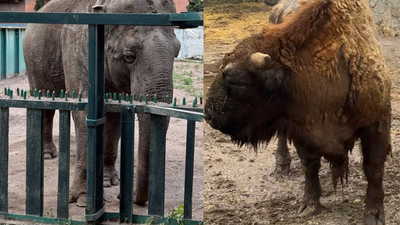
2. Vendi the elephant: approximately 18 years without other elephants
Since Tarun’s death in 2008, Vendi has lived without contact with members of her own species. According to the campaign organisers, her enclosure has a total area of approximately 700 m². We observe repetitive movements that raise concerns about her welfare and consider her space and bathing facilities inadequate.
An independent assessment is needed of her health, behaviour, social needs, ground surfaces, indoor and outdoor space, pool and overnight conditions.
Given the zoo’s limited space, enlarging her enclosure alone may not resolve all the problems. It is necessary to assess whether appropriate living conditions and companionship with other elephants can be provided in Odesa. If this is not possible, safe relocation to a specialist facility with an appropriate social environment and guaranteed long-term care should be considered.
3. Bears: concrete surfaces and the need to investigate Boomer’s death
Polyana, a female bear, is kept alone on concrete without access to natural soil. The feasibility of providing suitable ground surfaces and opportunities for movement, digging, exploration and foraging must be assessed.
Boomer the bear died in March 2026. According to public reports, he was found dead in his den following the winter period. We demand an independent review of veterinary records, post-mortem findings, if a post-mortem examination was conducted, and monitoring records. Specialists must establish the cause of death and any possible connection with his living conditions.
4. Mila the deer: no suitable place for safe recovery
According to those involved in her rescue, Mila, a female deer, suffered a broken leg following attacks by other deer in the shared enclosure. Even after surgery, the zoo had no suitable place where she could be separated from the herd to recover safely.
For approximately eight months, Mila remained in conditions where other deer continued to attack her. Her transfer to the Pride rehabilitation centre was arranged through the joint efforts of the centre, the A-Himsa organisation and working group members.
Mila’s story raises questions about the availability of separate facilities and enclosures for treatment, quarantine and recovery. An injured animal must not be returned to an environment where it faces further harm.
5. Wolves: breeding without a transparent plan
According to the working group, four more wolf cubs were born in 2026. Meanwhile, proposals to transfer some wolves to suitable rehabilitation centres and introduce veterinary-supported breeding control were not accepted.
A transparent population management plan is needed, taking into account space, funding, the group’s social structure and the ability to provide appropriate lifelong care for every animal. Breeding must not lead to overcrowding.
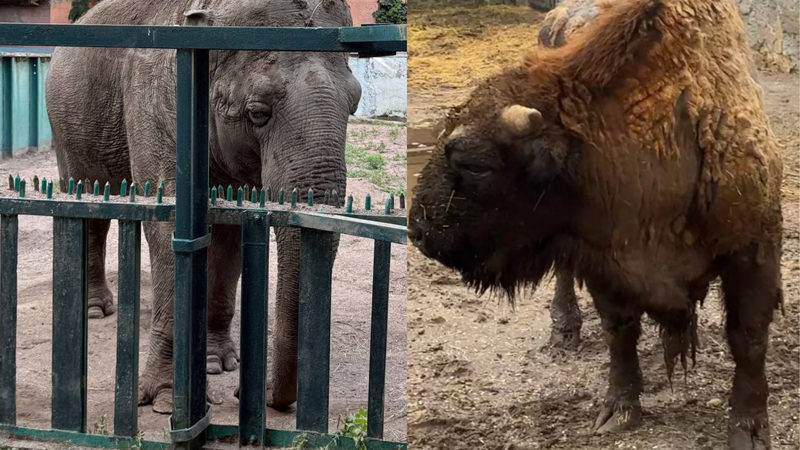
6. Enclosures for hoofed animals
According to the working group’s observations, some enclosures are outdated and lack adequate drainage, while surfaces and bedding are slippery and potentially hazardous in places. Dry, safe surfaces, proper drainage and facilities to separate animals that are ill, injured or being attacked must be provided.
7. Damage to the aquarium and terrarium building
According to the working group, the roof and structural elements of the aquarium and terrarium building were damaged during an attack. An urgent technical inspection, repairs to dangerous damage and safe temporary accommodation for the animals are needed if continued use of the building poses a risk.
8. Mixed-species housing in the aquarium and terrarium building
Bats share a space with iguanas, hedgehogs and turtles; their droppings fall onto animals and surfaces below.
This arrangement requires an independent assessment of species compatibility, hygiene and the ability to provide an appropriate environment for each animal. Persistent contamination of animals, food and water must be prevented.
9. Animal pools and water quality
According to the working group’s observations, adequate water filtration in animal pools is either absent or not functioning. Water comes from the municipal supply, and limited funding makes regular replacement difficult. We observe stagnant water and algal blooms.
Reliable water supplies, functioning water treatment and water quality monitoring must be ensured. The absence of a natural water source does not remove the animals’ need for clean water and bathing facilities.
10. Heating and electricity supplies
The elephant house is heated electrically, making power outages particularly dangerous in winter. According to information available to the working group, the new heating system paid for by the city was not commissioned because the contractor did not complete all the work.
In March 2026, Ukraine’s National Police reported suspected financial irregularities involving heating repairs. The actual condition of the equipment, a list of outstanding works and its readiness for winter 2026–2027 must be made public.
The animals need functioning heating, backup power and a contingency plan for prolonged electricity outages.
11. Cages, equipment and environmental enrichment
Some animals continue to be kept in cramped cages. According to the working group’s observations, environmental enrichment is absent or minimal in some areas, and dirty or rusty feeders and drinking containers are present.
Each enclosure must be assessed against the needs of the species it houses, including opportunities to move, hide, forage, choose a resting place and express natural behaviour.
Organisational problems
According to the working group, the animal exhibition area covers approximately four hectares and houses more than 1,600 animals belonging to over 300 species. The zoo’s official regulations state a total area of 6.5 hectares. Current animal numbers and the space available to them must be verified and taken into account when planning the animal collection.
Limited space, insufficient funding and low pay make it difficult to recruit and retain qualified employees. Staff receive €150 per month, while the zoo director receives €300 per month. The zoo needs a properly planned budget, adequate staffing, training and decent pay.
Transparent financial oversight must be accompanied by adequate resources for animal care. Staff cannot be held responsible without being provided with the conditions necessary to do their jobs.
The war compounds these problems. The threat of attacks and interruptions to water, electricity, heating and animal feed supplies requires an operational plan to protect animals and employees.
Videos and documents are available here on Google Drive link
https://drive.google.com/drive/folders/1O3uXmdPZTzqVy1IpGineL6YDql1mCfdu?usp=drive_link
We demand immediate action
- Arrange an independent international audit of animal welfare, veterinary care, safety, infrastructure and the use of funds. Give specialists access to the animals and relevant records, and publish the findings.
- Develop a plan for managing the animal collection based on the space actually available, each species’ needs, staffing and secured funding.
- Reduce the animal collection wherever appropriate conditions cannot be provided, arranging transfers to suitable rehabilitation centres, sanctuaries or other facilities. Each transfer must take into account the animals’ health, social bonds and the receiving facility’s confirmed capacity.
- Contact the European Association of Zoos and Aquaria — EAZA to request independent expert support and develop a plan to implement applicable animal welfare standards and recommendations.
- Immediately address the most dangerous shortcomings: provide facilities for separation and recovery, safe ground surfaces, clean water, functioning heating, backup electricity and safe accommodation.
- Introduce evidence-based breeding management to prevent overcrowding and the birth of animals for whom appropriate care cannot be provided.
- Ensure adequate funding and staffing, transparent spending, independent oversight and international cooperation.
- Publish an implementation plan identifying responsible individuals and deadlines, together with a contingency plan for attacks, prolonged outages and any necessary evacuation.
- Urgent measures to protect the animals must begin immediately, without waiting for all reviews to be completed.
Any development or reorganisation plan for Odesa Zoo must preserve its grounds as a public green space and respect the site’s historical significance.
Sign and share this petition. Help secure a safe life, appropriate care and living conditions that meet the biological needs of every animal at Odesa Zoo.

155
Проблема
An appeal to Odesa City Council and the management of Odesa Zoo
My name is Oleksandra Harbar. I am a member of the working group assessing the effectiveness of Odesa Zoo’s operations.
During visits to the zoo and the working group’s activities, we identified significant problems with animal living conditions, infrastructure and the organisation of care. In our assessment, the current measures and available resources are insufficient to address these problems adequately. We appeal to the city authorities and the international community to secure an independent assessment and urgent assistance for the animals.
This is not only about Vendi the elephant only. Bears, deer, wolves, big cats and other animals also need conditions that meet their biological needs. Their welfare must be the primary consideration in every decision about the zoo’s future.
Animal living conditions
1. Leopards: animal deaths and safety concerns
According to information obtained by working group members, only one of the zoo’s five leopards remains: two died of old age, a leopard named Casanova was shot in December 2024, and another leopard was reportedly shot in 2019, according to unofficial information. The second shooting and the causes of the other deaths require documentary confirmation.
In December 2024, after attacking an employee, Casanova ended up outside his enclosure and was shot. According to public explanations provided by zoo representatives, attempts to capture him safely or immobilise him in time were unsuccessful.
An independent review is needed of enclosure security, compliance with procedures for working with dangerous animals, equipment availability and staff preparedness for emergencies. Animals and employees must not pay for safety failures with their lives or health.
2. Vendi the elephant: approximately 18 years without other elephants
Since Tarun’s death in 2008, Vendi has lived without contact with members of her own species. According to the campaign organisers, her enclosure has a total area of approximately 700 m². We observe repetitive movements that raise concerns about her welfare and consider her space and bathing facilities inadequate.
An independent assessment is needed of her health, behaviour, social needs, ground surfaces, indoor and outdoor space, pool and overnight conditions.
Given the zoo’s limited space, enlarging her enclosure alone may not resolve all the problems. It is necessary to assess whether appropriate living conditions and companionship with other elephants can be provided in Odesa. If this is not possible, safe relocation to a specialist facility with an appropriate social environment and guaranteed long-term care should be considered.
3. Bears: concrete surfaces and the need to investigate Boomer’s death
Polyana, a female bear, is kept alone on concrete without access to natural soil. The feasibility of providing suitable ground surfaces and opportunities for movement, digging, exploration and foraging must be assessed.
Boomer the bear died in March 2026. According to public reports, he was found dead in his den following the winter period. We demand an independent review of veterinary records, post-mortem findings, if a post-mortem examination was conducted, and monitoring records. Specialists must establish the cause of death and any possible connection with his living conditions.
4. Mila the deer: no suitable place for safe recovery
According to those involved in her rescue, Mila, a female deer, suffered a broken leg following attacks by other deer in the shared enclosure. Even after surgery, the zoo had no suitable place where she could be separated from the herd to recover safely.
For approximately eight months, Mila remained in conditions where other deer continued to attack her. Her transfer to the Pride rehabilitation centre was arranged through the joint efforts of the centre, the A-Himsa organisation and working group members.
Mila’s story raises questions about the availability of separate facilities and enclosures for treatment, quarantine and recovery. An injured animal must not be returned to an environment where it faces further harm.
5. Wolves: breeding without a transparent plan
According to the working group, four more wolf cubs were born in 2026. Meanwhile, proposals to transfer some wolves to suitable rehabilitation centres and introduce veterinary-supported breeding control were not accepted.
A transparent population management plan is needed, taking into account space, funding, the group’s social structure and the ability to provide appropriate lifelong care for every animal. Breeding must not lead to overcrowding.
6. Enclosures for hoofed animals
According to the working group’s observations, some enclosures are outdated and lack adequate drainage, while surfaces and bedding are slippery and potentially hazardous in places. Dry, safe surfaces, proper drainage and facilities to separate animals that are ill, injured or being attacked must be provided.
7. Damage to the aquarium and terrarium building
According to the working group, the roof and structural elements of the aquarium and terrarium building were damaged during an attack. An urgent technical inspection, repairs to dangerous damage and safe temporary accommodation for the animals are needed if continued use of the building poses a risk.
8. Mixed-species housing in the aquarium and terrarium building
Bats share a space with iguanas, hedgehogs and turtles; their droppings fall onto animals and surfaces below.
This arrangement requires an independent assessment of species compatibility, hygiene and the ability to provide an appropriate environment for each animal. Persistent contamination of animals, food and water must be prevented.
9. Animal pools and water quality
According to the working group’s observations, adequate water filtration in animal pools is either absent or not functioning. Water comes from the municipal supply, and limited funding makes regular replacement difficult. We observe stagnant water and algal blooms.
Reliable water supplies, functioning water treatment and water quality monitoring must be ensured. The absence of a natural water source does not remove the animals’ need for clean water and bathing facilities.
10. Heating and electricity supplies
The elephant house is heated electrically, making power outages particularly dangerous in winter. According to information available to the working group, the new heating system paid for by the city was not commissioned because the contractor did not complete all the work.
In March 2026, Ukraine’s National Police reported suspected financial irregularities involving heating repairs. The actual condition of the equipment, a list of outstanding works and its readiness for winter 2026–2027 must be made public.
The animals need functioning heating, backup power and a contingency plan for prolonged electricity outages.
11. Cages, equipment and environmental enrichment
Some animals continue to be kept in cramped cages. According to the working group’s observations, environmental enrichment is absent or minimal in some areas, and dirty or rusty feeders and drinking containers are present.
Each enclosure must be assessed against the needs of the species it houses, including opportunities to move, hide, forage, choose a resting place and express natural behaviour.
Organisational problems
According to the working group, the animal exhibition area covers approximately four hectares and houses more than 1,600 animals belonging to over 300 species. The zoo’s official regulations state a total area of 6.5 hectares. Current animal numbers and the space available to them must be verified and taken into account when planning the animal collection.
Limited space, insufficient funding and low pay make it difficult to recruit and retain qualified employees. Staff receive €150 per month, while the zoo director receives €300 per month. The zoo needs a properly planned budget, adequate staffing, training and decent pay.
Transparent financial oversight must be accompanied by adequate resources for animal care. Staff cannot be held responsible without being provided with the conditions necessary to do their jobs.
The war compounds these problems. The threat of attacks and interruptions to water, electricity, heating and animal feed supplies requires an operational plan to protect animals and employees.
Videos and documents are available here on Google Drive link
https://drive.google.com/drive/folders/1O3uXmdPZTzqVy1IpGineL6YDql1mCfdu?usp=drive_link
We demand immediate action
- Arrange an independent international audit of animal welfare, veterinary care, safety, infrastructure and the use of funds. Give specialists access to the animals and relevant records, and publish the findings.
- Develop a plan for managing the animal collection based on the space actually available, each species’ needs, staffing and secured funding.
- Reduce the animal collection wherever appropriate conditions cannot be provided, arranging transfers to suitable rehabilitation centres, sanctuaries or other facilities. Each transfer must take into account the animals’ health, social bonds and the receiving facility’s confirmed capacity.
- Contact the European Association of Zoos and Aquaria — EAZA to request independent expert support and develop a plan to implement applicable animal welfare standards and recommendations.
- Immediately address the most dangerous shortcomings: provide facilities for separation and recovery, safe ground surfaces, clean water, functioning heating, backup electricity and safe accommodation.
- Introduce evidence-based breeding management to prevent overcrowding and the birth of animals for whom appropriate care cannot be provided.
- Ensure adequate funding and staffing, transparent spending, independent oversight and international cooperation.
- Publish an implementation plan identifying responsible individuals and deadlines, together with a contingency plan for attacks, prolonged outages and any necessary evacuation.
- Urgent measures to protect the animals must begin immediately, without waiting for all reviews to be completed.
Any development or reorganisation plan for Odesa Zoo must preserve its grounds as a public green space and respect the site’s historical significance.
Sign and share this petition. Help secure a safe life, appropriate care and living conditions that meet the biological needs of every animal at Odesa Zoo.
Адресаты петиции

Новости этой петиции
Поделиться этой петицией
Петиция создана 4 октября 2026 г.