Major conflict of interest questions regarding VUSD surplus property decisions

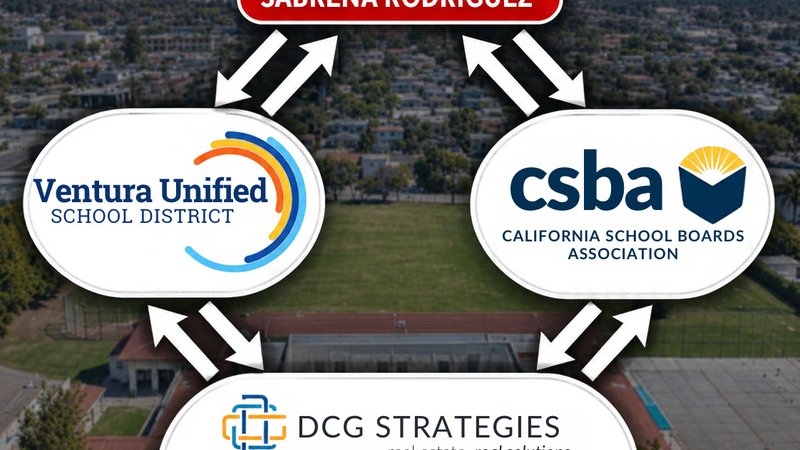
On September 22, 2026, during VUSD’s ongoing real estate process and financial negotiations, the school board approved changes narrowing the financial-disclosure language assigned to board members and several senior district officials.
The district attributed the changes to recommendations from the California School Boards Association, where Sabrena Rodriguez serves as President Elect, and the required biennial review.
But a review deadline does not explain why the disclosure requirements became narrower.
The previous exhibit included a broad category for officials managing public investments, requiring disclosure of investments, business positions and sources of income, including gifts, loans and travel payments.
The September changes removed that category and assigned those officials to Category 1, which ties disclosure to specified property interests and business activities, including local real estate, district-type services and supplies.
Why change those classifications during major decisions involving our public assets?
Hypothetically, an official could participate in awarding a district contract while receiving compensation through a separate outside business relationship. If that financial interest fell outside the narrower disclosure requirements, the public could have less information to connect the relationships and question the decision.
DCG Strategies announced a statewide real estate services partnership with CSBA in 2021. Rodriguez serves on VUSD’s board while also serving as president-elect role at CSBA.
On April 8, 2025, Rodriguez moved to approve DCG’s highest-and-best-use study for district surplus properties. That motion passed 5–0. She also moved approval of that meeting’s conflict-of-interest revisions.
On September 22, 2026, she moved approval of the later disclosure-exhibit changes and seconded the accompanying resolution. Both passed 5–0.
At that same September meeting, Rodriguez recused herself from the Enterprise Fleet Management discussion. The approved minutes specifically identified her CSBA role and CSBA’s contractual relationship with Enterprise as the reason for the potential conflict.
So why was that relationship grounds for recusal, while she participated in approving work for DCG?
In October, DCG published an account describing its work advising VUSD, evaluating proposals and assisting with the district’s property strategy, including Washington School’s sale to City Ventures.
Why DCG? Why City Ventures?
Why was a Bay Area real estate firm the best choice to advise our district? Why was City Ventures, an LA housing developer, the best choice for Washington School, a property the district’s own RFP identified as designated Parks & Open Space in Ventura’s General Plan?
These are our public schools, our tax dollars and our public land. Ventura residents deserve to know who is shaping these decisions, what they stand to gain and why our elected board chose them.
Our district is making major decisions about public assets while employees are fighting over compensation and families face possible school closures.
And during that process, leadership approved narrower disclosure language.
Current leadership has serious conflict-of-interest questions to answer. Ventura deserves answers.