
The Rivers That Built Us
The world's great civilisations were built around rivers.
The Nile, Mississippi, Danube, Thames, Rhine, Seine, Colorado, Murray–Darling, Ganges, Mekong, Yangtze and Amazon have sustained cultures, agriculture, trade, wildlife and cities for generations.
Today, nations are spending billions protecting and rehabilitating these great river systems — cleaning polluted water, restoring wetlands, reconnecting floodplains, protecting tributaries and wildlife corridors, and repairing damage caused by generations of development.
Why?
Because we have learned that you cannot protect a river without protecting the land that sustains it.
A river is not simply the water between its banks. Its floodplain, wetlands, tributaries, groundwater, vegetation and wildlife corridors are all part of one interconnected system.
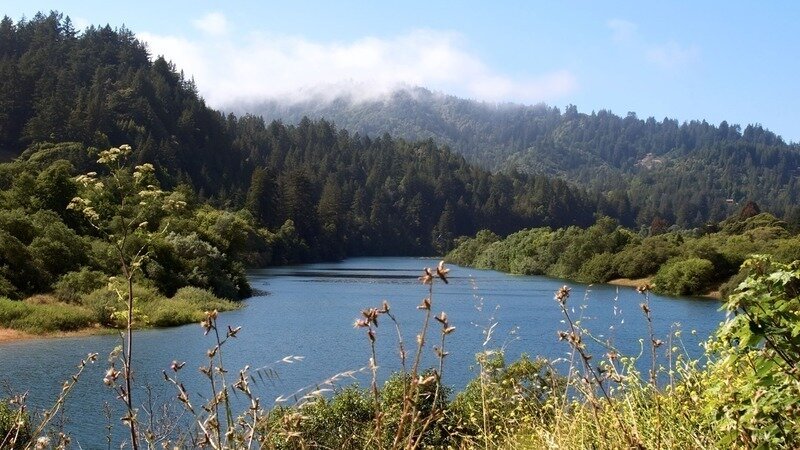
I grew up knowing the Russian River in California, where enormous effort continues to restore habitat and recover its salmon and steelhead. I have watched the same lesson being learned around the world.
And for almost 40 years, my river has been the Swan — Derbarl Yerrigan.
We should learn from what has happened elsewhere.
Around the world, governments and communities are now spending generations — and enormous amounts of money — trying to restore river systems after the damage has been done.
Here, we still have the opportunity to protect what we already have.
Protecting the Swan River means protecting its floodplain, its tributaries, its rural landscapes, its wildlife corridors and its extraordinary cultural heritage.
The world's great rivers built our societies.
Our generation has a responsibility to protect them.