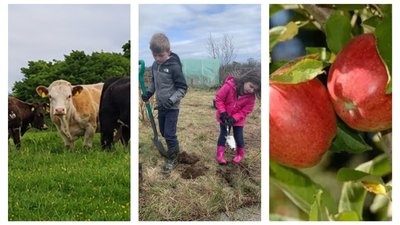

OUR ISLANDS. OUR FOOD. OUR FUTURE.
The Issue
A European Petition for Food Security, Stronger Biosecurity, Farming and Nature Protection
To the European Parliament, the European Commission and relevant European and national governments
We need to protect what matters to everyone.
We, the undersigned, call for a stronger European approach to protecting our islands, food supplies, agriculture, wildlife, pollinators, natural environment and rural communities.
Our islands are precious places. They provide homes, livelihoods, food, natural habitats and unique ecosystems. Their geographical separation also offers an important opportunity to prevent dangerous animal diseases, crop pests, invasive species and parasites from entering and spreading.
But these natural advantages must be protected.
Food security is everyone’s concern. Families need reliable access to affordable food. Farmers need the confidence to produce it. Rural communities need jobs and investment. Our wildlife and natural environment need protection. Future generations deserve to inherit a healthy and productive Europe.
This petition is for everyone who cares about where our food comes from, the health of our countryside, the protection of nature and the future of our islands.
We believe it is time for Europe to take stronger preventative action.
1. Protect our islands with stronger biosecurity
We call for the development of a European Island Biosecurity Strategy that recognises the special opportunities and risks associated with island geography.
We ask the European Commission to investigate enhanced protected island biosecurity zones, where justified by scientific evidence and risk assessment.
These should include consideration of:
Ireland, including Northern Ireland and the Republic of Ireland.
Great Britain, through appropriate cooperation and agreements with the United Kingdom.
Cyprus and Malta.
Iceland.
Suitable Atlantic and Mediterranean islands and island groups.
These protected regions should benefit from stronger safeguards against the introduction of serious animal diseases, crop pests, invasive species and other threats to agriculture and the natural environment.
Different legal and trading arrangements must be recognised, with appropriate cooperation between EU Member States, the United Kingdom and neighbouring countries.
2. Protect our food, animals and agriculture
We call for stronger preventative controls, inspections and traceability covering imports and movements that could introduce dangerous diseases, pests or harmful organisms.
This should include appropriate controls on:
Live farm animals and animal products.
Plants, seeds, bulbs and planting materials.
Grain, cereals and animal feed.
Soil, growing media and organic materials.
Agricultural machinery, equipment and vehicles.
Other materials capable of carrying pests and diseases.
We must prevent serious threats entering our islands wherever possible, rather than waiting until farmers, businesses and communities are left facing the consequences.
3. Protect honey bees and our pollinators
Honey bees and wild pollinators are essential to our natural environment and food production. They support biodiversity, agriculture, gardens, wild plants and the wider countryside.
We are concerned about the threat posed by invasive pests and parasites, including:
Tropilaelaps mites and associated bee-health threats.
Small hive beetle and other invasive predators.
Other emerging bee diseases and parasites.
We call for stronger surveillance, prevention, monitoring and rapid responses to emerging threats.
We also call for a ban on imports of live honey bees into protected island biosecurity regions.
This should cover queen bees, worker bees, attendant bees, packages, colonies and nucleus colonies.
The purpose is to prevent dangerous parasites and diseases from being introduced through the movement of live bees. Any exceptional movement, if permitted, should require strict scientific justification and independently verifiable safeguards that do not undermine the protection.
This demand concerns the importation of live bees, not honey as a food product.
Protecting pollinators is not simply a beekeeping issue. It is about protecting our food, our wildlife, our gardens, our countryside and the natural world that future generations will depend on.
4. Produce more of our own food
Europe must strengthen its ability to produce more of the food and agricultural resources it needs.
We call for greater support for:
Home-grown grain and cereals.
European animal-feed production.
Fruit and vegetable growing.
Local food production and processing.
Milling, storage and distribution facilities.
Regional food supply chains.
Unnecessary dependence on imported food and animal feed leaves us vulnerable to international conflict, supply-chain disruption, rising prices and trade restrictions.
Imports will continue to have a role, but Europe should not become unnecessarily dependent on other countries for food that can be sustainably produced closer to home.
Food security must be treated as a long-term strategic priority.
5. Support farmers and rural communities
Farmers are essential to our food supply, countryside and rural economy. They deserve a fair opportunity to produce food and earn a sustainable living.
We call for practical support for:
Family farms and independent food producers.
Young and new entrant farmers.
Livestock and crop production.
Sustainable farming and healthy soils.
Local food businesses and processing facilities.
Rural employment, skills and training.
Agricultural infrastructure, storage and distribution.
A stronger farming sector means more secure food supplies, more jobs, stronger communities and a more resilient economy.
6. Protect nature, wildlife and biodiversity
Our natural environment is a shared inheritance that must be protected.
We call for stronger action to protect:
Honey bees and wild pollinators.
Native wildlife and natural habitats.
Healthy soils and clean water.
Trees, hedgerows and biodiversity.
Island ecosystems and vulnerable landscapes.
Preventing invasive species, pests, parasites and diseases from becoming established is an important part of protecting nature.
We must ensure that food production and environmental protection work together, leaving a healthier environment for our children and grandchildren.
7. Learn from the history of island protections
Before the United Kingdom and Ireland joined the European Economic Community in 1973, special animal-health import protections helped safeguard their livestock and agricultural industries.
During the accession arrangements, particular animal-health safeguards and transitional provisions were negotiated in recognition of risks from diseases such as foot-and-mouth disease and swine fever.
We ask European institutions to examine this history and learn from the reasons those protections were considered important.
We are not asking for historical arrangements to be automatically reinstated. We are asking for a modern, legally sound and scientifically justified system that recognises the value of island biosecurity and provides appropriate protections for today’s circumstances.
8. Create a coordinated European action plan
We call on the European Parliament and European Commission to:
Develop a European Island Biosecurity and Food Security Strategy.
Investigate enhanced protected island biosecurity zones.
Introduce a ban on imports of live honey bees into protected island regions.
Strengthen controls on other high-risk animal, plant and agricultural imports.
Improve inspections, surveillance, traceability and enforcement.
Review the history of island animal-health protections and apply relevant lessons.
Increase European production of food, grain, cereals and animal feed.
Invest in farming, food processing, storage and local supply chains.
Support young farmers, rural employment and sustainable agriculture.
Protect pollinators, wildlife, biodiversity and vulnerable island ecosystems.
Work with the United Kingdom and neighbouring countries on appropriate cross-border biosecurity agreements.
Publish a clear action plan and report regularly on progress.
OUR FUTURE IS WORTH PROTECTING
We should not wait for another devastating animal disease outbreak, invasive pest, pollinator crisis or food supply emergency before taking action.
Prevention is better than recovery.
Protecting our islands helps protect our farms. Protecting our pollinators helps protect our food. Supporting farmers helps protect our communities. Producing more of our own food helps protect our independence and future.
This is not about shutting ourselves off from the world. It is about being responsible, taking sensible precautions and protecting what we have for generations to come.
We want our children and grandchildren to inherit healthy islands, thriving farms, protected wildlife, strong rural communities and secure food supplies.
We therefore call on the European Parliament, the European Commission and relevant governments to work together and make food security, island biosecurity, agricultural resilience and nature protection a European priority.
OUR ISLANDS. OUR FOOD. OUR FUTURE.
Please sign and support this petition. Together, we can protect our food, our nature, our communities and our future.
148
The Issue
A European Petition for Food Security, Stronger Biosecurity, Farming and Nature Protection
To the European Parliament, the European Commission and relevant European and national governments
We need to protect what matters to everyone.
We, the undersigned, call for a stronger European approach to protecting our islands, food supplies, agriculture, wildlife, pollinators, natural environment and rural communities.
Our islands are precious places. They provide homes, livelihoods, food, natural habitats and unique ecosystems. Their geographical separation also offers an important opportunity to prevent dangerous animal diseases, crop pests, invasive species and parasites from entering and spreading.
But these natural advantages must be protected.
Food security is everyone’s concern. Families need reliable access to affordable food. Farmers need the confidence to produce it. Rural communities need jobs and investment. Our wildlife and natural environment need protection. Future generations deserve to inherit a healthy and productive Europe.
This petition is for everyone who cares about where our food comes from, the health of our countryside, the protection of nature and the future of our islands.
We believe it is time for Europe to take stronger preventative action.
1. Protect our islands with stronger biosecurity
We call for the development of a European Island Biosecurity Strategy that recognises the special opportunities and risks associated with island geography.
We ask the European Commission to investigate enhanced protected island biosecurity zones, where justified by scientific evidence and risk assessment.
These should include consideration of:
Ireland, including Northern Ireland and the Republic of Ireland.
Great Britain, through appropriate cooperation and agreements with the United Kingdom.
Cyprus and Malta.
Iceland.
Suitable Atlantic and Mediterranean islands and island groups.
These protected regions should benefit from stronger safeguards against the introduction of serious animal diseases, crop pests, invasive species and other threats to agriculture and the natural environment.
Different legal and trading arrangements must be recognised, with appropriate cooperation between EU Member States, the United Kingdom and neighbouring countries.
2. Protect our food, animals and agriculture
We call for stronger preventative controls, inspections and traceability covering imports and movements that could introduce dangerous diseases, pests or harmful organisms.
This should include appropriate controls on:
Live farm animals and animal products.
Plants, seeds, bulbs and planting materials.
Grain, cereals and animal feed.
Soil, growing media and organic materials.
Agricultural machinery, equipment and vehicles.
Other materials capable of carrying pests and diseases.
We must prevent serious threats entering our islands wherever possible, rather than waiting until farmers, businesses and communities are left facing the consequences.
3. Protect honey bees and our pollinators
Honey bees and wild pollinators are essential to our natural environment and food production. They support biodiversity, agriculture, gardens, wild plants and the wider countryside.
We are concerned about the threat posed by invasive pests and parasites, including:
Tropilaelaps mites and associated bee-health threats.
Small hive beetle and other invasive predators.
Other emerging bee diseases and parasites.
We call for stronger surveillance, prevention, monitoring and rapid responses to emerging threats.
We also call for a ban on imports of live honey bees into protected island biosecurity regions.
This should cover queen bees, worker bees, attendant bees, packages, colonies and nucleus colonies.
The purpose is to prevent dangerous parasites and diseases from being introduced through the movement of live bees. Any exceptional movement, if permitted, should require strict scientific justification and independently verifiable safeguards that do not undermine the protection.
This demand concerns the importation of live bees, not honey as a food product.
Protecting pollinators is not simply a beekeeping issue. It is about protecting our food, our wildlife, our gardens, our countryside and the natural world that future generations will depend on.
4. Produce more of our own food
Europe must strengthen its ability to produce more of the food and agricultural resources it needs.
We call for greater support for:
Home-grown grain and cereals.
European animal-feed production.
Fruit and vegetable growing.
Local food production and processing.
Milling, storage and distribution facilities.
Regional food supply chains.
Unnecessary dependence on imported food and animal feed leaves us vulnerable to international conflict, supply-chain disruption, rising prices and trade restrictions.
Imports will continue to have a role, but Europe should not become unnecessarily dependent on other countries for food that can be sustainably produced closer to home.
Food security must be treated as a long-term strategic priority.
5. Support farmers and rural communities
Farmers are essential to our food supply, countryside and rural economy. They deserve a fair opportunity to produce food and earn a sustainable living.
We call for practical support for:
Family farms and independent food producers.
Young and new entrant farmers.
Livestock and crop production.
Sustainable farming and healthy soils.
Local food businesses and processing facilities.
Rural employment, skills and training.
Agricultural infrastructure, storage and distribution.
A stronger farming sector means more secure food supplies, more jobs, stronger communities and a more resilient economy.
6. Protect nature, wildlife and biodiversity
Our natural environment is a shared inheritance that must be protected.
We call for stronger action to protect:
Honey bees and wild pollinators.
Native wildlife and natural habitats.
Healthy soils and clean water.
Trees, hedgerows and biodiversity.
Island ecosystems and vulnerable landscapes.
Preventing invasive species, pests, parasites and diseases from becoming established is an important part of protecting nature.
We must ensure that food production and environmental protection work together, leaving a healthier environment for our children and grandchildren.
7. Learn from the history of island protections
Before the United Kingdom and Ireland joined the European Economic Community in 1973, special animal-health import protections helped safeguard their livestock and agricultural industries.
During the accession arrangements, particular animal-health safeguards and transitional provisions were negotiated in recognition of risks from diseases such as foot-and-mouth disease and swine fever.
We ask European institutions to examine this history and learn from the reasons those protections were considered important.
We are not asking for historical arrangements to be automatically reinstated. We are asking for a modern, legally sound and scientifically justified system that recognises the value of island biosecurity and provides appropriate protections for today’s circumstances.
8. Create a coordinated European action plan
We call on the European Parliament and European Commission to:
Develop a European Island Biosecurity and Food Security Strategy.
Investigate enhanced protected island biosecurity zones.
Introduce a ban on imports of live honey bees into protected island regions.
Strengthen controls on other high-risk animal, plant and agricultural imports.
Improve inspections, surveillance, traceability and enforcement.
Review the history of island animal-health protections and apply relevant lessons.
Increase European production of food, grain, cereals and animal feed.
Invest in farming, food processing, storage and local supply chains.
Support young farmers, rural employment and sustainable agriculture.
Protect pollinators, wildlife, biodiversity and vulnerable island ecosystems.
Work with the United Kingdom and neighbouring countries on appropriate cross-border biosecurity agreements.
Publish a clear action plan and report regularly on progress.
OUR FUTURE IS WORTH PROTECTING
We should not wait for another devastating animal disease outbreak, invasive pest, pollinator crisis or food supply emergency before taking action.
Prevention is better than recovery.
Protecting our islands helps protect our farms. Protecting our pollinators helps protect our food. Supporting farmers helps protect our communities. Producing more of our own food helps protect our independence and future.
This is not about shutting ourselves off from the world. It is about being responsible, taking sensible precautions and protecting what we have for generations to come.
We want our children and grandchildren to inherit healthy islands, thriving farms, protected wildlife, strong rural communities and secure food supplies.
We therefore call on the European Parliament, the European Commission and relevant governments to work together and make food security, island biosecurity, agricultural resilience and nature protection a European priority.
OUR ISLANDS. OUR FOOD. OUR FUTURE.
Please sign and support this petition. Together, we can protect our food, our nature, our communities and our future.


Petition Updates
Share this petition
Petition created on 7 November 2026