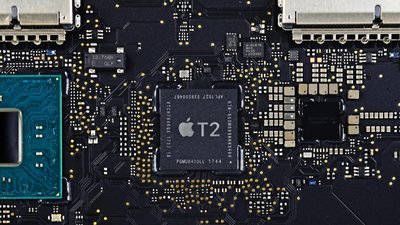
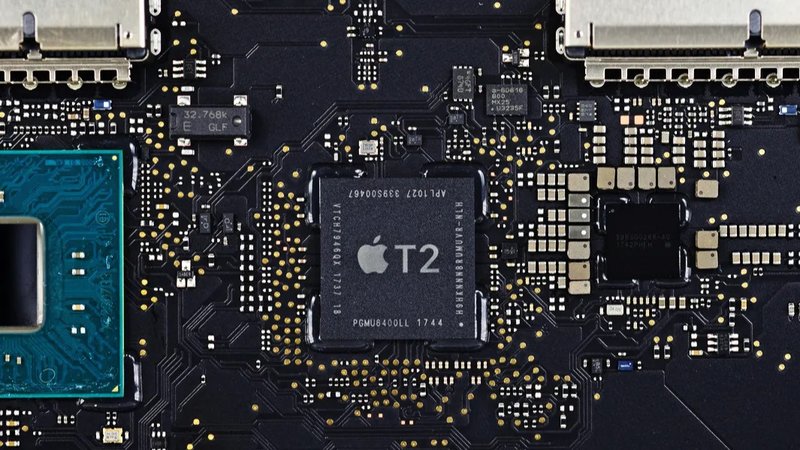
Open the T2 chip for Linux and open-source development
El problema
To: John Ternus, CEO, and Tim Cook, Executive Chairman, Apple Inc
We call on Apple to release technical documentation, hardware interface specifications, and non-security-sensitive software components so Linux can run properly on Intel-based Macs with the T2 Security Chip.
The problem
Apple’s T2 Security Chip ships in Intel-based Macs released between 2017 and 2020. These machines still perform well, but full Linux support is hard because much of the hardware depends on undocumented Apple interfaces and proprietary firmware.
Community developers have made real progress. Projects such as T2 Linux and KAIT2EN have shown that audio, Wi-Fi, Bluetooth, keyboards, and trackpads can work. But without official documentation of the T2’s internal architecture, development stays slow. Perfectly usable Macs lose value only because their hardware is hard to support outside Apple’s own software.
What we are asking Apple to do
- Release T2 hardware documentation.
- Publish specifications for the interfaces between the Intel processor, the T2 chip, and connected peripherals.
- Document the BCE interface.
- Describe the BridgeOS communication mechanisms, including the protocols for power management, device communication, and hardware initialisation.
- Document audio and media hardware.
- Provide the specifications needed to support the T2 audio DSP, camera interfaces, and hardware video encoding and decoding under Linux.
- Release non-security-sensitive driver source code where possible.
- Publish suitable components under open-source licences so developers can maintain and improve Linux compatibility.
- Provide firmware development resources. Where legally and technically possible, release development tools, debugging information, and firmware interface documentation.
We are not asking Apple to compromise security
We recognise that the T2 contains sensitive security technologies, including the Secure Enclave, secure boot, and hardware-backed encryption. We are not asking Apple to publish private cryptographic keys, security secrets, or exploitable implementation details. We are asking for the documentation and interfaces independent developers need to support the hardware while the security protections stay intact.
Apple could also publish selected components of BridgeOS, or offer a dedicated developer interface, without releasing the whole operating system.
Why this matters
A computer should not become unusable because its manufacturer stopped prioritising its software. Many T2-equipped Macs still have capable Intel processors, excellent displays, and good keyboards and trackpads.
Better Linux support would:
- Extend the lifespan of existing Macs.
- Reduce electronic waste.
- Give owners freedom to choose their operating system.
- Encourage independent development and hardware research.
- Make it easier to maintain compatibility and security updates.
- Help preserve these machines.
- Apple can show that its commitment to privacy and security can coexist with openness, repairability, and user choice.
Our request
Apple, please give the open-source community the documentation and tools to support T2-equipped Macs properly. That does not require open-sourcing all of BridgeOS, weakening the Secure Enclave, or compromising secure boot. Developers need the information to make this hardware work with Linux and other independent operating systems.
Sign this petition if you believe owners should be free to keep their Macs useful, secure, and supported long after Apple’s official software support ends.

21
El problema
To: John Ternus, CEO, and Tim Cook, Executive Chairman, Apple Inc
We call on Apple to release technical documentation, hardware interface specifications, and non-security-sensitive software components so Linux can run properly on Intel-based Macs with the T2 Security Chip.
The problem
Apple’s T2 Security Chip ships in Intel-based Macs released between 2017 and 2020. These machines still perform well, but full Linux support is hard because much of the hardware depends on undocumented Apple interfaces and proprietary firmware.
Community developers have made real progress. Projects such as T2 Linux and KAIT2EN have shown that audio, Wi-Fi, Bluetooth, keyboards, and trackpads can work. But without official documentation of the T2’s internal architecture, development stays slow. Perfectly usable Macs lose value only because their hardware is hard to support outside Apple’s own software.
What we are asking Apple to do
- Release T2 hardware documentation.
- Publish specifications for the interfaces between the Intel processor, the T2 chip, and connected peripherals.
- Document the BCE interface.
- Describe the BridgeOS communication mechanisms, including the protocols for power management, device communication, and hardware initialisation.
- Document audio and media hardware.
- Provide the specifications needed to support the T2 audio DSP, camera interfaces, and hardware video encoding and decoding under Linux.
- Release non-security-sensitive driver source code where possible.
- Publish suitable components under open-source licences so developers can maintain and improve Linux compatibility.
- Provide firmware development resources. Where legally and technically possible, release development tools, debugging information, and firmware interface documentation.
We are not asking Apple to compromise security
We recognise that the T2 contains sensitive security technologies, including the Secure Enclave, secure boot, and hardware-backed encryption. We are not asking Apple to publish private cryptographic keys, security secrets, or exploitable implementation details. We are asking for the documentation and interfaces independent developers need to support the hardware while the security protections stay intact.
Apple could also publish selected components of BridgeOS, or offer a dedicated developer interface, without releasing the whole operating system.
Why this matters
A computer should not become unusable because its manufacturer stopped prioritising its software. Many T2-equipped Macs still have capable Intel processors, excellent displays, and good keyboards and trackpads.
Better Linux support would:
- Extend the lifespan of existing Macs.
- Reduce electronic waste.
- Give owners freedom to choose their operating system.
- Encourage independent development and hardware research.
- Make it easier to maintain compatibility and security updates.
- Help preserve these machines.
- Apple can show that its commitment to privacy and security can coexist with openness, repairability, and user choice.
Our request
Apple, please give the open-source community the documentation and tools to support T2-equipped Macs properly. That does not require open-sourcing all of BridgeOS, weakening the Secure Enclave, or compromising secure boot. Developers need the information to make this hardware work with Linux and other independent operating systems.
Sign this petition if you believe owners should be free to keep their Macs useful, secure, and supported long after Apple’s official software support ends.
Los destinatarios de la petición

Actualizaciones de la petición
Compartir esta petición
Petición creada en 5 de noviembre de 2026