

Oceans First: Our Plastic-Free Pledge
The Issue
Millions of people, marine animals, and ecosystems are directly affected by the growing problem of plastic pollution in our oceans.
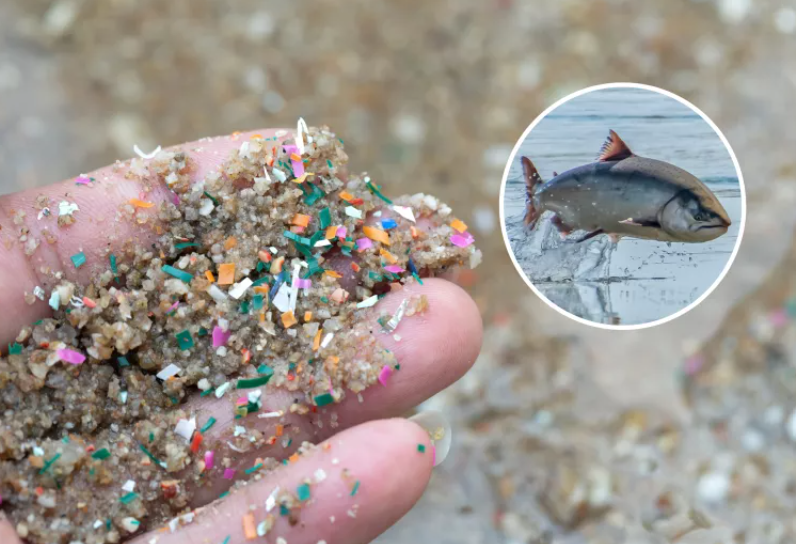
- Microplastics infiltrate seafood, posing risks to global food security and human health.
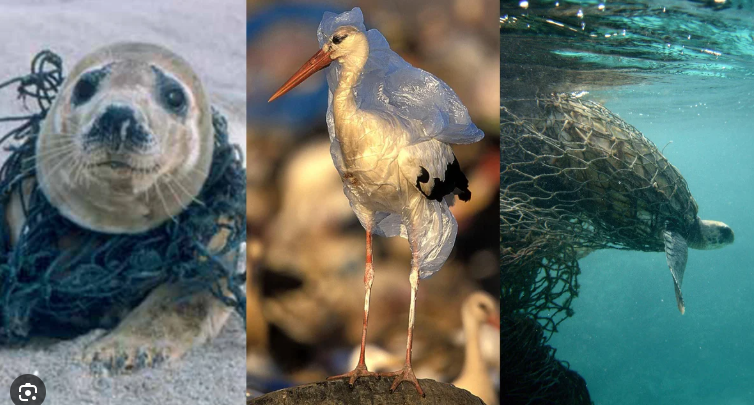
- Marine animals are harmed by entanglement or ingestion of plastic, causing injury, starvation, or death
-
By 2050, plastic could outweigh all the fish in the sea, fundamentally altering marine ecosystems.
- Oceans play a crucial role in climate regulation and supporting life; their degradation threatens global stability.
- Immediate action can help restore ocean health, protect marine species, and sustain industries and communities relying on the sea.
The problem of plastic pollution is accelerating, and delaying action will only make it harder to reverse.
- Over 8 million tons of plastic enter the oceans annually, forming massive garbage patches like the Great Pacific Garbage Patch, which is three times the size of France.
- Immediate action can reduce plastic waste, enhance recycling systems, and clean up the oceans.
Oceans First: Our Plastic-Free Pledge
- I will avoid using plastic bags, I will use reusable bags whenever possible
- I will avoid using plastic straws, instead using reusable straws or avoiding straws in general
- I will pack my lunches in reusable containers or reusable lunch bags, instead of plastic sandwich bags
- I will not use one-use plastic water bottles, instead using metal or glass reusable bottles
- Whenever possible I will recycle the plastics that I use
- I can save glass containers from purchases and reuse those for future uses
- I will make an effort to educate my friends and family about these ways to help save the ocean
Will you make this pledge to save the ocean?

484
The Issue
Millions of people, marine animals, and ecosystems are directly affected by the growing problem of plastic pollution in our oceans.
- Microplastics infiltrate seafood, posing risks to global food security and human health.
- Marine animals are harmed by entanglement or ingestion of plastic, causing injury, starvation, or death
-
By 2050, plastic could outweigh all the fish in the sea, fundamentally altering marine ecosystems.
- Oceans play a crucial role in climate regulation and supporting life; their degradation threatens global stability.
- Immediate action can help restore ocean health, protect marine species, and sustain industries and communities relying on the sea.
The problem of plastic pollution is accelerating, and delaying action will only make it harder to reverse.
- Over 8 million tons of plastic enter the oceans annually, forming massive garbage patches like the Great Pacific Garbage Patch, which is three times the size of France.
- Immediate action can reduce plastic waste, enhance recycling systems, and clean up the oceans.
Oceans First: Our Plastic-Free Pledge
- I will avoid using plastic bags, I will use reusable bags whenever possible
- I will avoid using plastic straws, instead using reusable straws or avoiding straws in general
- I will pack my lunches in reusable containers or reusable lunch bags, instead of plastic sandwich bags
- I will not use one-use plastic water bottles, instead using metal or glass reusable bottles
- Whenever possible I will recycle the plastics that I use
- I can save glass containers from purchases and reuse those for future uses
- I will make an effort to educate my friends and family about these ways to help save the ocean
Will you make this pledge to save the ocean?
The Decision Makers
Supporter Voices
Petition Updates
Share this petition
Petition created on January 25, 2025