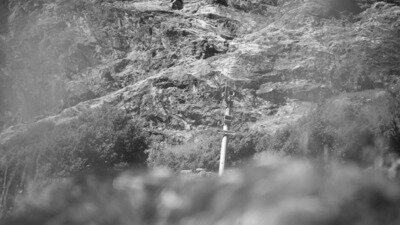

NÉPAL : Réhabiliter les systèmes d’alerte précoce
Le problème
(English & Nepali versions further down)
Cette pétition est parrainée par Jean Jouzel, de l'Académie des Sciences; ancien vice-président du GIEC (2002-2015).
La catastrophe survenue au Népal le 26 août 2026 rappelle l'urgence d'agir en matière de préparation aux catastrophes, plus précisément sur l'importance vitale des dispositifs d'alerte précoce.
Au-delà de l'ensemble des causes exactes de cette catastrophe qui reste encore à définir, nous souhaiterions partager une expérience.
Nous sommes allés dans la vallée sacrée de Rolwaling au Népal en 2022 à la rencontre de la communauté Sherpa qui vit sous la menace d’un « tsunami des montagnes », une vague géante causée par la chute d’un bloc du glacier Trakarding (ou de montagne du fait de l'érosion continue), entraînant une vidange brutale appelée "GLOF - Glacial Lake Outbursts Floods", du lac glaciaire de Tsho Rolpa (4 580 mètres d'altitude), capable de dévaster tout sur son passage.
La superficie du lac a été multipliée par 7 en 50 ans en raison du réchauffement climatique qui frappe l'Himalaya à un rythme accéléré.
Nous avions rencontré ICIMOD — le Centre international pour le développement intégré des montagnes, basé à Katmandou — qui assure la surveillance du lac, évalue les facteurs de risque et publie des rapports d'évaluation, avec de nombreux experts népalais et internationaux de diverses institutions 👉https://lnkd.in/et-SXhqt
Un dispositif d'alerte précoce installé en 2000 par le PNUD - le Programme des Nations-Unies pour le Développement consistant en un réseau de sirènes reliées à un détecteur de débordement au niveau du lac, n'est plus opérationnel depuis 15 ans, faute de maintenance (donc de financements), laissant la population de Rolwaling et des zones en aval dans une vulnérabilité extrême.
Nous demandons aux autorités népalaises et aux institutions internationales compétentes de prendre d'urgence les mesures nécessaires pour la vallée de Rolwaling et toutes les zones présentant un risque similaire, pour :
- Installer, réhabiliter et moderniser les systèmes d'alerte précoce
- Maintenir et adapter ces dispositifs à chaque environnement.
- Former le personnel à la maintenance régulière et informer les populations concernées.
- Débloquer les financements nécessaires pour l'ensemble de ces mesures.
Les événements du 26 août 2026 prouvent une nouvelle fois que le risque devient réalité.
En signant cette pétition, vous vous joignez à nous pour exiger une action vitale pour préserver au maximum les communautés.
MERCI !
©Matthieu Alexandre / Interreviews
English version below
This petition is sponsored by Jean Jouzel of the French Academy of Sciences, former vice-chair of the IPCC (2002–2015).
The disaster that struck Nepal on 26 August 2026 serves as a reminder of the urgent need for action on disaster preparedness, and more specifically, of the vital importance of early warning systems.
Whilst the exact causes of this disaster have yet to be determined, we would like to share an experience from our own perspective.
We travelled to the sacred Rolwaling Valley in Nepal in 2022 to meet the Sherpa community, who live under the threat of a ‘mountain tsunami’, a giant wave caused by the collapse of a block from the Trakarding Glacier (or from the mountain itself due to ongoing erosion), leading to a sudden outflow known as a ‘GLOF’ – Glacial Lake Outburst Floods – from the Tsho Rolpa glacial lake (4,580 meters above sea level), capable of devastating everything in its path.
The lake’s surface area has increased sevenfold in 50 years due to global warming, which is affecting the Himalayas at an accelerating rate.
We had met with ICIMOD — the International Centre for Integrated Mountain Development, based in Kathmandu — which monitors the lake, assesses risk factors and publishes assessment reports, together with numerous Nepalese and international experts from various institutions. Its latest report (2025) 👉 https://lnkd.in/et-SXhqt
An early-warning system installed in 2000 by the UNDP – the United Nations Development Programme – consisting of a network of sirens linked to an overflow detector at the lake, has not been operational for 15 years due to a lack of maintenance (and therefore funding), leaving the population of Rolwaling and downstream areas extremely vulnerable.
We are demanding that Nepali authorities and relevant international institutions take urgent measures for the Rolwaling Valley and all areas facing similar risks, to :
- Install, rehabilitate, and modernize early warning systems i
- Maintain and adapt these devices to each environment.
- Train staff in regular maintenance and inform the populations.
- Unlock the necessary funding for all of these measures.
After Thame in 2024, La Bérarde and Blatten in 2025 (among others), the events of 26 August 2026 once again prove that the risk can become reality.
By signing this petition, you demand vital action to preserve communities against this kind of catastrophe as much as possible.
THANK YOU !
©Matthieu Alexandre / Interreviews
Nepali version below
यो याचिका फ्रान्सेली विज्ञान एकेडेमीका जीन जुजेलद्वारा प्रायोजित गरिएको हो, जो IPCC का पूर्व उपाध्यक्ष (२००२–२०१५) हुन्।
नेपालमा २०८३ भदौ १० गते आएको भीषण बाढीले विपद्को पूर्व तयारीको आवश्यकता र विशेष गरी पूर्व सूचना प्रणाली (Early Warning System) को महत्त्वपूर्ण भूमिकालाई पुनः स्मरण गराएको छ। यद्यपि यस विपद्का खास कारणहरू अझै निर्धारण हुन बाँकी छ, हामी आफ्नै दृष्टिकोणबाट एउटा अनुभव साझा गर्न चाहन्छौँ।
हामी सन् २०२२ मा नेपालको पवित्र रोल्वालिङ (रोल्वाछो) उपत्यकाको भ्रमणमा गएका थियौँ, जहाँ हामीले शेर्पा समुदायसँग भेटघाट गर्यौँ। उनीहरू ‘पहाडी सुनामी’ को जोखिममा बाँचिरहेका छन्। यो ‘पहाडी सुनामी’ भन्नाले समुद्र सतहबाट ४,५८० मिटरको उचाइमा रहेको च्छो रोल्पा हिमतालमा हिमनदीको कुनै भाग वा भू-क्षयका कारण पहाड नै भत्किएर खस्दा आउने अचानकको बाढी हो । यसलाई 'GLOF' पनि भनिन्छ । यो बाढीले आफ्नो बाटोमा आउने सबै कुरा विनाश गर्ने क्षमता राख्छ। विश्वव्यापी उष्णताका कारण यो तालको क्षेत्रफल ५० वर्षमा सात गुणाले बढेको छ, जसको असर हिमालय क्षेत्रमा द्रुत गतिमा परिरहेको छ।
हामीले काठमाडौँमा रहेको ICIMOD (अन्तर्राष्ट्रिय एकीकृत पर्वतीय विकास केन्द्र) सँग भेटेका थियौँ, जसले यस तालको अनुगमन गर्दछ, जोखिमका कारकहरूको मूल्याङ्कन गर्दछ र विभिन्न नेपाली तथा अन्तर्राष्ट्रिय विज्ञहरूसँग मिलेर मूल्याङ्कन प्रतिवेदनहरू प्रकाशित गर्दछ।
यसको पछिल्लो प्रतिवेदन (२०२५) 👉 https://lnkd.in/et-SXhqt
सन् २००० मा UNDP (संयुक्त राष्ट्रसङ्घीय विकास कार्यक्रम) द्वारा जडान गरिएको पूर्व सूचना प्रणाली, जसमा तालमा पानीको सतह बढेको पत्ता लगाउने यन्त्रसँग जोडिएका साइरनहरूको सञ्जाल थियो—मर्मतसम्भार र बजेटको अभावका कारण विगत १५ वर्षदेखि सञ्चालनमा छैन। यसले गर्दा रोल्वालिङ र तल्लो तटीय क्षेत्रका बासिन्दाहरूलाई अत्यधिक जोखिममा पारेको छ ।
हामी नेपाली अधिकारीहरू र सम्बन्धित अन्तर्राष्ट्रिय संस्थाहरूसँग रोल्वालिङ उपत्यका र यस्तै जोखिम सामना गरिरहेका सम्पूर्ण क्षेत्रहरूका लागि निम्न तत्काल कदमहरू चाल्न माग गर्दछौँ:
• पूर्व सूचना प्रणालीहरू जडान, पुनःस्थापना र आधुनिकीकरण गर्ने।
• यी उपकरणहरूको नियमित मर्मतसम्भार गर्ने र प्रत्येक वातावरण अनुसार अनुकूलन गर्ने।
• कर्मचारीहरूलाई नियमित मर्मतसम्भारसम्बन्धी तालिम दिने र स्थानीय बासिन्दाहरूलाई सुसूचित गराउने।
• यी सम्पूर्ण उपायहरूका लागि आवश्यक बजेट उपलब्ध गराउने।
सन् २०२४ मा थामे, २०२५ मा ला बेरार्डे र ब्लाटेन २६ अगस्ट २०२६ का घटनाहरूले पुनः एकपटक साबित गरेका छन् कि जोखिम जुनसुकै बेला वास्तविकतामा परिणत हुन सक्छ।
यस ध्यानाकर्षण-पत्र (Petition) मा हस्ताक्षर गरेर, तपाईँ यस्ता प्रकारका महाविपत्तिहरूबाट समुदायहरूलाई जोगाउनका लागि यथासम्भव अति आवश्यक कदमहरूको माग गर्न सक्नुहुन्छ।
धन्यवाद !
©Matthieu Alexandre / Interreviews

745
Le problème
(English & Nepali versions further down)
Cette pétition est parrainée par Jean Jouzel, de l'Académie des Sciences; ancien vice-président du GIEC (2002-2015).
La catastrophe survenue au Népal le 26 août 2026 rappelle l'urgence d'agir en matière de préparation aux catastrophes, plus précisément sur l'importance vitale des dispositifs d'alerte précoce.
Au-delà de l'ensemble des causes exactes de cette catastrophe qui reste encore à définir, nous souhaiterions partager une expérience.
Nous sommes allés dans la vallée sacrée de Rolwaling au Népal en 2022 à la rencontre de la communauté Sherpa qui vit sous la menace d’un « tsunami des montagnes », une vague géante causée par la chute d’un bloc du glacier Trakarding (ou de montagne du fait de l'érosion continue), entraînant une vidange brutale appelée "GLOF - Glacial Lake Outbursts Floods", du lac glaciaire de Tsho Rolpa (4 580 mètres d'altitude), capable de dévaster tout sur son passage.
La superficie du lac a été multipliée par 7 en 50 ans en raison du réchauffement climatique qui frappe l'Himalaya à un rythme accéléré.
Nous avions rencontré ICIMOD — le Centre international pour le développement intégré des montagnes, basé à Katmandou — qui assure la surveillance du lac, évalue les facteurs de risque et publie des rapports d'évaluation, avec de nombreux experts népalais et internationaux de diverses institutions 👉https://lnkd.in/et-SXhqt
Un dispositif d'alerte précoce installé en 2000 par le PNUD - le Programme des Nations-Unies pour le Développement consistant en un réseau de sirènes reliées à un détecteur de débordement au niveau du lac, n'est plus opérationnel depuis 15 ans, faute de maintenance (donc de financements), laissant la population de Rolwaling et des zones en aval dans une vulnérabilité extrême.
Nous demandons aux autorités népalaises et aux institutions internationales compétentes de prendre d'urgence les mesures nécessaires pour la vallée de Rolwaling et toutes les zones présentant un risque similaire, pour :
- Installer, réhabiliter et moderniser les systèmes d'alerte précoce
- Maintenir et adapter ces dispositifs à chaque environnement.
- Former le personnel à la maintenance régulière et informer les populations concernées.
- Débloquer les financements nécessaires pour l'ensemble de ces mesures.
Les événements du 26 août 2026 prouvent une nouvelle fois que le risque devient réalité.
En signant cette pétition, vous vous joignez à nous pour exiger une action vitale pour préserver au maximum les communautés.
MERCI !
©Matthieu Alexandre / Interreviews
English version below
This petition is sponsored by Jean Jouzel of the French Academy of Sciences, former vice-chair of the IPCC (2002–2015).
The disaster that struck Nepal on 26 August 2026 serves as a reminder of the urgent need for action on disaster preparedness, and more specifically, of the vital importance of early warning systems.
Whilst the exact causes of this disaster have yet to be determined, we would like to share an experience from our own perspective.
We travelled to the sacred Rolwaling Valley in Nepal in 2022 to meet the Sherpa community, who live under the threat of a ‘mountain tsunami’, a giant wave caused by the collapse of a block from the Trakarding Glacier (or from the mountain itself due to ongoing erosion), leading to a sudden outflow known as a ‘GLOF’ – Glacial Lake Outburst Floods – from the Tsho Rolpa glacial lake (4,580 meters above sea level), capable of devastating everything in its path.
The lake’s surface area has increased sevenfold in 50 years due to global warming, which is affecting the Himalayas at an accelerating rate.
We had met with ICIMOD — the International Centre for Integrated Mountain Development, based in Kathmandu — which monitors the lake, assesses risk factors and publishes assessment reports, together with numerous Nepalese and international experts from various institutions. Its latest report (2025) 👉 https://lnkd.in/et-SXhqt
An early-warning system installed in 2000 by the UNDP – the United Nations Development Programme – consisting of a network of sirens linked to an overflow detector at the lake, has not been operational for 15 years due to a lack of maintenance (and therefore funding), leaving the population of Rolwaling and downstream areas extremely vulnerable.
We are demanding that Nepali authorities and relevant international institutions take urgent measures for the Rolwaling Valley and all areas facing similar risks, to :
- Install, rehabilitate, and modernize early warning systems i
- Maintain and adapt these devices to each environment.
- Train staff in regular maintenance and inform the populations.
- Unlock the necessary funding for all of these measures.
After Thame in 2024, La Bérarde and Blatten in 2025 (among others), the events of 26 August 2026 once again prove that the risk can become reality.
By signing this petition, you demand vital action to preserve communities against this kind of catastrophe as much as possible.
THANK YOU !
©Matthieu Alexandre / Interreviews
Nepali version below
यो याचिका फ्रान्सेली विज्ञान एकेडेमीका जीन जुजेलद्वारा प्रायोजित गरिएको हो, जो IPCC का पूर्व उपाध्यक्ष (२००२–२०१५) हुन्।
नेपालमा २०८३ भदौ १० गते आएको भीषण बाढीले विपद्को पूर्व तयारीको आवश्यकता र विशेष गरी पूर्व सूचना प्रणाली (Early Warning System) को महत्त्वपूर्ण भूमिकालाई पुनः स्मरण गराएको छ। यद्यपि यस विपद्का खास कारणहरू अझै निर्धारण हुन बाँकी छ, हामी आफ्नै दृष्टिकोणबाट एउटा अनुभव साझा गर्न चाहन्छौँ।
हामी सन् २०२२ मा नेपालको पवित्र रोल्वालिङ (रोल्वाछो) उपत्यकाको भ्रमणमा गएका थियौँ, जहाँ हामीले शेर्पा समुदायसँग भेटघाट गर्यौँ। उनीहरू ‘पहाडी सुनामी’ को जोखिममा बाँचिरहेका छन्। यो ‘पहाडी सुनामी’ भन्नाले समुद्र सतहबाट ४,५८० मिटरको उचाइमा रहेको च्छो रोल्पा हिमतालमा हिमनदीको कुनै भाग वा भू-क्षयका कारण पहाड नै भत्किएर खस्दा आउने अचानकको बाढी हो । यसलाई 'GLOF' पनि भनिन्छ । यो बाढीले आफ्नो बाटोमा आउने सबै कुरा विनाश गर्ने क्षमता राख्छ। विश्वव्यापी उष्णताका कारण यो तालको क्षेत्रफल ५० वर्षमा सात गुणाले बढेको छ, जसको असर हिमालय क्षेत्रमा द्रुत गतिमा परिरहेको छ।
हामीले काठमाडौँमा रहेको ICIMOD (अन्तर्राष्ट्रिय एकीकृत पर्वतीय विकास केन्द्र) सँग भेटेका थियौँ, जसले यस तालको अनुगमन गर्दछ, जोखिमका कारकहरूको मूल्याङ्कन गर्दछ र विभिन्न नेपाली तथा अन्तर्राष्ट्रिय विज्ञहरूसँग मिलेर मूल्याङ्कन प्रतिवेदनहरू प्रकाशित गर्दछ।
यसको पछिल्लो प्रतिवेदन (२०२५) 👉 https://lnkd.in/et-SXhqt
सन् २००० मा UNDP (संयुक्त राष्ट्रसङ्घीय विकास कार्यक्रम) द्वारा जडान गरिएको पूर्व सूचना प्रणाली, जसमा तालमा पानीको सतह बढेको पत्ता लगाउने यन्त्रसँग जोडिएका साइरनहरूको सञ्जाल थियो—मर्मतसम्भार र बजेटको अभावका कारण विगत १५ वर्षदेखि सञ्चालनमा छैन। यसले गर्दा रोल्वालिङ र तल्लो तटीय क्षेत्रका बासिन्दाहरूलाई अत्यधिक जोखिममा पारेको छ ।
हामी नेपाली अधिकारीहरू र सम्बन्धित अन्तर्राष्ट्रिय संस्थाहरूसँग रोल्वालिङ उपत्यका र यस्तै जोखिम सामना गरिरहेका सम्पूर्ण क्षेत्रहरूका लागि निम्न तत्काल कदमहरू चाल्न माग गर्दछौँ:
• पूर्व सूचना प्रणालीहरू जडान, पुनःस्थापना र आधुनिकीकरण गर्ने।
• यी उपकरणहरूको नियमित मर्मतसम्भार गर्ने र प्रत्येक वातावरण अनुसार अनुकूलन गर्ने।
• कर्मचारीहरूलाई नियमित मर्मतसम्भारसम्बन्धी तालिम दिने र स्थानीय बासिन्दाहरूलाई सुसूचित गराउने।
• यी सम्पूर्ण उपायहरूका लागि आवश्यक बजेट उपलब्ध गराउने।
सन् २०२४ मा थामे, २०२५ मा ला बेरार्डे र ब्लाटेन २६ अगस्ट २०२६ का घटनाहरूले पुनः एकपटक साबित गरेका छन् कि जोखिम जुनसुकै बेला वास्तविकतामा परिणत हुन सक्छ।
यस ध्यानाकर्षण-पत्र (Petition) मा हस्ताक्षर गरेर, तपाईँ यस्ता प्रकारका महाविपत्तिहरूबाट समुदायहरूलाई जोगाउनका लागि यथासम्भव अति आवश्यक कदमहरूको माग गर्न सक्नुहुन्छ।
धन्यवाद !
©Matthieu Alexandre / Interreviews
Les décisionnaires

Message aux signataires
Partager la pétition
Pétition lancée le 27 août 2026