Let's Make the Junya Ishigami Hall a Reality
署名活動の主旨
日本語版はこちら / Japanese version
The first time I encountered the work of architect Junya Ishigami, I felt as though architecture, nature, and I myself were melting into one another — as if I were being embraced by something vast and beautiful.
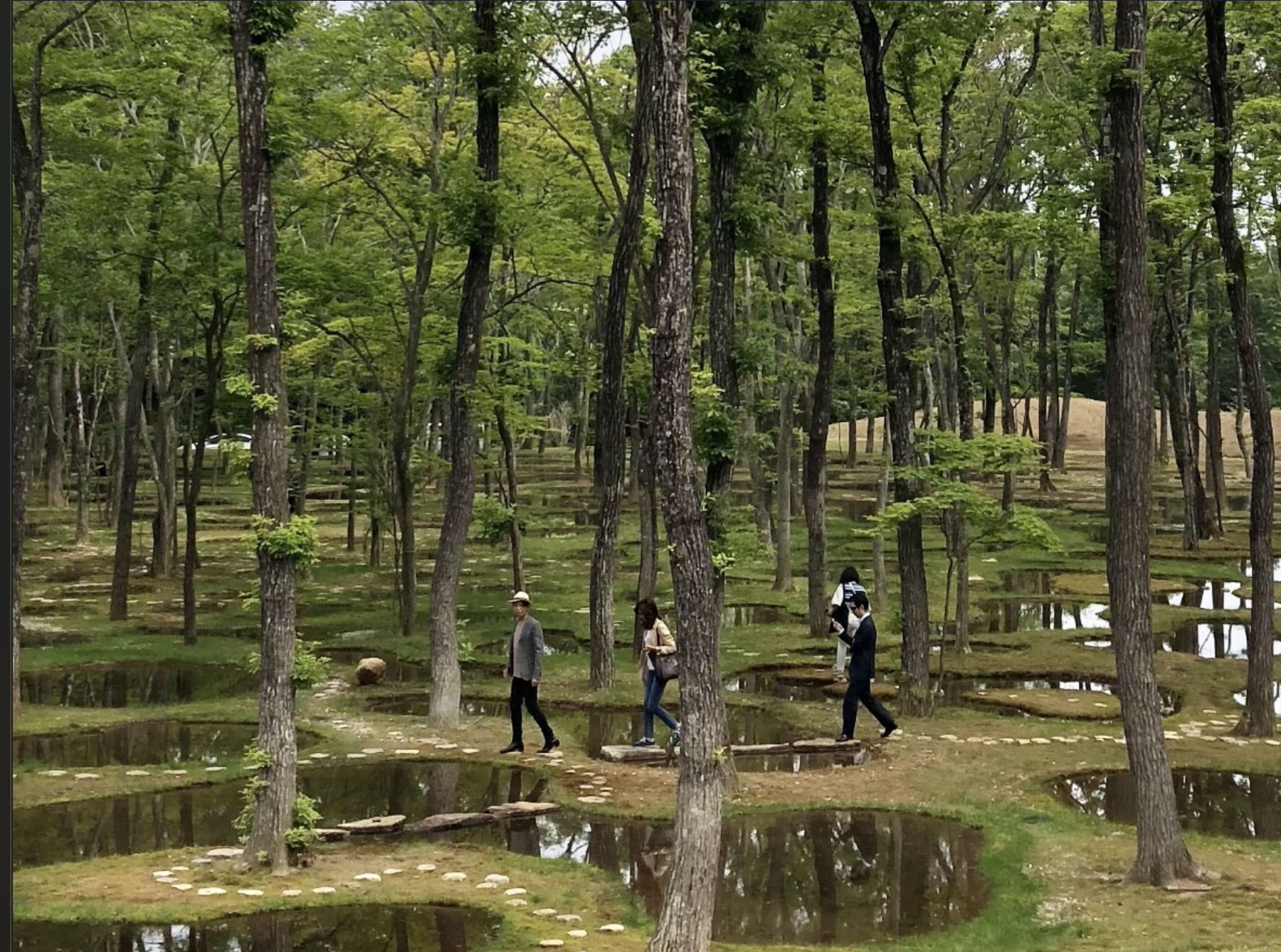
Art Biotop Nasu
Junya Ishigami (b. 1974) is one of Japan's most internationally acclaimed architects. After working at SANAA with Kazuyo Sejima, he founded junya.ishigami+associates in 2004. He received the Golden Lion for Best Project at the 12th Venice Architecture Biennale (2010) and the inaugural OBEL Award (2019), and designed the Serpentine Pavilion in London in 2019. His work was the subject of the major solo exhibition "Freeing Architecture" at the Fondation Cartier in Paris (2018). His built works include the KAIT Workshop at the Kanagawa Institute of Technology and the Water Garden at Art Biotop Nasu.
▶ Watch the proposal video for the Ishigami Hall here
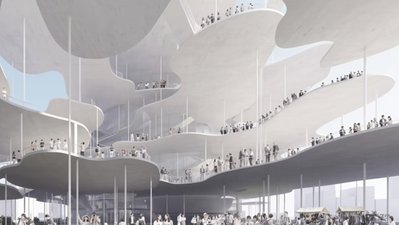
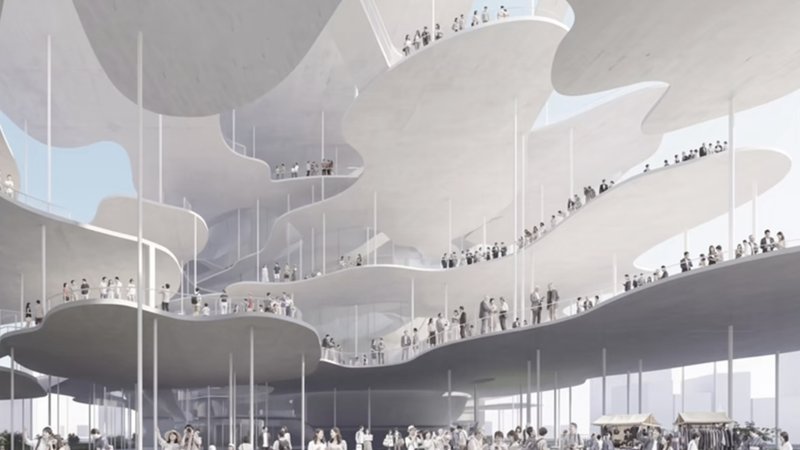
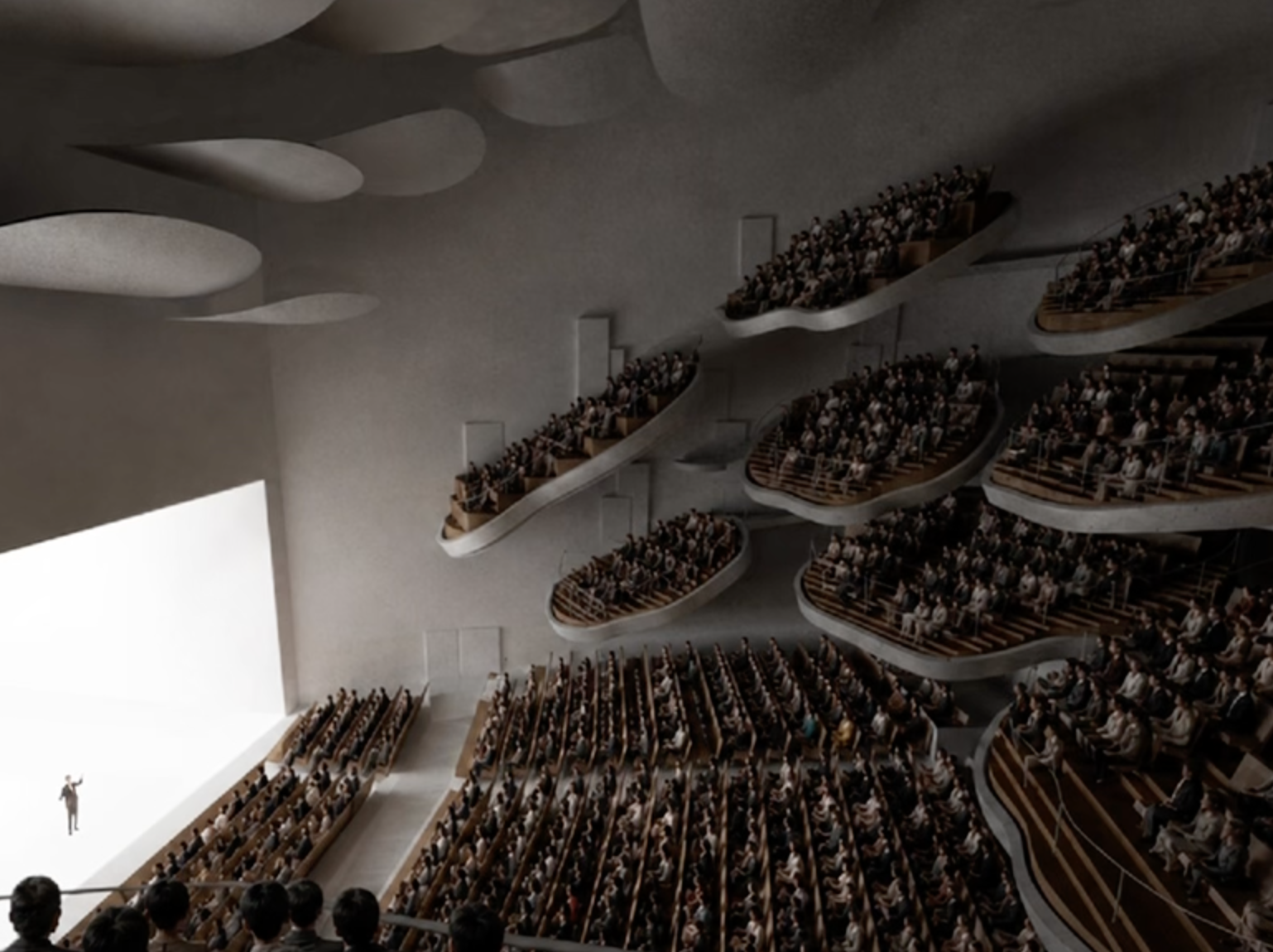
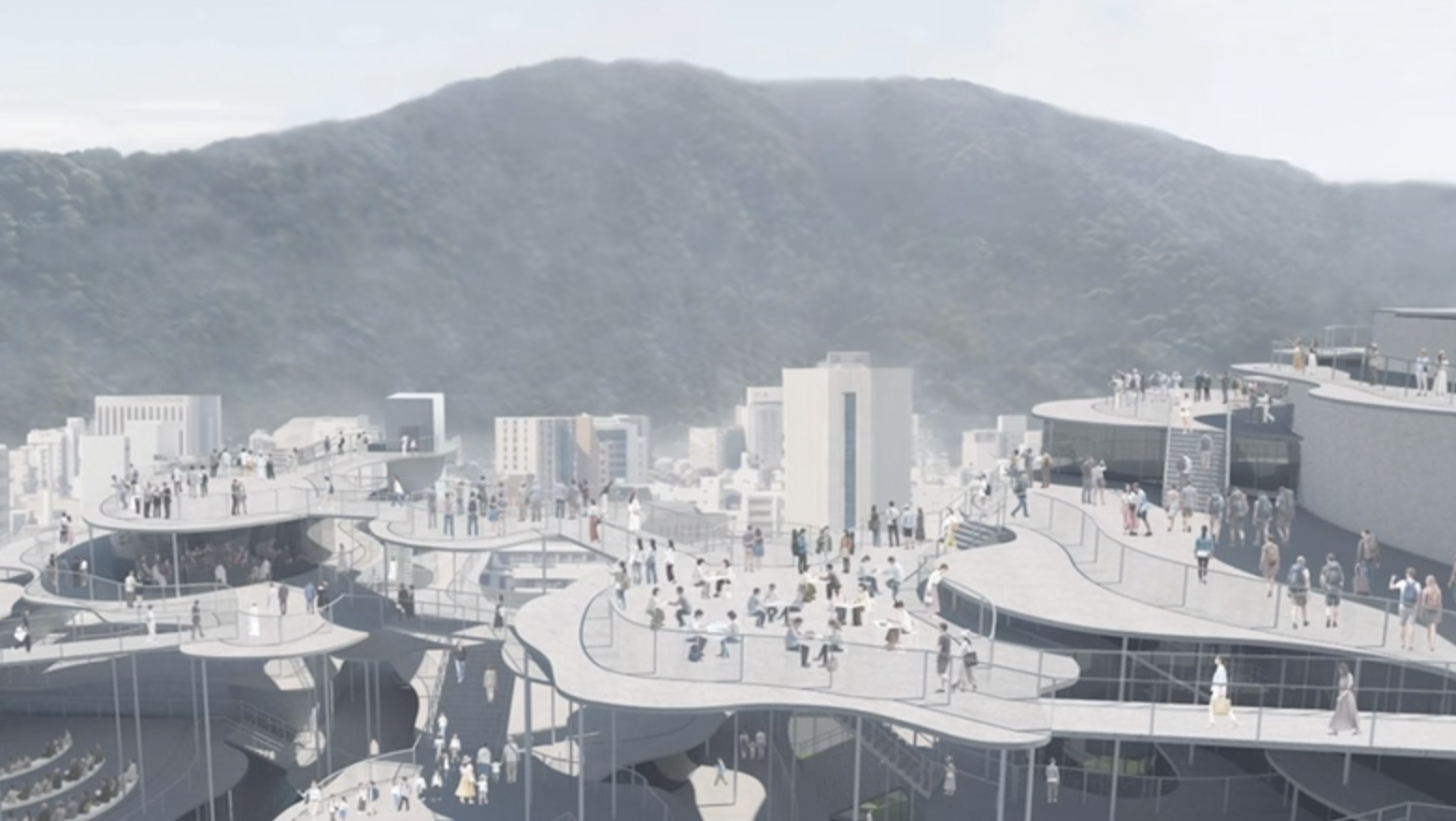
In 2021, a design proposal by a joint venture led by Kumagai Gumi, with Junya Ishigami as the architect, was selected as the preferred negotiating party in a design competition held by Tokushima Prefecture. A basic agreement was then signed to build the hall for approximately ¥19.4 billion. Titled "Gathering as if Dancing," Ishigami's design draws on the movement of Awa Odori, Tokushima's renowned traditional dance. Rather than a single massive box, the hall is conceived as a cluster of petal-like terraces — a landscape where people can gather freely, even when no performance is taking place. The plan — a main hall of about 1,800 seats and a small hall of about 300 — had progressed through the completion of detailed design, a contractor had been selected, and construction was ready to begin.
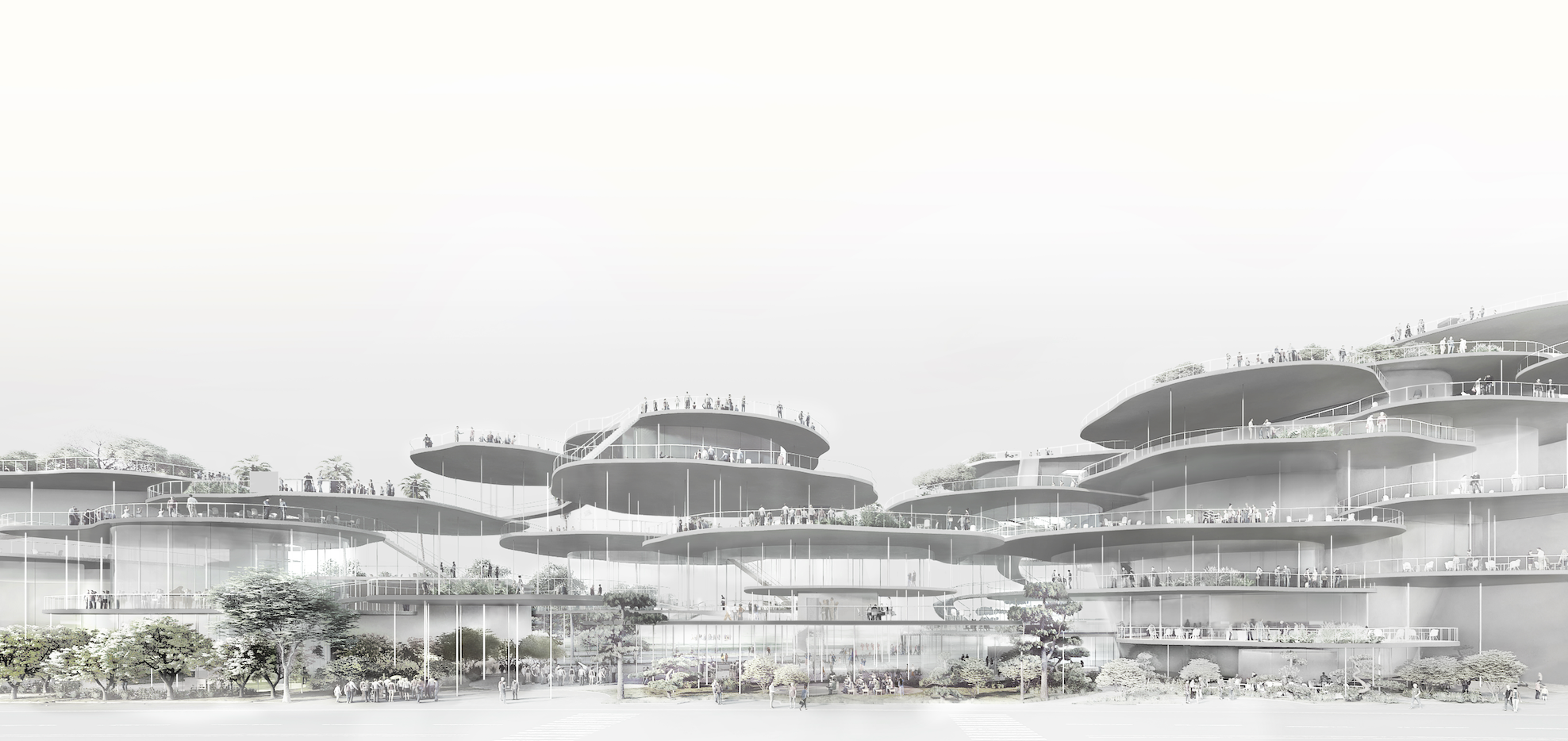
A major public building by an internationally acclaimed architect, the first of its scale in Tokushima, was about to be realized. When I heard the news, my heart raced. This project was more than a building; it carried hopes for the cultural and economic revitalization of the region. Yet after the 2023 gubernatorial election, this widely anticipated plan was effectively frozen.
Building the Ishigami Hall is an important step toward establishing Tokushima as a city of culture. It is also an excellent opportunity to promote tourism and bring economic benefits to the region. If the Ishigami Hall is realized, Tokushima will draw many people from Japan and abroad, helping to revitalize the local economy. This hall will undoubtedly attract a great number of artists and audiences. And when this original hall is joined with Awa Odori, the dance that symbolizes Tokushima, the city will shine with a new light as a cultural city open to the world.
In the summer of 2026, an exhibition of Junya Ishigami's work was held in Tokushima, welcoming more than 6,000 visitors and drawing a wide response. At the same time, difficulties in securing an exhibition venue came to light, revealing that the very space for expression is being shaken. Then, on November 4, the "Association for Realizing the Junya Ishigami Hall" was founded. Should we simply let go of the Ishigami plan, which is already fully prepared for realization? We want to think together with the people of Tokushima about the possibility that this original architecture, rare even by world standards, could advance the arts and culture of Tokushima and become a new destination drawing people from around the world, and to raise our voices toward making it happen.
"Group launched to realize the Junya Ishigami hall plan; prefectural and city assembly members join [Tokushima]" — Yahoo! News (in Japanese)
This petition does not support any particular political position. It exists simply to make visible our wish that more people come to know the Ishigami plan, which had already progressed this far. Please join this petition so that our voices can become the force that sets the plan in motion again.
So that we can choose the future landscape of Tokushima with our own hands.

1
署名活動の主旨
日本語版はこちら / Japanese version
The first time I encountered the work of architect Junya Ishigami, I felt as though architecture, nature, and I myself were melting into one another — as if I were being embraced by something vast and beautiful.
Art Biotop Nasu
Junya Ishigami (b. 1974) is one of Japan's most internationally acclaimed architects. After working at SANAA with Kazuyo Sejima, he founded junya.ishigami+associates in 2004. He received the Golden Lion for Best Project at the 12th Venice Architecture Biennale (2010) and the inaugural OBEL Award (2019), and designed the Serpentine Pavilion in London in 2019. His work was the subject of the major solo exhibition "Freeing Architecture" at the Fondation Cartier in Paris (2018). His built works include the KAIT Workshop at the Kanagawa Institute of Technology and the Water Garden at Art Biotop Nasu.
▶ Watch the proposal video for the Ishigami Hall here
In 2021, a design proposal by a joint venture led by Kumagai Gumi, with Junya Ishigami as the architect, was selected as the preferred negotiating party in a design competition held by Tokushima Prefecture. A basic agreement was then signed to build the hall for approximately ¥19.4 billion. Titled "Gathering as if Dancing," Ishigami's design draws on the movement of Awa Odori, Tokushima's renowned traditional dance. Rather than a single massive box, the hall is conceived as a cluster of petal-like terraces — a landscape where people can gather freely, even when no performance is taking place. The plan — a main hall of about 1,800 seats and a small hall of about 300 — had progressed through the completion of detailed design, a contractor had been selected, and construction was ready to begin.
A major public building by an internationally acclaimed architect, the first of its scale in Tokushima, was about to be realized. When I heard the news, my heart raced. This project was more than a building; it carried hopes for the cultural and economic revitalization of the region. Yet after the 2023 gubernatorial election, this widely anticipated plan was effectively frozen.
Building the Ishigami Hall is an important step toward establishing Tokushima as a city of culture. It is also an excellent opportunity to promote tourism and bring economic benefits to the region. If the Ishigami Hall is realized, Tokushima will draw many people from Japan and abroad, helping to revitalize the local economy. This hall will undoubtedly attract a great number of artists and audiences. And when this original hall is joined with Awa Odori, the dance that symbolizes Tokushima, the city will shine with a new light as a cultural city open to the world.
In the summer of 2026, an exhibition of Junya Ishigami's work was held in Tokushima, welcoming more than 6,000 visitors and drawing a wide response. At the same time, difficulties in securing an exhibition venue came to light, revealing that the very space for expression is being shaken. Then, on November 4, the "Association for Realizing the Junya Ishigami Hall" was founded. Should we simply let go of the Ishigami plan, which is already fully prepared for realization? We want to think together with the people of Tokushima about the possibility that this original architecture, rare even by world standards, could advance the arts and culture of Tokushima and become a new destination drawing people from around the world, and to raise our voices toward making it happen.
"Group launched to realize the Junya Ishigami hall plan; prefectural and city assembly members join [Tokushima]" — Yahoo! News (in Japanese)
This petition does not support any particular political position. It exists simply to make visible our wish that more people come to know the Ishigami plan, which had already progressed this far. Please join this petition so that our voices can become the force that sets the plan in motion again.
So that we can choose the future landscape of Tokushima with our own hands.
オンライン署名の最新情報
このオンライン署名をシェアする
2026年11月12日に作成されたオンライン署名