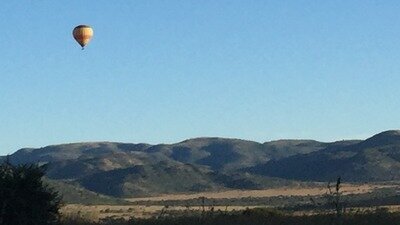

Let Pilanesberg breathe again: Ban the radio! Stop the rush!
The Issue
For many years, I have felt a deep connection with the Pilanesberg National Park and Game Reserve. Over the decades I have watched this sanctuary change in ways that bring me both sadness and concern.
When I first visited Pilanesberg, it was a refuge from the noise of the world, it was a place where wildlife moved freely and visitors came to find peace and wonder in nature. Today, that sense of peace is ebbing away.
The growing use of game drive radios by tour operators appears to be at the heart of the problem, especially with people who have limited time and are chasing the perfect picture. These radios, used to broadcast animal sightings between guides, may seem harmless, but their impact is deeply damaging to both wildlife and the visitor experience.
When one vehicle spots something special, the radio network spreads the news instantly. Within minutes, vehicles begin moving, sometimes at speeds higher than the recommended speed limits, quickly from all directions toward the sighting. The peaceful rhythm of the bush is replaced by the sound of engines and radio chatter as guides hurry to reach the sighting. What should be a quiet, magical moment turns into a busy scene that feels rushed rather than calm. Everyone feels pressured, and emotions can run high between game drive and private vehicles, some that may have been there first and are now being blocked in, and others trying to push through to get their guests a view.
Because most game drives operate only a few hours in the morning and afternoon, guides often feel pressured to deliver quick results so that they cab be paid their tips. This pressure leads to speeding, unsafe driving, and crowding around animals. Private visitors, too, sometimes follow game drive vehicles, hoping to catch the same sighting. But it is the radios that fuel this chase as they create the imbalance, turning calm observation into competition.
The animals suffer most. The noise, the sudden crowds, and the flashing cameras all disturb their natural behaviour. I have seen animals change direction, abandon a resting place, or appear visibly distressed. Once, I witnessed something that broke my heart, a leopard cub unable to reunite with its mother because the sighting was overrun by game drive vehicles. That is not the Pilanesberg I fell in love with.
The park’s roads and viewpoints were never designed to handle such traffic. The result is frustration for visitors, stress for guides, and above all, harm to the wildlife that the park is trying to protect.
Other conservation areas have already found better ways. South African National Parks (SANParks), for example, does not allow guides to use radios to share sightings in parks such as Kruger. They do this to reduce stress on animals, to prevent vehicle swarms, and to ensure that guests experience the wild in its natural, unpredictable beauty. This policy encourages guides to use their knowledge and skill, rather than radio calls, to find animals, preserving both safety and serenity. https://www.sanparks.org/wp-content/uploads/2024/09/3b.-Annexure-B-KNP-OSV-SLA-Terms-and-Conditions.pdf
I believe Pilanesberg can learn from this approach.
What We Ask For
- Ban the use of game drive radios by tour operators for reporting animal sightings: Guides should rely on their training, tracking ability, and patience, not instant gratification from radio alerts.
- Encourage a slower, more respectful style of guiding: Visitors should understand that sightings are not guaranteed, and that part of the beauty of a safari lies in the waiting, the watching, and the surprise.
- Manage all vehicle behaviour at sightings: Both private and game drive vehicles must respect each other, and the animals. But if the radio-fuelled rush ends, much of the conflict will too.
- Control congestion and enforce safe driving:The speed limit and sighting etiquette must be upheld to protect both visitors and wildlife.
- Communicate openly with all visitors: Make it clear that Pilanesberg’s goal is not quick sightings, but authentic, responsible encounters with nature.
Why This Matters
Pilanesberg is still one of the most beautiful places in South Africa. It holds incredible biodiversity, stunning landscapes, and a deep sense of peace. But if we lose that peace, if we allow radios and rushing to replace patience and respect, we will lose what makes this park truly special.
Join Me
Please sign this petition calling on Pilanesberg National Park and Game Reserve to ban the use of game drive radios for reporting animal sightings. Let us protect this sanctuary, restore its tranquility, and keep the true spirit of safari alive.
Together, we can help Pilanesberg remain what it was always meant to be: a place of wild wonder, peace, and respect for all living things.
Sign the petition. Protect the spirit of Pilanesberg.

2
The Issue
For many years, I have felt a deep connection with the Pilanesberg National Park and Game Reserve. Over the decades I have watched this sanctuary change in ways that bring me both sadness and concern.
When I first visited Pilanesberg, it was a refuge from the noise of the world, it was a place where wildlife moved freely and visitors came to find peace and wonder in nature. Today, that sense of peace is ebbing away.
The growing use of game drive radios by tour operators appears to be at the heart of the problem, especially with people who have limited time and are chasing the perfect picture. These radios, used to broadcast animal sightings between guides, may seem harmless, but their impact is deeply damaging to both wildlife and the visitor experience.
When one vehicle spots something special, the radio network spreads the news instantly. Within minutes, vehicles begin moving, sometimes at speeds higher than the recommended speed limits, quickly from all directions toward the sighting. The peaceful rhythm of the bush is replaced by the sound of engines and radio chatter as guides hurry to reach the sighting. What should be a quiet, magical moment turns into a busy scene that feels rushed rather than calm. Everyone feels pressured, and emotions can run high between game drive and private vehicles, some that may have been there first and are now being blocked in, and others trying to push through to get their guests a view.
Because most game drives operate only a few hours in the morning and afternoon, guides often feel pressured to deliver quick results so that they cab be paid their tips. This pressure leads to speeding, unsafe driving, and crowding around animals. Private visitors, too, sometimes follow game drive vehicles, hoping to catch the same sighting. But it is the radios that fuel this chase as they create the imbalance, turning calm observation into competition.
The animals suffer most. The noise, the sudden crowds, and the flashing cameras all disturb their natural behaviour. I have seen animals change direction, abandon a resting place, or appear visibly distressed. Once, I witnessed something that broke my heart, a leopard cub unable to reunite with its mother because the sighting was overrun by game drive vehicles. That is not the Pilanesberg I fell in love with.
The park’s roads and viewpoints were never designed to handle such traffic. The result is frustration for visitors, stress for guides, and above all, harm to the wildlife that the park is trying to protect.
Other conservation areas have already found better ways. South African National Parks (SANParks), for example, does not allow guides to use radios to share sightings in parks such as Kruger. They do this to reduce stress on animals, to prevent vehicle swarms, and to ensure that guests experience the wild in its natural, unpredictable beauty. This policy encourages guides to use their knowledge and skill, rather than radio calls, to find animals, preserving both safety and serenity. https://www.sanparks.org/wp-content/uploads/2024/09/3b.-Annexure-B-KNP-OSV-SLA-Terms-and-Conditions.pdf
I believe Pilanesberg can learn from this approach.
What We Ask For
- Ban the use of game drive radios by tour operators for reporting animal sightings: Guides should rely on their training, tracking ability, and patience, not instant gratification from radio alerts.
- Encourage a slower, more respectful style of guiding: Visitors should understand that sightings are not guaranteed, and that part of the beauty of a safari lies in the waiting, the watching, and the surprise.
- Manage all vehicle behaviour at sightings: Both private and game drive vehicles must respect each other, and the animals. But if the radio-fuelled rush ends, much of the conflict will too.
- Control congestion and enforce safe driving:The speed limit and sighting etiquette must be upheld to protect both visitors and wildlife.
- Communicate openly with all visitors: Make it clear that Pilanesberg’s goal is not quick sightings, but authentic, responsible encounters with nature.
Why This Matters
Pilanesberg is still one of the most beautiful places in South Africa. It holds incredible biodiversity, stunning landscapes, and a deep sense of peace. But if we lose that peace, if we allow radios and rushing to replace patience and respect, we will lose what makes this park truly special.
Join Me
Please sign this petition calling on Pilanesberg National Park and Game Reserve to ban the use of game drive radios for reporting animal sightings. Let us protect this sanctuary, restore its tranquility, and keep the true spirit of safari alive.
Together, we can help Pilanesberg remain what it was always meant to be: a place of wild wonder, peace, and respect for all living things.
Sign the petition. Protect the spirit of Pilanesberg.
The Decision Makers
Petition Updates
Share this petition
Petition created on 11 November 2025