The Tokyo National Museum should restore cultural assets that were illegally smuggled out
The Issue
The Tokyo National Museum should restore cultural assets that were illegally smuggled out from Joseon of the Japanese colonial era!
According to the National Research Institute of Cultural Heritage(NRICH) Korea, it is estimated that there are about 172,000 cultural assets that have been taken out overseas.
Among them, with the exception of diplomacy, trade, and gift, about 30,000 pieces of cultural assets are believed to be illicitly stolen.
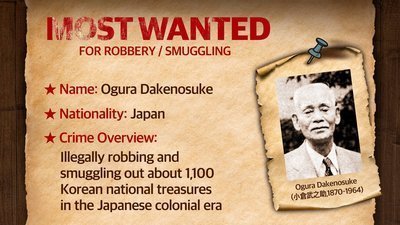
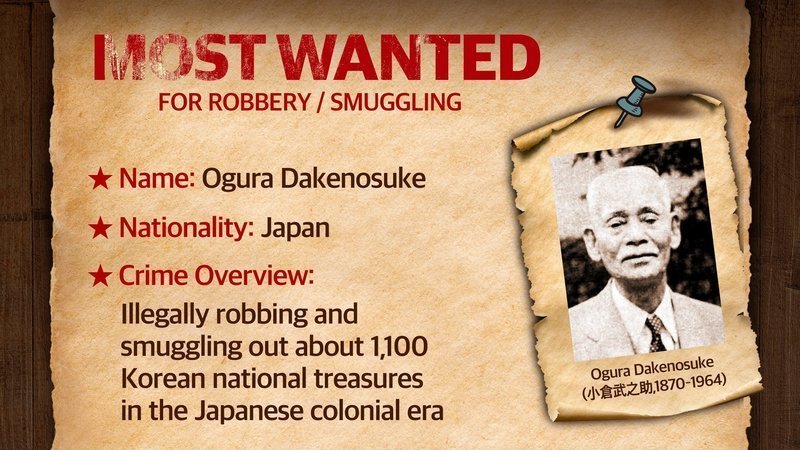
Specifically, the Ogura Collection is a representation of treasures that were extorted throughout the Korean peninsula in the Japanese colonial era.
During the conclusion of the Treaty on Basic Relations between the Republic of Korea and Japan in 1965, the Korean government strongly demanded the return of the Ogura Collection, but the Japanese counterpart refused it because they claimed it to be private rather than publicly owned.
125 of the 241 Korean cultural assets currently displayed at the Asian Gallery of the Tokyo National Museum were donated by the Ogura Foundation.
The donated items are no longer privately owned.
Thus, VANK requests the restoration of the Ogura Collection displayed at the Asian Gallery of the Tokyo National Museum.
There has been claims that the Ogura collection lacks proof of being illegally taken out.
However, according to the Article 11 of <Convention on the Means of Prohibiting and Preventing the Illicit Import, Export and Transfer of Ownership of Cultural Property>, the Ogura Collection is deemed illicit.
Article 11 : The export and transfer of ownership of cultural property under compulsion arising directly or indirectly from the occupation of a country by a foreign power shall be regarded as illicit.
During the Japanese colonial rule, the Japanese Government-General exercised governmental authority to excavate and examine Korean cultural properties, and as an opportunity, Ogura collected and took out those assets.
This act is obviously illegal as a compulsory export of cultural properties arising from the occupation of a country.
According to the Article 6.3 of <International Council of Museums(ICOM) Code of Ethics>. museum should take actions to return the assets that have been exported illegally.
Article 6.3 [Restitution of Cultural Property]
When a country or people of origin seeks the restitution of an object or specimen that can be demonstrated to have been exported or otherwise transferred in violation of the principles of international and national conventions, and shown to be part of that country’s or people’s cultural or natural heritage, the museum concerned should, if legally free to do so, take prompt and responsible steps to cooperate in its return.
The Tokyo National Museum should accept requests for the return of the Ogura Collection, the illicitly exported cultural properties, and take prompt and responsible steps to cooperate in the return of museum properties.
The International Council of Museums(ICOM) is obliged to demand the Tokyo National Museum to comply with the Code of Ethics.
Therefore, we request the return of the Ogura Collection as follows.
First, the International Council of Museums(ICOM) should demand the Tokyo National Museum to stop displaying and return the illegally exported cultural assets.
Second, the Tokyo National Museum should restore cultural assets donated by the Ogura Foundation that were illegally smuggled out from Joseon of the Japanese colonial era.
도쿄국립박물관은 일제강점기 조선으로부터 불법 반출한 문화재를 반환하라!
국립문화재연구소 등에 따르면 현재까지 해외로 유출된 문화재는 17만2천여 점으로 추정됩니다.
이 가운데 외교와 매매, 선물 등의 방식을 제외한 불법도난 문화재만 3만 점에 이르는 것으로 파악되고 있습니다.
그 중에서도 오구라 컬렉션은 오구라 다케노스케가 일제강점기에 한반도 각지에서 갈취한 문화재입니다.
1965년 한일기본조약 체결 당시 한국 정부는 오구라 컬렉션의 반환을 강력히 요구하였으나 일본 정부는 정부 소장이 아닌 민간소장품이라는 이유로 거부하여 반환이 이뤄지지 않았습니다.
현재 도쿄국립박물관 동양관 한국문화재 241건 중 125건이 오구라 컬렉션 보존회에서 기증한 물건입니다.
기증받은 물건은 더이상 민간소유가 아닙니다.
따라서 반크는 도쿄국립박물관 동양관에 전시되어있는 오구라 컬렉션의 반환을 요구합니다.
오구라 컬렉션이 불법 도난품이라는 입증이 부족하다는 주장도 있습니다.
그러나 <문화재의 불법적인 반출입 및 소유권 양도의 금지와 예방수단에 관한 협약> 제 11조에 따르면 오구라 컬렉션은 불법으로 간주됩니다.
제 11조 : 외국 군대에 의한 일국의 점령으로부터 직접적으로 또는 간접적으로 발생하는 강제적인 문화재의 반출과 소유권의 양도는 불법으로 간주된다.
일제강점기 조선총독부가 공권력을 이용해 한국 문화재를 발굴 조사하였고, 이를 기회로 오구라는 문화재를 수집, 반출하였습니다.
이는 명백히 일국의 점령으로부터 발생한 강제적인 문화재의 반출로서 불법입니다.
<국제박물관협의회 윤리강령> 6.3조에 따르면 박물관은 불법 반출된 문화재의 반환을 위한 조치를 해야 합니다.
제 6.3조 [문화재의 원상 회복]
박물관 자료가 유래한 국가 또는 민족이, 국제 및 국내 법령을 위반하여 반출 또는 양도된 것으로 확실시되는 박물관 자료의 반환을 요청하고 그것이 실제 요청 국가 또는 민족의 문화적 자연적 유산인 경우, 관련 박물관은 법이 허용하는 한 해당 박물관 자료의 반환에 협력하기 위한 신속하고 책임 있는 조치를 취해야 한다.
도쿄국립박물관은 불법 반출된 문화재인 오구라 컬렉션의 반환 요청을 받아들이고, 박물관 자료의 반환에 협력하기 위한 신속하고 책임있는 조치를 취해야 합니다.
국제박물관협의회는 도쿄국립박물관의 강령 준수를 요구할 의무가 있습니다.
따라서 우리는 오구라 컬렉션의 반환을 위해 다음과 같이 요구합니다.
하나, 국제 박물관 협의회는 도쿄 국립박물관의 불법 반출된 문화재 전시를 중단하고 반환할 것을 요구하라.
둘, 도쿄국립박물관은 오구라가 기증한 일제강점기 조선으로부터 불법 반출한 컬렉션을 반환하라.

Petition Closed
The Issue
The Tokyo National Museum should restore cultural assets that were illegally smuggled out from Joseon of the Japanese colonial era!
According to the National Research Institute of Cultural Heritage(NRICH) Korea, it is estimated that there are about 172,000 cultural assets that have been taken out overseas.
Among them, with the exception of diplomacy, trade, and gift, about 30,000 pieces of cultural assets are believed to be illicitly stolen.
Specifically, the Ogura Collection is a representation of treasures that were extorted throughout the Korean peninsula in the Japanese colonial era.
During the conclusion of the Treaty on Basic Relations between the Republic of Korea and Japan in 1965, the Korean government strongly demanded the return of the Ogura Collection, but the Japanese counterpart refused it because they claimed it to be private rather than publicly owned.
125 of the 241 Korean cultural assets currently displayed at the Asian Gallery of the Tokyo National Museum were donated by the Ogura Foundation.
The donated items are no longer privately owned.
Thus, VANK requests the restoration of the Ogura Collection displayed at the Asian Gallery of the Tokyo National Museum.
There has been claims that the Ogura collection lacks proof of being illegally taken out.
However, according to the Article 11 of <Convention on the Means of Prohibiting and Preventing the Illicit Import, Export and Transfer of Ownership of Cultural Property>, the Ogura Collection is deemed illicit.
Article 11 : The export and transfer of ownership of cultural property under compulsion arising directly or indirectly from the occupation of a country by a foreign power shall be regarded as illicit.
During the Japanese colonial rule, the Japanese Government-General exercised governmental authority to excavate and examine Korean cultural properties, and as an opportunity, Ogura collected and took out those assets.
This act is obviously illegal as a compulsory export of cultural properties arising from the occupation of a country.
According to the Article 6.3 of <International Council of Museums(ICOM) Code of Ethics>. museum should take actions to return the assets that have been exported illegally.
Article 6.3 [Restitution of Cultural Property]
When a country or people of origin seeks the restitution of an object or specimen that can be demonstrated to have been exported or otherwise transferred in violation of the principles of international and national conventions, and shown to be part of that country’s or people’s cultural or natural heritage, the museum concerned should, if legally free to do so, take prompt and responsible steps to cooperate in its return.
The Tokyo National Museum should accept requests for the return of the Ogura Collection, the illicitly exported cultural properties, and take prompt and responsible steps to cooperate in the return of museum properties.
The International Council of Museums(ICOM) is obliged to demand the Tokyo National Museum to comply with the Code of Ethics.
Therefore, we request the return of the Ogura Collection as follows.
First, the International Council of Museums(ICOM) should demand the Tokyo National Museum to stop displaying and return the illegally exported cultural assets.
Second, the Tokyo National Museum should restore cultural assets donated by the Ogura Foundation that were illegally smuggled out from Joseon of the Japanese colonial era.
도쿄국립박물관은 일제강점기 조선으로부터 불법 반출한 문화재를 반환하라!
국립문화재연구소 등에 따르면 현재까지 해외로 유출된 문화재는 17만2천여 점으로 추정됩니다.
이 가운데 외교와 매매, 선물 등의 방식을 제외한 불법도난 문화재만 3만 점에 이르는 것으로 파악되고 있습니다.
그 중에서도 오구라 컬렉션은 오구라 다케노스케가 일제강점기에 한반도 각지에서 갈취한 문화재입니다.
1965년 한일기본조약 체결 당시 한국 정부는 오구라 컬렉션의 반환을 강력히 요구하였으나 일본 정부는 정부 소장이 아닌 민간소장품이라는 이유로 거부하여 반환이 이뤄지지 않았습니다.
현재 도쿄국립박물관 동양관 한국문화재 241건 중 125건이 오구라 컬렉션 보존회에서 기증한 물건입니다.
기증받은 물건은 더이상 민간소유가 아닙니다.
따라서 반크는 도쿄국립박물관 동양관에 전시되어있는 오구라 컬렉션의 반환을 요구합니다.
오구라 컬렉션이 불법 도난품이라는 입증이 부족하다는 주장도 있습니다.
그러나 <문화재의 불법적인 반출입 및 소유권 양도의 금지와 예방수단에 관한 협약> 제 11조에 따르면 오구라 컬렉션은 불법으로 간주됩니다.
제 11조 : 외국 군대에 의한 일국의 점령으로부터 직접적으로 또는 간접적으로 발생하는 강제적인 문화재의 반출과 소유권의 양도는 불법으로 간주된다.
일제강점기 조선총독부가 공권력을 이용해 한국 문화재를 발굴 조사하였고, 이를 기회로 오구라는 문화재를 수집, 반출하였습니다.
이는 명백히 일국의 점령으로부터 발생한 강제적인 문화재의 반출로서 불법입니다.
<국제박물관협의회 윤리강령> 6.3조에 따르면 박물관은 불법 반출된 문화재의 반환을 위한 조치를 해야 합니다.
제 6.3조 [문화재의 원상 회복]
박물관 자료가 유래한 국가 또는 민족이, 국제 및 국내 법령을 위반하여 반출 또는 양도된 것으로 확실시되는 박물관 자료의 반환을 요청하고 그것이 실제 요청 국가 또는 민족의 문화적 자연적 유산인 경우, 관련 박물관은 법이 허용하는 한 해당 박물관 자료의 반환에 협력하기 위한 신속하고 책임 있는 조치를 취해야 한다.
도쿄국립박물관은 불법 반출된 문화재인 오구라 컬렉션의 반환 요청을 받아들이고, 박물관 자료의 반환에 협력하기 위한 신속하고 책임있는 조치를 취해야 합니다.
국제박물관협의회는 도쿄국립박물관의 강령 준수를 요구할 의무가 있습니다.
따라서 우리는 오구라 컬렉션의 반환을 위해 다음과 같이 요구합니다.
하나, 국제 박물관 협의회는 도쿄 국립박물관의 불법 반출된 문화재 전시를 중단하고 반환할 것을 요구하라.
둘, 도쿄국립박물관은 오구라가 기증한 일제강점기 조선으로부터 불법 반출한 컬렉션을 반환하라.
The Decision Makers
Petition Updates
Share this petition
Petition created on July 20, 2020