

Implement National Safety Standards for Managed Beehives – For Bees, For Everyone
The Issue
Protect Families: Introduce National Safety Standards for Managed Beehives– For Bees, For Everyone
No family should have to wait for a tragedy to sting before action is taken.
Honeybees are important pollinators, and responsible beekeeping deserves support. However, managed colonies can become defensive unexpectedly, and bee venom can cause life-threatening anaphylaxis, even after previously uneventful stings. Beekeepers themselves face an increased risk of venom allergy through repeated exposure to stings.
Why must things change?
There is currently no dedicated national legislation governing the safe siting of managed beehives near homes, schools or public spaces. Instead, beekeepers are provided with advisory guidance that is not legally enforceable in its own right.
Anyone can become a beekeeper in the UK without a compulsory licence or formal training. As people look for ways to support nature and the environment, beekeeping can be an appealing choice. However, good intentions must be matched by clear responsibilities and appropriate safeguards to protect bees, pets, beekeepers, neighbouring families and the wider public.
Although broader laws may apply, there is no consistent national framework requiring preventative safety measures.
We are calling for six changes:
1. Independent government review of managed apiary safety involving DEFRA, allergy specialists, councils and beekeeping organisations.
2. Enforceable national safety standards for apiary siting and colony management.
3. Proportionate risk assessments where managed beehives present foreseeable risks.
4. Mandatory Environmental Health Officer training covering honeybee behaviour, venom allergy, anaphylaxis and enforcement powers.
5. Clear responsibilities and effective enforcement when safety concerns are reported.
6. Greater awareness of venom allergy and anaphylaxis, including emergency treatment and specialist support.
The alarm has been sounded. Now Westminster must listen.
We call on everyone families, beekeepers, allergy specialists, local authorities, public figures and politicians from every party to stand together in support of safer managed apiaries and the prevention of avoidable harm.
Protecting bees and protecting people should go hand in hand.
Why is this personal to us?
What if it was your daddy?
In July 2026, my husband suffered a serious reaction following a honeybee sting near our family home in England. He experienced intense itching, swelling of his ear and neck, lip tingling and difficulty speaking, requiring hospital treatment.
Since then, our children have been frightened to play outside, and we have lost the freedom to enjoy our own home and garden.
What if it was your child?
In Scotland, Rosie Kirkness and her young son Jamie were each stung more than 150 times during a terrifying honeybee incident. Both were airlifted to hospital.
Two families. Two frightening experiences. One shared concern: protecting families before tragedy stings.
Anaphylaxis doesn't discriminate. It doesn't care if it's someone you love.
Please sign and share this petition. Help turn awareness into action.
For our children. For our future.
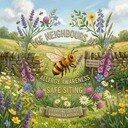
Bee Neighbours UK — Allergy Awareness & Safe Siting
3
The Issue
Protect Families: Introduce National Safety Standards for Managed Beehives– For Bees, For Everyone
No family should have to wait for a tragedy to sting before action is taken.
Honeybees are important pollinators, and responsible beekeeping deserves support. However, managed colonies can become defensive unexpectedly, and bee venom can cause life-threatening anaphylaxis, even after previously uneventful stings. Beekeepers themselves face an increased risk of venom allergy through repeated exposure to stings.
Why must things change?
There is currently no dedicated national legislation governing the safe siting of managed beehives near homes, schools or public spaces. Instead, beekeepers are provided with advisory guidance that is not legally enforceable in its own right.
Anyone can become a beekeeper in the UK without a compulsory licence or formal training. As people look for ways to support nature and the environment, beekeeping can be an appealing choice. However, good intentions must be matched by clear responsibilities and appropriate safeguards to protect bees, pets, beekeepers, neighbouring families and the wider public.
Although broader laws may apply, there is no consistent national framework requiring preventative safety measures.
We are calling for six changes:
1. Independent government review of managed apiary safety involving DEFRA, allergy specialists, councils and beekeeping organisations.
2. Enforceable national safety standards for apiary siting and colony management.
3. Proportionate risk assessments where managed beehives present foreseeable risks.
4. Mandatory Environmental Health Officer training covering honeybee behaviour, venom allergy, anaphylaxis and enforcement powers.
5. Clear responsibilities and effective enforcement when safety concerns are reported.
6. Greater awareness of venom allergy and anaphylaxis, including emergency treatment and specialist support.
The alarm has been sounded. Now Westminster must listen.
We call on everyone families, beekeepers, allergy specialists, local authorities, public figures and politicians from every party to stand together in support of safer managed apiaries and the prevention of avoidable harm.
Protecting bees and protecting people should go hand in hand.
Why is this personal to us?
What if it was your daddy?
In July 2026, my husband suffered a serious reaction following a honeybee sting near our family home in England. He experienced intense itching, swelling of his ear and neck, lip tingling and difficulty speaking, requiring hospital treatment.
Since then, our children have been frightened to play outside, and we have lost the freedom to enjoy our own home and garden.
What if it was your child?
In Scotland, Rosie Kirkness and her young son Jamie were each stung more than 150 times during a terrifying honeybee incident. Both were airlifted to hospital.
Two families. Two frightening experiences. One shared concern: protecting families before tragedy stings.
Anaphylaxis doesn't discriminate. It doesn't care if it's someone you love.
Please sign and share this petition. Help turn awareness into action.
For our children. For our future.
Bee Neighbours UK — Allergy Awareness & Safe Siting
The Decision Makers



Petition Updates
Share this petition
Petition created on 21 October 2026