No money, no justice! A chance encounter at the courthouse and its echoe -- 没有钱,就没有正义! 一次法院偶遇与三十年的回声

No Money, No Justice
A Courthouse Encounter and a Thirty-Year Echo
A chapter of my autobiography of Climbing Over the Mountains
Today, at the Calgary Courthouse, I met a woman named Christina. She was homeless.
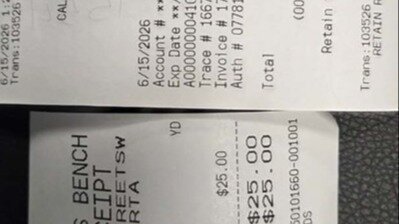
She needed commissioner service for a court document because she had a chamber hearing scheduled for the morning of June 16, 2026. The fee was $25. To many people, $25 may seem small — the price of a simple meal, a small daily expense, or only part of a tank of gas. But for a homeless person standing inside a courthouse, $25 can become a locked gate between her and the justice system.
Because Christina could not pay, she could not receive the commissioner service she needed. I decided to help her cover the cost. After I paid the fee, she was finally able to go to the counter and have her document dealt with.
Later, I learned that Legal Aid had reportedly refused to assist her because she had an outstanding amount of about $1,000. I do not know all the details of her situation, but I could not help asking myself: how is a homeless person supposed to pay $1,000 in order to qualify again for help from Legal Aid? If a person already has nothing, how can the system make payment the condition for access?
Afterward, Christina provided me with her full name and cell phone number. I keep that information privately in my records. I will not publish her personal contact information without her consent. My purpose is not to expose her private life. My purpose is to show how a real vulnerable person can be blocked from basic court access over a small fee.
That moment deeply touched me. It also brought back a sentence I heard almost thirty years ago.
About thirty years ago, in Quebec, while I was struggling to seek justice after the tragic death of my late wife, Cuiqin Ren, a Justice Minister spoke to me in person and said words I could never forget:
“No money, no justice.”
At that time, I was still young in my understanding of Canada’s legal and political systems. I believed that if a person had facts, evidence, honesty, and persistence, justice would eventually open its door. I wanted to believe that Canada’s justice system, despite its imperfections, would protect ordinary people, vulnerable people, and people like me — people who had lost almost everything but still refused to give up.
But those words stayed in my heart like a cold stone.
Thirty years later, in an Alberta courthouse, I saw Christina refused basic service because she did not have $25. At that moment, the old sentence returned to me with painful clarity:
No money, no justice.
A courthouse exists.
The law exists.
The counter is open.
The forms are there.
The judge may be there.
But if a poor person cannot pay the first small fee, the door is not truly open.
This is not only Christina’s problem. It is a deep wound in the justice system.
When a homeless woman cannot access commissioner service because of $25, what does “fair justice” mean?
When a self-represented person must pay $100 for an application in the course of a proceeding, what does “access to justice” mean?
When poor, elderly, disabled, traumatized, or immigrant citizens must fight powerful institutions without lawyers, without money, and often without proper guidance, what does “equality before the law” really mean?
The law may say that every person has rights. But rights on paper are not enough. If the process to enforce those rights is too expensive, too complicated, or too cold toward the vulnerable, then justice becomes something reserved mainly for those who can afford to reach it.
I have experienced this personally for more than thirty years.
After my wife’s tragic death in Montreal in 1995, I spent decades trying to obtain answers and documents. Again and again, I faced closed doors, silence, delay, bureaucracy, and the heavy cost of continuing. Later, in Alberta, I faced another long struggle involving my properties, my business, municipal actions, land title issues, and court processes that became almost impossible for an ordinary self-represented citizen to manage alone.
Through these years, I learned a painful truth: the justice system may appear neutral from the outside, but inside the system, money often decides how far a person can go.
People with money can hire lawyers.
People with money can file applications again and again.
People with money can pay for transcripts, records, commissioners, process servers, expert reports, and appeals.
People with money can survive delay.
But poor people often cannot even begin.
That is why Christina’s $25 fee was not just $25. It was a symbol.
It symbolized the distance between the promise of justice and the reality of justice. It symbolized how vulnerable citizens are pushed away before their voices are even heard. It symbolized a system that speaks the language of fairness but often operates through the language of fees, procedures, deadlines, and technical barriers.
I do not blame courthouse staff personally. Many of them are only following rules. But rules made without compassion can become instruments of exclusion. A system can be legally correct and still morally wrong.
If a homeless person needs to swear an affidavit, the system should not simply say, “Pay first.”
If a disabled senior needs to file an application, the system should not make the process so costly and confusing that justice becomes unreachable.
If a self-represented litigant is facing government bodies, municipalities, or powerful institutions, the system should not pretend both sides are equal when one side has lawyers, resources, and professional knowledge, while the other side has only truth, pain, and persistence.
Fair justice should not mean justice only for the rich, the educated, or the well-connected.
Fair justice should mean that the poor person’s voice can still be heard.
The homeless person’s document can still be sworn.
The disabled senior can still bring an application.
The immigrant with imperfect English can still explain the truth.
The self-represented person can still be treated with dignity.
Today, I helped Christina pay the $25. It was a small act, but to me it carried a much larger meaning.
I did not help her because I am rich. I am not. I helped her because I have been standing outside the gate of justice for many years myself. I know how cold that gate can feel. I know what it means to be treated as if your pain is less important because you do not have money.
When I saw Christina, I saw not only a homeless woman. I saw many ordinary citizens quietly defeated by the cost of justice. I saw myself from many years ago. I saw my late wife’s unresolved case. I saw my own long struggle against bureaucracy. I saw the broken promise of fairness.
Thirty years ago, I heard the sentence:
“No money, no justice.”
Today, I do not repeat it with acceptance. I repeat it as an accusation against a system that must do better.
From that moment, I also saw another layer behind the problem. The system’s usual response is often: “It is not our fault. We are only following the regulations, rules, procedures, and legal codes. We may feel sorry that you have to go through this hardship, but this is how the system works.”
But that response is exactly where the deeper problem begins. If everyone only follows rules mechanically, without asking whether those rules still serve fair justice, human dignity, and the public interest, then the system may become cold and lifeless. It may be legally correct on paper, but morally blind in reality.
A justice system should not only ask, “Did we follow the rule?” It should also ask, “Did we protect fairness? Did we protect vulnerable people? Did we protect public trust? Did we serve the public interest?”
From there, I began to see how easily the system can protect itself from guilt. When my cases were rejected, struck, delayed, or when costs were ordered against me in favour of a municipality, people inside the system could still say they were only following rules, procedures, and legal standards.
But for victims, those decisions are not just paperwork. They create real consequences: loss of property, loss of business, loss of access to personal belongings, emotional suffering, financial crisis, and years of fear and uncertainty.
What hurt me most was the cold distance between the decision-makers and the lives affected by their decisions. A file can be closed, an order can be signed, costs can be granted, and the system can continue as usual. People can return to their coffee, their offices, their weekends, and their vacations. But the victims affected by those decisions may continue living under multiple crises, with no peace, no recovery, and no real way forward.
This is why I say the problem is not only legal. It is also moral. A justice system should not be satisfied merely because a rule was followed. It must also ask whether its decisions protect fairness, human dignity, public trust, and the public interest.
My own case was not created by one isolated decision. Based on the evidence I have collected, it appears to show a long pattern of municipal conduct that damaged, isolated, and gradually weakened my business and my life in the Village of Standard.
In my experience, the Village Office used its authority in ways that seriously harmed an ordinary resident and small business owner. The Village dumped street snow onto both of my properties for years. It raised permit issues over an existing patio. It used excuses to avoid moving forward with historical-site recognition for my hotel, even though that recognition was important to potential investment. It claimed it had to protect every tax dollar, yet refused to support practical tourism opportunities, including listing my hotel and the Village on the Boomtown tourism route.
At the same time, my business was repeatedly placed under pressure through inspections and administrative obstacles. My hotel was minimized on the official Village website, blocked from the digital promotion board, and excluded from the Centennial celebration, even though the hotel had historical awareness value. These actions did not merely hurt my pride. They directly affected visibility, customer flow, investment value, and business survival.
The pattern became even more serious when municipal facilities and insiders appeared to compete against my business. The arena food counter extended its operating hours. An extra building was connected to the arena. A lounge associated with a municipal official, Carol’s Bar & Lounge, was created in direct competition with my hotel/bar business. In my view, this was not fair community development. It was public power being used in a way that weakened a private small business owner.
The same pattern appeared when I tried to bring new investment and new projects to the community. When investors showed interest in the old school property for an Asian healthcare concept, the Village moved into a priority position, even though I had been first in line. Yet instead of turning that property into a meaningful project, the opportunity disappeared and the property was returned to an empty field.
During COVID-19, I also proposed technology-based agriculture, aquaculture, and a Mini Christian Andersen Fairy-Tale Museum. Provincial and federal officers followed up, and even the Danish Embassy in Ottawa became involved. I wrote to the Village asking to turn the page and work together for the improvement of the local economy. The Village never responded.
After my bar was robbed, I expected assistance and support as a victimized business owner. Instead, the damaged vending machine connected to the robbery was removed by the Village. To me, this was not protection. It was another example of how the victim was left further harmed.
There were also incidents involving pressure on my business operations, alleged interference with customer support, rumours that had to be corrected by my health inspector, and situations where inspectors and RCMP became involved because of concerns around illegal private bar activity affecting my business. There were also issues involving my tenant and rental income, where I believe municipal influence contributed to further loss.
Taken together, these events raise a serious public question: was the Village acting for the benefit of the community, or was municipal authority used in a way that obstructed, marginalized, and damaged one business owner?
I do not ask this question from emotion alone. I ask it from years of accumulated records, photographs, letters, invoices, proposals, witness information, and lived experience.
The facts I present are not merely complaints from my personal life. They are facts I personally experienced, documented, and carried through many years of struggle. I do not raise them only to ask for immediate justice for myself. I raise them because I have sacrificed much of my personal life trying to expose how ordinary people can be harmed when public systems fail to protect fairness, accountability, and the public interest.
A country cannot call itself just only because it has courts.
A country is truly just when even the poorest person can enter those courts with dignity.
A justice system cannot be measured only by its laws, buildings, judges, or procedures. It must be measured by how it treats the weakest person standing at the counter with no money in her pocket.
Today, Christina reminded me why I cannot remain silent.
If my suffering can help wake up the system, help protect future victims, and help Canada improve the way its institutions respond to vulnerable citizens, then my struggle may still carry public meaning beyond my own case.
Because if justice belongs only to those who can afford it, then it is not justice.
It is privilege.
And Canada must do better than that.
Peterpan1668 (Peter Zhen Guo Pan 潘振国) wrote on June 16, 2026
没有钱,就没有正义! 一次法院偶遇与三十年的回声
《攀越群山》自传章节之一
今天,在卡尔加里法院,我遇到一位名叫 Christina 的女士。她无家可归。
她需要为一份法院文件办理宣誓/监誓服务,因为她在 2026 年 6 月 16 日上午有一个庭审程序。费用是 25 加元。对许多人来说,25 加元也许只是很小的一笔钱——一顿简单饭钱、一项日常小开支,或者半箱油都不到。但对一个站在法院里的无家可归者来说,25 加元却可能成为她与司法系统之间的一道锁门。
因为 Christina 付不起这笔钱,她无法获得自己所需要的监誓服务。我决定帮她支付这 25 加元。费用付清之后,她才终于能够到柜台办理她的法院文件。
后来我听说,法律援助也曾因为她还有大约 1,000 加元的欠款而拒绝继续为她提供帮助。我不了解她全部的具体情况,但我忍不住问自己:一个无家可归的人,要如何先偿还 1,000 加元,才能重新获得法律援助?如果一个人已经一无所有,系统怎么还能把付款作为获得帮助的前提?
事后,Christina 向我提供了她的全名和手机号码。我将这些信息作为私人记录保存。我不会在未经她同意的情况下公开她的个人联系方式。我的目的并不是暴露她的私生活,而是要说明,一个真实存在的弱势个体,如何可能因为一笔小小的费用而被挡在基本法院服务之外。
这一幕深深触动了我,也让我想起了将近三十年前听到的一句话。
大约三十年前,在魁北克,当我正在为亡妻 Cuiqin Ren 的悲剧死亡寻求司法公正时,一位司法部长曾当面对我说过一句我永远无法忘记的话:
“没有钱,就没有正义。”
那时候,我对加拿大法律和政治系统的理解还很年轻、很天真。我相信,一个人只要有事实、有证据、有诚实、有坚持,正义的大门终有一天会打开。我愿意相信,加拿大的司法制度尽管并不完美,但终究会保护普通人、弱势者,以及像我这样几乎失去一切却仍然拒绝放弃的人。
可是,那句话像一块冰冷的石头一样,留在了我的心里。
三十年后,在阿尔伯塔省的一座法院里,我看到 Christina 因为没有 25 加元而被拒绝基本服务。那一刻,那句旧话又带着刺痛的清晰度回到我的心中:
没有钱,就没有正义。
法院存在。
法律存在。
柜台是开的。
表格在那里。
法官也可能就在楼上。
但是,如果一个贫穷的人连第一笔小小的费用都付不起,那扇门就并没有真正打开。
这并不只是 Christina 一个人的问题。这是司法系统里一道很深的伤口。
当一个无家可归的女性因为 25 加元而无法办理监誓服务时,“公平正义”到底意味着什么?
当一个自我代表者在诉讼过程中必须支付 100 加元申请费时,“司法可及性”到底意味着什么?
当贫穷者、老人、残障者、受创伤者或移民,必须在没有律师、没有钱、也常常没有足够指导的情况下,与强大的机构抗争时,“法律面前人人平等”到底意味着什么?
法律可以说每个人都有权利。但是,纸面上的权利并不够。如果实现这些权利的过程过于昂贵、过于复杂,或者对弱势者过于冷漠,那么正义就会变成一种主要留给有能力负担的人才能触及的东西。
我个人已经体验这一点超过三十年。
1995 年,我妻子在蒙特利尔不幸遇难之后,我花了几十年时间寻求答案和文件。一次又一次,我面对的是关闭的大门、沉默、拖延、官僚程序,以及继续坚持所需要付出的沉重代价。后来,在阿尔伯塔省,我又经历了另一场漫长的抗争,涉及我的物业、我的生意、市政行为、土地登记问题,以及对于一个普通自我代表公民而言几乎无法独自应付的法院程序。
这些年来,我学到一个痛苦的真相:司法系统从外面看似中立,但在系统内部,金钱常常决定一个人能够走多远。
有钱的人可以聘请律师。
有钱的人可以一次又一次提出申请。
有钱的人可以支付庭审记录、文件、监誓服务、送达服务、专家报告和上诉费用。
有钱的人可以承受拖延。
可是,贫穷的人常常连开始的机会都没有。
这就是为什么 Christina 的 25 加元并不只是 25 加元。它是一个象征。
它象征着正义承诺与正义现实之间的距离。它象征着弱势公民在声音尚未被听见之前,就已经被推开。它象征着一个口头上讲公平、但实际运行中却常常通过费用、程序、期限和技术性障碍来运作的系统。
我并不把责任简单归咎于法院工作人员个人。许多人只是在按照规则办事。但是,没有同情和人性设计的规则,可能会变成排斥弱者的工具。一个系统可以在法律上正确,却在道德上错误。
如果一个无家可归的人需要宣誓一份文件,系统不应当只是简单地说:“先付钱。”
如果一个残障老人需要提交申请,系统不应当把程序设计得昂贵又复杂,使正义变得遥不可及。
如果一个自我代表者面对的是政府机构、市政机关或强大的组织,系统不应当假装双方是平等的——一方拥有律师、资源和专业知识,而另一方只有事实、痛苦和坚持。
公平正义不应当意味着只属于富人、受过良好教育者或有关系的人。
公平正义应当意味着,贫穷者的声音仍然能够被听见。
无家可归者的文件仍然能够被宣誓。
残障老人仍然能够提交申请。
英语不完美的移民仍然能够说明真相。
自我代表者仍然能够被有尊严地对待。
今天,我帮 Christina 支付了 25 加元。这只是一个很小的行动,但对我而言,它承载了更大的意义。
我并不是因为富有才帮助她。我并不富有。我帮助她,是因为我自己已经在正义之门外站了许多年。我知道那扇门可以有多么冰冷。我知道当别人因为你没有钱,就仿佛认为你的痛苦不那么重要时,那是一种什么感受。
当我看到 Christina 时,我看到的不只是一个无家可归的女性。我看到了许许多多被司法成本默默击败的普通公民。我看到了多年以前的自己。我看到了亡妻尚未解决的案件。我看到了自己长期与官僚系统抗争的经历。我看到了公平承诺的破碎。
三十年前,我听到那句话:
“没有钱,就没有正义。”
今天,我重复这句话并不是因为我接受它。我重复它,是为了控诉一个必须做得更好的系统。
从那一刻起,我也看到了问题背后的另一层。系统通常的回应往往是:“这不是我们的错。我们只是按照法规、规则、程序和法律条文办事。我们也许同情你必须经历这些困难,但系统就是这样运作的。”
可是,这种回应恰恰就是更深层问题的开始。如果每个人都只是机械地遵守规则,却不再追问这些规则是否仍然服务于公平正义、人类尊严和公共利益,那么系统就可能变得冰冷而失去生命。它在纸面上也许是合法的,但在现实中却可能是道德盲目的。
一个司法系统不应当只问:“我们有没有遵守规则?”
它还应当问:“我们是否保护了公平?是否保护了弱势者?是否保护了公众信任?是否服务了公共利益?”
从那以后,我开始看见,系统是多么容易保护自己免于内疚。当我的案件被拒绝、被驳回、被拖延,或者当法院判令我向市政一方支付费用时,系统内部的人仍然可以说,他们只是遵守规则、程序和法律标准。
可是,对受害者而言,那些决定并不只是纸面文件。它们会造成真实后果:失去物业、失去生意、无法接触个人物品、承受情感伤害、陷入财务危机,以及多年恐惧和不确定。
最伤害我的,是决策者与被其决定影响的人生之间那种冰冷的距离。一个案卷可以被关闭,一份命令可以被签署,一项费用裁定可以被作出,系统可以照常继续运转。人们可以回到他们的咖啡、办公室、周末和假期之中。可是,那些被这些决定影响的受害者,却可能继续生活在多重危机之下,没有安宁、没有恢复,也看不到真正的出路。
这就是为什么我说,问题不仅是法律问题,也是道德问题。一个司法系统不能仅仅因为遵守了某条规则就感到满足。它还必须追问:自己的决定是否保护了公平、人类尊严、公众信任和公共利益。
我自己的案件并不是由某一个孤立决定造成的。根据我多年收集的证据,我所经历的事情显示出一种长期的市政行为模式:它损害、孤立,并逐步削弱了我在 Standard 村的生意和生活。
在我的经历中,Village Office 使用其权力的方式,严重伤害了一个普通居民和小生意经营者。村政府多年将街道积雪倾倒到我的两处物业上。它针对一个既有的露台提出许可问题。它以各种理由拖延或阻碍将我的酒店推进为历史地点认定,即使这项认定对潜在投资十分重要。它声称必须保护每一分税款,却拒绝支持实际的旅游机会,包括将我的酒店和该村列入 Boomtown 旅游路线。
与此同时,我的生意不断受到检查和行政障碍的压力。我的酒店在村政府官方网站上被弱化,在电子宣传牌上被阻挡,并被排除在百年庆典之外,尽管该酒店本身具有历史认知价值。这些行为并不只是伤害了我的自尊,它们直接影响了曝光度、客流、投资价值和生意生存。
当市政设施和内部相关人士似乎开始与我的生意竞争时,这种模式变得更加严重。竞技场食品柜台延长了营业时间。竞技场又连接了额外建筑。一个与市政官员相关的酒廊 Carol’s Bar & Lounge 被创建,并与我的酒店/酒吧生意形成直接竞争。在我看来,这并不是公平的社区发展,而是公共权力以一种削弱私人小生意经营者的方式被使用。
同样的模式也出现在我试图为社区带来新投资和新项目的时候。当投资者对旧学校物业表现出兴趣,准备推动一个亚洲医疗保健概念项目时,村政府进入优先位置,尽管我是最先排队的人。然而,那个物业并没有被转化为有意义的项目,机会消失了,最终那块地方又变回了一片空地。
在新冠疫情期间,我还提出过科技农业、水产养殖,以及一个迷你安徒生童话博物馆的项目。省级和联邦官员曾经跟进,甚至丹麦驻渥太华大使馆也被牵涉进来。我曾写信给村政府,希望翻过旧账,为当地经济改善共同合作。村政府从未回应。
我的酒吧被盗之后,我原本期待作为受害商户能够获得帮助和支持。可是,与盗窃案件相关的受损自动售货机却被村政府移走。对我而言,这不是保护,而是受害者被进一步伤害的另一个例子。
此外,还有涉及生意运营压力、疑似干扰顾客支持、谣言需要由卫生检查员澄清的情况,以及因为非法私人酒吧活动影响我的生意而引发检查人员和 RCMP 介入的情况。还有与我的租户和租金收入相关的问题,我认为市政影响进一步导致了我的损失。
这些事件合在一起,提出了一个严肃的公共问题:村政府是在为社区利益行事,还是市政权力被用来阻碍、边缘化并伤害一个生意经营者?
我提出这个问题,并不仅仅出于情绪。我是基于多年累积的记录、照片、信件、发票、项目提案、证人信息,以及我亲身经历的事实。
我呈现的这些事实,并不只是我个人生活中的抱怨。它们是我亲身经历、记录,并背负了多年的事实。我并不是只为了替自己立即争取个人正义才提出它们。我提出它们,是因为我牺牲了自己人生中许多部分,试图揭示:当公共系统无法保护公平、问责和公共利益时,普通人会怎样受到伤害。
一个国家不能仅仅因为拥有法院,就自称为正义之国。
一个国家真正的正义,在于即使最贫穷的人,也能够有尊严地进入法院。
一个司法系统不能仅仅由法律、建筑、法官或程序来衡量。它必须由它如何对待那个口袋里没有钱、站在柜台前最弱势的人来衡量。
今天,Christina 提醒了我为什么我不能沉默。
如果我的苦难能够唤醒系统,帮助保护未来的受害者,并帮助加拿大改善其公共机构回应弱势公民的方式,那么我的抗争或许仍然能够超越我个人案件,具有公共意义。
因为,如果正义只属于那些付得起钱的人,那么它就不是正义。
它只是特权。
而加拿大必须做得比这更好。