Halt the Bangladesh Fast Fashion Crisis to Save Lives!
The Issue
Bangladesh’s fast fashion industry hides a tragic, often unseen story—a story of broken lives, exploited dreams, and a relentless pursuit of profit at the expense of human dignity. Every cheap T-shirt, every bargain dress tells a tale of despair, woven into the fabric of an industry that thrives on suffering.
In the bustling heart of Dhaka and countless other cities across Bangladesh, millions of workers labor under conditions that defy human decency. Garment factories, once seen as a beacon of economic opportunity, have instead become factories of exploitation. These workplaces are rife with unsafe conditions, where machinery malfunctions and structural failures are not rare accidents but everyday risks. The scars of tragedies like the Rana Plaza collapse still haunt the collective memory of a nation—a stark reminder of lives cut short and futures stolen by negligence and greed.
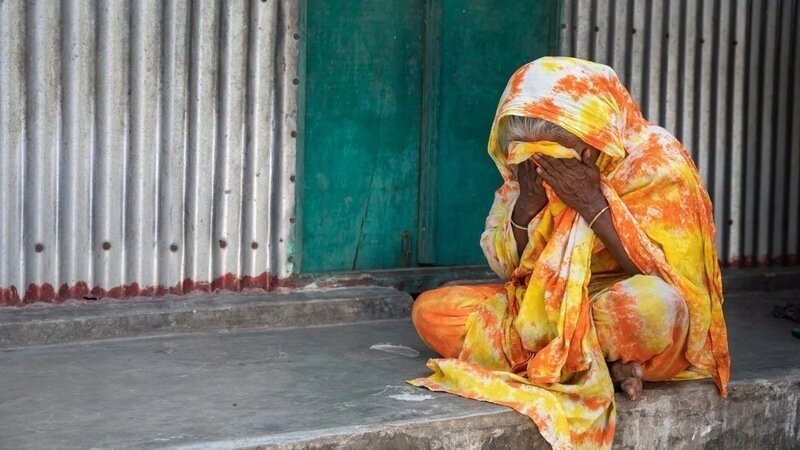
Behind the price tags that promise affordability lies an inhumane cost: the blood, sweat, and tears of workers who are forced to sacrifice their health, safety, and sometimes even their lives. Young women, many of them mothers and daughters, work long, exhausting hours for wages that barely sustain them. Their voices, often unheard and unseen, echo the silent screams of injustice—a plea for respect, fair compensation, and safer working environments. It is not just an economic issue; it is a moral crisis that demands our immediate attention.
The environmental toll of this dark industry compounds the human suffering. Factories pump toxic dyes into rivers, poisoning water sources and soil, leaving behind a legacy of environmental degradation that endangers entire communities. The fast fashion model, built on the promise of rapid turnover and constant novelty, dismisses the true cost of production. It ignores the devastating impact on ecosystems and the irreversible damage to the natural world that supports us all.
This is not just a call for reform—it is a cry for justice. As consumers in the global market, we hold the power to demand change. Every time we choose to purchase fast fashion without a thought to its origins, we become unwitting accomplices to an industry that values profit over people. Our choices, our voices, and our collective actions can bring about a transformation that honors the dignity of every worker and protects our planet for future generations. Even worse, many environmental and public health advocates have raised the alarm that chronic exposure to the toxic cocktail used in garment factories may cut life expectancy by as much as 5 to 10 years on average. In the most affected communities—where inadequate regulation and environmental oversight allow dangerous levels of pollutants to seep into water, soil, and air—this loss can be even more devastating.
Every day, workers and nearby residents face conditions that silently steal years from their lives. Imagine a future where what could have been 70 years is tragically reduced to 60 or even less, all because of an industry that prioritizes rapid profit over human life. These aren’t just abstract numbers; they represent the precious time lost—time with family, time for dreams, and time for healing. The emotional toll is immeasurable.
It is this stark human cost that fuels our call for urgent reforms. We must demand accountability from corporations and governments alike to enforce strict safety standards and protect those who labor in and live around these toxic environments. Lives are measured not only in years but in moments of hope, love, and opportunity—and every moment stolen is a tragedy too great to ignore.
Let us stand together and fight for a future where no human life is shortened by corporate negligence.
Imagine a world where every garment is produced in safe, humane conditions—a world where the hands that stitch our clothes are respected, compensated fairly, and provided with a safe environment to work. Imagine a future where the legacy of exploitation is replaced by one of empowerment and sustainability. We are at a crossroads, and the path we choose today will determine the fate of millions tomorrow.
Workers in this industry often face severe exploitation, including long hours, meager wages, and unsafe working conditions. Many factories have been accused of neglecting basic safety standards, leading to catastrophic events such as the Rana Plaza collapse, which tragically highlighted the human cost of profit-driven practices.
Beyond these structural failures, workers frequently report verbal, physical, and sometimes gender-based abuse by management. Such mistreatment, coupled with the constant pressure to meet unrealistic production quotas, leaves many laborers vulnerable and without adequate avenues for redress.
These abuses underscore the urgent need for systemic reforms in the fashion industry—demanding stricter enforcement of labor rights, better working conditions, and accountability from global brands that source from these factories.
We must act now. By signing this petition, we demand accountability from fashion brands, urging them to ensure that every link in their supply chain respects human rights and environmental integrity. We call upon governments and international organizations to enforce strict regulations that protect workers and the environment, and to hold corporations accountable for the damages they cause. This is not just a petition for policy reform—it is a moral imperative to stand up for those who have long been silenced by an industry built on exploitation.
Let our voices be a beacon of hope for the forgotten millions of Bangladesh. Let our collective will bring forth the changes necessary to transform the fast fashion industry into one that champions dignity, fairness, and sustainability. We cannot undo the past, but together, we can shape a future where every garment tells a story of empowerment, not exploitation.
8
The Issue
Bangladesh’s fast fashion industry hides a tragic, often unseen story—a story of broken lives, exploited dreams, and a relentless pursuit of profit at the expense of human dignity. Every cheap T-shirt, every bargain dress tells a tale of despair, woven into the fabric of an industry that thrives on suffering.
In the bustling heart of Dhaka and countless other cities across Bangladesh, millions of workers labor under conditions that defy human decency. Garment factories, once seen as a beacon of economic opportunity, have instead become factories of exploitation. These workplaces are rife with unsafe conditions, where machinery malfunctions and structural failures are not rare accidents but everyday risks. The scars of tragedies like the Rana Plaza collapse still haunt the collective memory of a nation—a stark reminder of lives cut short and futures stolen by negligence and greed.
Behind the price tags that promise affordability lies an inhumane cost: the blood, sweat, and tears of workers who are forced to sacrifice their health, safety, and sometimes even their lives. Young women, many of them mothers and daughters, work long, exhausting hours for wages that barely sustain them. Their voices, often unheard and unseen, echo the silent screams of injustice—a plea for respect, fair compensation, and safer working environments. It is not just an economic issue; it is a moral crisis that demands our immediate attention.
The environmental toll of this dark industry compounds the human suffering. Factories pump toxic dyes into rivers, poisoning water sources and soil, leaving behind a legacy of environmental degradation that endangers entire communities. The fast fashion model, built on the promise of rapid turnover and constant novelty, dismisses the true cost of production. It ignores the devastating impact on ecosystems and the irreversible damage to the natural world that supports us all.
This is not just a call for reform—it is a cry for justice. As consumers in the global market, we hold the power to demand change. Every time we choose to purchase fast fashion without a thought to its origins, we become unwitting accomplices to an industry that values profit over people. Our choices, our voices, and our collective actions can bring about a transformation that honors the dignity of every worker and protects our planet for future generations. Even worse, many environmental and public health advocates have raised the alarm that chronic exposure to the toxic cocktail used in garment factories may cut life expectancy by as much as 5 to 10 years on average. In the most affected communities—where inadequate regulation and environmental oversight allow dangerous levels of pollutants to seep into water, soil, and air—this loss can be even more devastating.
Every day, workers and nearby residents face conditions that silently steal years from their lives. Imagine a future where what could have been 70 years is tragically reduced to 60 or even less, all because of an industry that prioritizes rapid profit over human life. These aren’t just abstract numbers; they represent the precious time lost—time with family, time for dreams, and time for healing. The emotional toll is immeasurable.
It is this stark human cost that fuels our call for urgent reforms. We must demand accountability from corporations and governments alike to enforce strict safety standards and protect those who labor in and live around these toxic environments. Lives are measured not only in years but in moments of hope, love, and opportunity—and every moment stolen is a tragedy too great to ignore.
Let us stand together and fight for a future where no human life is shortened by corporate negligence.
Imagine a world where every garment is produced in safe, humane conditions—a world where the hands that stitch our clothes are respected, compensated fairly, and provided with a safe environment to work. Imagine a future where the legacy of exploitation is replaced by one of empowerment and sustainability. We are at a crossroads, and the path we choose today will determine the fate of millions tomorrow.
Workers in this industry often face severe exploitation, including long hours, meager wages, and unsafe working conditions. Many factories have been accused of neglecting basic safety standards, leading to catastrophic events such as the Rana Plaza collapse, which tragically highlighted the human cost of profit-driven practices.
Beyond these structural failures, workers frequently report verbal, physical, and sometimes gender-based abuse by management. Such mistreatment, coupled with the constant pressure to meet unrealistic production quotas, leaves many laborers vulnerable and without adequate avenues for redress.
These abuses underscore the urgent need for systemic reforms in the fashion industry—demanding stricter enforcement of labor rights, better working conditions, and accountability from global brands that source from these factories.
We must act now. By signing this petition, we demand accountability from fashion brands, urging them to ensure that every link in their supply chain respects human rights and environmental integrity. We call upon governments and international organizations to enforce strict regulations that protect workers and the environment, and to hold corporations accountable for the damages they cause. This is not just a petition for policy reform—it is a moral imperative to stand up for those who have long been silenced by an industry built on exploitation.
Let our voices be a beacon of hope for the forgotten millions of Bangladesh. Let our collective will bring forth the changes necessary to transform the fast fashion industry into one that champions dignity, fairness, and sustainability. We cannot undo the past, but together, we can shape a future where every garment tells a story of empowerment, not exploitation.
The Decision Makers

Petition Updates
Share this petition
Petition created on February 26, 2025