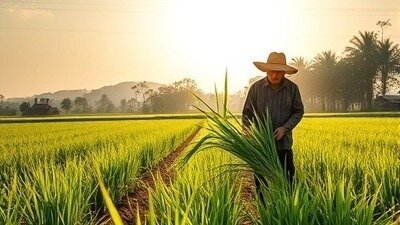

Empowering Filipino Farmers Planting Hope for a Sustainable Future
The Issue
Introduction:
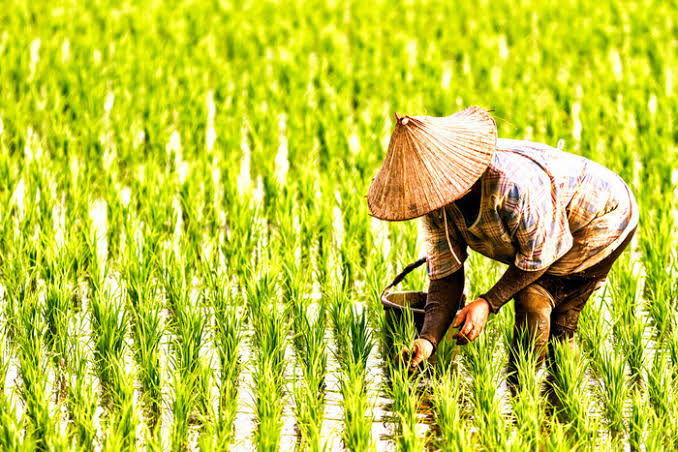
Empowering Filipino farmers is essential for improving their livelihoods, and contributing to the overall growth of the country. The backbone of the Philippine economy lies in the hardworking farmers who cultivate the land, ensuring food security for the nation. However, despite their crucial role, Filipino farmers continue to face numerous challenges, from outdated farming techniques to limited access to modern technology, financial resources, and fair market opportunities. This results in low productivity, poverty, and vulnerability to climate change.
It's time for change. By empowering Filipino farmers with the right education, technology, resources, and support, we can unlock their potential, improve their livelihoods, and secure a more sustainable agricultural future. Our project aims to raise awareness, rally support, and call for policies and initiatives that will uplift our farmers, promote sustainable practices, and strengthen the agricultural sector. Together, we can create a stronger, more resilient Philippines, starting from the fields that feed us.
The Challenges Faced by Filipino Farmers in Their Struggle for a Better Life:
Despite their vital contribution, they face a wide range of challenges that hinder their ability to thrive. From poverty and lack of access to modern tools, to climate change and insufficient government support, the hardships experienced by Filipino farmers are numerous and complex.
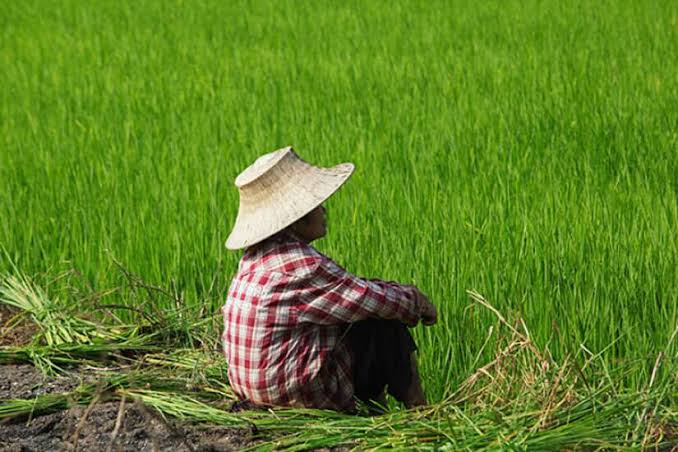
Poverty and Low Incomes
One of the most pressing issues Filipino farmers face is poverty. A large percentage of farmers live below the poverty line, with limited access to financial resources, credit, and savings. According to data from the Philippine Statistics Authority (PSA), around 70% of Filipino farmers live on less than PHP 10,000 per month, which is insufficient to cover basic needs like food, healthcare, and education for their families. The low income is primarily due to low crop yields, dependence on outdated farming methods, and market price fluctuations that often do not cover production costs.
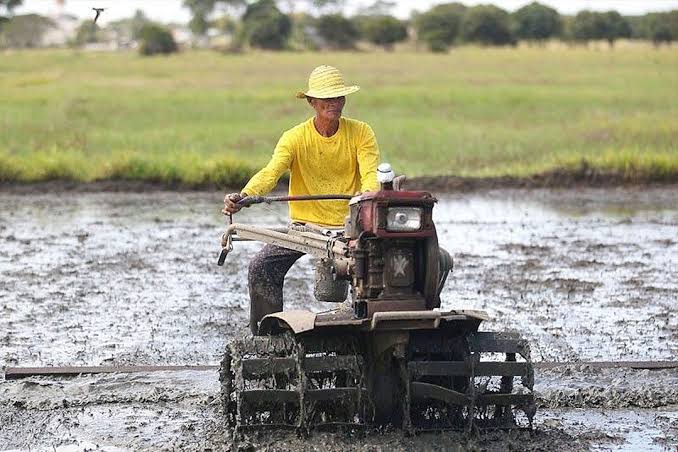
Lack of Access to Modern Technology
Many Filipino farmers still rely on traditional, manual farming techniques that result in lower productivity. These outdated methods, combined with limited access to advanced farming tools, machinery, and modern irrigation systems, make it difficult for farmers to scale up their operations or increase efficiency. As a result, they are left vulnerable to competition from larger, more technologically advanced agricultural sectors.
Moreover, there is limited access to agricultural education and training programs that could teach modern farming techniques. Many farmers are unaware of innovations such as precision farming, drought-resistant crops, and organic farming practices, which could improve productivity and sustainability.
Climate Change and Natural Disasters
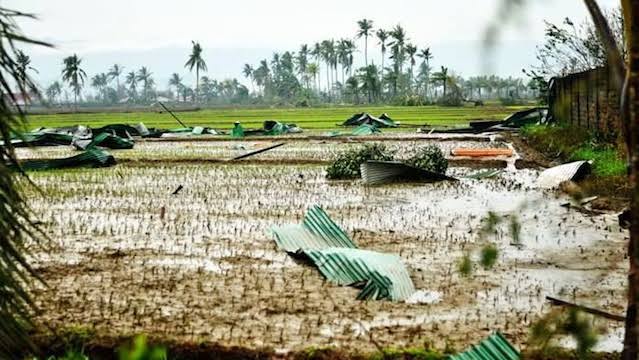
The Philippines is one of the countries most affected by climate change. Extreme weather events such as typhoons, floods, and prolonged droughts have become more frequent and intense, devastating crops and livelihoods. Farmers are often left with nothing after a natural disaster, as their homes and farms are destroyed. The unpredictability of the weather has also made it harder for farmers to plan crop cycles, and many are left with little to no income during off-seasons.
The lack of effective disaster relief programs and risk management tools makes it even harder for farmers to recover from these catastrophic events. In many cases, farmers go into debt to rebuild their farms or purchase new seeds, only to face the same cycle of loss due to future natural disasters.
Land Ownership and Tenure Issues
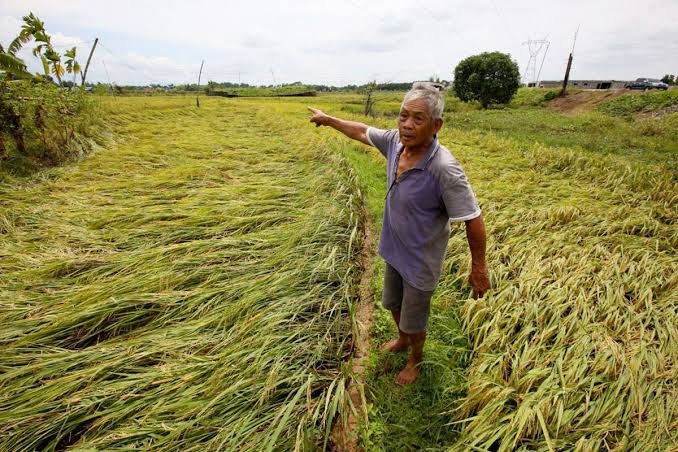
Land ownership remains a significant issue for many Filipino farmers. While the Philippine government has implemented land reform programs, land redistribution has been slow and incomplete. Many farmers still do not own the land they till, and are instead working as tenants or sharecroppers under exploitative conditions. This lack of land tenure security creates instability and prevents farmers from making long-term investments in their land.
In many cases, absentee landlords or large agribusinesses continue to control vast areas of agricultural land, reducing the opportunities available to small-scale farmers. Without secure land rights, farmers are at risk of being displaced or losing access to their farming plots, which exacerbates their financial vulnerability.
Limited Market Access and Exploitative Middlemen
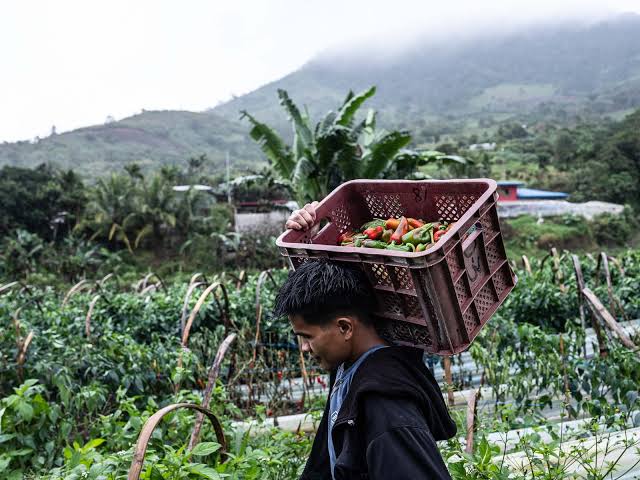
Farmers often struggle to access fair markets for their produce. Due to a lack of direct market linkages, they are forced to sell their goods to middlemen or traders, who often buy at extremely low prices. This leaves farmers with little to no profit after covering the costs of production. In many cases, farmers are not aware of market prices and are forced to sell their goods at a loss.
In addition, farmers face challenges in accessing local, regional, and international markets. The absence of adequate infrastructure, such as roads, storage facilities, and transportation networks, increases the difficulty of getting produce to market while maintaining freshness. Post-harvest losses are a common problem, further reducing farmers’ income.
Inadequate Government Support
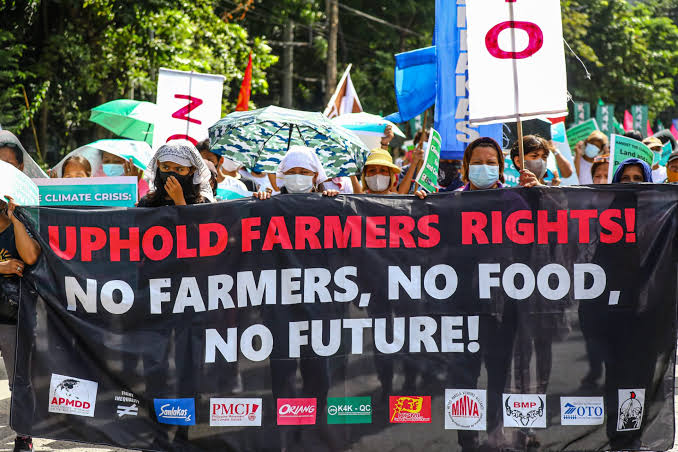
While the government has some programs aimed at supporting farmers, many argue that these initiatives are not enough or are poorly implemented. The Department of Agriculture (DA) has provided subsidies, but these are often limited and slow to reach those who need them most. Additionally, there are gaps in the government’s disaster relief programs, as well as in its efforts to provide financial assistance and insurance to protect farmers from the risks associated with climate change.
Many farmers also report that government policies often favor large agribusinesses over small farmers, further widening the income gap in the agricultural sector. Corruption, inefficiency, and lack of transparency in the distribution of resources have also hindered the effectiveness of government assistance.
Health and Education Challenges
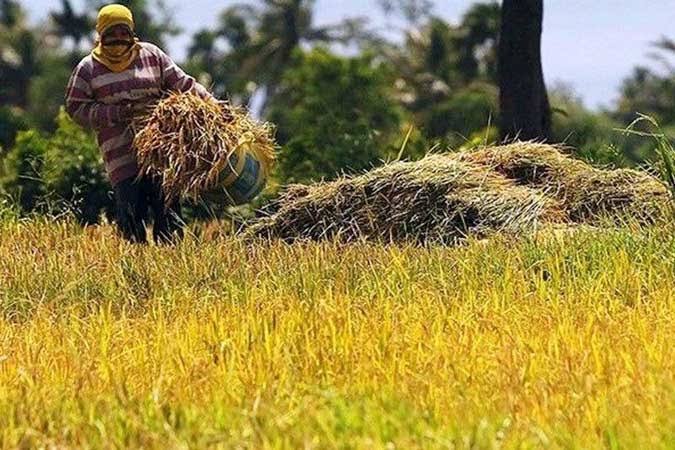
Filipino farmers often face poor living conditions due to their low income. Many lack access to healthcare, and this puts them at greater risk of diseases and health complications. Additionally, they struggle to provide adequate education for their children due to financial constraints. As a result, many young people from farming families choose to leave rural areas in search of better economic opportunities, further depleting the labor force in agriculture.
Real Issues Why Filipino Farmers Need Their Voices to Be Heard:
Filipino farmers play a crucial role in sustaining the nation’s food supply and economy, yet their voices remain largely unheard when it comes to policies and decisions that directly affect their livelihoods. This disconnect results in persistent challenges that undermine their potential for growth and stability. there are example reasons why it is critical for Filipino farmers to have their voices to be heard and those are Lack of Policy Representation and Inclusivity, Unfair Market Practices and Low Incomes, Inadequate Government Support and Services, The Need for a Holistic and Sustainable Agricultural System and Generational Poverty and Migration. These are the issues faced by Filipino farmers are deeply interconnected with national development and the well-being of the entire country. However, without the active participation and voices of farmers in shaping the policies and decisions that impact them, their struggles will continue to be overlooked. Empowering Filipino farmers by amplifying their voices in policy-making, market negotiations, and climate change adaptation efforts is essential for creating a more just, sustainable, and prosperous agricultural sector. Their voices must be heard—not only for their benefit but for the benefit of the entire nation.
Solution:
Filipino farmers face numerous challenges, but there are several solutions that can help address these issues and empower them to thrive. One critical step is ensuring farmers have a voice in policy-making. By establishing farmer consultative councils and guaranteeing their representation in legislative bodies, farmers can help shape laws that better meet their needs. Along with this, accelerating land reform and providing legal support for land rights will help secure their livelihoods and encourage long-term investment in farming.
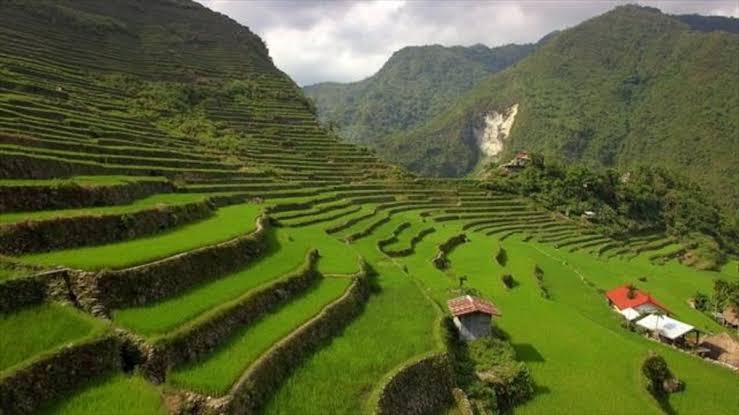
Access to fair markets can be improved by promoting farmer cooperatives that allow for better bargaining power, as well as supporting agro-processing initiatives to add value to their products. Digital platforms that provide real-time market prices can also help farmers make informed decisions. Additionally, government programs need to be streamlined to ensure farmers can easily access subsidies, loans, and training on modern farming practices, which would increase their productivity and resilience.
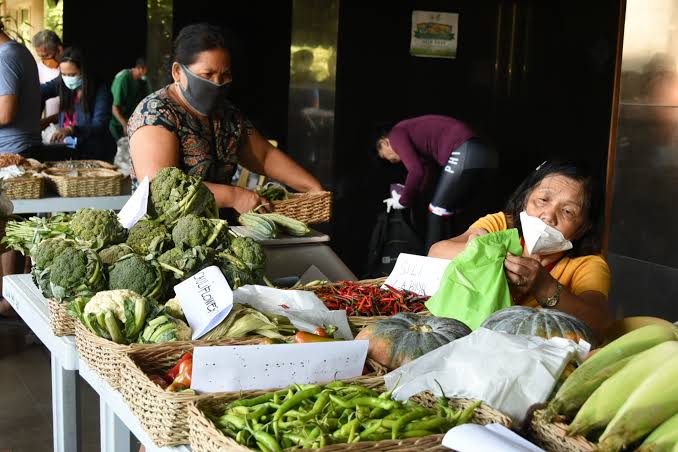
Climate change is a major concern for Filipino farmers, so promoting climate-smart agriculture, including drought-resistant crops and sustainable farming methods, can help mitigate its impacts. Providing affordable crop insurance and better disaster relief will help farmers recover from extreme weather events. In terms of health and welfare, mobile healthcare services and affordable insurance programs can improve farmers' well-being, removing health-related barriers to productivity.
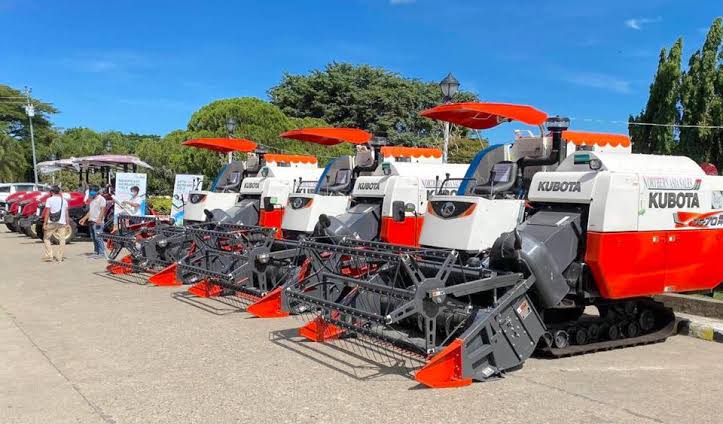
Encouraging youth involvement in agriculture through incentives and training can help ensure that the next generation of farmers remains in rural areas. Rural employment programs and diversified job opportunities will also help reduce migration from rural communities. By promoting sustainable agricultural practices, such as agroecology and eco-friendly farming inputs, we can create an agricultural system that is not only profitable but also environmentally sustainable.
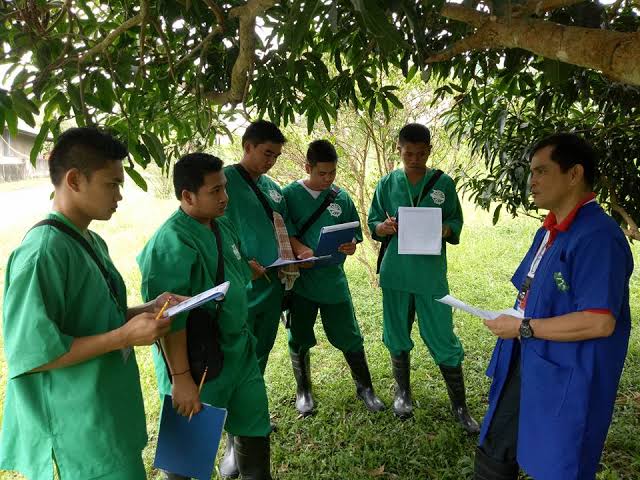
In conclusion, empowering Filipino farmers involves a holistic approach that includes better policy representation, land security, access to fair markets, climate resilience, improved government support, and better health and welfare services. These solutions will help Filipino farmers improve their livelihoods, create a sustainable farming sector, and ensure the country's long-term food security.

2
The Issue
Introduction:
Empowering Filipino farmers is essential for improving their livelihoods, and contributing to the overall growth of the country. The backbone of the Philippine economy lies in the hardworking farmers who cultivate the land, ensuring food security for the nation. However, despite their crucial role, Filipino farmers continue to face numerous challenges, from outdated farming techniques to limited access to modern technology, financial resources, and fair market opportunities. This results in low productivity, poverty, and vulnerability to climate change.
It's time for change. By empowering Filipino farmers with the right education, technology, resources, and support, we can unlock their potential, improve their livelihoods, and secure a more sustainable agricultural future. Our project aims to raise awareness, rally support, and call for policies and initiatives that will uplift our farmers, promote sustainable practices, and strengthen the agricultural sector. Together, we can create a stronger, more resilient Philippines, starting from the fields that feed us.
The Challenges Faced by Filipino Farmers in Their Struggle for a Better Life:
Despite their vital contribution, they face a wide range of challenges that hinder their ability to thrive. From poverty and lack of access to modern tools, to climate change and insufficient government support, the hardships experienced by Filipino farmers are numerous and complex.
Poverty and Low Incomes
One of the most pressing issues Filipino farmers face is poverty. A large percentage of farmers live below the poverty line, with limited access to financial resources, credit, and savings. According to data from the Philippine Statistics Authority (PSA), around 70% of Filipino farmers live on less than PHP 10,000 per month, which is insufficient to cover basic needs like food, healthcare, and education for their families. The low income is primarily due to low crop yields, dependence on outdated farming methods, and market price fluctuations that often do not cover production costs.
Lack of Access to Modern Technology
Many Filipino farmers still rely on traditional, manual farming techniques that result in lower productivity. These outdated methods, combined with limited access to advanced farming tools, machinery, and modern irrigation systems, make it difficult for farmers to scale up their operations or increase efficiency. As a result, they are left vulnerable to competition from larger, more technologically advanced agricultural sectors.
Moreover, there is limited access to agricultural education and training programs that could teach modern farming techniques. Many farmers are unaware of innovations such as precision farming, drought-resistant crops, and organic farming practices, which could improve productivity and sustainability.
Climate Change and Natural Disasters
The Philippines is one of the countries most affected by climate change. Extreme weather events such as typhoons, floods, and prolonged droughts have become more frequent and intense, devastating crops and livelihoods. Farmers are often left with nothing after a natural disaster, as their homes and farms are destroyed. The unpredictability of the weather has also made it harder for farmers to plan crop cycles, and many are left with little to no income during off-seasons.
The lack of effective disaster relief programs and risk management tools makes it even harder for farmers to recover from these catastrophic events. In many cases, farmers go into debt to rebuild their farms or purchase new seeds, only to face the same cycle of loss due to future natural disasters.
Land Ownership and Tenure Issues
Land ownership remains a significant issue for many Filipino farmers. While the Philippine government has implemented land reform programs, land redistribution has been slow and incomplete. Many farmers still do not own the land they till, and are instead working as tenants or sharecroppers under exploitative conditions. This lack of land tenure security creates instability and prevents farmers from making long-term investments in their land.
In many cases, absentee landlords or large agribusinesses continue to control vast areas of agricultural land, reducing the opportunities available to small-scale farmers. Without secure land rights, farmers are at risk of being displaced or losing access to their farming plots, which exacerbates their financial vulnerability.
Limited Market Access and Exploitative Middlemen
Farmers often struggle to access fair markets for their produce. Due to a lack of direct market linkages, they are forced to sell their goods to middlemen or traders, who often buy at extremely low prices. This leaves farmers with little to no profit after covering the costs of production. In many cases, farmers are not aware of market prices and are forced to sell their goods at a loss.
In addition, farmers face challenges in accessing local, regional, and international markets. The absence of adequate infrastructure, such as roads, storage facilities, and transportation networks, increases the difficulty of getting produce to market while maintaining freshness. Post-harvest losses are a common problem, further reducing farmers’ income.
Inadequate Government Support
While the government has some programs aimed at supporting farmers, many argue that these initiatives are not enough or are poorly implemented. The Department of Agriculture (DA) has provided subsidies, but these are often limited and slow to reach those who need them most. Additionally, there are gaps in the government’s disaster relief programs, as well as in its efforts to provide financial assistance and insurance to protect farmers from the risks associated with climate change.
Many farmers also report that government policies often favor large agribusinesses over small farmers, further widening the income gap in the agricultural sector. Corruption, inefficiency, and lack of transparency in the distribution of resources have also hindered the effectiveness of government assistance.
Health and Education Challenges
Filipino farmers often face poor living conditions due to their low income. Many lack access to healthcare, and this puts them at greater risk of diseases and health complications. Additionally, they struggle to provide adequate education for their children due to financial constraints. As a result, many young people from farming families choose to leave rural areas in search of better economic opportunities, further depleting the labor force in agriculture.
Real Issues Why Filipino Farmers Need Their Voices to Be Heard:
Filipino farmers play a crucial role in sustaining the nation’s food supply and economy, yet their voices remain largely unheard when it comes to policies and decisions that directly affect their livelihoods. This disconnect results in persistent challenges that undermine their potential for growth and stability. there are example reasons why it is critical for Filipino farmers to have their voices to be heard and those are Lack of Policy Representation and Inclusivity, Unfair Market Practices and Low Incomes, Inadequate Government Support and Services, The Need for a Holistic and Sustainable Agricultural System and Generational Poverty and Migration. These are the issues faced by Filipino farmers are deeply interconnected with national development and the well-being of the entire country. However, without the active participation and voices of farmers in shaping the policies and decisions that impact them, their struggles will continue to be overlooked. Empowering Filipino farmers by amplifying their voices in policy-making, market negotiations, and climate change adaptation efforts is essential for creating a more just, sustainable, and prosperous agricultural sector. Their voices must be heard—not only for their benefit but for the benefit of the entire nation.
Solution:
Filipino farmers face numerous challenges, but there are several solutions that can help address these issues and empower them to thrive. One critical step is ensuring farmers have a voice in policy-making. By establishing farmer consultative councils and guaranteeing their representation in legislative bodies, farmers can help shape laws that better meet their needs. Along with this, accelerating land reform and providing legal support for land rights will help secure their livelihoods and encourage long-term investment in farming.
Access to fair markets can be improved by promoting farmer cooperatives that allow for better bargaining power, as well as supporting agro-processing initiatives to add value to their products. Digital platforms that provide real-time market prices can also help farmers make informed decisions. Additionally, government programs need to be streamlined to ensure farmers can easily access subsidies, loans, and training on modern farming practices, which would increase their productivity and resilience.
Climate change is a major concern for Filipino farmers, so promoting climate-smart agriculture, including drought-resistant crops and sustainable farming methods, can help mitigate its impacts. Providing affordable crop insurance and better disaster relief will help farmers recover from extreme weather events. In terms of health and welfare, mobile healthcare services and affordable insurance programs can improve farmers' well-being, removing health-related barriers to productivity.
Encouraging youth involvement in agriculture through incentives and training can help ensure that the next generation of farmers remains in rural areas. Rural employment programs and diversified job opportunities will also help reduce migration from rural communities. By promoting sustainable agricultural practices, such as agroecology and eco-friendly farming inputs, we can create an agricultural system that is not only profitable but also environmentally sustainable.
In conclusion, empowering Filipino farmers involves a holistic approach that includes better policy representation, land security, access to fair markets, climate resilience, improved government support, and better health and welfare services. These solutions will help Filipino farmers improve their livelihoods, create a sustainable farming sector, and ensure the country's long-term food security.
The Decision Makers
Petition Updates
Share this petition
Petition created on December 4, 2024