
Beyond the Pelvis: The Endometriosis and Adenomyosis Act
The Issue
We have reached enough money contributions! If anyone wishes to donate please send money directly to the EPNR organization!
The pelvis is its most common location, not the boundary of this disease. Our research, medical education, and legislation need to reflect that.
When people hear the word endometriosis, they usually think of painful or heavy periods, the uterus, the ovaries, and pelvic pain. But that misunderstanding leaves out the much more devastating aspects of the disease.
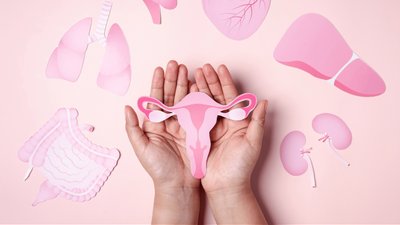
Endometriosis is not confined to the reproductive organs or pelvis. It is a complex disease with effects that extend far beyond what is commonly recognized.
The pelvis is its most common location, not the boundary of this disease.
For years, I searched for answers to symptoms that should have raised questions to every doctor I met. I lived with persistent pelvic, abdominal, and chest pain that became excruciating during my periods. It took five years to receive my endometriosis diagnosis.
Eventually, I got an endometriosis diagnosis, yet my chest symptoms still remained under investigation. My specialists still viewed endometriosis as a “pelvic” disease and refused to acknowledge the possibility of thoracic involvement. They considered it too rare, too impossible for my age, too unheard of for me to have it.
I have now spent seven years trying to get someone to listen to my chest symptoms and seriously consider the possibility of thoracic endometriosis. Seven years is a long time to be told, directly or indirectly, that what you are experiencing does not make sense. It is even harder when you know something is wrong but cannot get anyone to look beyond the explanation they have already decided on.
How could a pelvic disease ever end up in a teenager’s chest? They viewed my endometriosis and chest symptoms as irrelevant or unrelated to one another, and they refused to see another viewpoint. After meeting with an endometriosis specialist and thoracic surgeon, I am now scheduled for pelvic laparoscopic excision surgery and right-sided diagnostic and excision VATS.
These surgeons listened to me, took my concerns seriously, and recognized that my knowledge of my own body deserved to be considered alongside their medical expertise. I know what it feels like to search beyond the places doctors expect to find this disease, and I know what it feels like to have symptoms dismissed based on the assumption that endometriosis only affects the reproductive system.
My experience is not an isolated example of how difficult it can be to get answers. An international review of 23 studies found an average diagnostic delay of approximately 6.8 years for endometriosis. Some U.S. studies have reported delays of more than 11 years. A separate French study involving approximately 6,949 participants reported average delays of 10 years for endometriosis and 11 years for adenomyosis.
For certain forms of deep endometriosis, the delay can be even longer. One surgical study found a median diagnostic delay of nine years among patients with involvement of areas including the bowel, vagina, rectovaginal septum, or bladder, compared with two years among patients without those locations.
Endometriosis can affect far more than the reproductive system. Its documented presentations, biological behavior, and potential consequences demonstrate why it cannot continue to be approached as solely a pelvic disease.
It can cause lasting damage, affect organ function, complicate fertility, and leave patients navigating multiple medical specialties without coordinated care. Its severity cannot be measured by pain alone, and its impact cannot be understood through a single staging system.
Endometriosis has been documented in the diaphragm, chest, lungs, bowel, urinary tract, abdominal wall, and other locations outside the pelvis. Rare case reports have also documented involvement of places such as the brain, eyes, nose, nerves, and bones. Some of these presentations are exceptionally rare, but rarity should not mean they are ignored or excluded from research.
Thoracic endometriosis deserves particular attention. A systematic review of 202 studies involving 592 patients reported a median patient age of 33.8 years. That figure describes the patients included in the review, not an age requirement or minimum age for the disease. Thoracic endometriosis has also been documented in adolescents, including a published case involving a 16-year-old.
A teenager should not have to wait until adulthood for doctors to consider a disease simply because most published cases involve older patients.
Endometriosis and adenomyosis are often grouped together, and some mistakenly believe endometriosis is simply a more severe form of adenomyosis. This is not accurate. They are two distinct diseases, each with its own characteristics, complications, and treatment needs.
Adenomyosis Deserves Its Own Attention
Adenomyosis is another serious gynecological disease that deserves independent research, recognition, and medical attention. Unlike endometriosis, which involves endometrial-like tissue outside the uterus, adenomyosis involves endometrial glands and stroma within the uterine muscle. It can cause uterine enlargement, heavy menstrual bleeding, chronic inflammation, and debilitating pain that significantly disrupt daily life.
For some patients, hysterectomy becomes the definitive treatment. For those who desperately want to become mothers, this can create an impossible choice: continue living with debilitating pain or undergo irreversible surgery that takes away their ability to carry a pregnancy. For others, hysterectomy may be a decision made out of the need for relief after years of suffering, not because they no longer want children. No one should have to choose between living with debilitating pain and surrendering a future they may have spent their entire lives imagining.
Adenomyosis needs dedicated research into its causes, progression, fertility consequences, and treatment options. Patients deserve earlier diagnosis and effective treatments that preserve the uterus and reproductive choices whenever possible.
What we are asking Congress to do
For endometriosis:
- Expand research beyond the pelvis: Include thoracic, diaphragmatic, neurological, skeletal, cardiac, pericardial, and other documented forms of extrapelvic endometriosis.
- Investigate disease biology: Fund research into how endometriosis develops and persists, including the biological processes involved in lesion survival, inflammation, nerve growth, and tissue damage.
- Study organ damage and lasting complications: Research organ dysfunction, obstruction, neurological complications, adhesions, infertility, and permanent tissue damage.
- Improve recognition of rare presentations: Establish national research registries and privacy-protected data collection to document rare presentations and identify patterns of extrapelvic disease.
- Improve medical education: Fund and support cross-specialty medical education and training to improve recognition of endometriosis beyond the reproductive system.
- Establish multidisciplinary care: Connect gynecology with thoracic surgery, neurology, gastroenterology, urology, and other specialties to address this disease throughout the body.
- Address barriers to specialized care: Address insurance barriers, financial hardship, geographic disparities, and shortages of clinicians trained to recognize and treat complex and extrapelvic endometriosis.
- Recognize endometriosis in disability benefits: Establish clear federal recognition of endometriosis as a potentially disabling condition and create a path to disability benefits for patients whose symptoms significantly limit their ability to work or carry out daily activities. Patients should not have to fight years to prove that this disease can be disabling or wait until their health and quality of life has deteriorated enough before receiving support.
- Include adolescents: Include young patients in endometriosis research, early diagnosis initiatives, and specialized care programs.
For adenomyosis:
- Establish dedicated federal funding and research initiatives for adenomyosis as a distinct disease.
- Improve understanding of its causes, progression, symptoms, and long-term effects.
- Recognize adenomyosis in disability benefits: Establish clear federal recognition of adenomyosis as a potentially disabling condition and create a path to disability benefits for patients whose symptoms significantly limit their ability to work or carry out daily activities. Patients should not have to fight years to prove that this disease can be disabling or wait until their health and quality of life has deteriorated enough before receiving support.
- Expand research into fertility, pregnancy outcomes, and treatments that preserve the uterus and reproductive options.
- Improve early diagnosis and expand effective treatment options, including treatments that preserve the uterus and reproductive choices whenever possible.
Why this matters
We cannot continue defining a disease by where it is most commonly found while overlooking the full extent of its effects.
The pelvis is its most common location, not the boundary of this disease.
Our understanding needs to extend beyond the pelvis. Our research needs to extend beyond the pelvis. Our medical education and legislation need to extend beyond the pelvis.
I cannot get back the five years it took to receive my diagnosis or the seven years I spent trying to get someone to take my chest symptoms seriously. But I can speak up about it, and I can ask for a medical system that does better for the people who come after me.
I am writing this because no one should have to spend years convincing doctors that their symptoms deserve to be investigated. No one should have to fit the most common presentation of a disease before being considered for a diagnosis.
Awareness was never supposed to be the finish line. Patients deserve more than recognition. They deserve the research, medical education, and specialized care necessary to understand and address the full extent of these diseases.
💛 Please sign and share this petition and urge Congress in the United States and Canada’s Parliament to take action 💜

333
The Issue
We have reached enough money contributions! If anyone wishes to donate please send money directly to the EPNR organization!
The pelvis is its most common location, not the boundary of this disease. Our research, medical education, and legislation need to reflect that.
When people hear the word endometriosis, they usually think of painful or heavy periods, the uterus, the ovaries, and pelvic pain. But that misunderstanding leaves out the much more devastating aspects of the disease.
Endometriosis is not confined to the reproductive organs or pelvis. It is a complex disease with effects that extend far beyond what is commonly recognized.
The pelvis is its most common location, not the boundary of this disease.
For years, I searched for answers to symptoms that should have raised questions to every doctor I met. I lived with persistent pelvic, abdominal, and chest pain that became excruciating during my periods. It took five years to receive my endometriosis diagnosis.
Eventually, I got an endometriosis diagnosis, yet my chest symptoms still remained under investigation. My specialists still viewed endometriosis as a “pelvic” disease and refused to acknowledge the possibility of thoracic involvement. They considered it too rare, too impossible for my age, too unheard of for me to have it.
I have now spent seven years trying to get someone to listen to my chest symptoms and seriously consider the possibility of thoracic endometriosis. Seven years is a long time to be told, directly or indirectly, that what you are experiencing does not make sense. It is even harder when you know something is wrong but cannot get anyone to look beyond the explanation they have already decided on.
How could a pelvic disease ever end up in a teenager’s chest? They viewed my endometriosis and chest symptoms as irrelevant or unrelated to one another, and they refused to see another viewpoint. After meeting with an endometriosis specialist and thoracic surgeon, I am now scheduled for pelvic laparoscopic excision surgery and right-sided diagnostic and excision VATS.
These surgeons listened to me, took my concerns seriously, and recognized that my knowledge of my own body deserved to be considered alongside their medical expertise. I know what it feels like to search beyond the places doctors expect to find this disease, and I know what it feels like to have symptoms dismissed based on the assumption that endometriosis only affects the reproductive system.
My experience is not an isolated example of how difficult it can be to get answers. An international review of 23 studies found an average diagnostic delay of approximately 6.8 years for endometriosis. Some U.S. studies have reported delays of more than 11 years. A separate French study involving approximately 6,949 participants reported average delays of 10 years for endometriosis and 11 years for adenomyosis.
For certain forms of deep endometriosis, the delay can be even longer. One surgical study found a median diagnostic delay of nine years among patients with involvement of areas including the bowel, vagina, rectovaginal septum, or bladder, compared with two years among patients without those locations.
Endometriosis can affect far more than the reproductive system. Its documented presentations, biological behavior, and potential consequences demonstrate why it cannot continue to be approached as solely a pelvic disease.
It can cause lasting damage, affect organ function, complicate fertility, and leave patients navigating multiple medical specialties without coordinated care. Its severity cannot be measured by pain alone, and its impact cannot be understood through a single staging system.
Endometriosis has been documented in the diaphragm, chest, lungs, bowel, urinary tract, abdominal wall, and other locations outside the pelvis. Rare case reports have also documented involvement of places such as the brain, eyes, nose, nerves, and bones. Some of these presentations are exceptionally rare, but rarity should not mean they are ignored or excluded from research.
Thoracic endometriosis deserves particular attention. A systematic review of 202 studies involving 592 patients reported a median patient age of 33.8 years. That figure describes the patients included in the review, not an age requirement or minimum age for the disease. Thoracic endometriosis has also been documented in adolescents, including a published case involving a 16-year-old.
A teenager should not have to wait until adulthood for doctors to consider a disease simply because most published cases involve older patients.
Endometriosis and adenomyosis are often grouped together, and some mistakenly believe endometriosis is simply a more severe form of adenomyosis. This is not accurate. They are two distinct diseases, each with its own characteristics, complications, and treatment needs.
Adenomyosis Deserves Its Own Attention
Adenomyosis is another serious gynecological disease that deserves independent research, recognition, and medical attention. Unlike endometriosis, which involves endometrial-like tissue outside the uterus, adenomyosis involves endometrial glands and stroma within the uterine muscle. It can cause uterine enlargement, heavy menstrual bleeding, chronic inflammation, and debilitating pain that significantly disrupt daily life.
For some patients, hysterectomy becomes the definitive treatment. For those who desperately want to become mothers, this can create an impossible choice: continue living with debilitating pain or undergo irreversible surgery that takes away their ability to carry a pregnancy. For others, hysterectomy may be a decision made out of the need for relief after years of suffering, not because they no longer want children. No one should have to choose between living with debilitating pain and surrendering a future they may have spent their entire lives imagining.
Adenomyosis needs dedicated research into its causes, progression, fertility consequences, and treatment options. Patients deserve earlier diagnosis and effective treatments that preserve the uterus and reproductive choices whenever possible.
What we are asking Congress to do
For endometriosis:
- Expand research beyond the pelvis: Include thoracic, diaphragmatic, neurological, skeletal, cardiac, pericardial, and other documented forms of extrapelvic endometriosis.
- Investigate disease biology: Fund research into how endometriosis develops and persists, including the biological processes involved in lesion survival, inflammation, nerve growth, and tissue damage.
- Study organ damage and lasting complications: Research organ dysfunction, obstruction, neurological complications, adhesions, infertility, and permanent tissue damage.
- Improve recognition of rare presentations: Establish national research registries and privacy-protected data collection to document rare presentations and identify patterns of extrapelvic disease.
- Improve medical education: Fund and support cross-specialty medical education and training to improve recognition of endometriosis beyond the reproductive system.
- Establish multidisciplinary care: Connect gynecology with thoracic surgery, neurology, gastroenterology, urology, and other specialties to address this disease throughout the body.
- Address barriers to specialized care: Address insurance barriers, financial hardship, geographic disparities, and shortages of clinicians trained to recognize and treat complex and extrapelvic endometriosis.
- Recognize endometriosis in disability benefits: Establish clear federal recognition of endometriosis as a potentially disabling condition and create a path to disability benefits for patients whose symptoms significantly limit their ability to work or carry out daily activities. Patients should not have to fight years to prove that this disease can be disabling or wait until their health and quality of life has deteriorated enough before receiving support.
- Include adolescents: Include young patients in endometriosis research, early diagnosis initiatives, and specialized care programs.
For adenomyosis:
- Establish dedicated federal funding and research initiatives for adenomyosis as a distinct disease.
- Improve understanding of its causes, progression, symptoms, and long-term effects.
- Recognize adenomyosis in disability benefits: Establish clear federal recognition of adenomyosis as a potentially disabling condition and create a path to disability benefits for patients whose symptoms significantly limit their ability to work or carry out daily activities. Patients should not have to fight years to prove that this disease can be disabling or wait until their health and quality of life has deteriorated enough before receiving support.
- Expand research into fertility, pregnancy outcomes, and treatments that preserve the uterus and reproductive options.
- Improve early diagnosis and expand effective treatment options, including treatments that preserve the uterus and reproductive choices whenever possible.
Why this matters
We cannot continue defining a disease by where it is most commonly found while overlooking the full extent of its effects.
The pelvis is its most common location, not the boundary of this disease.
Our understanding needs to extend beyond the pelvis. Our research needs to extend beyond the pelvis. Our medical education and legislation need to extend beyond the pelvis.
I cannot get back the five years it took to receive my diagnosis or the seven years I spent trying to get someone to take my chest symptoms seriously. But I can speak up about it, and I can ask for a medical system that does better for the people who come after me.
I am writing this because no one should have to spend years convincing doctors that their symptoms deserve to be investigated. No one should have to fit the most common presentation of a disease before being considered for a diagnosis.
Awareness was never supposed to be the finish line. Patients deserve more than recognition. They deserve the research, medical education, and specialized care necessary to understand and address the full extent of these diseases.
💛 Please sign and share this petition and urge Congress in the United States and Canada’s Parliament to take action 💜
The Decision Makers


Supporter Voices
Petition Updates
Share this petition
Petition created on November 13, 2026