
Adobe Flash Restoration, Revival, Renewal Initiative: Comprehensive Strategic Blueprint
The Issue
Introduction: The Cultural Imperative of Flash Preservation
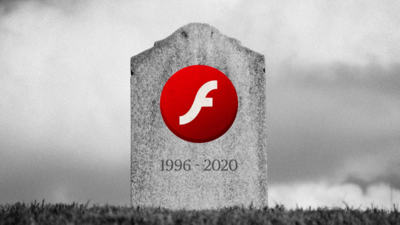
The official Adobe Flash End-of-Life (EOL) on December 31, 2020, marked a catastrophic moment for digital history. Overnight, decades of interactive animation, indie game development, and internet culture were rendered inaccessible to the standard web browser. While security vulnerabilities and the rise of modern standards like HTML5 necessitated its retirement, the erasure of Flash left a massive void for millions of users, creators, and contingency planners worldwide.
Flash was not just a piece of software; it was the foundational canvas of the early interactive web. It birthed legendary game portals, experimental animations, and iconic series that shaped a generation of developers. This document serves as a detailed, multi-tiered initiative designed to permanently restore, revive, and renew Adobe Flash artifacts for the modern era. By uniting community-driven software development, centralized archiving, and institutional advocacy, we can ensure these beloved experiences remain playable forever.
Phase 1: The Core Preservation Toolkit (Ruffle & Open-Source Emulation)
The first and most critical pillar of the revival plan centers on emulation without vulnerability. We must move away from attempting to run the original, unsecure Adobe Flash Player plugin and instead champion open-source web-assembly solutions.
Universal Deployment of Ruffle: Ruffle is an open-source Flash Player emulator written in Rust. Because it compiles to WebAssembly, it runs natively inside modern, secure web browsers without requiring any desktop plugins.
Action Plan: Webmasters of legacy gaming portals must be actively supported in integrating the Ruffle JavaScript library into their sites. This automatically breathes life back into old .swf files for any visiting user.
Expansion: The community should continue funding and contributing code to Ruffle to accelerate its compatibility with ActionScript 3 (AS3), ensuring complex, late-era Flash games run flawlessly.
The Desktop Standalone Initiative: For games requiring heavy asset loads or precise local file access, standalone desktop runtime applications utilizing Ruffle or secure, sandboxed versions of the final Flash projector should be bundled and distributed via user-friendly installers.
Phase 2: Decentralized & Centralized Archiving Infrastructure
While individual developers are archiving files, a fragmented web means items are constantly lost to link rot. We must rely on and scale up massive, centralized preservation platforms.
Flashpoint (BlueMaxima): BlueMaxima's Flashpoint stands as the absolute gold standard for web game preservation. Housing hundreds of thousands of games and animations across various legacy web plugins, it operates as a secure desktop ecosystem.
Action Plan: The revival initiative must advocate for Flashpoint as a mandatory local archive for every enthusiast.
Contribution: Fans should actively use Flashpoint’s curation tools to submit missing, obscure, or regionally specific games, ensuring no piece of software is forgotten.
FlashMuseum.org and The Internet Archive: Web-based repositories like FlashMuseum.org and the Internet Archive’s Software Library offer instant gratification without downloads.
Action Plan: Establish cross-platform APIs so that when a user searches for a game on one database, it cross-references the others to find the most functional version or the highest-quality metadata.
Phase 3: The "Renew" Strategy – Porting, Remastering, and Source Code Recovery
True renewal goes beyond simply keeping old files playable; it involves transitioning the finest pieces of Flash history into modern ecosystems so they can find new audiences.
The Source Code Reclamation Project: Many beloved Flash games are trapped in .swf form without their original .fla project files.
Action Plan: Launch a coordinated outreach program to contact retired Flash developers. By safely archiving their original project files, asset sheets, and uncompressed audio, we can protect the "behind-the-scenes" history of their work.
Modern Engines Recompilation: Utilizing tools like Haxe, OpenFL, or modern engines like Godot and Unity, classic Flash games can be rebuilt from the ground up.
Action Plan: Fund and support "Remastered Collections" on modern storefronts like Steam, Nintendo eShop, and mobile marketplaces. Successful examples (like The Henry Stickmin Collection or Alien Hominid HD) prove that audiences are willing to pay for native, polished versions of their childhood favorites.
Phase 4: Contingency Planning and Institutional Recognition
To prevent corporate or legal interventions from dismantling these preservation efforts, a robust legal and institutional contingency plan is required.
Digital Millennium Copyright Act (DMCA) Exemptions: Digital preservation groups must continuously lobby organizations like the U.S. Copyright Office for permanent exemptions regarding abandoned web software. If a company no longer sells, supports, or derives revenue from a Flash asset, archivists must have clear, legal authorization to bypass digital locks to preserve it.
The Academic and Museum Alliance: We must bridge the gap between casual internet fans and formal historical institutions. By partnering with organizations like the Strong National Museum of Play or the Smithsonian, Flash artifacts can be officially cataloged as historically significant digital art, securing institutional funding and server space that outlasts volunteer efforts.
Conclusion: A Collective Call to Action
The nostalgia we feel for Flash is not just about the games themselves; it is about a period of unprecedented, decentralized human creativity. By standardizing our reliance on Ruffle, expanding the databases of Flashpoint and FlashMuseum.org, and actively migrating classic games to modern platforms, we transform a passive sense of loss into an active cultural renaissance. We owe it to the creators of the past, and the players of the future, to keep the spirit of Flash alive.

1
The Issue
Introduction: The Cultural Imperative of Flash Preservation
The official Adobe Flash End-of-Life (EOL) on December 31, 2020, marked a catastrophic moment for digital history. Overnight, decades of interactive animation, indie game development, and internet culture were rendered inaccessible to the standard web browser. While security vulnerabilities and the rise of modern standards like HTML5 necessitated its retirement, the erasure of Flash left a massive void for millions of users, creators, and contingency planners worldwide.
Flash was not just a piece of software; it was the foundational canvas of the early interactive web. It birthed legendary game portals, experimental animations, and iconic series that shaped a generation of developers. This document serves as a detailed, multi-tiered initiative designed to permanently restore, revive, and renew Adobe Flash artifacts for the modern era. By uniting community-driven software development, centralized archiving, and institutional advocacy, we can ensure these beloved experiences remain playable forever.
Phase 1: The Core Preservation Toolkit (Ruffle & Open-Source Emulation)
The first and most critical pillar of the revival plan centers on emulation without vulnerability. We must move away from attempting to run the original, unsecure Adobe Flash Player plugin and instead champion open-source web-assembly solutions.
Universal Deployment of Ruffle: Ruffle is an open-source Flash Player emulator written in Rust. Because it compiles to WebAssembly, it runs natively inside modern, secure web browsers without requiring any desktop plugins.
Action Plan: Webmasters of legacy gaming portals must be actively supported in integrating the Ruffle JavaScript library into their sites. This automatically breathes life back into old .swf files for any visiting user.
Expansion: The community should continue funding and contributing code to Ruffle to accelerate its compatibility with ActionScript 3 (AS3), ensuring complex, late-era Flash games run flawlessly.
The Desktop Standalone Initiative: For games requiring heavy asset loads or precise local file access, standalone desktop runtime applications utilizing Ruffle or secure, sandboxed versions of the final Flash projector should be bundled and distributed via user-friendly installers.
Phase 2: Decentralized & Centralized Archiving Infrastructure
While individual developers are archiving files, a fragmented web means items are constantly lost to link rot. We must rely on and scale up massive, centralized preservation platforms.
Flashpoint (BlueMaxima): BlueMaxima's Flashpoint stands as the absolute gold standard for web game preservation. Housing hundreds of thousands of games and animations across various legacy web plugins, it operates as a secure desktop ecosystem.
Action Plan: The revival initiative must advocate for Flashpoint as a mandatory local archive for every enthusiast.
Contribution: Fans should actively use Flashpoint’s curation tools to submit missing, obscure, or regionally specific games, ensuring no piece of software is forgotten.
FlashMuseum.org and The Internet Archive: Web-based repositories like FlashMuseum.org and the Internet Archive’s Software Library offer instant gratification without downloads.
Action Plan: Establish cross-platform APIs so that when a user searches for a game on one database, it cross-references the others to find the most functional version or the highest-quality metadata.
Phase 3: The "Renew" Strategy – Porting, Remastering, and Source Code Recovery
True renewal goes beyond simply keeping old files playable; it involves transitioning the finest pieces of Flash history into modern ecosystems so they can find new audiences.
The Source Code Reclamation Project: Many beloved Flash games are trapped in .swf form without their original .fla project files.
Action Plan: Launch a coordinated outreach program to contact retired Flash developers. By safely archiving their original project files, asset sheets, and uncompressed audio, we can protect the "behind-the-scenes" history of their work.
Modern Engines Recompilation: Utilizing tools like Haxe, OpenFL, or modern engines like Godot and Unity, classic Flash games can be rebuilt from the ground up.
Action Plan: Fund and support "Remastered Collections" on modern storefronts like Steam, Nintendo eShop, and mobile marketplaces. Successful examples (like The Henry Stickmin Collection or Alien Hominid HD) prove that audiences are willing to pay for native, polished versions of their childhood favorites.
Phase 4: Contingency Planning and Institutional Recognition
To prevent corporate or legal interventions from dismantling these preservation efforts, a robust legal and institutional contingency plan is required.
Digital Millennium Copyright Act (DMCA) Exemptions: Digital preservation groups must continuously lobby organizations like the U.S. Copyright Office for permanent exemptions regarding abandoned web software. If a company no longer sells, supports, or derives revenue from a Flash asset, archivists must have clear, legal authorization to bypass digital locks to preserve it.
The Academic and Museum Alliance: We must bridge the gap between casual internet fans and formal historical institutions. By partnering with organizations like the Strong National Museum of Play or the Smithsonian, Flash artifacts can be officially cataloged as historically significant digital art, securing institutional funding and server space that outlasts volunteer efforts.
Conclusion: A Collective Call to Action
The nostalgia we feel for Flash is not just about the games themselves; it is about a period of unprecedented, decentralized human creativity. By standardizing our reliance on Ruffle, expanding the databases of Flashpoint and FlashMuseum.org, and actively migrating classic games to modern platforms, we transform a passive sense of loss into an active cultural renaissance. We owe it to the creators of the past, and the players of the future, to keep the spirit of Flash alive.

Petition Updates
Share this petition
Petition created on October 12, 2026