

Protect Young Fans from Energy Drinks
The Issue
PROTECT YOUNG FANS FROM ENERGY DRINK MARKETING THROUGH COLLEGE SPORTS
- Do you want your child reaching for an energy drink to try to be like their favorite college athlete?
Leading medical organizations recommend that children and teens avoid energy drinks—and that these products not be marketed to youth.
- If you don't want children and teens reaching for energy drinks after watching college sports, please sign this petition.
This initiative is not about restricting adults or adult choices. We are asking college-sports organizations to help protect young fans from energy-drink marketing through the sports they love.
WHAT WE'RE ASKING
Pause energy-drink promotions reaching young fans of college sports while independent medical experts review the health risks to children and teens.
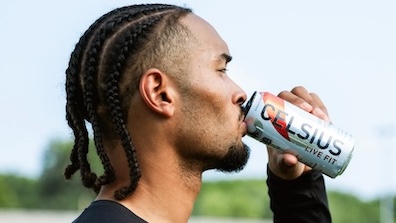
Celsius centers campaign on college football to further Gen Z marketing MARKETING DIVE, Aug 27, 2024
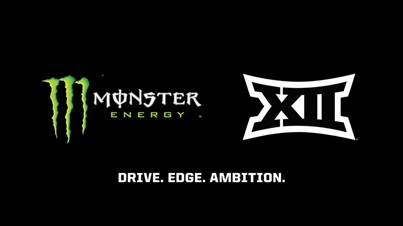
BIG 12 ANNOUNCES MONSTER ENERGY AS ENTITLEMENT PARTNER OF FOOTBALL AND BASKETBALL REGULAR SEASONSBig 12 Conference, July 7, 2026
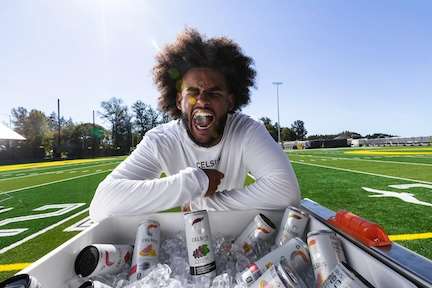
CELSIUS Powers ESPN's College GameDay With Fan Challenges DESIGNRUSH, Sep 7, 2026
WHY THIS MATTERS
Energy drinks come in fruit and candy flavors and can be purchased by children in the U.S. They contain high levels of caffeine and other stimulants that can raise blood pressure and cause a racing or irregular heartbeat, anxiety, jitteriness, and sleep disruption. In rare cases, seizures, sudden cardiac arrest, and death have been reported.
The Centers for Disease Control and Prevention (CDC) clearly warns that “Energy drinks can have harmful effects.” The American Heart Association (AHA) concluded in a July 2026 scientific statement that "although data on energy drinks are limited, available studies generally suggest cardiovascular harm."
These warnings are especially concerning given how common energy-drink consumption is becoming among young people and the rise in associated medical emergencies:
- About 14%–18% of U.S. 8th-, 10th-, and 12th-grade students report drinking at least one energy drink every day.
- Worldwide, about 45% of adolescents consumed an energy drink in the past year, and about one-third did so in the past month.
- Caffeine-related emergency department visits have doubled for middle- and high-school age children.
- U.S. poison-center calls involving energy drinks among children and teens increased by 24% from 2022 to 2023.
- The National Poison Data System recorded 10,588 energy-drink exposures over three years, including 14 life-threatening outcomes and the death of an adolescent.
The American Medical Association (AMA), American College of Sports Medicine (ACSM),and American Academy of Family Physicians (AAFP) advocate restricting energy-drink marketing to children and teens under 18.
In national coverage of the Big 12–Monster Energy partnership, medical experts and representatives of leading medical organizations raised concerns about energy-drink marketing and the health risks for children and teens:
- Dr. John Higgins, first author of the ACSM's 2018 statement on energy drinks, told USA Today that "Big 12 games can reach roughly 10–18 million viewers per weekend, with particularly strong exposure among younger fans," making this an important environment to consider "the marketing and consumption of energy drinks among young people."
- An AMA spokesperson told MedPage Today that highly caffeinated energy drinks “may lead to a host of health problems in young people”—including anxiety and sleep disturbances—and affirmed that “banning companies from marketing these products to adolescents is a commonsense action” to protect children's health.
- Dr. Gregory Marcus, first author of the AHA's 2026 scientific statement on caffeine, explained in MedPage Today that limited evidence suggests energy drinks “may actually promote dangerous rhythms and heart failure, even in young, otherwise healthy people, such as teenagers.” He also warned that energy-drink partnerships with major athletic organizations can misleadingly associate these products with athletic success, despite no good evidence that they enhance performance or that potential benefits outweigh cardiovascular risks, "especially in young impressionable kids."
- Dr. Tamara Hannon, chair of the American Academy of Pediatrics (AAP) Committee on Nutrition, warned in Associated Press coverage that stimulants in energy drinks can pose risks even for healthy children and young athletes: “The heart can wear out, the nervous system can go haywire and you can have really serious consequences.”
ENERGY DRINK MARKETING REACHES YOUNG FANS OF COLLEGE SPORTS
Children are part of the college-sports audience. 60% of children ages 7–11 are college-sports fans. Colleges and conferences actively engage young fans through kids clubs, youth activities, camps, game-day experiences, broadcasts, and social media. ESPN has reported College GameDay viewership among boys ages 12-17.
Energy-drink companies are increasingly sponsoring college teams, athletes, sporting events, and broadcasts viewed by children and teens. Young fans are now seeing college-sports-themed energy-drink marketing nationwide on an unprecedented scale.
Sports-themed energy-drink ads are widely seen by youth and are often perceived—even by 12- to 14-year-olds—as promoting energy-drink use during sports. Exposure to energy-drink advertising predicted greater energy-drink use among children and teens.
ENERGY DRINKS ARE NOT SPORTS DRINKS
Despite the sports imagery used in their advertising, energy drinks are stimulant products—not hydration products for sports.
Sports-themed promotion can blur the distinction between sports drinks and energy drinks and give young athletes the impression that energy drinks are appropriate for athletic performance or hydration.
- For hydration, water is best.
- Sports/electrolyte drinks may be needed for vigorous exercise lasting more than an hour that causes a lot of sweating.
- Energy drinks should not be consumed before, during, or after sports or exercise by children and teens.
WHAT ELITE ATHLETES SAY ABOUT ENERGY, CAFFEINE, AND PERFORMANCE

"I’m not a daily coffee guy at all, or energy drinks or anything like that.”
— Stephen Curry, four-time NBA champion, two-time NBA MVP, and Olympic gold medalist
BUSINESS INSIDER, Feb 1, 2016
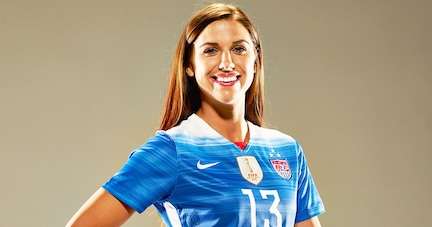
“I’m not big on energy drinks because those can make you crash later.”
— Alex Morgan, two-time FIFA Women’s World Cup champion and Olympic gold medalist
Women Fitness, Aug 20, 2016

“My go-to way to fuel during a match is with a homemade fruit salad. It gives me the natural energy I need to refuel.”
— Coco Gauff, two-time Grand Slam Singles Champion
PureWow, Aug 28, 2026
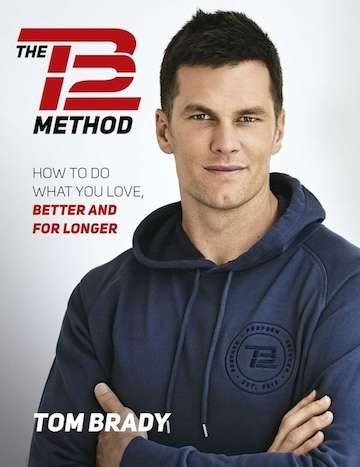
“Reduce or eliminate your intake of caffeine, soda, and alcohol.”
— Tom Brady, seven-time Super Bowl champion and five-time Super Bowl MVP
CBS News, July 28, 2020
WHAT CHILDREN, TEENS, AND FAMILIES SHOULD KNOW
“Energy drinks are not appropriate for children and adolescents and should never be consumed.”
— The American Academy of Pediatrics (AAP)
- Energy drinks pose documented health risks for children and teens.
- Children under age 12 should avoid caffeine entirely; adolescents (ages 12–18) should limit caffeine to no more than 100 mg/day.
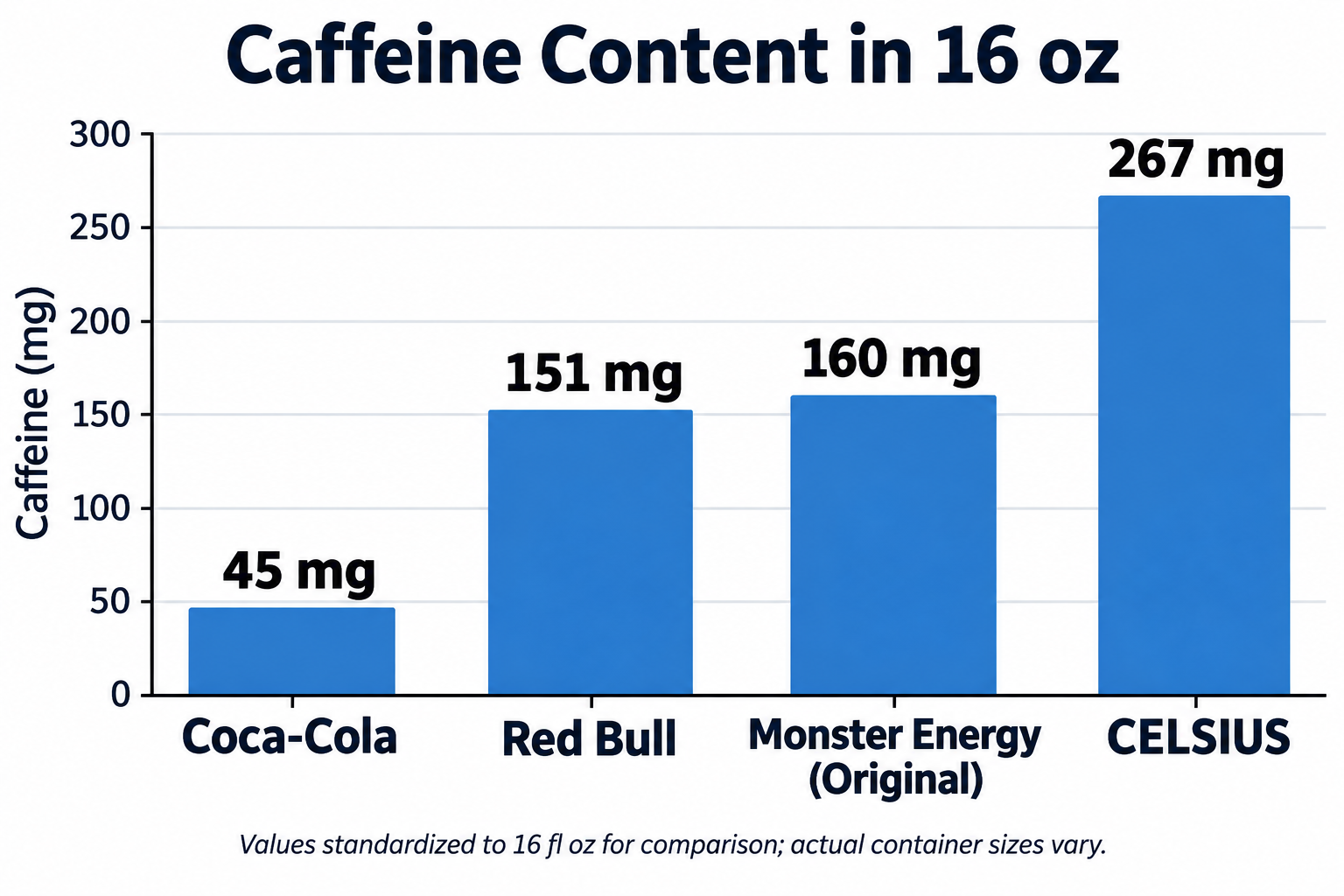
- Energy drinks commonly contain 150–300 mg of caffeine per serving and should never be consumed by children and teens.
- Parents, coaches, athletic departments, and educators should distinguish energy drinks from sports/electrolyte drinks and discourage youth energy drink use.
- Seek emergency care for palpitations, chest pain, fainting, or seizures after consumption of energy drinks.
OUR CLEAR ASK
We are not asking to ban energy drinks for adults or restrict adult choices. We are asking college sports organizations to recognize that children and teens are part of their audience and to:
1. Review the health risks with independent experts in children's health, heart health, sports medicine, and public health.
2. Pause energy-drink promotions that are likely to reach young fans while that review takes place—especially branding on uniforms and playing surfaces and promotions through youth activities, broadcasts, and social media.
3. Adopt clear standards for energy-drink sponsorships and advertising that recognize that children and teens are part of the college-sports audience.
4. Teach young athletes and fans what to drink for hydration: water first; sports drinks when needed—never energy drinks.
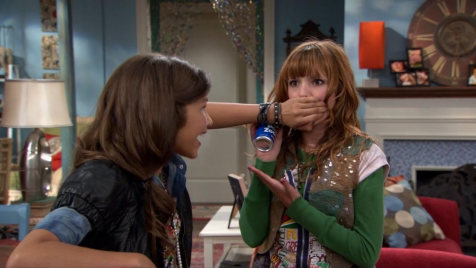
Even Rocky knew to avoid energy drinks! In Disney Channel’s Shake It Up, Zendaya’s teen character Rocky warns her friend about the risks of energy drinks. We hope Disney, ESPN, the Big 12, and the NCAA will show the same concern for young fans of college sports. (Photo source: IMDb — Give It Up)
FOR THE HEALTH OF OUR CHILDREN AND TEENS, PLEASE SIGN AND SHARE.
Additional Resources:
- Learn More: The leading medical, sports, and nutrition organizations' statements on energy drinks and youth. → Click Here
- Real-Life Stories: Energy Drink-related Medical Emergencies. → Click Here
- College Students: Do energy drinks really help you perform your best? → Click Here
“This movement is dedicated to the living legacy of Steven E. Lipshultz, MD, whose pioneering research remains the heartbeat of our mission.” This petition was developed by physicians and public-health advocates relying on peer-reviewed medical literature and recommendations from leading pediatric, cardiology, and sports-medicine organizations. It is intended to encourage responsible sponsorship policy and is not individual medical advice. It does not allege wrongdoing or improper conduct by Monster Energy, Celsius, or any other person, company, or organization. Rather, it addresses broader pediatric public-health concerns about youth-facing, sports-themed promotion within the energy-drink category.

494
The Issue
PROTECT YOUNG FANS FROM ENERGY DRINK MARKETING THROUGH COLLEGE SPORTS
- Do you want your child reaching for an energy drink to try to be like their favorite college athlete?
Leading medical organizations recommend that children and teens avoid energy drinks—and that these products not be marketed to youth.
- If you don't want children and teens reaching for energy drinks after watching college sports, please sign this petition.
This initiative is not about restricting adults or adult choices. We are asking college-sports organizations to help protect young fans from energy-drink marketing through the sports they love.
WHAT WE'RE ASKING
Pause energy-drink promotions reaching young fans of college sports while independent medical experts review the health risks to children and teens.
Celsius centers campaign on college football to further Gen Z marketing MARKETING DIVE, Aug 27, 2024
BIG 12 ANNOUNCES MONSTER ENERGY AS ENTITLEMENT PARTNER OF FOOTBALL AND BASKETBALL REGULAR SEASONSBig 12 Conference, July 7, 2026
CELSIUS Powers ESPN's College GameDay With Fan Challenges DESIGNRUSH, Sep 7, 2026
WHY THIS MATTERS
Energy drinks come in fruit and candy flavors and can be purchased by children in the U.S. They contain high levels of caffeine and other stimulants that can raise blood pressure and cause a racing or irregular heartbeat, anxiety, jitteriness, and sleep disruption. In rare cases, seizures, sudden cardiac arrest, and death have been reported.
The Centers for Disease Control and Prevention (CDC) clearly warns that “Energy drinks can have harmful effects.” The American Heart Association (AHA) concluded in a July 2026 scientific statement that "although data on energy drinks are limited, available studies generally suggest cardiovascular harm."
These warnings are especially concerning given how common energy-drink consumption is becoming among young people and the rise in associated medical emergencies:
- About 14%–18% of U.S. 8th-, 10th-, and 12th-grade students report drinking at least one energy drink every day.
- Worldwide, about 45% of adolescents consumed an energy drink in the past year, and about one-third did so in the past month.
- Caffeine-related emergency department visits have doubled for middle- and high-school age children.
- U.S. poison-center calls involving energy drinks among children and teens increased by 24% from 2022 to 2023.
- The National Poison Data System recorded 10,588 energy-drink exposures over three years, including 14 life-threatening outcomes and the death of an adolescent.
The American Medical Association (AMA), American College of Sports Medicine (ACSM),and American Academy of Family Physicians (AAFP) advocate restricting energy-drink marketing to children and teens under 18.
In national coverage of the Big 12–Monster Energy partnership, medical experts and representatives of leading medical organizations raised concerns about energy-drink marketing and the health risks for children and teens:
- Dr. John Higgins, first author of the ACSM's 2018 statement on energy drinks, told USA Today that "Big 12 games can reach roughly 10–18 million viewers per weekend, with particularly strong exposure among younger fans," making this an important environment to consider "the marketing and consumption of energy drinks among young people."
- An AMA spokesperson told MedPage Today that highly caffeinated energy drinks “may lead to a host of health problems in young people”—including anxiety and sleep disturbances—and affirmed that “banning companies from marketing these products to adolescents is a commonsense action” to protect children's health.
- Dr. Gregory Marcus, first author of the AHA's 2026 scientific statement on caffeine, explained in MedPage Today that limited evidence suggests energy drinks “may actually promote dangerous rhythms and heart failure, even in young, otherwise healthy people, such as teenagers.” He also warned that energy-drink partnerships with major athletic organizations can misleadingly associate these products with athletic success, despite no good evidence that they enhance performance or that potential benefits outweigh cardiovascular risks, "especially in young impressionable kids."
- Dr. Tamara Hannon, chair of the American Academy of Pediatrics (AAP) Committee on Nutrition, warned in Associated Press coverage that stimulants in energy drinks can pose risks even for healthy children and young athletes: “The heart can wear out, the nervous system can go haywire and you can have really serious consequences.”
ENERGY DRINK MARKETING REACHES YOUNG FANS OF COLLEGE SPORTS
Children are part of the college-sports audience. 60% of children ages 7–11 are college-sports fans. Colleges and conferences actively engage young fans through kids clubs, youth activities, camps, game-day experiences, broadcasts, and social media. ESPN has reported College GameDay viewership among boys ages 12-17.
Energy-drink companies are increasingly sponsoring college teams, athletes, sporting events, and broadcasts viewed by children and teens. Young fans are now seeing college-sports-themed energy-drink marketing nationwide on an unprecedented scale.
Sports-themed energy-drink ads are widely seen by youth and are often perceived—even by 12- to 14-year-olds—as promoting energy-drink use during sports. Exposure to energy-drink advertising predicted greater energy-drink use among children and teens.
ENERGY DRINKS ARE NOT SPORTS DRINKS
Despite the sports imagery used in their advertising, energy drinks are stimulant products—not hydration products for sports.
Sports-themed promotion can blur the distinction between sports drinks and energy drinks and give young athletes the impression that energy drinks are appropriate for athletic performance or hydration.
- For hydration, water is best.
- Sports/electrolyte drinks may be needed for vigorous exercise lasting more than an hour that causes a lot of sweating.
- Energy drinks should not be consumed before, during, or after sports or exercise by children and teens.
WHAT ELITE ATHLETES SAY ABOUT ENERGY, CAFFEINE, AND PERFORMANCE
"I’m not a daily coffee guy at all, or energy drinks or anything like that.”
— Stephen Curry, four-time NBA champion, two-time NBA MVP, and Olympic gold medalist
BUSINESS INSIDER, Feb 1, 2016
“I’m not big on energy drinks because those can make you crash later.”
— Alex Morgan, two-time FIFA Women’s World Cup champion and Olympic gold medalist
Women Fitness, Aug 20, 2016
“My go-to way to fuel during a match is with a homemade fruit salad. It gives me the natural energy I need to refuel.”
— Coco Gauff, two-time Grand Slam Singles Champion
PureWow, Aug 28, 2026
“Reduce or eliminate your intake of caffeine, soda, and alcohol.”
— Tom Brady, seven-time Super Bowl champion and five-time Super Bowl MVP
CBS News, July 28, 2020
WHAT CHILDREN, TEENS, AND FAMILIES SHOULD KNOW
“Energy drinks are not appropriate for children and adolescents and should never be consumed.”
— The American Academy of Pediatrics (AAP)
- Energy drinks pose documented health risks for children and teens.
- Children under age 12 should avoid caffeine entirely; adolescents (ages 12–18) should limit caffeine to no more than 100 mg/day.
- Energy drinks commonly contain 150–300 mg of caffeine per serving and should never be consumed by children and teens.
- Parents, coaches, athletic departments, and educators should distinguish energy drinks from sports/electrolyte drinks and discourage youth energy drink use.
- Seek emergency care for palpitations, chest pain, fainting, or seizures after consumption of energy drinks.
OUR CLEAR ASK
We are not asking to ban energy drinks for adults or restrict adult choices. We are asking college sports organizations to recognize that children and teens are part of their audience and to:
1. Review the health risks with independent experts in children's health, heart health, sports medicine, and public health.
2. Pause energy-drink promotions that are likely to reach young fans while that review takes place—especially branding on uniforms and playing surfaces and promotions through youth activities, broadcasts, and social media.
3. Adopt clear standards for energy-drink sponsorships and advertising that recognize that children and teens are part of the college-sports audience.
4. Teach young athletes and fans what to drink for hydration: water first; sports drinks when needed—never energy drinks.
Even Rocky knew to avoid energy drinks! In Disney Channel’s Shake It Up, Zendaya’s teen character Rocky warns her friend about the risks of energy drinks. We hope Disney, ESPN, the Big 12, and the NCAA will show the same concern for young fans of college sports. (Photo source: IMDb — Give It Up)
FOR THE HEALTH OF OUR CHILDREN AND TEENS, PLEASE SIGN AND SHARE.
Additional Resources:
- Learn More: The leading medical, sports, and nutrition organizations' statements on energy drinks and youth. → Click Here
- Real-Life Stories: Energy Drink-related Medical Emergencies. → Click Here
- College Students: Do energy drinks really help you perform your best? → Click Here
“This movement is dedicated to the living legacy of Steven E. Lipshultz, MD, whose pioneering research remains the heartbeat of our mission.” This petition was developed by physicians and public-health advocates relying on peer-reviewed medical literature and recommendations from leading pediatric, cardiology, and sports-medicine organizations. It is intended to encourage responsible sponsorship policy and is not individual medical advice. It does not allege wrongdoing or improper conduct by Monster Energy, Celsius, or any other person, company, or organization. Rather, it addresses broader pediatric public-health concerns about youth-facing, sports-themed promotion within the energy-drink category.
The Decision Makers

Supporter Voices
Petition Updates
Share this petition
Petition created on July 20, 2026