UCI alumna with cancer urges healing conversations

Fellow supporters of MeTooSTEM,
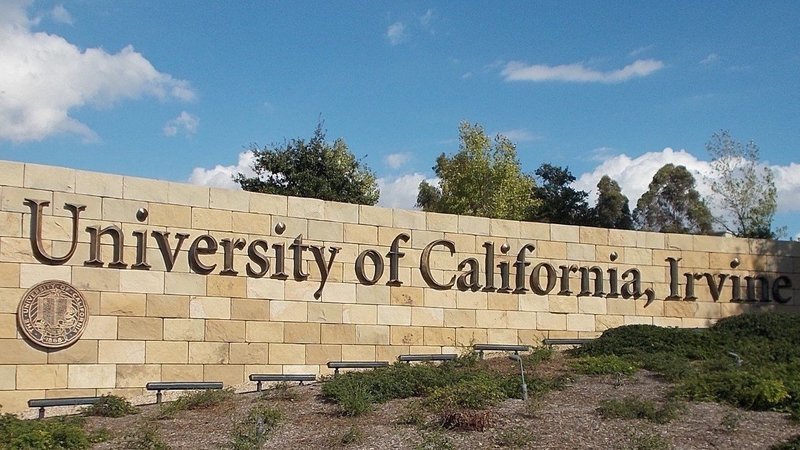
Last month, I had the opportunity to meet Dr. BethAnn McLaughlin at an impromptu event at UC Irvine, my alma mater and present workplace. Only dozens of students, faculty, and staff, out of the over 50,000 affiliated with the campus, found their way to this seminar, entitled “Why Universities Keep Faculty Guilty of Sexual Misconduct in Positions of Power”; it was not a university-sponsored or marketed event.
McLaughlin did not come to UCI to accuse any individuals of sexual harassment. She did not come to convince any of us that we were the victims of sexual violence. She did not even come to detail her struggles at her home institution of Vanderbilt University. She came to tell us that she hears our call for change.
Last summer, our Chancellor announced that Francisco J. Ayala, the then-named benefactor of the UCI School of Biological Sciences and science library, would be leaving the university. His name was removed from these buildings, as well as graduate fellowships, scholar programs, and endowed chairs. The campus Title IX office had concluded that Ayala was in violation of sexual harassment policies, following an investigation into complaints brought by multiple biology faculty, staff, and students. While this appeared to be a victory for UCI, the surrounding conversations have quieted and little progress seems to have been made
since.
During her seminar, McLaughlin draws us to acknowledge the toxicity of silence. She elaborates that flawed university procedures do not encourage victims of sexual harassment and violence to fully speak, be heard, and heal. The guise of confidentiality, often cited by administrators, is not an effective component to healing for the individual, nor the community.
McLaughlin drives home this point with a simple analogy: if you learn you have a devastating cancer, your doctor is not going to tell you that keeping it a secret will make you healthy. McLaughlin inspires us to have candid conversations in order to heal. As such, here is a message I would like to leave you with: I have a devastating cancer. I think about my cancer every moment of every day; it subtly interweaves itself in my work, my errands, my leisure, my sleep. As much as we wish it was not true, disease has the power to degrade your ability to think and function in the ways you used to ...not unlike experiencing sexual trauma.
My thoughts surrounding my prognosis are based on data and science; as a scientist, I cannot escape them. They are, however, countered by a fire to make our community a better place before I die. This fire is fueled by my friends and colleagues that have spoken up about their tough experiences, by those not ready to do so, by Dr. BethAnn McLaughlin, and by you.
I ask you to join me in continuing this hard fight for change. Speak your truth and foster a community that is safe, equitable, and prosperous.
Sincerely,
Lalisa Stutts
Ph.D., University of California, Irvine
B.S., California State University, Fullerton