Investigation sees first fox hunters to be charged under Section 3 of the Hunting Act.

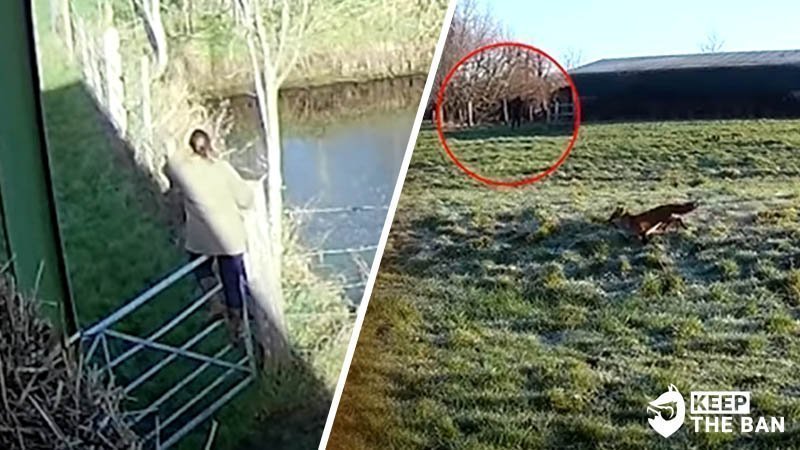
In March 2022, Keep The Ban, in partnership with the Hunt Investigation Team (HIT), released an investigation exposing the Vale of White Horse Hunt deliberately and intentionally hunting a fox.
First fox hunters to be charged under Section 3 of the Hunting Act.
We are pleased to announce that two people have been charged under sections 1 and 3 of the Hunting Act. Meanwhile, a Vale of the White Horse Hunt master has also been charged Section 1 Hunting Act: the offence of hunting a wild animal with dogs.
Keep The Ban is proud to have directly supported HIT, providing funding for this ground-breaking investigation. It is thanks to the generous donations of our supporters that we are able to help to expose the truth, naming and shaming those who illegally hunt animals. We are committed to providing continuing financial and media support to HIT to ensure that hunt members who abuse animals are caught and prosecuted.
We cannot do it without you. If you like to fund future investigations and help KTB and HIT expose more hunts and wildlife criminals, please consider making a donation today. Every donation, no matter how big or small, will support our efforts in building a more compassionate future for wildlife.
Donate to fund future investigation
Hunting Act: Section 3
Duncan and Verity Drewitt are the first fox hunt people ever to have been charged under Section 3 of the Hunting Act. But what exactly is Section 3?
It reads:
“A person commits an offence if he knowingly permits land which belongs to him to be entered or used in the course of the commission of an offence under Section 1.”
Section 3 also applies if someone permits their dog to be used to hunt a wild animal, too.
If you are a landowner and you allow a pack to cross your land in pursuit of a fox, you are complicit in illegal hunting, and you should be held accountable. The fact that Duncan and Verity Drewitt have been charged should be a warning to all other landowners who permit hunting on their land, and will hopefully make them think twice in the future. The court case could also open the door to more landowners being prosecuted, who, until now, have seemingly been untouchable.
We have already seen big landowners like the National Trust taking action to stop illegal hunting taking place on their land. It is likely that we will also begin to see more and more small landowners around the country preventing hunts from stepping on their land, for fear of being prosecuted.