The Future of Work: Introduction

(The following has been written without CHATGPT, etc.)
The Future of Work: Introduction (by Michael Christensen)
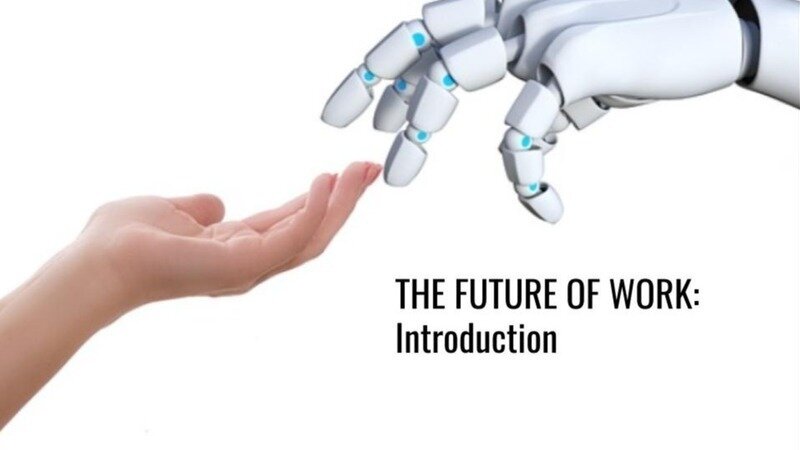
The humanoid robot, like all robots, can perform any task it is designed to perform. If it is designed to take out the garbage, then it will take out our garbage; if designed to pick up our groceries, then it will pick up our groceries; if designed to help raise our children, then it can help with that, also.
However, what is crucial but perhaps taken for granted, is that we will know what to tell a Humanoid Robot to do. And I think our ability as a species to be collectively wise in this regard is not a given. In fact, in our age, we seem to be at risk of not knowing what to do with ourselves – let alone what tasks we should lay out for fleets of humanoid robot servants.
It may be easy to forget that WORK, whether meaningful or drudgery, has been a burden common to all human cultures – and despite work being an ‘adaptable’ phenomenon, having evolved along with the particular needs of our societies, there has still always been a clear need to exert effort in order to survive. With these new technologies, however, our relationship to work might atrophy beyond a salvageable state – as we fall prey to every conceivable vice and predictable downside of this luxury.
In the subsequent sections of this brief article (which I'll share for the next few weeks), I’ll attempt to explore WORK as a living, human phenomenon – and will attempt to derive some useful conclusions from that exploration.