

Save Leros' historical heritage
The Issue
THE LIVING MEMORY OF AN EXTRAORDINARY ISLAND
Leros is much more than a beautiful island in the Aegean.
Its landscape carries a unique and extraordinarily complex history — a history written not only in books and archives, but also on its walls, inside its abandoned buildings, in forgotten inscriptions, murals, military installations and places that have witnessed some of the most difficult chapters of the 20th century.
Today, much of this heritage is disappearing.
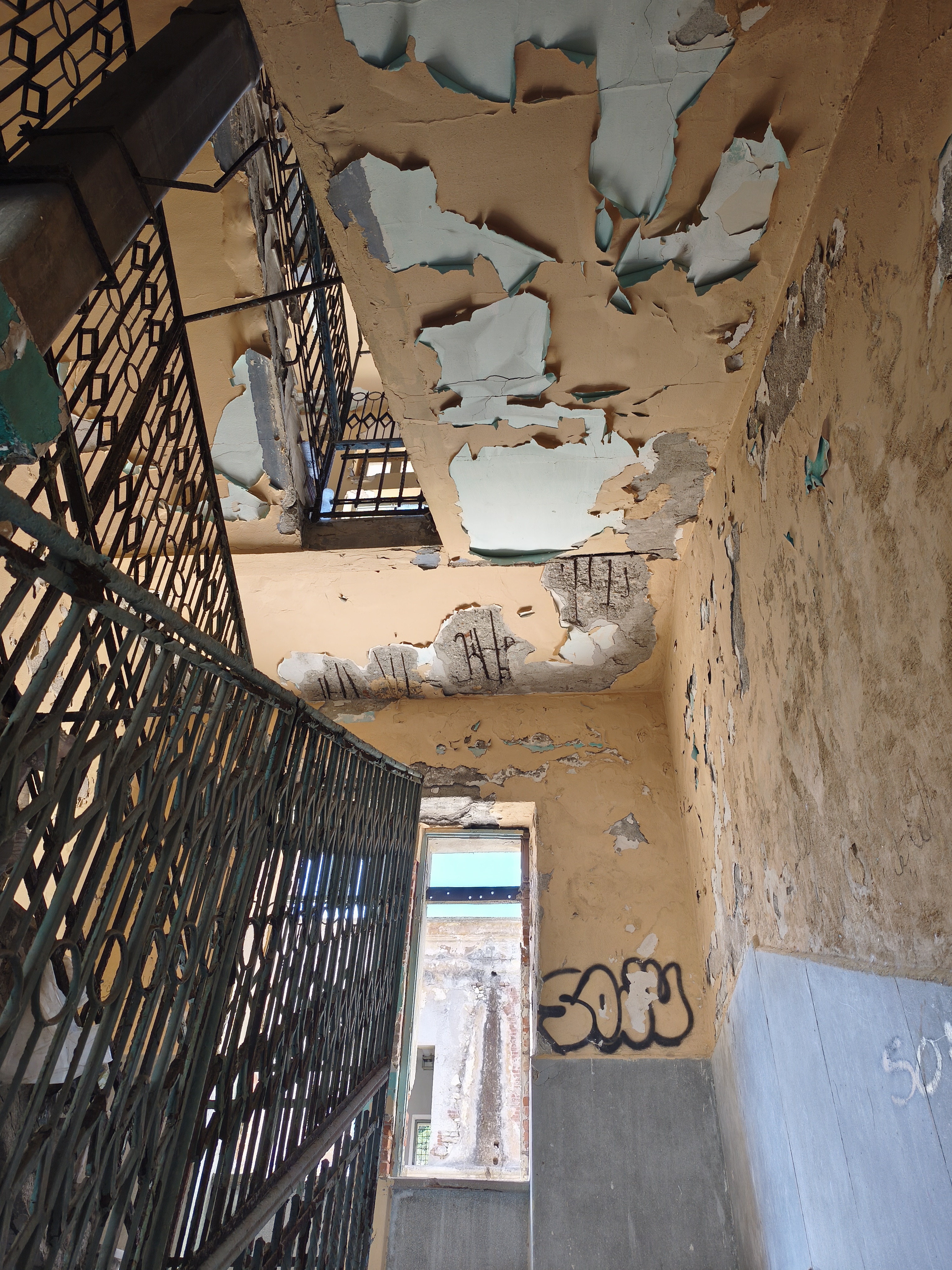
Historic buildings are collapsing. Murals are being destroyed by time, humidity, neglect and vandalism. Inscriptions are fading. Doors, windows and architectural elements are being lost. Places that could tell future generations the story of Leros are slowly being reduced to ruins.
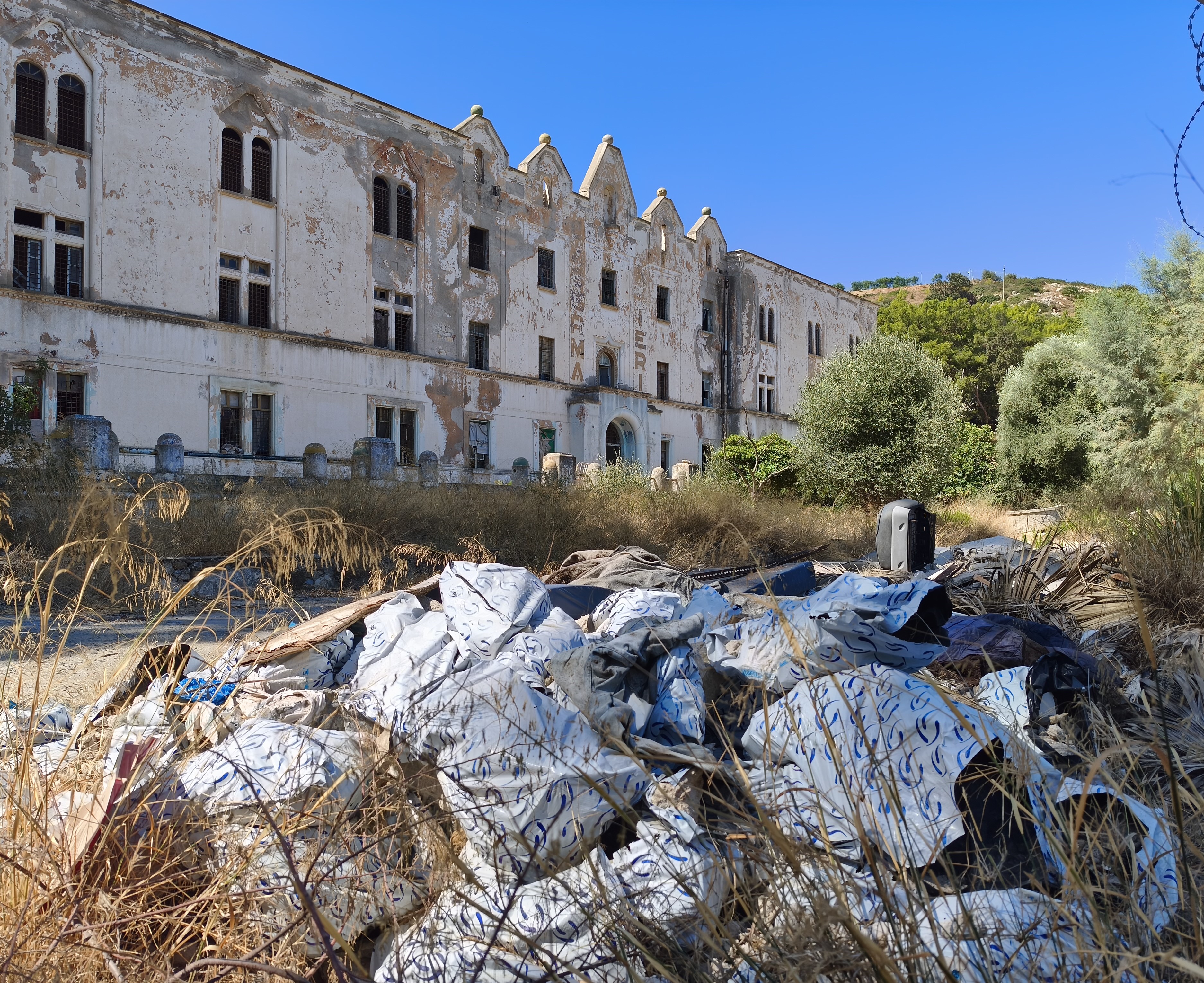
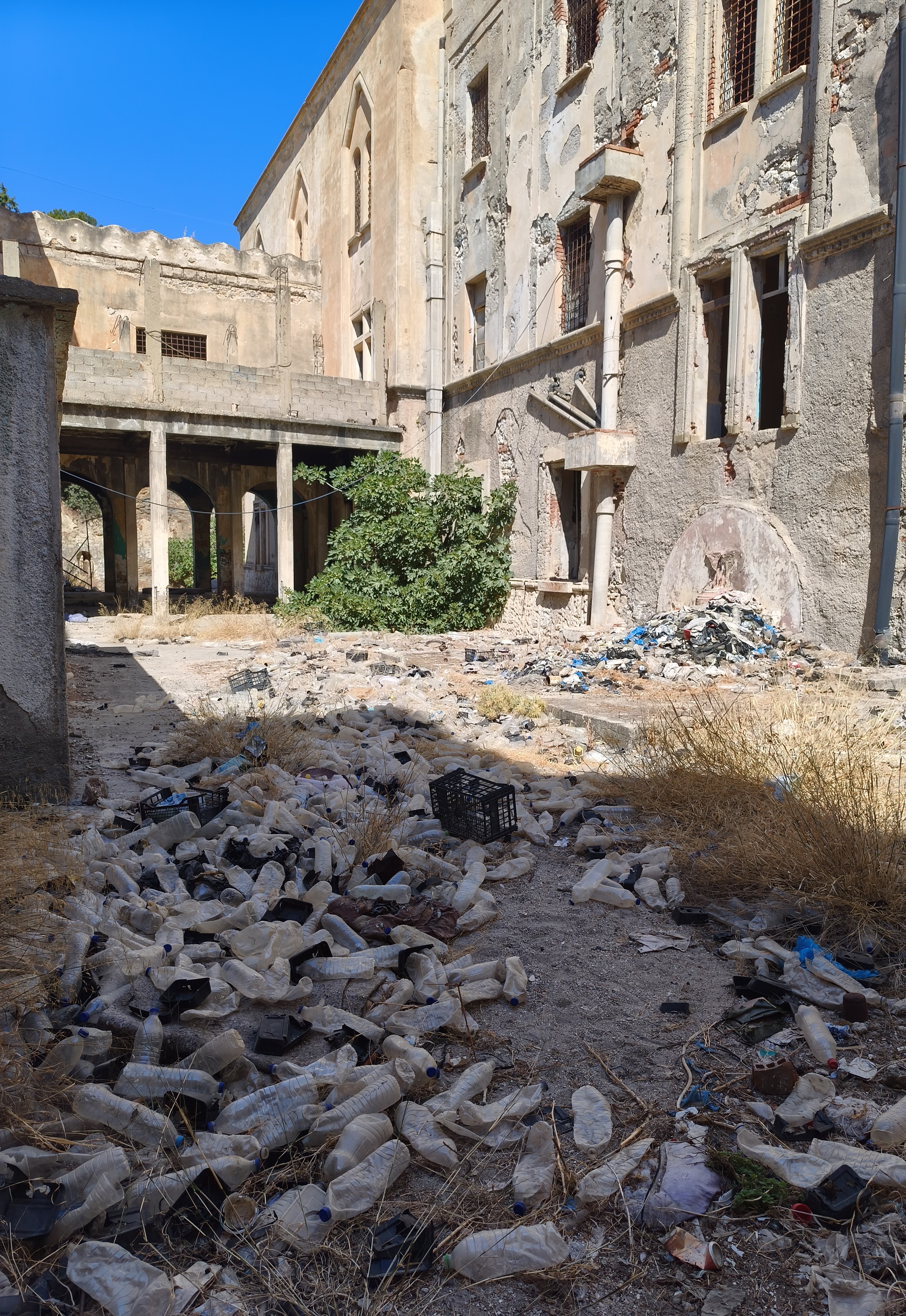
Once these traces are gone, they cannot be recreated.
This is not a call to preserve the past instead of the future.
It is a call to understand that the past is part of the future of Leros.
The island possesses a rare and deeply layered historical heritage, reflecting Italian occupation and architecture, the Second World War, the German occupation, the experience of political exile during the Greek military dictatorship, and the difficult post-war history associated with the Leros Psychiatric Hospital.
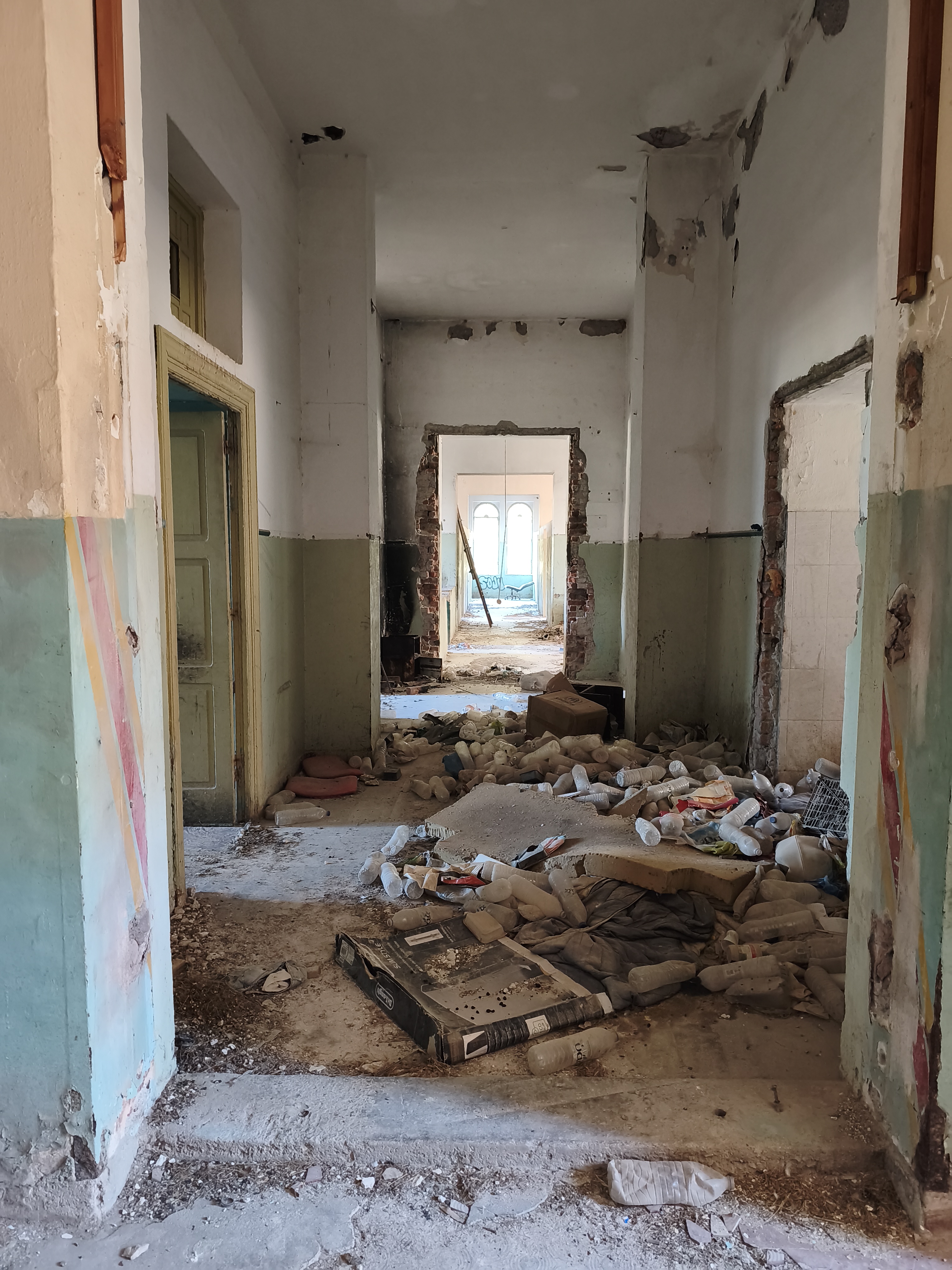
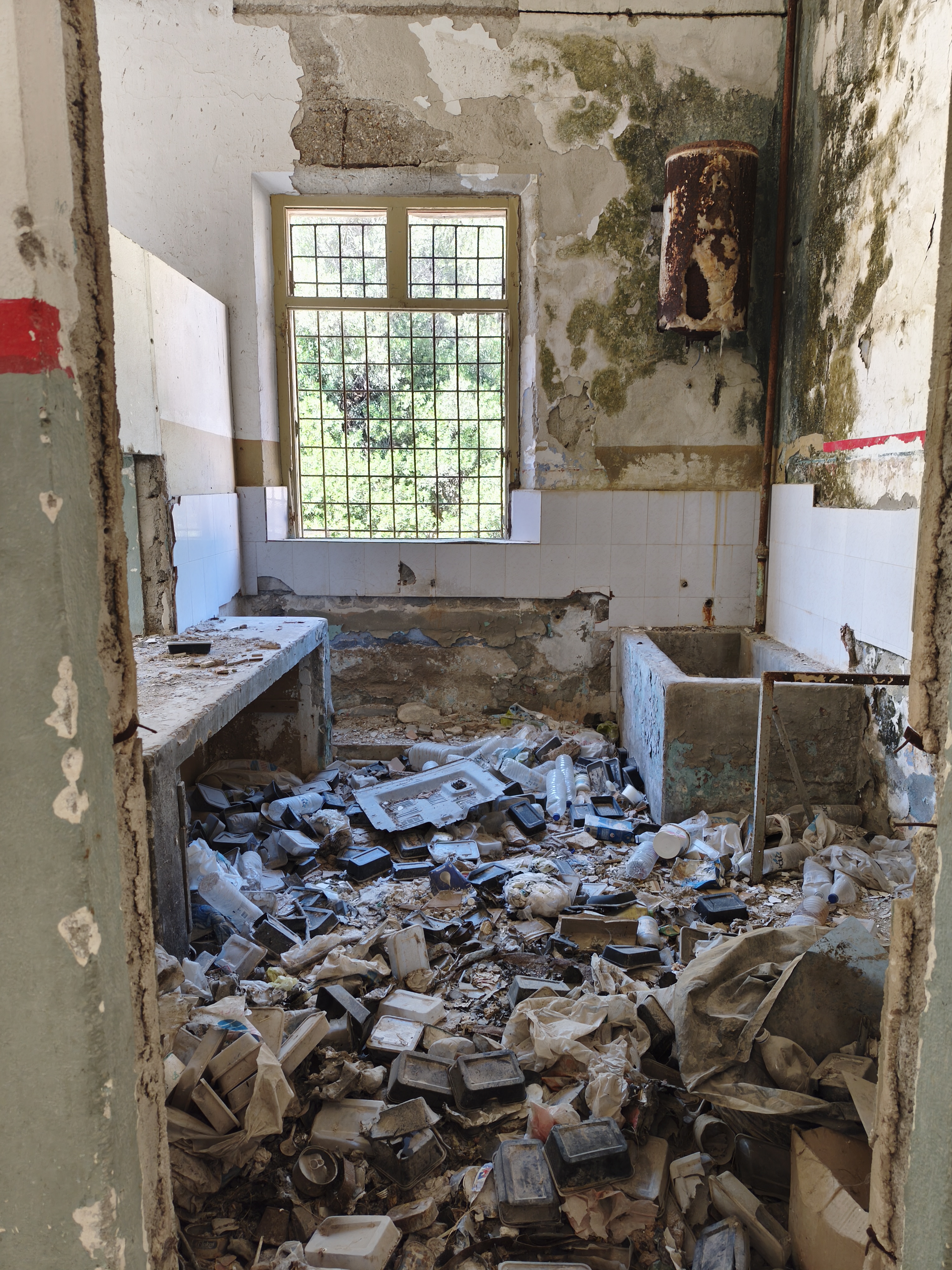
These different and sometimes painful chapters should not be erased.
They should be protected, studied, documented and presented with honesty and dignity.
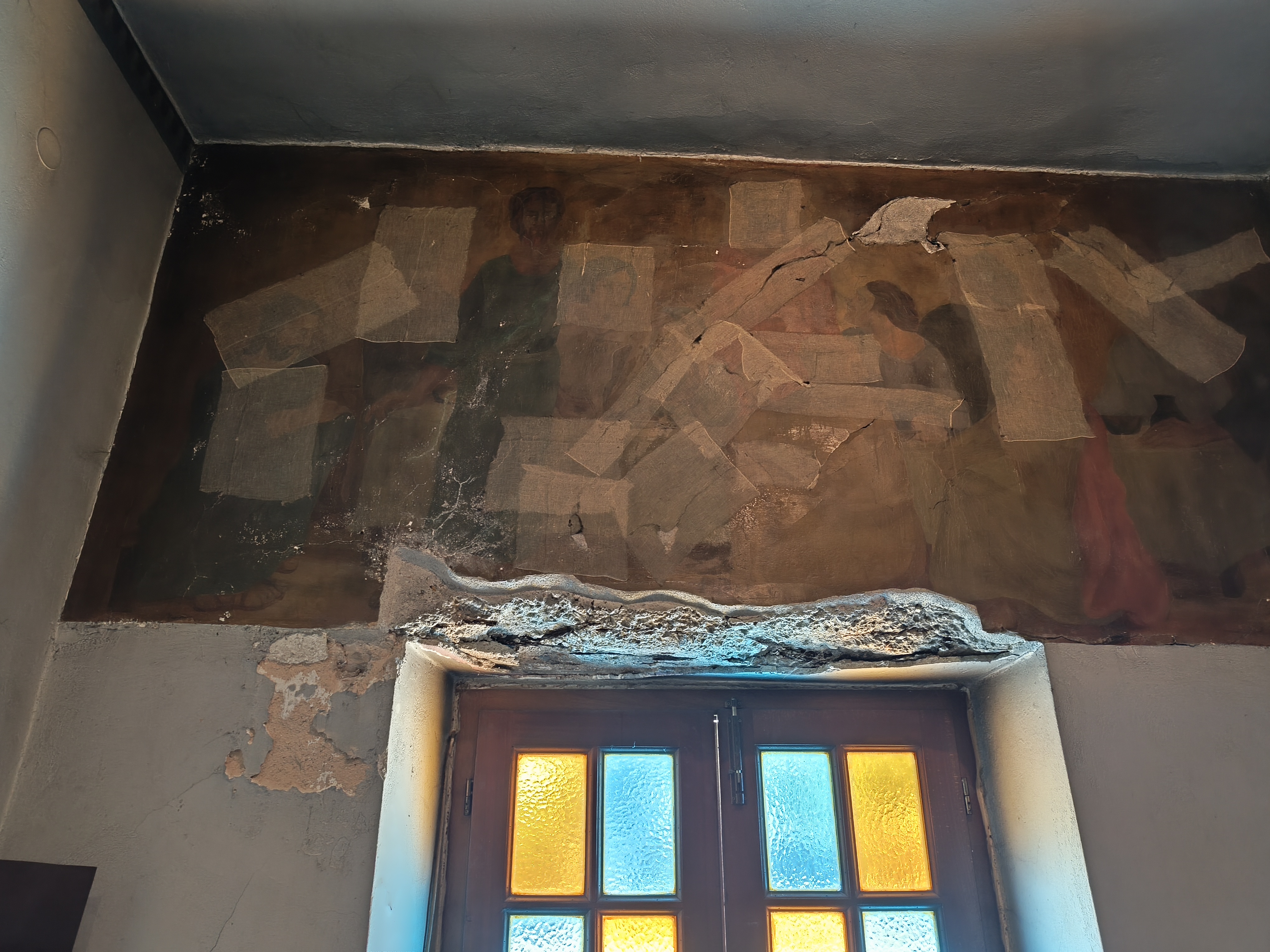
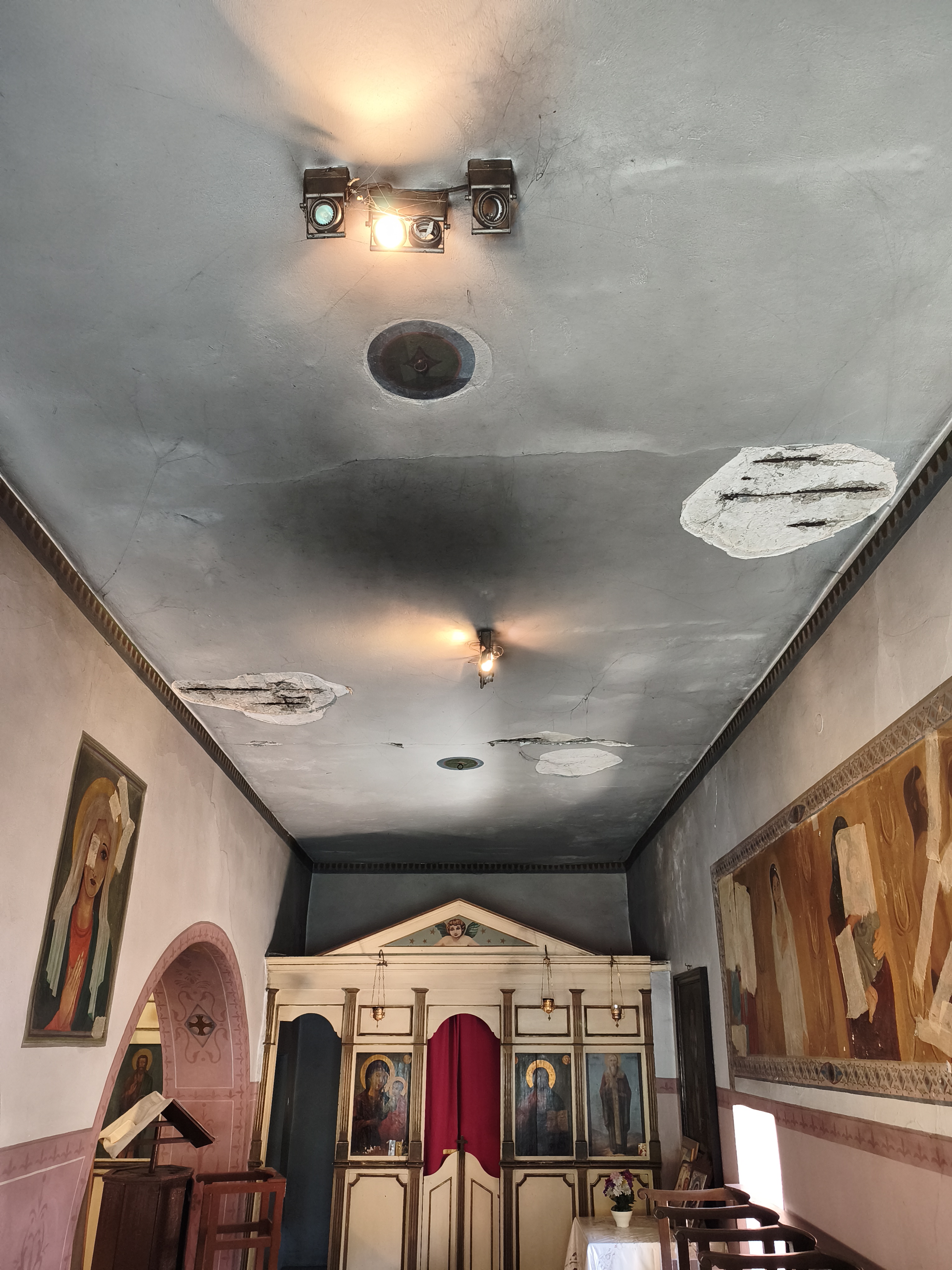
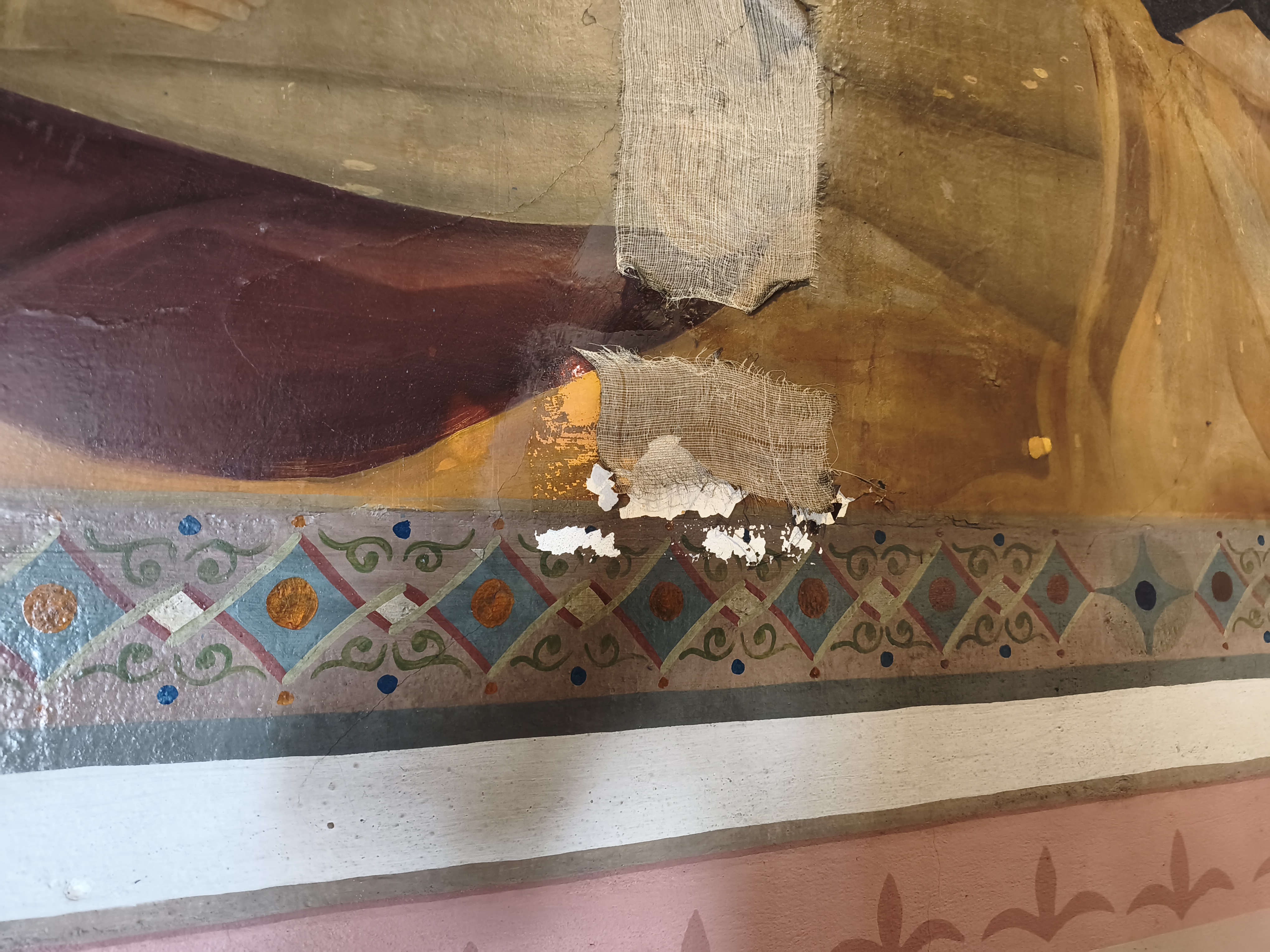
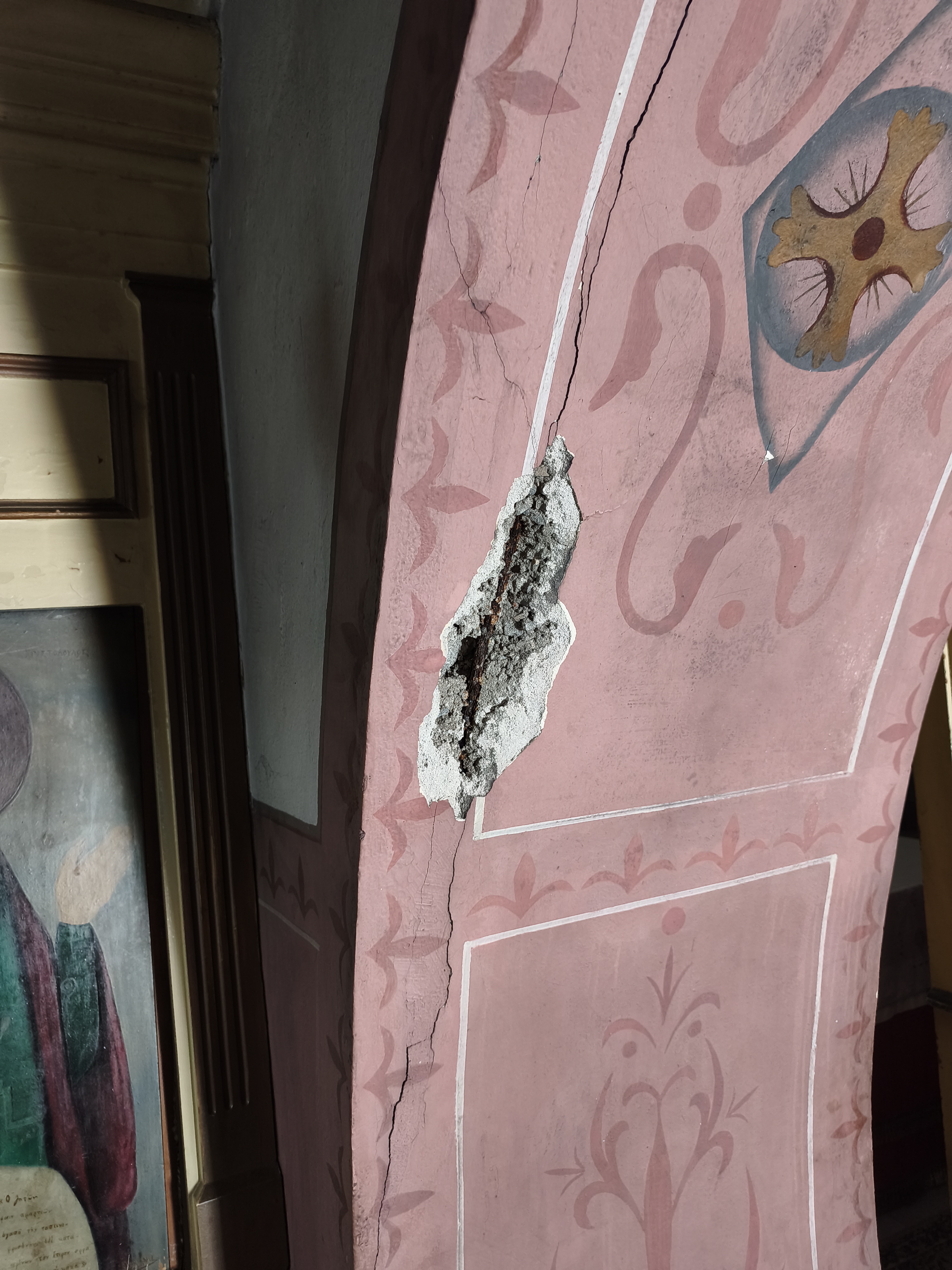
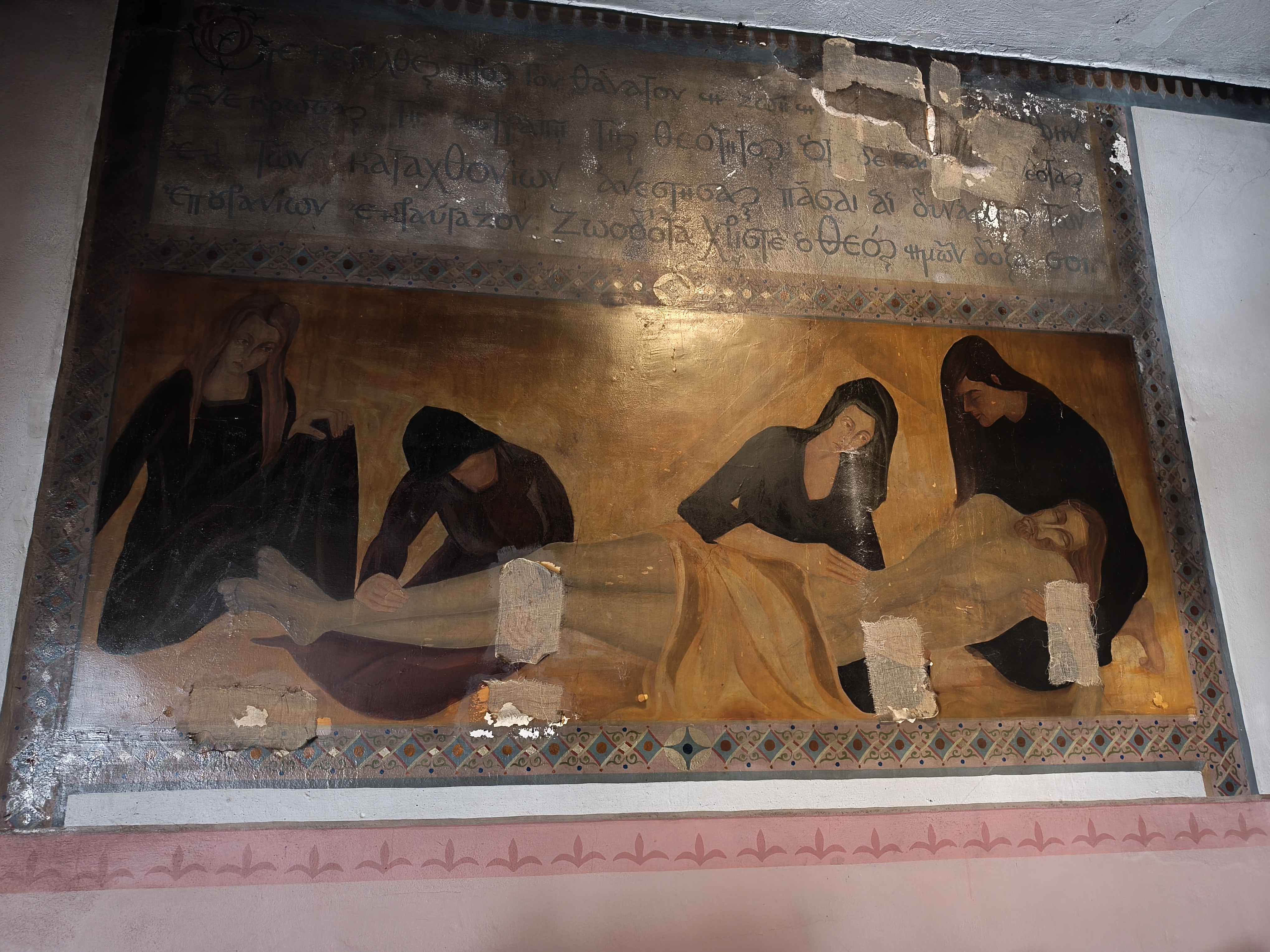
Among the places at risk are:
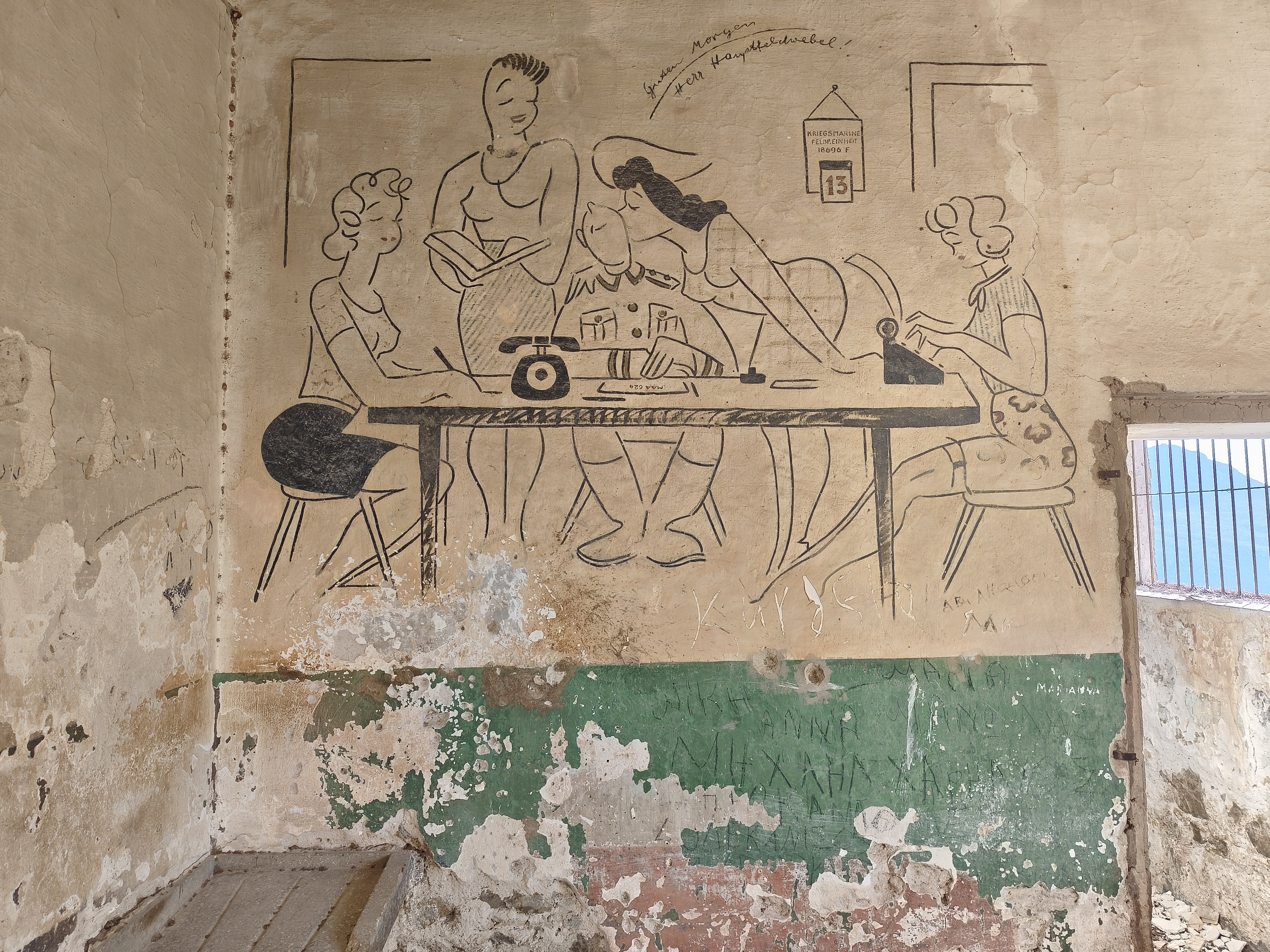
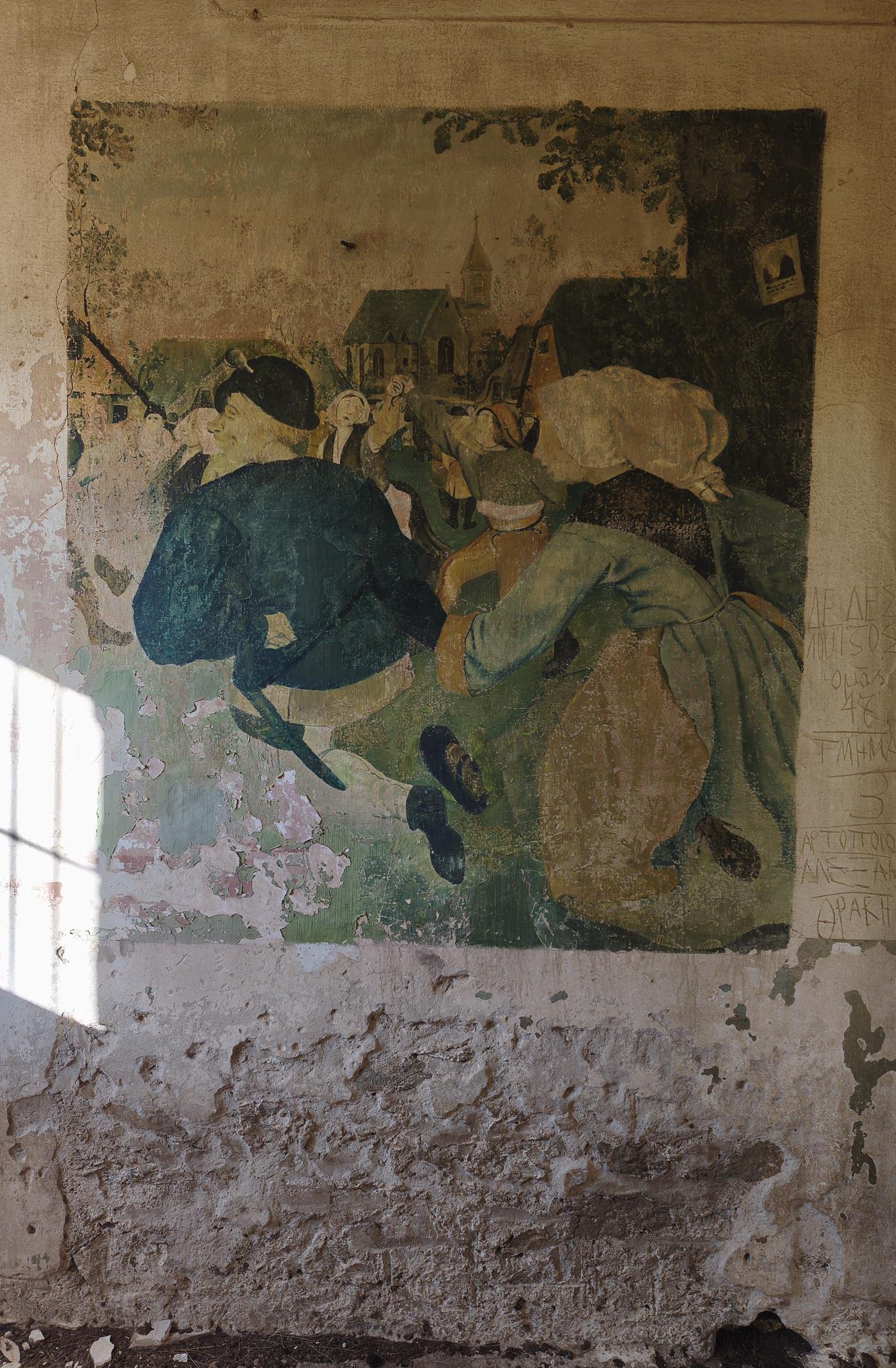
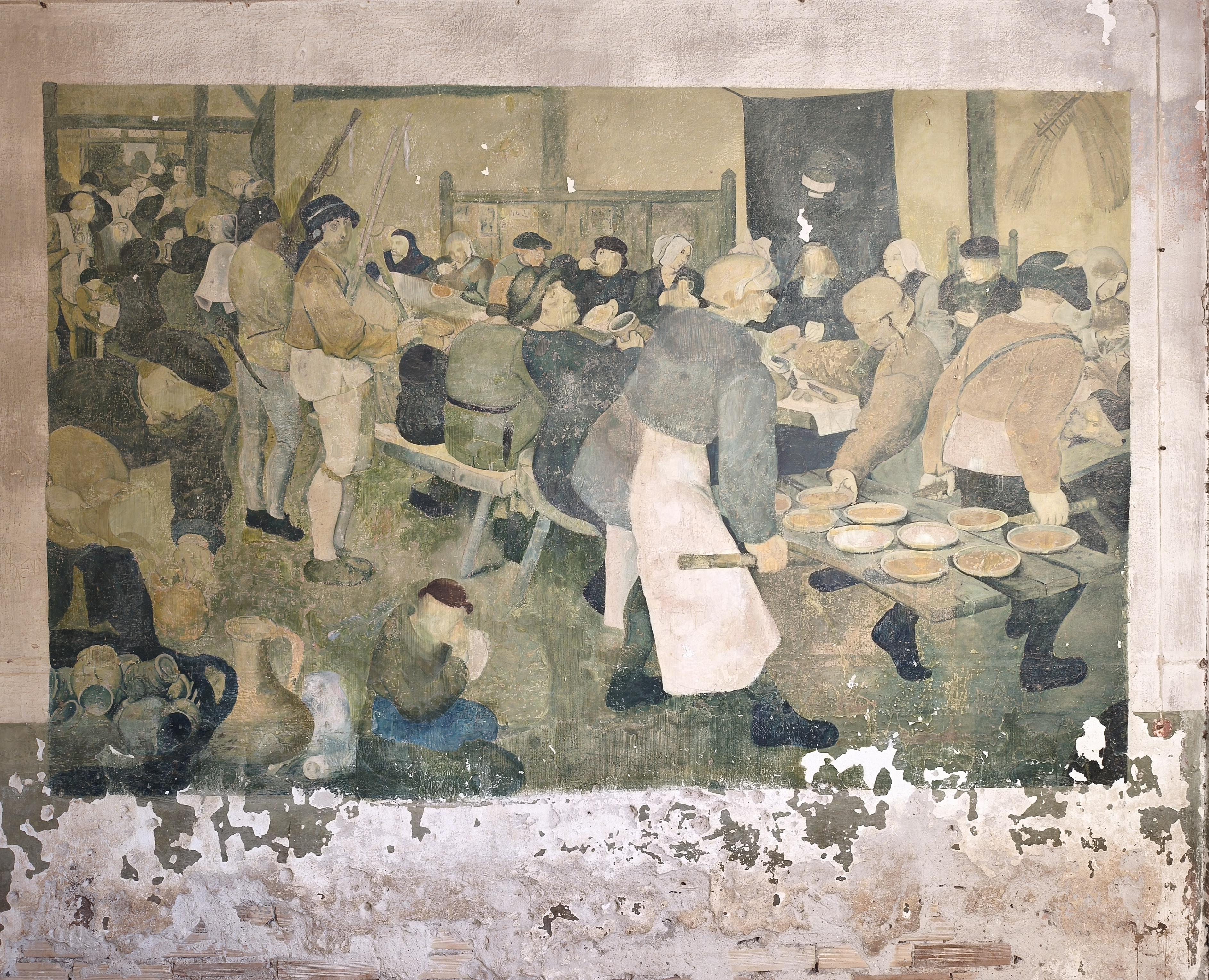
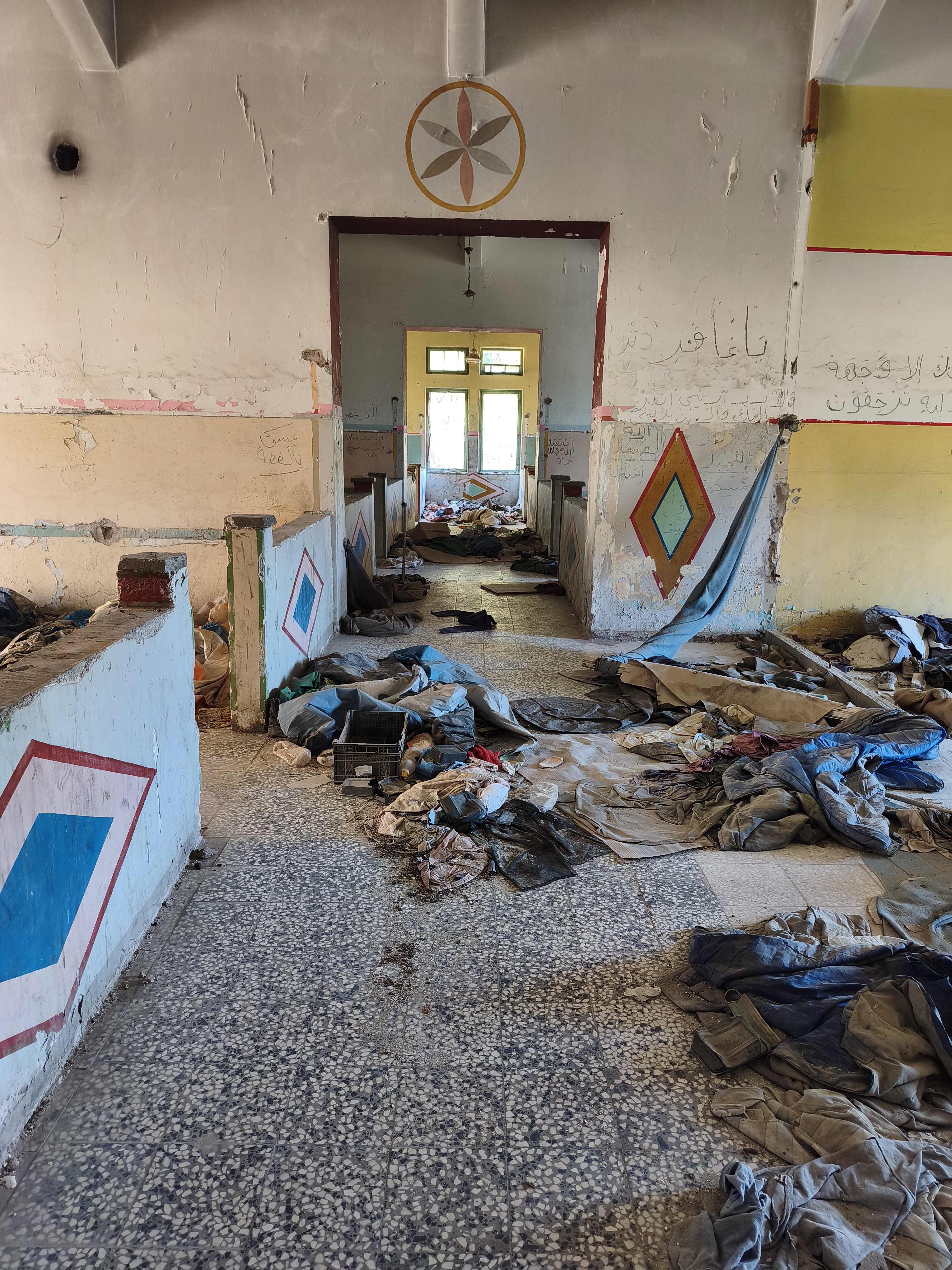
- The Italian military barracks at Diapori, including the remarkable murals associated with Otto Meister, which constitute a rare and fragile testimony of the period.
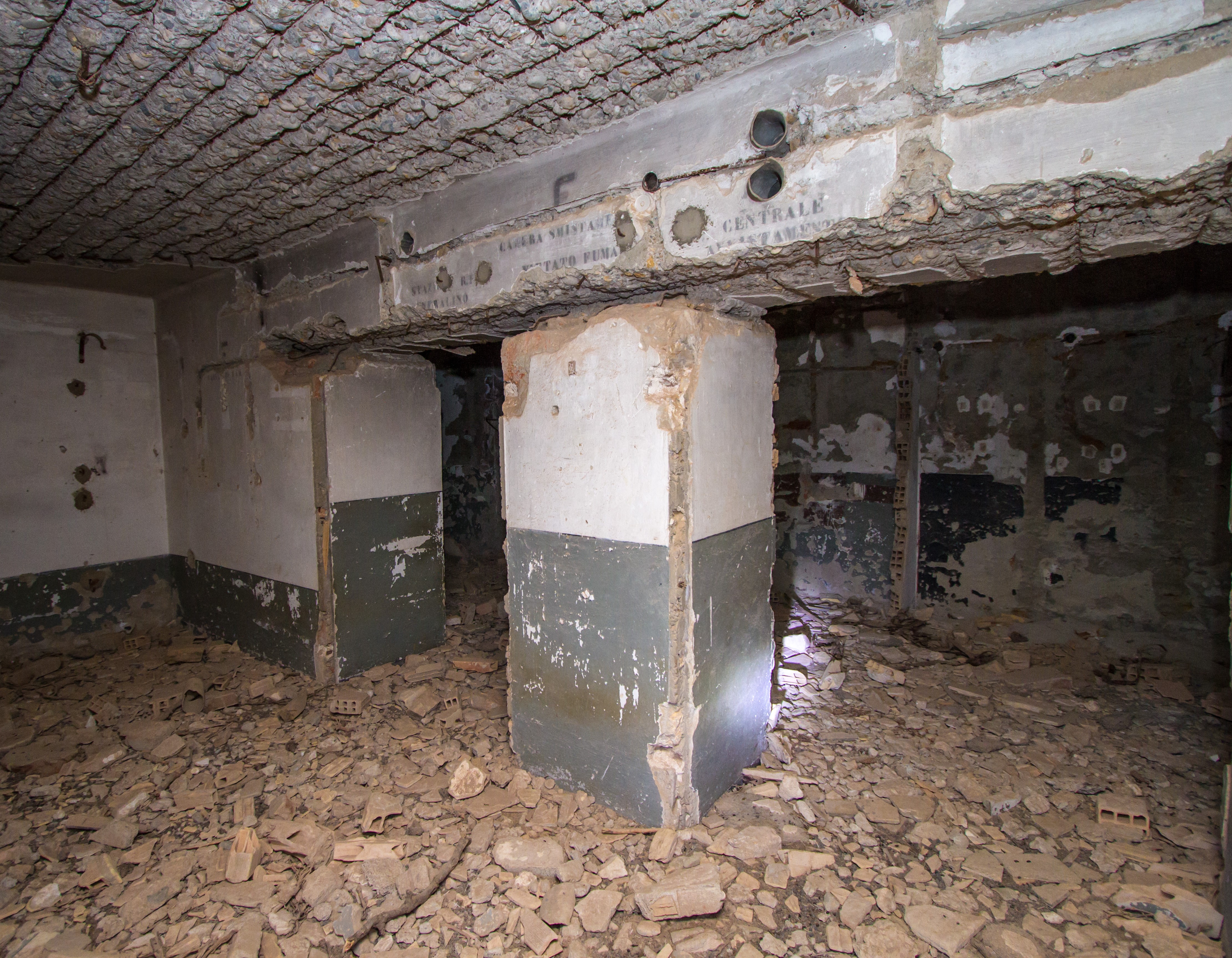
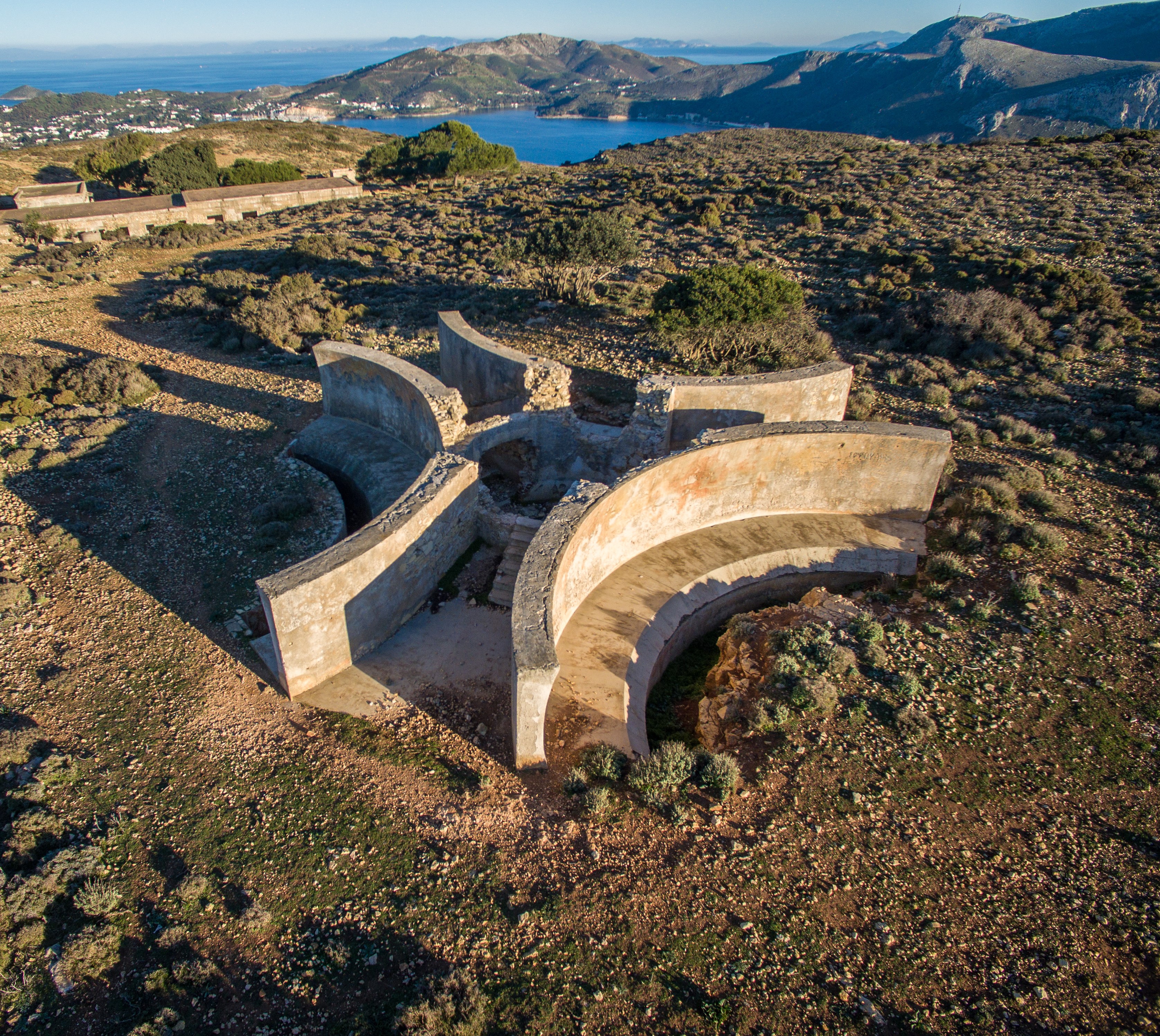
- The acoustic wall and the sound locator installation, along with the underground and aboveground facilities of the Italian Air Defense Command (FAM - DICAT), on Patella Hill.
- The murals created by political exiles of the Greek military junta at the Church of Agia Kioura — an exceptional and deeply moving expression of art, resistance and human dignity.
- The military barracks on the Moupologourna hill, which preserve murals created by a German soldier and bear witness to the wartime presence on the island.
- The Italian military barracks at Blefoutis, with their surviving Italian inscriptions — small but invaluable historical traces that connect the physical place with the people and institutions that once occupied it.
- The former Italian radio station (“Centro Radio Lero”) in the Agios Nikolaos area, including the mural depicting the German eagle, a fragile testimony to the turbulent military history of Leros.
- The buildings of the former Italian seaplane base at Lepida, an extraordinary architectural complex that, in the post-war period, became the principal setting for much of the activity of the Leros Psychiatric Hospital — itself a fundamental chapter in the island’s modern history.
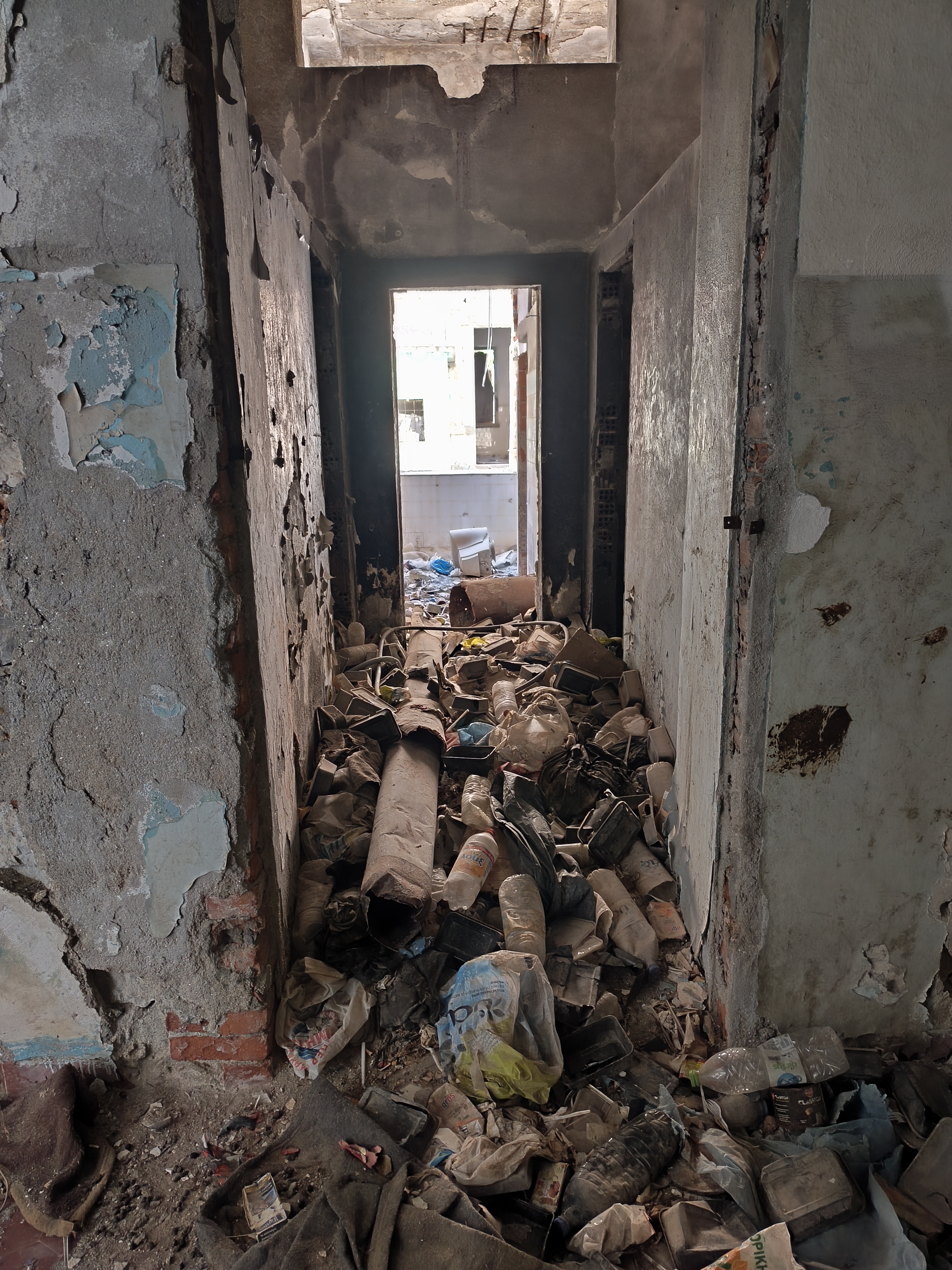
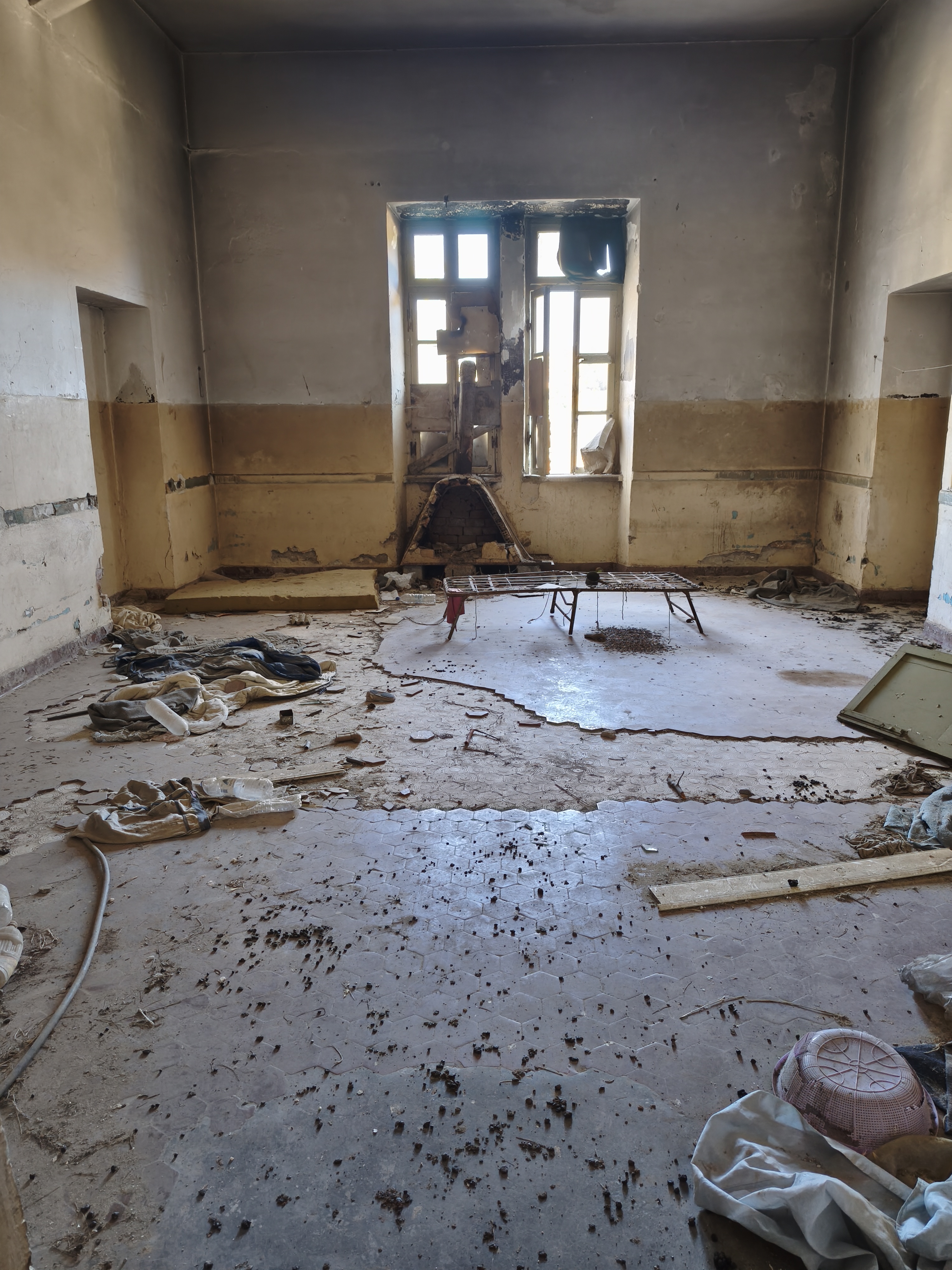
These places are not all monuments to celebrate.
Some bear witness to occupation, war, suffering, exile, institutional neglect and human tragedy.
But history does not become less important because it is painful.
On the contrary, places that carry difficult memories may be among the most important places to preserve.
They allow us to remember what happened, to understand it, to question it and, ultimately, to ensure that it is not forgotten.
THE TIPPING POINT
Among these are sites of exceptional historical and artistic value which, despite their uniqueness, remain largely unprotected to this day, such as Diapori ex italian barracks,
A recent incident demonstrates in the clearest possible way that this situation can no longer be allowed to continue.
During the second half of August 2026, while visiting the former Italian military barracks at the Tourtoura hilltop (Cape Diapori), DEPOSITO DI GUERRA - IOANNIS PARAPONIARIS Museum's staff discovered that one of the well-known murals preserved inside the building had suffered serious damage, apparently as part of an attempt to remove it.
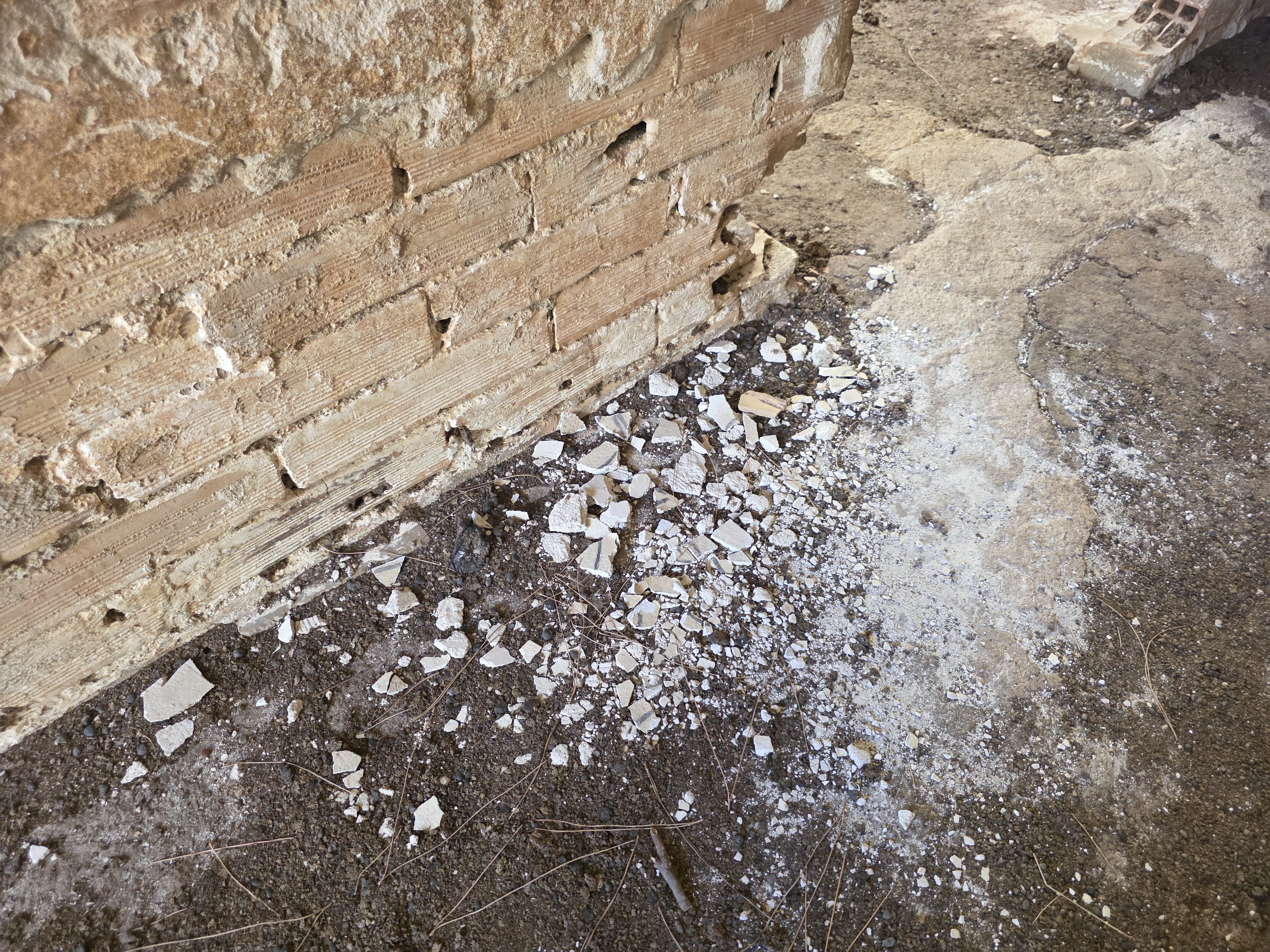
As we observed at the site and as documented in the attached photographs, a large section of the wall surrounding the mural had been violently removed. The signs of the intervention are clearly visible, while the attempt to cut out and remove the artwork was, fortunately, not completed.
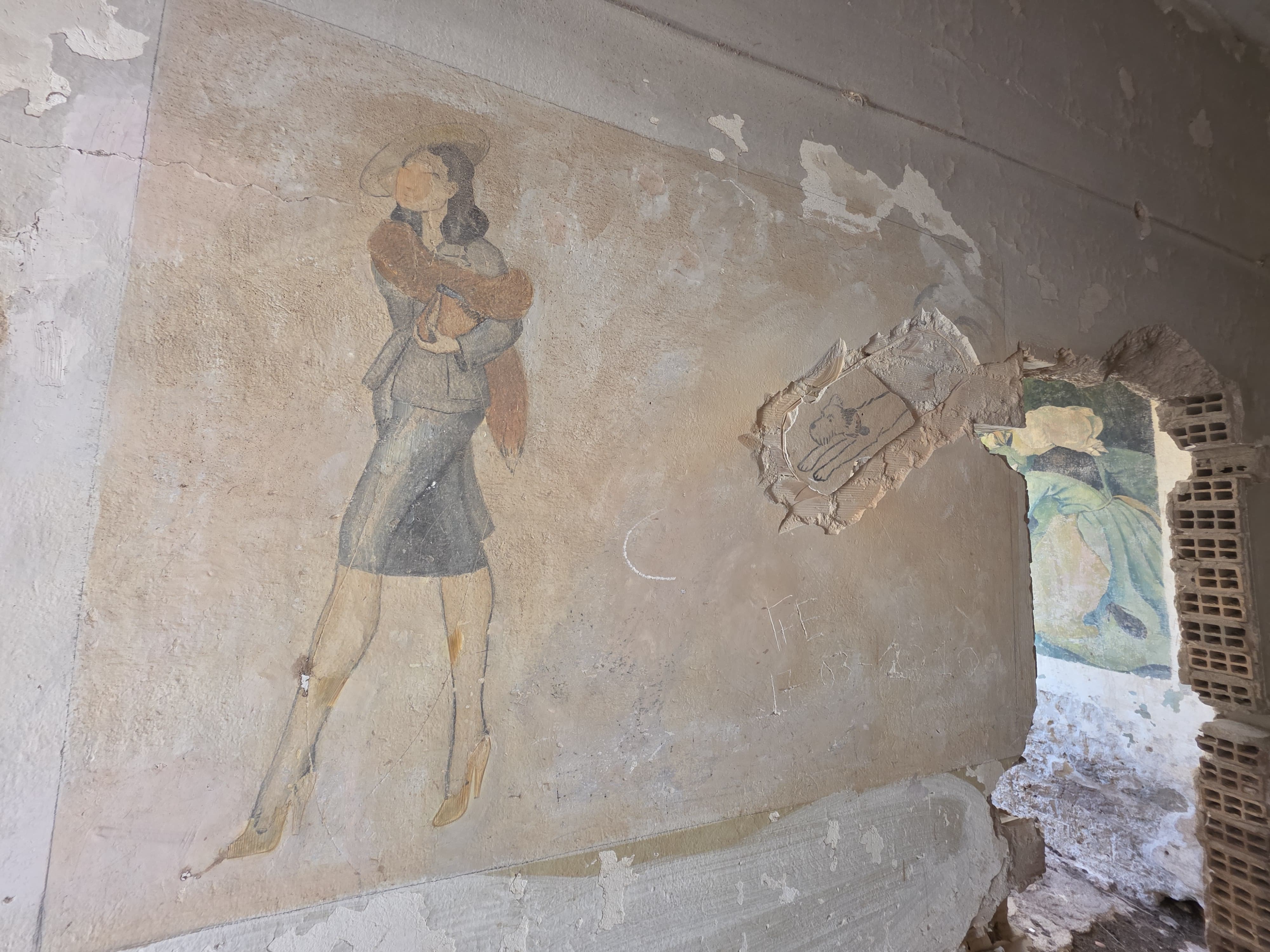
The mural remains in place, but it has already suffered serious damage which, at least at this stage, appears to be irreversible. Its current condition also leaves it particularly vulnerable to further destruction.
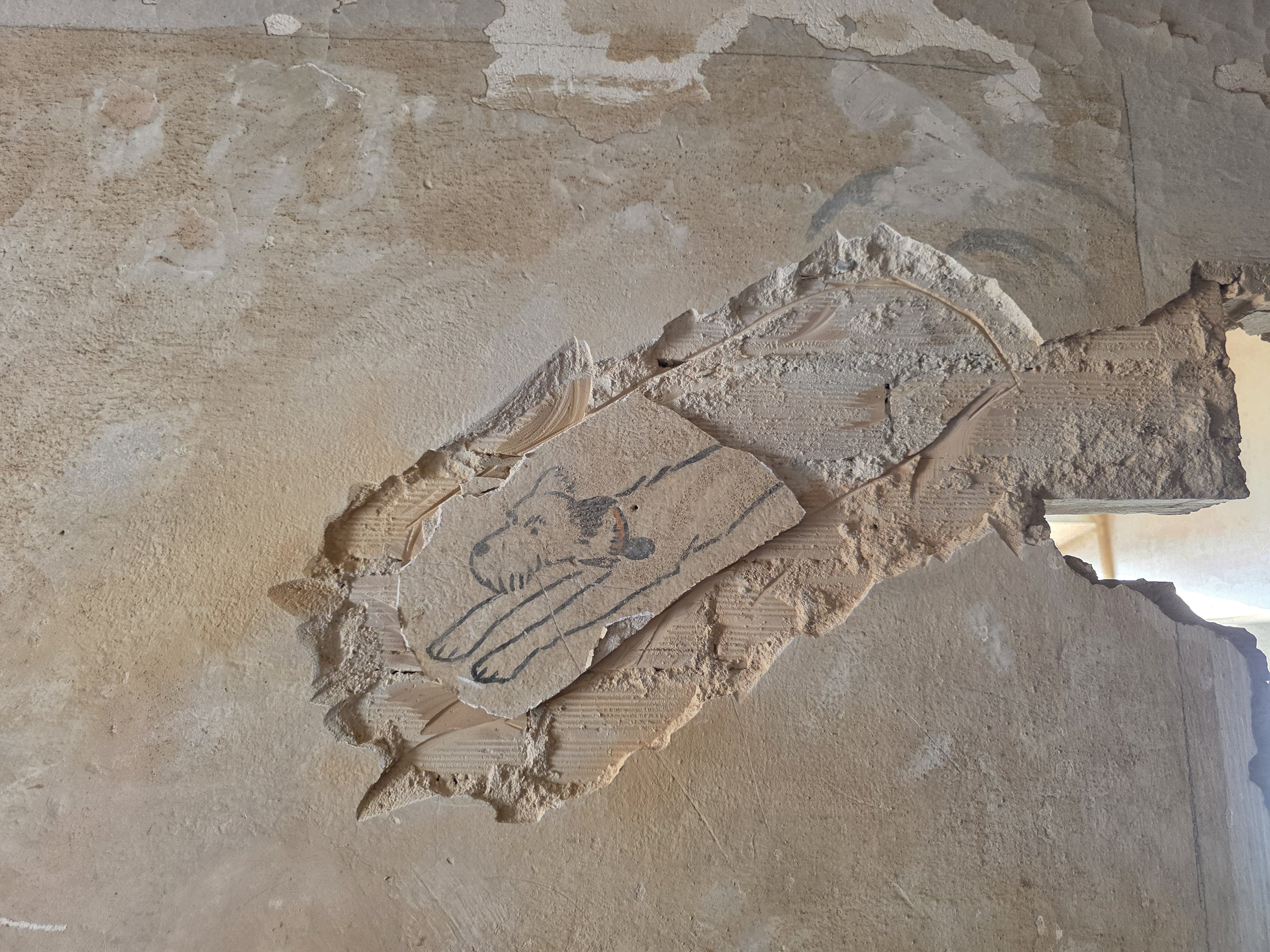
These murals, attributed to a German soldier-artist and possibly to Otto Meister, constitute a unique historical record of the presence of German forces on Leros during the Second World War. They are also an exceptionally rare example of historical memory preserved in situ—in the very place where the works were created.
This incident must not be regarded as an isolated event.
The increase in tourism and visitor numbers on Leros is undoubtedly a positive development for the island. At the same time, however, it creates a new responsibility:
The more people who wish to discover and experience the history of Leros, the greater our responsibility must be to protect its historic sites.
THE CALL
We are asking for action — before it is too late.
We call upon the competent authorities, cultural institutions, heritage organizations, researchers, local communities and everyone who cares about Leros to come together to:
Document the historic buildings, murals, inscriptions and surviving architectural elements before further deterioration occurs.
Protect the most vulnerable sites from further vandalism and irreversible damage.
Assess their historical, architectural and cultural significance through qualified specialists.
Preserve and restore the surviving murals, inscriptions and other original features wherever possible.
Establish a clear heritage strategy for the historic buildings of Leros, rather than allowing them to disappear one by one.
Make these places accessible to research, education and responsible cultural visitation, wherever their condition and safety permit.
Create a comprehensive historical record of Leros’ 20th-century heritage, bringing together the different layers of its history rather than treating them as isolated episodes.
This petition is not about assigning blame.
It is about accepting a shared responsibility.
No individual or institution can turn back the clock once a mural has disappeared or a historic building has collapsed.
But we can still choose to act today.
Leros has been shaped by many peoples, many eras and many conflicting forces. Its buildings preserve those layers in a way that few places can.
They are silent witnesses.
They have survived war, occupation, political persecution, institutional change, abandonment and decades of exposure to the elements.
They have survived this long. They deserve the chance to survive us.
Let us not wait until photographs are all that remain.
Let us preserve the walls that still stand, the paintings that can still be saved, the inscriptions that can still be read, and the stories that can still be told.
Because protecting Leros’ historic buildings is not simply about preserving old structures.
It is about preserving memory.
It is about respecting the people who lived through these histories.
It is about giving future generations the right to know where they came from.
And, above all, it is about recognizing that when a piece of Leros disappears, a piece of our collective memory disappears with it.
Please support this call for the protection, documentation and preservation of Leros’ historic heritage.
Before another wall falls.
Before another mural fades.
Before another story is lost.

1,207
The Issue
THE LIVING MEMORY OF AN EXTRAORDINARY ISLAND
Leros is much more than a beautiful island in the Aegean.
Its landscape carries a unique and extraordinarily complex history — a history written not only in books and archives, but also on its walls, inside its abandoned buildings, in forgotten inscriptions, murals, military installations and places that have witnessed some of the most difficult chapters of the 20th century.
Today, much of this heritage is disappearing.
Historic buildings are collapsing. Murals are being destroyed by time, humidity, neglect and vandalism. Inscriptions are fading. Doors, windows and architectural elements are being lost. Places that could tell future generations the story of Leros are slowly being reduced to ruins.
Once these traces are gone, they cannot be recreated.
This is not a call to preserve the past instead of the future.
It is a call to understand that the past is part of the future of Leros.
The island possesses a rare and deeply layered historical heritage, reflecting Italian occupation and architecture, the Second World War, the German occupation, the experience of political exile during the Greek military dictatorship, and the difficult post-war history associated with the Leros Psychiatric Hospital.
These different and sometimes painful chapters should not be erased.
They should be protected, studied, documented and presented with honesty and dignity.
Among the places at risk are:
- The Italian military barracks at Diapori, including the remarkable murals associated with Otto Meister, which constitute a rare and fragile testimony of the period.
- The acoustic wall and the sound locator installation, along with the underground and aboveground facilities of the Italian Air Defense Command (FAM - DICAT), on Patella Hill.
- The murals created by political exiles of the Greek military junta at the Church of Agia Kioura — an exceptional and deeply moving expression of art, resistance and human dignity.
- The military barracks on the Moupologourna hill, which preserve murals created by a German soldier and bear witness to the wartime presence on the island.
- The Italian military barracks at Blefoutis, with their surviving Italian inscriptions — small but invaluable historical traces that connect the physical place with the people and institutions that once occupied it.
- The former Italian radio station (“Centro Radio Lero”) in the Agios Nikolaos area, including the mural depicting the German eagle, a fragile testimony to the turbulent military history of Leros.
- The buildings of the former Italian seaplane base at Lepida, an extraordinary architectural complex that, in the post-war period, became the principal setting for much of the activity of the Leros Psychiatric Hospital — itself a fundamental chapter in the island’s modern history.
These places are not all monuments to celebrate.
Some bear witness to occupation, war, suffering, exile, institutional neglect and human tragedy.
But history does not become less important because it is painful.
On the contrary, places that carry difficult memories may be among the most important places to preserve.
They allow us to remember what happened, to understand it, to question it and, ultimately, to ensure that it is not forgotten.
THE TIPPING POINT
Among these are sites of exceptional historical and artistic value which, despite their uniqueness, remain largely unprotected to this day, such as Diapori ex italian barracks,
A recent incident demonstrates in the clearest possible way that this situation can no longer be allowed to continue.
During the second half of August 2026, while visiting the former Italian military barracks at the Tourtoura hilltop (Cape Diapori), DEPOSITO DI GUERRA - IOANNIS PARAPONIARIS Museum's staff discovered that one of the well-known murals preserved inside the building had suffered serious damage, apparently as part of an attempt to remove it.
As we observed at the site and as documented in the attached photographs, a large section of the wall surrounding the mural had been violently removed. The signs of the intervention are clearly visible, while the attempt to cut out and remove the artwork was, fortunately, not completed.
The mural remains in place, but it has already suffered serious damage which, at least at this stage, appears to be irreversible. Its current condition also leaves it particularly vulnerable to further destruction.
These murals, attributed to a German soldier-artist and possibly to Otto Meister, constitute a unique historical record of the presence of German forces on Leros during the Second World War. They are also an exceptionally rare example of historical memory preserved in situ—in the very place where the works were created.
This incident must not be regarded as an isolated event.
The increase in tourism and visitor numbers on Leros is undoubtedly a positive development for the island. At the same time, however, it creates a new responsibility:
The more people who wish to discover and experience the history of Leros, the greater our responsibility must be to protect its historic sites.
THE CALL
We are asking for action — before it is too late.
We call upon the competent authorities, cultural institutions, heritage organizations, researchers, local communities and everyone who cares about Leros to come together to:
Document the historic buildings, murals, inscriptions and surviving architectural elements before further deterioration occurs.
Protect the most vulnerable sites from further vandalism and irreversible damage.
Assess their historical, architectural and cultural significance through qualified specialists.
Preserve and restore the surviving murals, inscriptions and other original features wherever possible.
Establish a clear heritage strategy for the historic buildings of Leros, rather than allowing them to disappear one by one.
Make these places accessible to research, education and responsible cultural visitation, wherever their condition and safety permit.
Create a comprehensive historical record of Leros’ 20th-century heritage, bringing together the different layers of its history rather than treating them as isolated episodes.
This petition is not about assigning blame.
It is about accepting a shared responsibility.
No individual or institution can turn back the clock once a mural has disappeared or a historic building has collapsed.
But we can still choose to act today.
Leros has been shaped by many peoples, many eras and many conflicting forces. Its buildings preserve those layers in a way that few places can.
They are silent witnesses.
They have survived war, occupation, political persecution, institutional change, abandonment and decades of exposure to the elements.
They have survived this long. They deserve the chance to survive us.
Let us not wait until photographs are all that remain.
Let us preserve the walls that still stand, the paintings that can still be saved, the inscriptions that can still be read, and the stories that can still be told.
Because protecting Leros’ historic buildings is not simply about preserving old structures.
It is about preserving memory.
It is about respecting the people who lived through these histories.
It is about giving future generations the right to know where they came from.
And, above all, it is about recognizing that when a piece of Leros disappears, a piece of our collective memory disappears with it.
Please support this call for the protection, documentation and preservation of Leros’ historic heritage.
Before another wall falls.
Before another mural fades.
Before another story is lost.
Supporter Voices
Petition Updates
Share this petition
Petition created on September 7, 2026