

Reforestation without Plastic: Protect Cyprus' Fire-affected lands
The Issue
Urgent Call for the application of the Precautionary Principle
before allowing any further use of plastic tree-establishment devices on fire affected lands in Cyprus
FULL REPORT WITH PHOTOS AND REFERENCES HERE
Summary
In 2024 and 2025, devastating wildfires destroyed vast areas of natural habitat in Cyprus. Several reforestation initiatives followed, among them tree-planting events organized by ECOmbare, a corporate event-planning company and the official partner of Groasis in Cyprus. As part of those events, ECOmbare installed 1,000 plastic Groasis Waterboxx® units in fire-affected areas of Agios Amvrosios and Arakapas, with the premise of increasing tree survival rates under hot and dry conditions.
In light of recent scientific understanding of polypropylene and its gradual fragmentation into microplastics and nanoplastics, and in the absence of any independent report assessing the long-term impacts of the Groasis Waterboxx on soil and water health, this report raises valid concerns about the potential introduction of contaminants into already damaged landscapes and calls for the application of the Precautionary Principle before any further use of the Waterboxx for public reforestation is permitted.
This report also argues that ecological restoration does not equal tree survival rates and presents holistic, plastic-free, nature-based solutions that not only involve planting trees but also improve landscape hydrology, soil biology, and biodiversity.
Lastly, the report asks that until the long-term environmental impacts of the Waterboxx have been independently assessed under Cyprus conditions and its performance has been objectively compared with plastic-free, nature-based ecosystem restoration solutions, its further adoption in public reforestation projects, especially in fire affected areas, be halted.
1. The Impact of Wildfires
Over the last 2 years, wildfires in Cyprus wiped out 135 square kilometers of natural, wild terrain including high biodiversity ecosystems, vast areas of Mediterranean bushes and scrub and 2,000 hectares of protected forests with hundreds of thousands of native trees, such as Calabrian pines and wild oaks. The intense heat produced by the fires devastated local wildlife by incinerating the topsoil and its microorganisms, killing and displacing animals, insects and pollinators and destroying nesting and feeding grounds [1].
Intense heat destabilizes the soil, alters its properties and creates water-repellent layers. Rainwater infiltration is reduced, runoff is accelerated, and rapid soil erosion is triggered, resulting in disruptions in local water cycles [1, 2]. Bare slopes lose their structural integrity, leading to reduced productivity, greater vulnerability to landslides and further erosion during subsequent rains [3]. Soil damage delays ecosystem recovery, especially on severely burnt slopes [4, 5]. Sadly, in heavily burned areas, mature forests and fully functioning ecosystems may take decades or even centuries to recover.
Considering the fragility of fire-affected ecosystems and the magnitude of damage that has already occurred, it becomes evident that restoration efforts must be done carefully, avoiding adding environmental pressure to lands that are already struggling to recover. Any materials introduced during reforestation should be independently proven safe for long term ecosystem health and should not risk leaving persistent pollution behind.
The urgency of restoring Cyprus’s fire-affected terrain is undeniable. However, that urgency should not diminish our environmental responsibility towards our land.
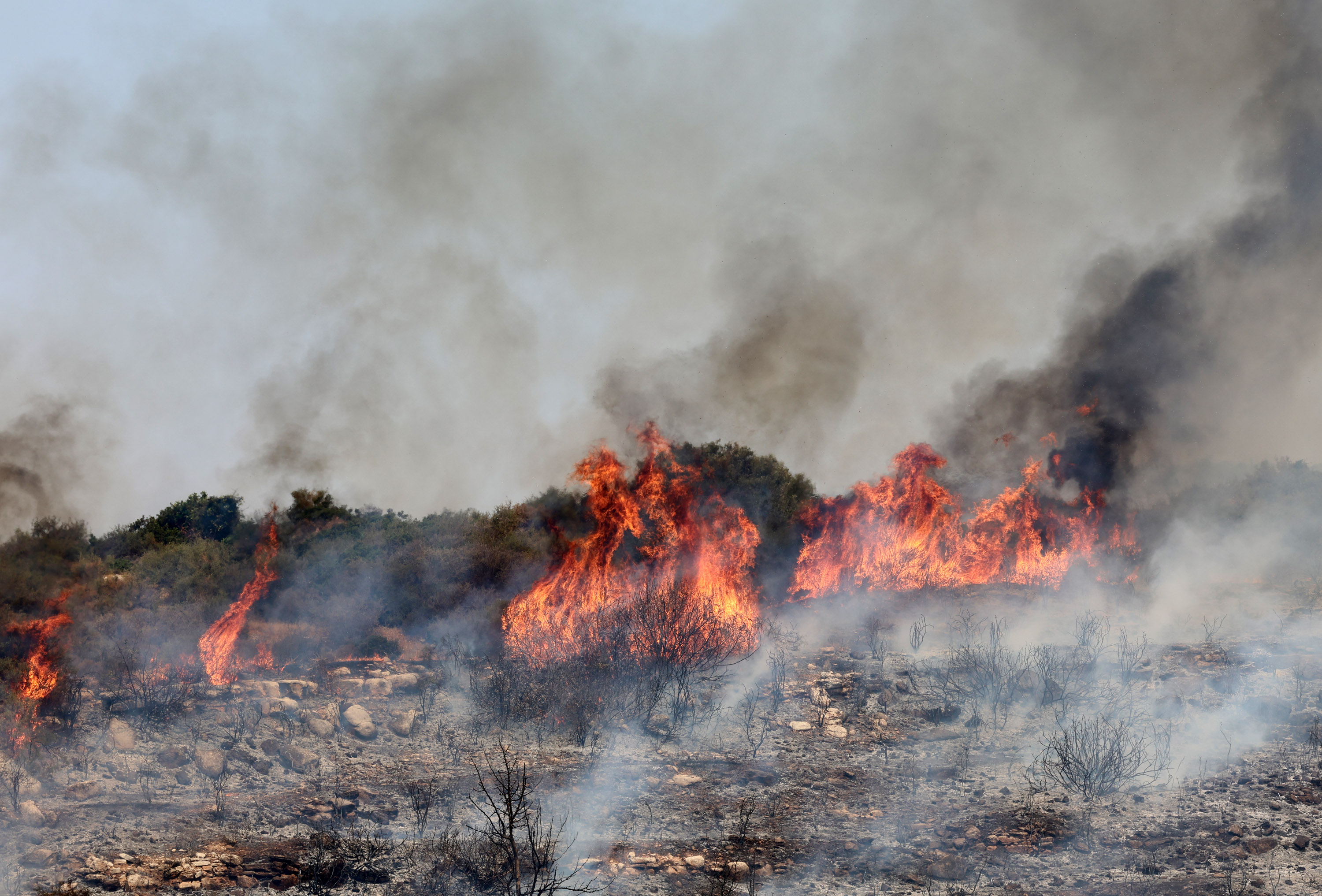
Cyprus wildfires 2025 / Image source: CBN
2. The Groasis Waterboxx: Its Promotion and Use in Cyprus
The Groasis Waterboxx® is a Dutch product launched in 2010 as an alternative to irrigation for planting trees in dry and degraded landscapes. Made of polypropylene, it consists of a covered reservoir with an opening for the sapling. Its lid collects rainfall and, according to Groasis, condensation, while a wick releases water into the soil. Once the tree is established, usually after 1–2 years, the device is transferred to another tree [6, 7].
ECOmbare became Groasis’ official partner in Cyprus in 2024 and launched the Waterboxx through sponsored tree-planting pilots on experimental plots provided by local authorities. Over two years, ECOmbare installed 1,000 units in fire-affected areas, planting mainly two exceptionally drought and heat-tolerant species, olive and carob, as well as some almond and oak trees. On 27 November 2025, Groasis and ECOmbare presented the product to the Ministry of Agriculture and environmental departments at “Towards a Greener Future: European Innovation for Sustainable Cyprus” under the title “Restoring biodiversity and increasing productivity at 90% lower cost and whilst using 90% less water.” After the summit, ECOmbare stated that its Cyprus planting experience “is capable of supporting the national program to plant more than 100,000 trees annually” [8, 9].
In social media posts [10], ECOmbare also stated that it achieved 95% survival among trees planted with the Waterboxx, compared with only 10–15% survival among trees it planted without the device and without irrigation. However, since the Waterboxx is itself a water-delivery system, this comparison does not prove its superiority over other restoration methods; it shows only that trees supplied with water survive at a higher rate than those planted without water. A meaningful comparison would test the same species using conventional watering and appropriate seasonal planting, while also measuring the environmental impact of each method.
Without such data, ECOmbare’s figures cannot prove any advantage or demonstrate that introducing polypropylene into the landscape is an ecological solution for ecosystem restoration. Furthermore, ECOmbare’s decision to plant trees without irrigation where high mortality was foreseeable raises ethical questions.
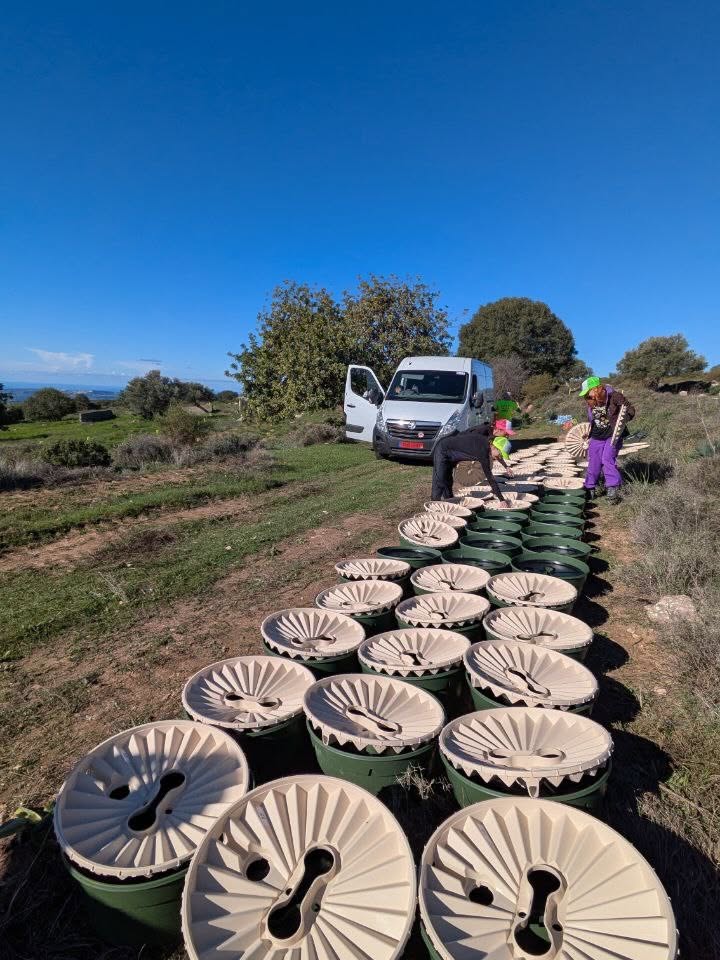
Some of the Groasis Waterboxx devices installed by ECOmbare in fire affected areas, Cyprus, 2025 / Image Source: ECOmbare facebook page
3. Polypropylene and the Problem of microplastics
The first scientific findings of microplastics pollution in the oceans were published in 1972 [11] long before the Waterboxx was launched. By 2004, microplastics were found widespread in marine waters and sediments [12]. However, only in recent years has evidence mounted concerning terrestrial contamination, detrimental impacts of microplastics on soil and plants, nanoplastic pollution, and harmful effects on human and animal health [13] [14] [15].
Each Waterboxx is manufactured from approximately 1.4 kilograms of virgin polypropylene. Groasis states that the Waterboxx is protected by four different chemical additives against degradation caused by ultraviolet radiation and temperature fluctuations, describing these in its technical datasheet only as UV protection and antioxidants [16] [17]. Groasis states that these additives allow approximately ten years of use, while acknowledging that strong sunlight makes older devices less flexible and recommending greater care when handling them. The identity and concentrations of the four additives are not publicly available, which prevents independent assessment of their environmental behaviour and long-term fate. Plastic additives are not necessarily permanently bound within the polymer matrix and may themselves migrate, leach or be released as the material ages and degrades.
Ultraviolet radiation initiates photo-oxidation and molecular-chain breakdown of plastics, accelerated by heat and temperature fluctuations. Polypropylene progressively weakens, becomes brittle and fragments under mechanical forces. It does not biodegrade into harmless natural substances but breaks into microplastics—particles below five millimetres—and potentially nanoplastics. Additives delay, but do not prevent degradation and research shows that the more time passes, the more brittle polypropylene becomes. Once they disperse through soil, such particles are extremely difficult if not impossible to locate and remove [18] [19] [20].
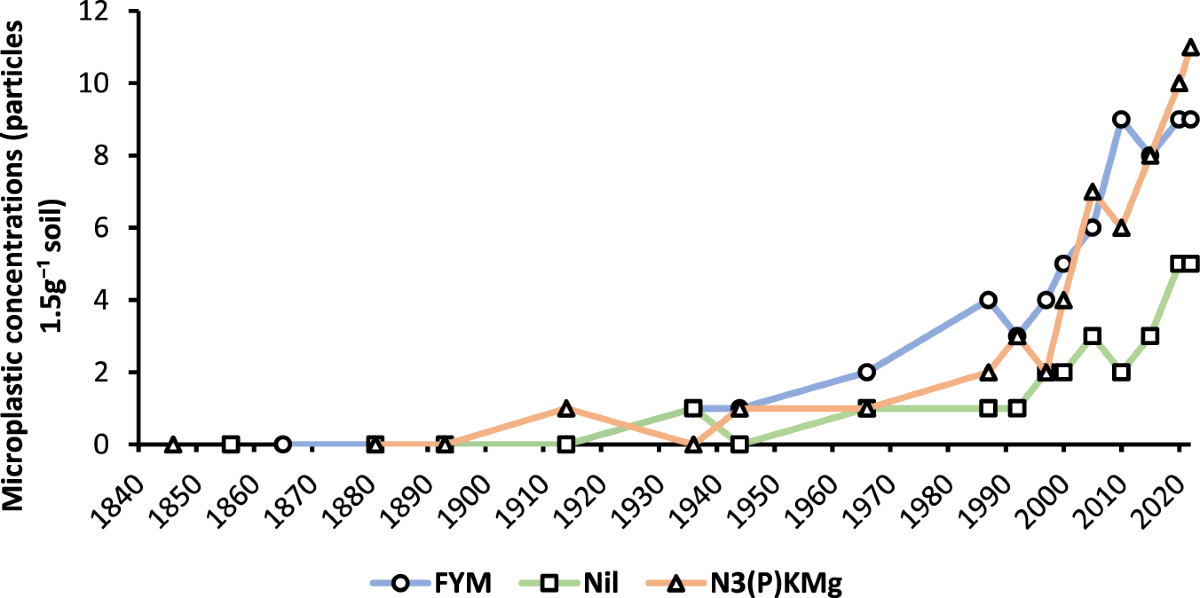
Microplastics concentration in agricultural soils / Image source: Researchgate article, 2024
Microplastics alter soil structure, soil fertility, bulk density, porosity, water dynamics, microbial activity and plant health. A controlled study including polypropylene fragments found significant changes in soil and plant indicators, showing that soil microplastics are not environmentally inert [21] [22]. The Food and Agriculture Organization identifies agricultural soils as major recipients of plastic pollution and warns that plastics can persist for decades and affect soil health and ecosystem function [23]. This is particularly problematic in reforestation and ecosystem restoration efforts, where healthy soil organisms, water movement, resilience and long-term ecosystem development are central objectives.
Human and animal exposure occurs through ingestion, inhalation and food chains. Laboratory and animal studies associate exposure with inflammation, oxidative stress, cellular injury, immune disruption, altered metabolism and reproductive effects. Microplastic particles have been detected in human blood, lungs, placenta and vascular tissue. A 2024 study found higher rates of heart attack, stroke or death among patients with microplastics or nanoplastics detected in carotid plaques [24] [25].
The question is not whether exposed polypropylene eventually deteriorates and releases particles in the soil and water; it does. Unknowns for the Waterboxx are; when fragmentation begins, how much is released per cycle and how repeated use changes the rate in Cyprus conditions. No publicly available independent study appears to have measured these effects under Cyprus’s extreme sunlight, heat, rain, drought and wind.
With 1000 units already installed on fire damaged terrains, amounting to more than a tonne of plastic on fire damaged land, and with the potential of many thousands more installed in public reforestation projects, independent evaluation before any further use, based on the Precautionary Principle, becomes absolutely essential.
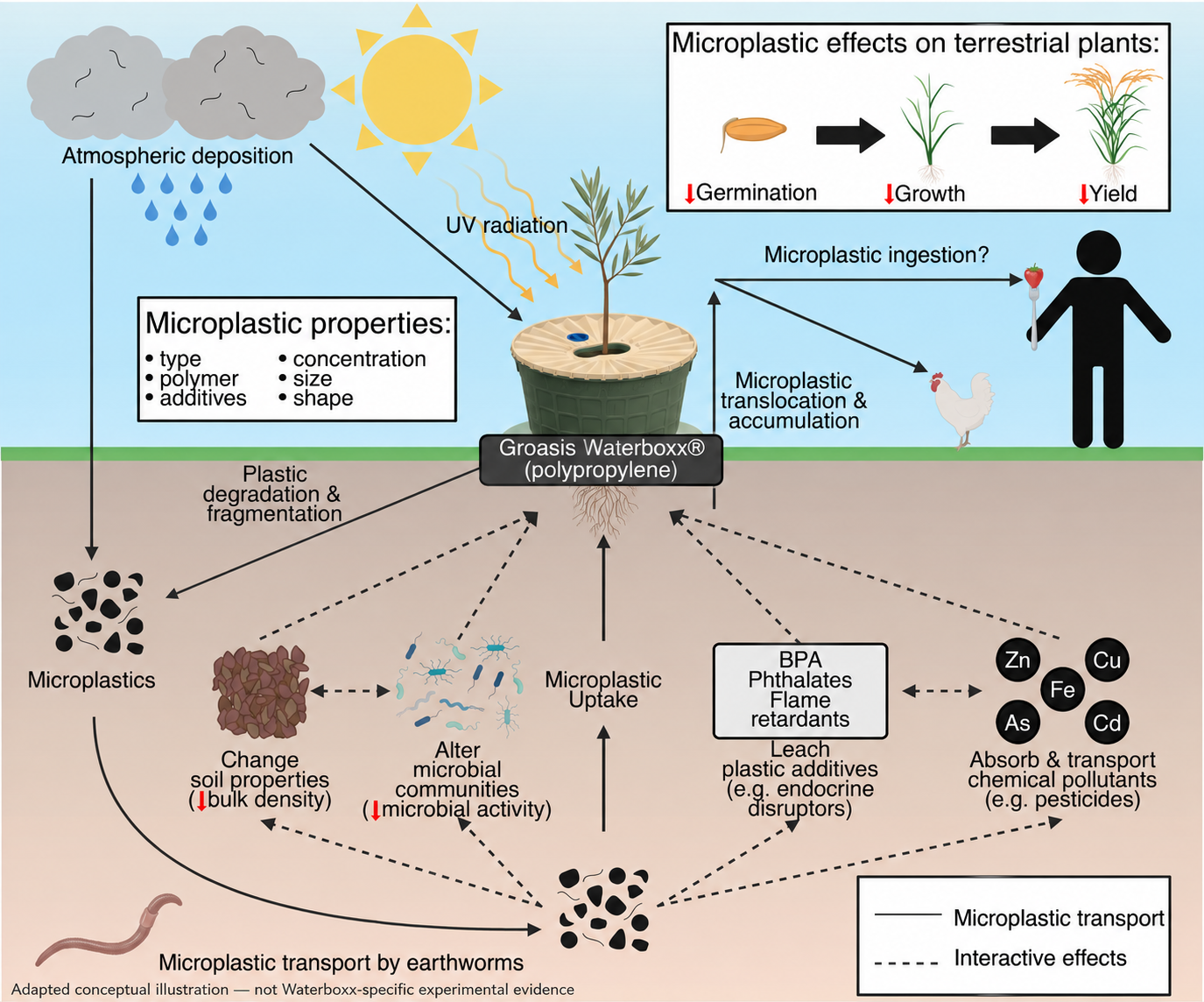
Adapted conceptual illustration based on published figure showing the effects of plastic mulching film / Original image source: Plants and microplastics: Growing impacts in the terrestrial environment, 2025, Researchgate
4. Applying the Precautionary Principle
The Precautionary Principle is a foundation of European Union environmental policy. Article 191(2) of the Treaty on the Functioning of the European Union requires a high level of protection based on precaution, preventive action, correction of environmental damage at source and the polluter-pays principle [26]. The principle applies where potentially harmful effects have been identified but scientific evaluation cannot determine the risk with sufficient certainty. It does not require proof that harm has already occurred, particularly when damage may be cumulative, widespread or difficult to reverse.
Both conditions apply here. The environmental cost of microplastics and nanoplastics pollution is certain, but with the Waterboxx, its details are unknown and they may develop slowly. Scale increases the concern: with the technology being presented as potential reforestation technology for 100,000 trees annually, adoption and use by Municipalities, Cyprus Forest department and Ministry of Agriculture, before adequate assessment, could introduce many thousands of potentially harmful polypropylene devices into damaged and vulnerable natural landscapes in Cyprus.
Proportionate measures should include the pause of any further deployment of the Waterboxx in public reforestation while evidence is gathered regarding its weathering under Cyprus conditions, as well as the launching of independent comparative tests with non-plastic Nature based restoration methods.
Until public authorities have undeniable evidence that the use of Waterboxx comes without any risk on soil, water, human and animal health, and that it provides a better solution than plastic-free Nature based solutions, the Precautionary Principle supports halting any further deployment.
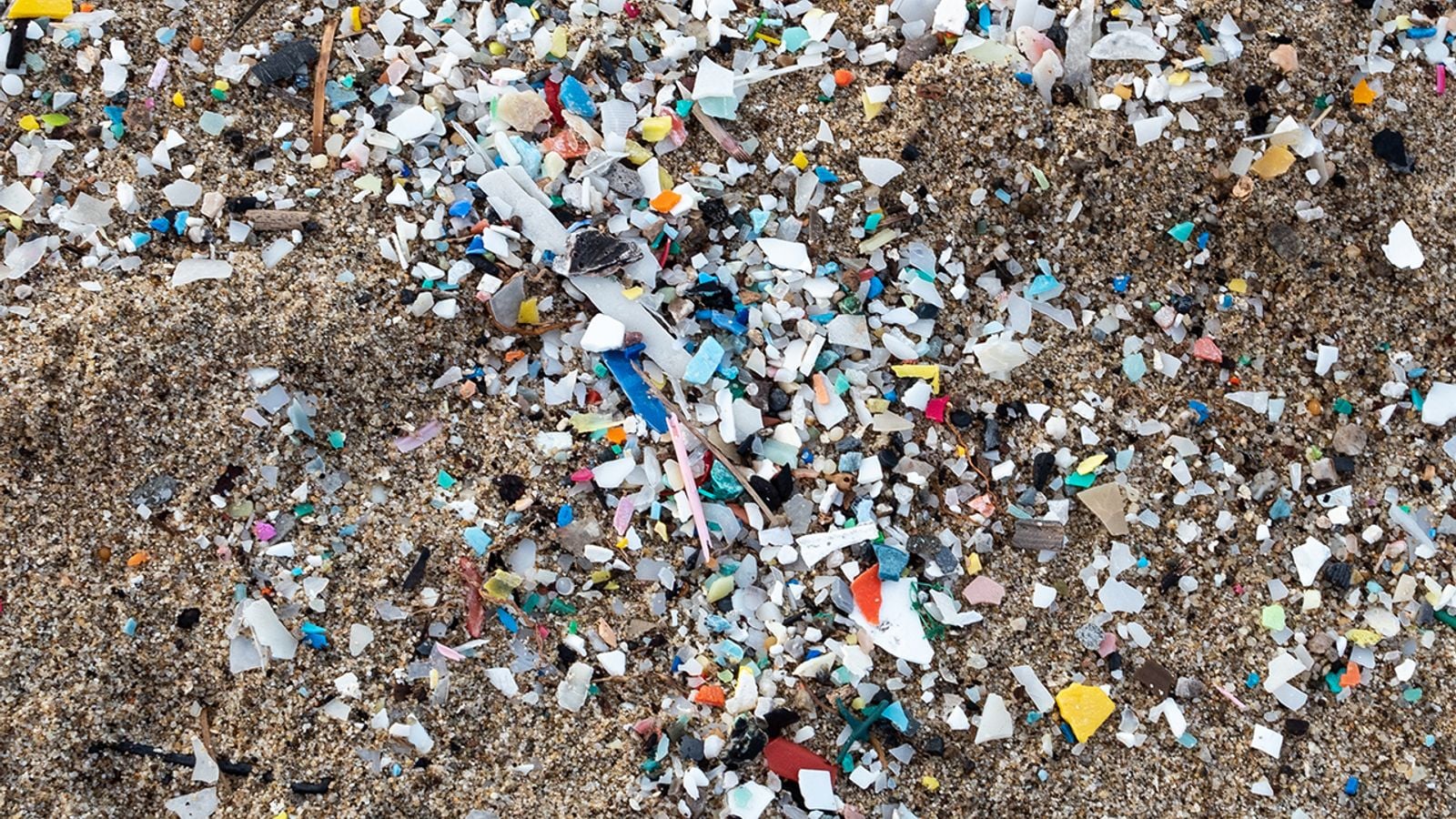
Microplastics contamination / Image source: Microplastics in arteries heighten heart attack and stroke risk study warns, 2024
5. Reforestation and Nature Based Solutions for Ecosystem restoration
Reforestation typically implies the restoration of a degraded forest by planting trees, without necessarily considering the species composition or the functionality of the ecosystem. Many regions in Cyprus have been reforested in the past by using only one, or very few, species of trees, and even though the lands have been re-greened, the biome has not been restored to what it once was.
Ecosystem restoration goes beyond reforestation and does not mean only planting trees. The Society for Ecological Restoration defines it as the process of assisting the recovery of an ecosystem that has been degraded, damaged or destroyed, while its long-term aim is to place the ecosystem on a self-organizing path towards recovery, with progressively less need for human intervention [27]. Individual tree survival rates do not equal ecosystem restoration. A tree may survive while the soil keeps eroding, rainfall is lost as runoff, native vegetation fails to regenerate and ecological relationships remain damaged. International standards evaluate the success of ecosystem restoration by assessing six interconnected attributes: reduction of continuing threats, recovery of soil and water health, presence of characteristic native species, return of structural diversity across the ecosystem, recovery of ecological functions and healthy exchanges with the surrounding landscape [27].
A healthily recovering ecosystem therefore should support native plants, animals, fungi and microorganisms, rebuild biologically active soil, retain water and nutrients, restore pollination, decomposition, seed dispersal and mycorrhizal relationships, and become more resilient to drought, erosion, other disturbances. If the Waterboxx is considered as a reforestation and restoration tool, it should be evaluated not only by tree survival rates, but by whether it supports all the above conditions, while avoiding causing new environmental pressures.
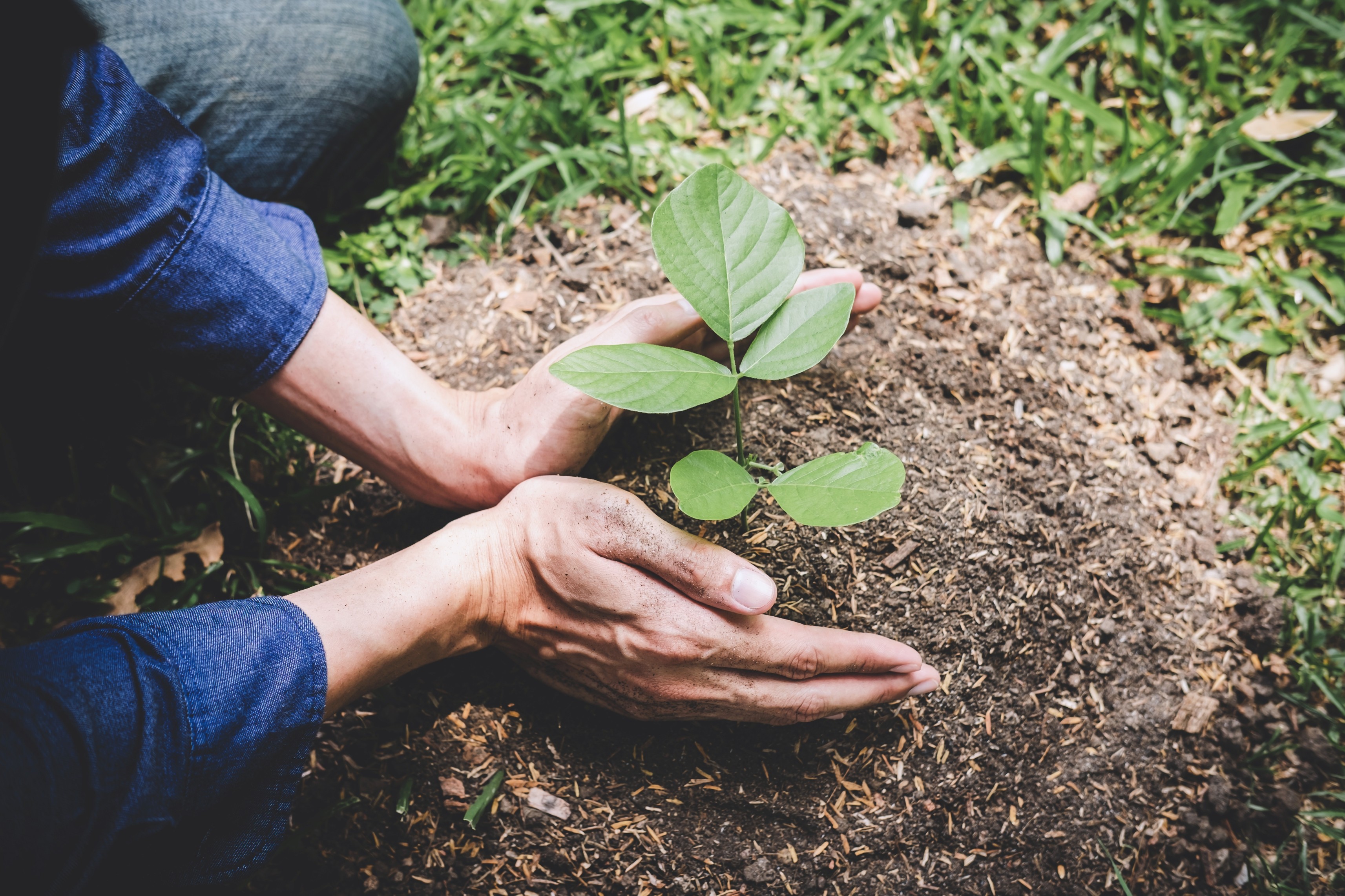
Ecosystem Restoration / Image source: Holistic restoration after wildfires, 2024
Nature-Based, plastic-free Ecosystem Restoration methods exist, with many examples of successful application across the world, and can ensure sapling survival without placing a polypropylene reservoir around every tree. Some of these methods are:
- Natural and Assisted Natural Regeneration: Many Mediterranean plants regenerate after fire without intervention [28] [29]. Fire-affected land therefore, should first be assessed for recovery through resprouting, surviving roots, soil seed banks and fire-released seeds. Where natural regeneration occurs, protection and assistance may be more appropriate than replacement with nursery trees. Assisted natural regeneration can protect young plants, control invasive species, reduce erosion and support emerging native seedlings [30].
- Planting at the Appropriate Season: Planting may be necessary where regeneration is weak, erosion severe or seed sources lost. However, it should follow assessment rather than automatically replace natural recovery. Poorly targeted planting can disturb soil, overlook emerging native vegetation or introduce trees unsuited to future conditions [31]. Where planting is truly needed, the cool, wet season gives roots time to develop before severe summer conditions and reduces water demand. Summer planting should be exceptional and justified, not used to demonstrate the necessity of a manufactured device.
- Native Species, Mixed Planting and Ecological Succession: Planting should utilize diversity of native plant and tree species suited to local conditions. Bio diverse ecosystems build resilience and contribute to rainfall [32] [33]. Mediterranean ecosystems also require shrubs, grasses, herbs, fungi and soil organisms for water retention, nutrient cycling, habitat and erosion control. Mixed, successional and multi-layered approaches such as the ones applied by permaculture and syntropic agroforestry, can ensure steady and long term ecosystem restoration.
- Soil Protection: Post-fire research shows that organic ground cover and physical barriers can reduce erosion and runoff. Locally appropriate, uncontaminated organic mulch and carefully designed earthworks can protect the already damaged soil, restore soil health, slow water, allow infiltration and, very importantly, hydrate and protect seedlings and saplings [34]
- Rainwater Harvesting and Landscape Infiltration: ECOmbare utalizes the argument of ‘water scarcity’ in Cyprus to promote the plastic Waterboxx. In reality however, millions of tonnes of rainwater are lost every year in Cyprus due to mismanagement and lack of rainwater harvesting systems. A spread, slow-sink, rainwater harvesting strategy, can hydrate dry and damaged terrain and provide natural protection against fire. Carefully designed contour measures, infiltration basins, earthen ponds, barriers and earthworks can reduce runoff, revitalize the soil, support vegetation, aquatic and animal life, increase evapotranspiration (which helps bring back rain) and restore the small water cycles. Additionally, rainwater collected from existing surfaces can provide targeted establishment watering to young trees.
The above Nature Based Solutions, demonstrate a multitude of possibilities for ecological restoration in fire affected areas in Cyprus, that do not introduce harmful contaminants in the ground.
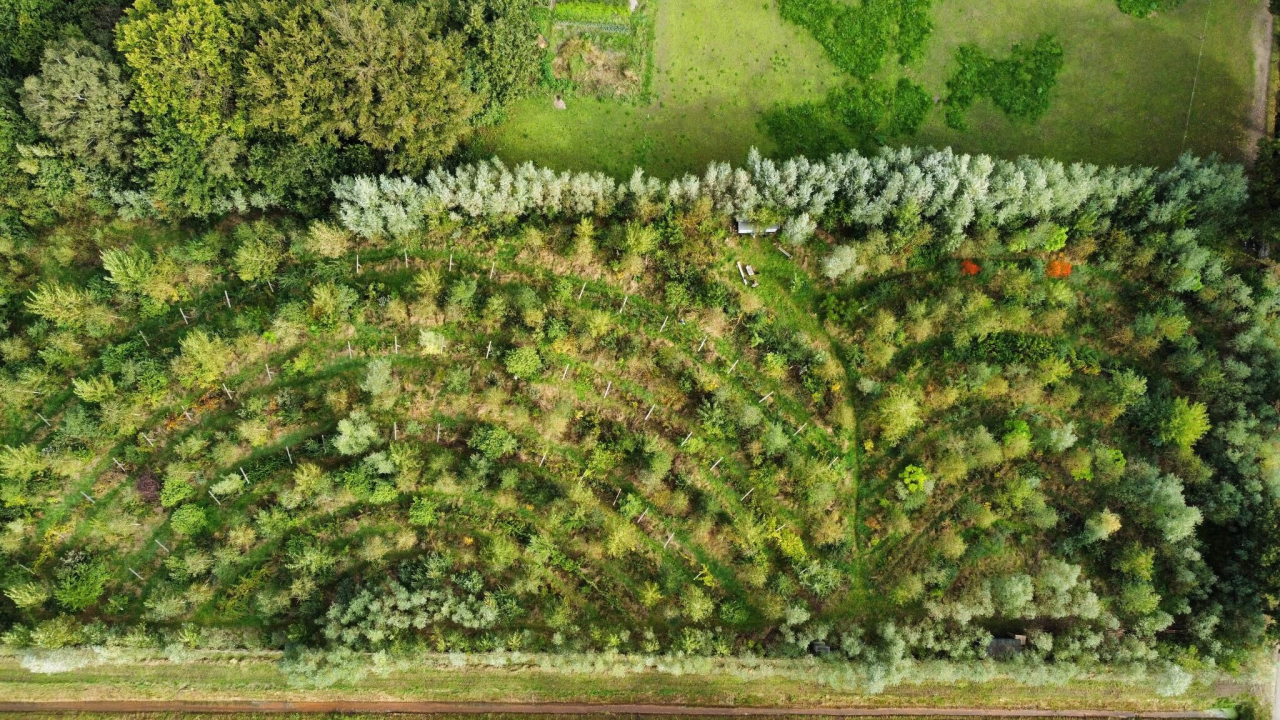
Syntropic food forest and Regenerative agroforestry in Netherlands / Image source: Denfoodbosch
Conclusions and Citizens Demands
We believe that by utilizing plastic-free, Nature Based Solutions for ecological restoration, we can truly restore our damaged ecosystems and encourage a shift from product – centered, to earth – centered consciousness for our communities. We also argue that the basic water-harvesting function of the Waterboxx can be achieved without plastic: a simple donut-shaped basin dug around a tree can capture rainfall and runoff and concentrate it around the roots. Larger half-moon earthworks can do the same for several trees at once and have been widely used to restore degraded drylands in Africa. These methods are cheaper, plastic-free and help restore the wider landscape rather than supporting one tree at a time.
We understand that Groasis is a company aiming to sell their product, while ECOmbare is its Cyprus partner aiming to promote it. But we ask Cyprus Municipalities, the Forest Department and the Ministry of Agriculture this crucial question: Why choose potential plastic contamination of our fire damaged lands, when plastic – free, nature based solutions are available, and are already implemented by local restoration experts?
In the light of a new wave of campaigns and promotional events of the Waterboxx planned by Ecombare for November 2026, we ask for the following urgent measures to be taken, to protect our damaged ecosystems while determining the risks of wide and long term use of this product:
1. Apply the Precautionary Principle and pause expansion
We ask that until independent data on the Waterboxx long term impacts in Cyprus conditions are established, local authorities respect the Precautionary Principle and discontinue authorizing the use of the Groasis Waterboxx, especially on fire affected areas. We ask that the Forest Department, Water and Environment departments and Ministry of Agriculture, add the approximately 1,000 devices in Arakapas and Agios Amvrosios in a public register, recording each device’s location, installation date, responsible landowner or authority, condition, use status, damage, removal, loss or replacement, and retrieval or end-of-life date. Assessments, agreements, funding, survival data, inspection, retrieval records and relationships among Groasis, ECOmbare, organizers and public authorities should be published, as per Law 119(I)/2004 for Public Access to Environmental Information, as well as per the Aarhus Convention Principle, which guarantee citizens the right of access to environmental information held by public authorities.
2. Test environmental behavior under Cyprus conditions
We ask independent scientific testing to examine how Cyprus ultraviolet radiation, heat and temperature fluctuations, wind, soil abrasion, wildfire exposure and repeated use affect Waterboxx’s flexibility, cause cracking, mass loss and microplastic or smaller-particle release into the land.
3. Prioritize Nature Based Solutions of ecosystem restoration over Plastic Reforestation
We ask that Cyprus Authorities prioritize plastic-free, Nature Based solutions for ecosystem regeneration, such as assisted natural regeneration; wet-season planting; application of permaculture, regenerative and syntropic agroforestry principles, nurse vegetation; soil protection and soil restoration; earthworks; rainwater harvesting; and landscape infiltration. Comparative trials should be conducted to evaluate success include soil and hydrological recovery, return of native biodiversity, improved vegetation structure, healthy ecological interactions, long term regeneration and resilience—not only tree survival.
We require transparent evidence and evaluation of the full environmental consequences of the Waterboxx. Until these conditions are met, we ask that expansion of polypropylene tree-establishment devices in publicly supported reforestation be halted.
Thank you.
References:
1. Dalias, P., Hadjisterkotis, E., and Neocleous, D. (2024). Wildfire Effects on Soil Respiration and Bacterial Microbiota Composition in Mediterranean-Type Ecosystems. Fire, 7(7), 213.
2. Guzmán-Rojo, M., Fernandez, J., d’Abzac, P., and Huysmans, M. (2024). Impacts of Wildfires on Groundwater Recharge: A Comprehensive Analysis of Processes, Methodological Challenges, and Research Opportunities. Water, 16(18), 2562.
3. Cyprus Environment Foundation. (2022). Greening Cyprus in the Fire-Affected Areas.
4. Shakesby, R. A. (2011). Post-Wildfire Soil Erosion in the Mediterranean: Review and Future Research Directions. Earth-Science Reviews, 105, 71–100.
5. Caon, L., Vallejo, V. R., Ritsema, C. J., and Geissen, V. (2014). Effects of Wildfire on Soil Nutrients in a Mediterranean Ecosystem. Earth-Science Reviews, 139, 47–58.
6. Groasis. (n.d.). About Groasis.
7. Groasis. (n.d.). Ten Times Reusable Waterboxx® Plant Cocoon.
8. Ideopsis. (2025). Towards a Greener Future: European Innovation for Sustainable Cyprus — Summit Programme.
9. ECOmbare. (n.d.). ECOmbare Statement.
10. ECOmbare. (n.d.). ECOmbare Statement 2.
11. Carpenter, E. J., and Smith, K. L. (1972). Plastics on the Sargasso Sea Surface. Science, 175(4027), 1240–1241.
12. Thompson, R. C., Olsen, Y., Mitchell, R. P., Davis, A., Rowland, S. J., John, A. W. G., McGonigle, D., and Russell, A. E. (2004). Lost at Sea: Where Is All the Plastic?. Science, 304(5672), 838.
13. Rillig, M. C., and Lehmann, A. (2020). Microplastic in Terrestrial Ecosystems: Research Shifts from Ecotoxicology to Ecosystem Effects and Earth System Feedbacks. Science, 368(6498), 1430–1431.
14. de Souza Machado, A. A., Lau, C. W., Till, J., Kloas, W., Lehmann, A., Becker, R., and Rillig, M. C. (2019). Microplastics Can Change Soil Properties and Affect Plant Performance. Environmental Science & Technology, 53(10), 6044–6052.
15. Ruggieri, F., et al. (2025). From Food-to-Human Microplastics and Nanoplastics Exposure and Health Effects: A Review of Food, Animal and Human Monitoring Data. Food and Chemical Toxicology, 196, 115209.
16. Groasis. (n.d.). Reusable Groasis Waterboxx® Plant Cocoon: Datasheet.
17. Brostow, W., et al. (2020). Effects of UV Stabilizers on Polypropylene Outdoors.
18. Andrady, A. L., et al. (2022). Oxidation and Fragmentation of Plastics in a Changing Environment.
19. Papac Zjacić, J., et al. (2024). Fragmentation of Polypropylene into Microplastics Promoted by Photo-Aging. Science of the Total Environment.
20. Meides, N., et al. (2022). Quantifying the Fragmentation of Polypropylene upon Exposure to Accelerated Weathering. Microplastics and Nanoplastics.
21. de Souza Machado, A. A., et al. (2019). Microplastics Can Change Soil Properties and Affect Plant Performance. Environmental Science & Technology, 53(10), 6044–6052.
22. Zhang, et al. (2024). Effects of Polypropylene Micro(nano)plastics on Soil Microbial Communities. Science of the Total Environment.
23. Food and Agriculture Organization of the United Nations (FAO). (n.d.). Plastics in Agriculture.
24. Ziani, K., et al. (2023). Microplastics: A Real Global Threat to the Environment and Food Safety—A State-of-the-Art Review.
25. Marfella, R., et al. (2024). Microplastics and Nanoplastics in Atheromas and Cardiovascular Events. New England Journal of Medicine, 390, 900–910.
26. European Union. (2016). Article 191(2) of the Treaty on the Functioning of the European Union.
27. Gann, G. D., et al. (2019). International Principles and Standards for the Practice of Ecological Restoration. Restoration Ecology, 27(S1), S1–S46.
28. Marzano, R., et al. (2012). Post-Fire Regeneration Dynamics. iForest.
29. Ermitão, M., et al. (2024). Recovery Following Recurrent Mediterranean Fires.
30. Oluwajuwon, T. V., et al. (2024). Review of Assisted Natural Regeneration. Frontiers in Forests and Global Change, 7, 1412075.
31. García-Carmona, M., et al. (2023). The Recovery of Mediterranean Soils After Post-Fire Management. Spanish Journal of Soil Science, 13, 11388.
32. Makarieva, A. M., and Gorshkov, V. G. (2007). Biotic Pump of Atmospheric Moisture as Driver of the Hydrological Cycle on Land. Hydrology and Earth System Sciences, 11(2), 1013–1033.
33. Bush, Z. (2026). Biological Elegance: Unwitting the Devil.
34. Girona-García, A., et al. (2021). Systematic Review and Meta-Analysis. Earth-Science Reviews.
Further Reading on the Environmental and Health Risks of Microplastic Pollution
The following is a small selection of the extensive scientific and public literature concerning the effects of microplastic pollution on soils, ecosystems and human health:
- Politics Today. (n.d.). The Frightening Journey of Microplastics: From Oceans to Our Bodies.
- Shourie, A. (2024). How Microplastics Are Destroying Soil and Human Health. CodeBlue.
- Jacques, O., and Prosser, R. S. (2021). A Probabilistic Risk Assessment of Microplastics in Soil Ecosystems. Science of the Total Environment, 757, 143987.
- Ramanayaka, S., and Vithanage, M. (2020). The Fate of Microplastics in Soil. The Sunday Times Sri Lanka.
- Wang, J., Liu, X., Li, Y., Powell, T., Wang, X., Wang, G., and Zhang, P. (2019). Microplastics as Contaminants in the Soil Environment: A Mini-Review. Science of the Total Environment, 691, 848–857.
- Remington, C. (2020). Microplastics Detrimental to Land Fertility, Research Finds. Ecotextile News.
COVER PHOTO: Limassol fires, Philenews

143
The Issue
Urgent Call for the application of the Precautionary Principle
before allowing any further use of plastic tree-establishment devices on fire affected lands in Cyprus
FULL REPORT WITH PHOTOS AND REFERENCES HERE
Summary
In 2024 and 2025, devastating wildfires destroyed vast areas of natural habitat in Cyprus. Several reforestation initiatives followed, among them tree-planting events organized by ECOmbare, a corporate event-planning company and the official partner of Groasis in Cyprus. As part of those events, ECOmbare installed 1,000 plastic Groasis Waterboxx® units in fire-affected areas of Agios Amvrosios and Arakapas, with the premise of increasing tree survival rates under hot and dry conditions.
In light of recent scientific understanding of polypropylene and its gradual fragmentation into microplastics and nanoplastics, and in the absence of any independent report assessing the long-term impacts of the Groasis Waterboxx on soil and water health, this report raises valid concerns about the potential introduction of contaminants into already damaged landscapes and calls for the application of the Precautionary Principle before any further use of the Waterboxx for public reforestation is permitted.
This report also argues that ecological restoration does not equal tree survival rates and presents holistic, plastic-free, nature-based solutions that not only involve planting trees but also improve landscape hydrology, soil biology, and biodiversity.
Lastly, the report asks that until the long-term environmental impacts of the Waterboxx have been independently assessed under Cyprus conditions and its performance has been objectively compared with plastic-free, nature-based ecosystem restoration solutions, its further adoption in public reforestation projects, especially in fire affected areas, be halted.
1. The Impact of Wildfires
Over the last 2 years, wildfires in Cyprus wiped out 135 square kilometers of natural, wild terrain including high biodiversity ecosystems, vast areas of Mediterranean bushes and scrub and 2,000 hectares of protected forests with hundreds of thousands of native trees, such as Calabrian pines and wild oaks. The intense heat produced by the fires devastated local wildlife by incinerating the topsoil and its microorganisms, killing and displacing animals, insects and pollinators and destroying nesting and feeding grounds [1].
Intense heat destabilizes the soil, alters its properties and creates water-repellent layers. Rainwater infiltration is reduced, runoff is accelerated, and rapid soil erosion is triggered, resulting in disruptions in local water cycles [1, 2]. Bare slopes lose their structural integrity, leading to reduced productivity, greater vulnerability to landslides and further erosion during subsequent rains [3]. Soil damage delays ecosystem recovery, especially on severely burnt slopes [4, 5]. Sadly, in heavily burned areas, mature forests and fully functioning ecosystems may take decades or even centuries to recover.
Considering the fragility of fire-affected ecosystems and the magnitude of damage that has already occurred, it becomes evident that restoration efforts must be done carefully, avoiding adding environmental pressure to lands that are already struggling to recover. Any materials introduced during reforestation should be independently proven safe for long term ecosystem health and should not risk leaving persistent pollution behind.
The urgency of restoring Cyprus’s fire-affected terrain is undeniable. However, that urgency should not diminish our environmental responsibility towards our land.
Cyprus wildfires 2025 / Image source: CBN
2. The Groasis Waterboxx: Its Promotion and Use in Cyprus
The Groasis Waterboxx® is a Dutch product launched in 2010 as an alternative to irrigation for planting trees in dry and degraded landscapes. Made of polypropylene, it consists of a covered reservoir with an opening for the sapling. Its lid collects rainfall and, according to Groasis, condensation, while a wick releases water into the soil. Once the tree is established, usually after 1–2 years, the device is transferred to another tree [6, 7].
ECOmbare became Groasis’ official partner in Cyprus in 2024 and launched the Waterboxx through sponsored tree-planting pilots on experimental plots provided by local authorities. Over two years, ECOmbare installed 1,000 units in fire-affected areas, planting mainly two exceptionally drought and heat-tolerant species, olive and carob, as well as some almond and oak trees. On 27 November 2025, Groasis and ECOmbare presented the product to the Ministry of Agriculture and environmental departments at “Towards a Greener Future: European Innovation for Sustainable Cyprus” under the title “Restoring biodiversity and increasing productivity at 90% lower cost and whilst using 90% less water.” After the summit, ECOmbare stated that its Cyprus planting experience “is capable of supporting the national program to plant more than 100,000 trees annually” [8, 9].
In social media posts [10], ECOmbare also stated that it achieved 95% survival among trees planted with the Waterboxx, compared with only 10–15% survival among trees it planted without the device and without irrigation. However, since the Waterboxx is itself a water-delivery system, this comparison does not prove its superiority over other restoration methods; it shows only that trees supplied with water survive at a higher rate than those planted without water. A meaningful comparison would test the same species using conventional watering and appropriate seasonal planting, while also measuring the environmental impact of each method.
Without such data, ECOmbare’s figures cannot prove any advantage or demonstrate that introducing polypropylene into the landscape is an ecological solution for ecosystem restoration. Furthermore, ECOmbare’s decision to plant trees without irrigation where high mortality was foreseeable raises ethical questions.
Some of the Groasis Waterboxx devices installed by ECOmbare in fire affected areas, Cyprus, 2025 / Image Source: ECOmbare facebook page
3. Polypropylene and the Problem of microplastics
The first scientific findings of microplastics pollution in the oceans were published in 1972 [11] long before the Waterboxx was launched. By 2004, microplastics were found widespread in marine waters and sediments [12]. However, only in recent years has evidence mounted concerning terrestrial contamination, detrimental impacts of microplastics on soil and plants, nanoplastic pollution, and harmful effects on human and animal health [13] [14] [15].
Each Waterboxx is manufactured from approximately 1.4 kilograms of virgin polypropylene. Groasis states that the Waterboxx is protected by four different chemical additives against degradation caused by ultraviolet radiation and temperature fluctuations, describing these in its technical datasheet only as UV protection and antioxidants [16] [17]. Groasis states that these additives allow approximately ten years of use, while acknowledging that strong sunlight makes older devices less flexible and recommending greater care when handling them. The identity and concentrations of the four additives are not publicly available, which prevents independent assessment of their environmental behaviour and long-term fate. Plastic additives are not necessarily permanently bound within the polymer matrix and may themselves migrate, leach or be released as the material ages and degrades.
Ultraviolet radiation initiates photo-oxidation and molecular-chain breakdown of plastics, accelerated by heat and temperature fluctuations. Polypropylene progressively weakens, becomes brittle and fragments under mechanical forces. It does not biodegrade into harmless natural substances but breaks into microplastics—particles below five millimetres—and potentially nanoplastics. Additives delay, but do not prevent degradation and research shows that the more time passes, the more brittle polypropylene becomes. Once they disperse through soil, such particles are extremely difficult if not impossible to locate and remove [18] [19] [20].
Microplastics concentration in agricultural soils / Image source: Researchgate article, 2024
Microplastics alter soil structure, soil fertility, bulk density, porosity, water dynamics, microbial activity and plant health. A controlled study including polypropylene fragments found significant changes in soil and plant indicators, showing that soil microplastics are not environmentally inert [21] [22]. The Food and Agriculture Organization identifies agricultural soils as major recipients of plastic pollution and warns that plastics can persist for decades and affect soil health and ecosystem function [23]. This is particularly problematic in reforestation and ecosystem restoration efforts, where healthy soil organisms, water movement, resilience and long-term ecosystem development are central objectives.
Human and animal exposure occurs through ingestion, inhalation and food chains. Laboratory and animal studies associate exposure with inflammation, oxidative stress, cellular injury, immune disruption, altered metabolism and reproductive effects. Microplastic particles have been detected in human blood, lungs, placenta and vascular tissue. A 2024 study found higher rates of heart attack, stroke or death among patients with microplastics or nanoplastics detected in carotid plaques [24] [25].
The question is not whether exposed polypropylene eventually deteriorates and releases particles in the soil and water; it does. Unknowns for the Waterboxx are; when fragmentation begins, how much is released per cycle and how repeated use changes the rate in Cyprus conditions. No publicly available independent study appears to have measured these effects under Cyprus’s extreme sunlight, heat, rain, drought and wind.
With 1000 units already installed on fire damaged terrains, amounting to more than a tonne of plastic on fire damaged land, and with the potential of many thousands more installed in public reforestation projects, independent evaluation before any further use, based on the Precautionary Principle, becomes absolutely essential.
Adapted conceptual illustration based on published figure showing the effects of plastic mulching film / Original image source: Plants and microplastics: Growing impacts in the terrestrial environment, 2025, Researchgate
4. Applying the Precautionary Principle
The Precautionary Principle is a foundation of European Union environmental policy. Article 191(2) of the Treaty on the Functioning of the European Union requires a high level of protection based on precaution, preventive action, correction of environmental damage at source and the polluter-pays principle [26]. The principle applies where potentially harmful effects have been identified but scientific evaluation cannot determine the risk with sufficient certainty. It does not require proof that harm has already occurred, particularly when damage may be cumulative, widespread or difficult to reverse.
Both conditions apply here. The environmental cost of microplastics and nanoplastics pollution is certain, but with the Waterboxx, its details are unknown and they may develop slowly. Scale increases the concern: with the technology being presented as potential reforestation technology for 100,000 trees annually, adoption and use by Municipalities, Cyprus Forest department and Ministry of Agriculture, before adequate assessment, could introduce many thousands of potentially harmful polypropylene devices into damaged and vulnerable natural landscapes in Cyprus.
Proportionate measures should include the pause of any further deployment of the Waterboxx in public reforestation while evidence is gathered regarding its weathering under Cyprus conditions, as well as the launching of independent comparative tests with non-plastic Nature based restoration methods.
Until public authorities have undeniable evidence that the use of Waterboxx comes without any risk on soil, water, human and animal health, and that it provides a better solution than plastic-free Nature based solutions, the Precautionary Principle supports halting any further deployment.
Microplastics contamination / Image source: Microplastics in arteries heighten heart attack and stroke risk study warns, 2024
5. Reforestation and Nature Based Solutions for Ecosystem restoration
Reforestation typically implies the restoration of a degraded forest by planting trees, without necessarily considering the species composition or the functionality of the ecosystem. Many regions in Cyprus have been reforested in the past by using only one, or very few, species of trees, and even though the lands have been re-greened, the biome has not been restored to what it once was.
Ecosystem restoration goes beyond reforestation and does not mean only planting trees. The Society for Ecological Restoration defines it as the process of assisting the recovery of an ecosystem that has been degraded, damaged or destroyed, while its long-term aim is to place the ecosystem on a self-organizing path towards recovery, with progressively less need for human intervention [27]. Individual tree survival rates do not equal ecosystem restoration. A tree may survive while the soil keeps eroding, rainfall is lost as runoff, native vegetation fails to regenerate and ecological relationships remain damaged. International standards evaluate the success of ecosystem restoration by assessing six interconnected attributes: reduction of continuing threats, recovery of soil and water health, presence of characteristic native species, return of structural diversity across the ecosystem, recovery of ecological functions and healthy exchanges with the surrounding landscape [27].
A healthily recovering ecosystem therefore should support native plants, animals, fungi and microorganisms, rebuild biologically active soil, retain water and nutrients, restore pollination, decomposition, seed dispersal and mycorrhizal relationships, and become more resilient to drought, erosion, other disturbances. If the Waterboxx is considered as a reforestation and restoration tool, it should be evaluated not only by tree survival rates, but by whether it supports all the above conditions, while avoiding causing new environmental pressures.
Ecosystem Restoration / Image source: Holistic restoration after wildfires, 2024
Nature-Based, plastic-free Ecosystem Restoration methods exist, with many examples of successful application across the world, and can ensure sapling survival without placing a polypropylene reservoir around every tree. Some of these methods are:
- Natural and Assisted Natural Regeneration: Many Mediterranean plants regenerate after fire without intervention [28] [29]. Fire-affected land therefore, should first be assessed for recovery through resprouting, surviving roots, soil seed banks and fire-released seeds. Where natural regeneration occurs, protection and assistance may be more appropriate than replacement with nursery trees. Assisted natural regeneration can protect young plants, control invasive species, reduce erosion and support emerging native seedlings [30].
- Planting at the Appropriate Season: Planting may be necessary where regeneration is weak, erosion severe or seed sources lost. However, it should follow assessment rather than automatically replace natural recovery. Poorly targeted planting can disturb soil, overlook emerging native vegetation or introduce trees unsuited to future conditions [31]. Where planting is truly needed, the cool, wet season gives roots time to develop before severe summer conditions and reduces water demand. Summer planting should be exceptional and justified, not used to demonstrate the necessity of a manufactured device.
- Native Species, Mixed Planting and Ecological Succession: Planting should utilize diversity of native plant and tree species suited to local conditions. Bio diverse ecosystems build resilience and contribute to rainfall [32] [33]. Mediterranean ecosystems also require shrubs, grasses, herbs, fungi and soil organisms for water retention, nutrient cycling, habitat and erosion control. Mixed, successional and multi-layered approaches such as the ones applied by permaculture and syntropic agroforestry, can ensure steady and long term ecosystem restoration.
- Soil Protection: Post-fire research shows that organic ground cover and physical barriers can reduce erosion and runoff. Locally appropriate, uncontaminated organic mulch and carefully designed earthworks can protect the already damaged soil, restore soil health, slow water, allow infiltration and, very importantly, hydrate and protect seedlings and saplings [34]
- Rainwater Harvesting and Landscape Infiltration: ECOmbare utalizes the argument of ‘water scarcity’ in Cyprus to promote the plastic Waterboxx. In reality however, millions of tonnes of rainwater are lost every year in Cyprus due to mismanagement and lack of rainwater harvesting systems. A spread, slow-sink, rainwater harvesting strategy, can hydrate dry and damaged terrain and provide natural protection against fire. Carefully designed contour measures, infiltration basins, earthen ponds, barriers and earthworks can reduce runoff, revitalize the soil, support vegetation, aquatic and animal life, increase evapotranspiration (which helps bring back rain) and restore the small water cycles. Additionally, rainwater collected from existing surfaces can provide targeted establishment watering to young trees.
The above Nature Based Solutions, demonstrate a multitude of possibilities for ecological restoration in fire affected areas in Cyprus, that do not introduce harmful contaminants in the ground.
Syntropic food forest and Regenerative agroforestry in Netherlands / Image source: Denfoodbosch
Conclusions and Citizens Demands
We believe that by utilizing plastic-free, Nature Based Solutions for ecological restoration, we can truly restore our damaged ecosystems and encourage a shift from product – centered, to earth – centered consciousness for our communities. We also argue that the basic water-harvesting function of the Waterboxx can be achieved without plastic: a simple donut-shaped basin dug around a tree can capture rainfall and runoff and concentrate it around the roots. Larger half-moon earthworks can do the same for several trees at once and have been widely used to restore degraded drylands in Africa. These methods are cheaper, plastic-free and help restore the wider landscape rather than supporting one tree at a time.
We understand that Groasis is a company aiming to sell their product, while ECOmbare is its Cyprus partner aiming to promote it. But we ask Cyprus Municipalities, the Forest Department and the Ministry of Agriculture this crucial question: Why choose potential plastic contamination of our fire damaged lands, when plastic – free, nature based solutions are available, and are already implemented by local restoration experts?
In the light of a new wave of campaigns and promotional events of the Waterboxx planned by Ecombare for November 2026, we ask for the following urgent measures to be taken, to protect our damaged ecosystems while determining the risks of wide and long term use of this product:
1. Apply the Precautionary Principle and pause expansion
We ask that until independent data on the Waterboxx long term impacts in Cyprus conditions are established, local authorities respect the Precautionary Principle and discontinue authorizing the use of the Groasis Waterboxx, especially on fire affected areas. We ask that the Forest Department, Water and Environment departments and Ministry of Agriculture, add the approximately 1,000 devices in Arakapas and Agios Amvrosios in a public register, recording each device’s location, installation date, responsible landowner or authority, condition, use status, damage, removal, loss or replacement, and retrieval or end-of-life date. Assessments, agreements, funding, survival data, inspection, retrieval records and relationships among Groasis, ECOmbare, organizers and public authorities should be published, as per Law 119(I)/2004 for Public Access to Environmental Information, as well as per the Aarhus Convention Principle, which guarantee citizens the right of access to environmental information held by public authorities.
2. Test environmental behavior under Cyprus conditions
We ask independent scientific testing to examine how Cyprus ultraviolet radiation, heat and temperature fluctuations, wind, soil abrasion, wildfire exposure and repeated use affect Waterboxx’s flexibility, cause cracking, mass loss and microplastic or smaller-particle release into the land.
3. Prioritize Nature Based Solutions of ecosystem restoration over Plastic Reforestation
We ask that Cyprus Authorities prioritize plastic-free, Nature Based solutions for ecosystem regeneration, such as assisted natural regeneration; wet-season planting; application of permaculture, regenerative and syntropic agroforestry principles, nurse vegetation; soil protection and soil restoration; earthworks; rainwater harvesting; and landscape infiltration. Comparative trials should be conducted to evaluate success include soil and hydrological recovery, return of native biodiversity, improved vegetation structure, healthy ecological interactions, long term regeneration and resilience—not only tree survival.
We require transparent evidence and evaluation of the full environmental consequences of the Waterboxx. Until these conditions are met, we ask that expansion of polypropylene tree-establishment devices in publicly supported reforestation be halted.
Thank you.
References:
1. Dalias, P., Hadjisterkotis, E., and Neocleous, D. (2024). Wildfire Effects on Soil Respiration and Bacterial Microbiota Composition in Mediterranean-Type Ecosystems. Fire, 7(7), 213.
2. Guzmán-Rojo, M., Fernandez, J., d’Abzac, P., and Huysmans, M. (2024). Impacts of Wildfires on Groundwater Recharge: A Comprehensive Analysis of Processes, Methodological Challenges, and Research Opportunities. Water, 16(18), 2562.
3. Cyprus Environment Foundation. (2022). Greening Cyprus in the Fire-Affected Areas.
4. Shakesby, R. A. (2011). Post-Wildfire Soil Erosion in the Mediterranean: Review and Future Research Directions. Earth-Science Reviews, 105, 71–100.
5. Caon, L., Vallejo, V. R., Ritsema, C. J., and Geissen, V. (2014). Effects of Wildfire on Soil Nutrients in a Mediterranean Ecosystem. Earth-Science Reviews, 139, 47–58.
6. Groasis. (n.d.). About Groasis.
7. Groasis. (n.d.). Ten Times Reusable Waterboxx® Plant Cocoon.
8. Ideopsis. (2025). Towards a Greener Future: European Innovation for Sustainable Cyprus — Summit Programme.
9. ECOmbare. (n.d.). ECOmbare Statement.
10. ECOmbare. (n.d.). ECOmbare Statement 2.
11. Carpenter, E. J., and Smith, K. L. (1972). Plastics on the Sargasso Sea Surface. Science, 175(4027), 1240–1241.
12. Thompson, R. C., Olsen, Y., Mitchell, R. P., Davis, A., Rowland, S. J., John, A. W. G., McGonigle, D., and Russell, A. E. (2004). Lost at Sea: Where Is All the Plastic?. Science, 304(5672), 838.
13. Rillig, M. C., and Lehmann, A. (2020). Microplastic in Terrestrial Ecosystems: Research Shifts from Ecotoxicology to Ecosystem Effects and Earth System Feedbacks. Science, 368(6498), 1430–1431.
14. de Souza Machado, A. A., Lau, C. W., Till, J., Kloas, W., Lehmann, A., Becker, R., and Rillig, M. C. (2019). Microplastics Can Change Soil Properties and Affect Plant Performance. Environmental Science & Technology, 53(10), 6044–6052.
15. Ruggieri, F., et al. (2025). From Food-to-Human Microplastics and Nanoplastics Exposure and Health Effects: A Review of Food, Animal and Human Monitoring Data. Food and Chemical Toxicology, 196, 115209.
16. Groasis. (n.d.). Reusable Groasis Waterboxx® Plant Cocoon: Datasheet.
17. Brostow, W., et al. (2020). Effects of UV Stabilizers on Polypropylene Outdoors.
18. Andrady, A. L., et al. (2022). Oxidation and Fragmentation of Plastics in a Changing Environment.
19. Papac Zjacić, J., et al. (2024). Fragmentation of Polypropylene into Microplastics Promoted by Photo-Aging. Science of the Total Environment.
20. Meides, N., et al. (2022). Quantifying the Fragmentation of Polypropylene upon Exposure to Accelerated Weathering. Microplastics and Nanoplastics.
21. de Souza Machado, A. A., et al. (2019). Microplastics Can Change Soil Properties and Affect Plant Performance. Environmental Science & Technology, 53(10), 6044–6052.
22. Zhang, et al. (2024). Effects of Polypropylene Micro(nano)plastics on Soil Microbial Communities. Science of the Total Environment.
23. Food and Agriculture Organization of the United Nations (FAO). (n.d.). Plastics in Agriculture.
24. Ziani, K., et al. (2023). Microplastics: A Real Global Threat to the Environment and Food Safety—A State-of-the-Art Review.
25. Marfella, R., et al. (2024). Microplastics and Nanoplastics in Atheromas and Cardiovascular Events. New England Journal of Medicine, 390, 900–910.
26. European Union. (2016). Article 191(2) of the Treaty on the Functioning of the European Union.
27. Gann, G. D., et al. (2019). International Principles and Standards for the Practice of Ecological Restoration. Restoration Ecology, 27(S1), S1–S46.
28. Marzano, R., et al. (2012). Post-Fire Regeneration Dynamics. iForest.
29. Ermitão, M., et al. (2024). Recovery Following Recurrent Mediterranean Fires.
30. Oluwajuwon, T. V., et al. (2024). Review of Assisted Natural Regeneration. Frontiers in Forests and Global Change, 7, 1412075.
31. García-Carmona, M., et al. (2023). The Recovery of Mediterranean Soils After Post-Fire Management. Spanish Journal of Soil Science, 13, 11388.
32. Makarieva, A. M., and Gorshkov, V. G. (2007). Biotic Pump of Atmospheric Moisture as Driver of the Hydrological Cycle on Land. Hydrology and Earth System Sciences, 11(2), 1013–1033.
33. Bush, Z. (2026). Biological Elegance: Unwitting the Devil.
34. Girona-García, A., et al. (2021). Systematic Review and Meta-Analysis. Earth-Science Reviews.
Further Reading on the Environmental and Health Risks of Microplastic Pollution
The following is a small selection of the extensive scientific and public literature concerning the effects of microplastic pollution on soils, ecosystems and human health:
- Politics Today. (n.d.). The Frightening Journey of Microplastics: From Oceans to Our Bodies.
- Shourie, A. (2024). How Microplastics Are Destroying Soil and Human Health. CodeBlue.
- Jacques, O., and Prosser, R. S. (2021). A Probabilistic Risk Assessment of Microplastics in Soil Ecosystems. Science of the Total Environment, 757, 143987.
- Ramanayaka, S., and Vithanage, M. (2020). The Fate of Microplastics in Soil. The Sunday Times Sri Lanka.
- Wang, J., Liu, X., Li, Y., Powell, T., Wang, X., Wang, G., and Zhang, P. (2019). Microplastics as Contaminants in the Soil Environment: A Mini-Review. Science of the Total Environment, 691, 848–857.
- Remington, C. (2020). Microplastics Detrimental to Land Fertility, Research Finds. Ecotextile News.
COVER PHOTO: Limassol fires, Philenews
Petition Updates
Share this petition
Petition created on 11 September 2026