

Open the Mataf Daily to All Muslims and Restore Clear Views of the Kaaba
Das Anliegen
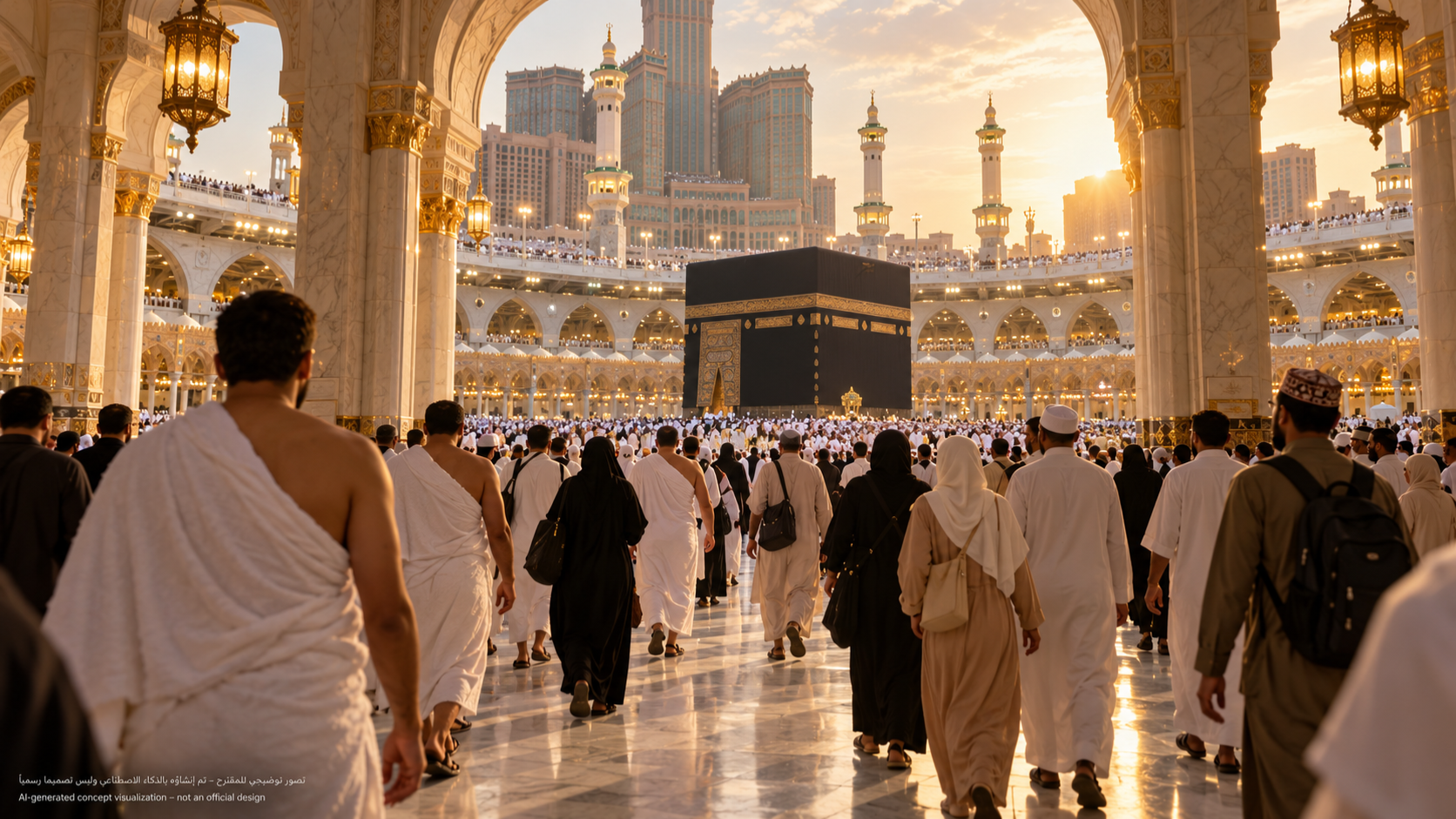
English version available below — please scroll down.
من أجل فتح صحن المطاف يوميًا لجميع المسلمين وإعادة الرؤية الواضحة للكعبة من جميع أدوار المسجد الحرام
إلى الهيئة العامة للعناية بشؤون المسجد الحرام والمسجد النبوي، ووزارة الحج والعمرة، والجهات المختصة في المملكة العربية السعودية
السلام عليكم ورحمة الله وبركاته،
يقطع ملايين المسلمين من مختلف أنحاء العالم آلاف الكيلومترات للوصول إلى مكة المكرمة وزيارة المسجد الحرام ورؤية الكعبة المشرفة.
ونتقدم بهذه العريضة بكل احترام وتقدير للجهود الكبيرة التي تبذلها المملكة العربية السعودية في خدمة الحرمين الشريفين وضيوف الرحمن، وللتوسعات والمشروعات الضخمة التي شهدها المسجد الحرام خلال السنوات والعقود الماضية لمواكبة الأعداد المتزايدة من الحجاج والمعتمرين والزوار.
ونطالب بإعادة النظر في مسألتين نراهما بالغتي الأهمية:
أولًا: الإلغاء الكامل للمنع العام الذي يحول دون دخول الأشخاص غير المحرمين إلى صحن المطاف.
والمقصود بغير المحرمين جميع المسلمين الذين لا يكونون في حالة الإحرام، بمن فيهم الذين أدوا العمرة كاملة، وانتهوا من الطواف والسعي، ثم تحللوا من الإحرام.
ثانيًا: إزالة الحواجز الداخلية التي تحجب رؤية الكعبة المشرفة من بعض أدوار المسجد الحرام ومن السطح، واستبدالها – حيثما كان ذلك ممكنًا هندسيًا – بحماية زجاجية شفافة ومرتفعة مباشرة عند الحافة الخارجية.
فتح صحن المطاف يوميًا لجميع المسلمين
في الوضع الحالي يستطيع المسلم الوصول إلى صحن المطاف أثناء وجوده في الإحرام وأداء العمرة، لكنه بعد إنهاء عمرته والتحلل من الإحرام قد لا يستطيع العودة إلى صحن الكعبة.
وهذا هو الأمر الذي نطالب بتغييره.
يجب ألا تكون حالة الإحرام شرطًا عامًا للوصول إلى صحن المطاف.
فالمسلم الذي أنهى عمرته قد يرغب بعد ذلك في العودة إلى الكعبة بهدوء؛ للصلاة والدعاء وقراءة القرآن والجلوس أمام بيت الله والنظر إليه دون أن يكون منشغلًا بأداء المناسك.
وكثير من المسلمين ينتظرون سنوات طويلة حتى تتاح لهم فرصة زيارة مكة، وبعضهم قد لا يزور المسجد الحرام إلا مرة واحدة في حياته.
ولهذا نطالب بأن يكون صحن المطاف متاحًا يوميًا للمسلمين، سواء كانوا محرمين أو غير محرمين.
نحن ندرك أن أعداد زوار المسجد الحرام ارتفعت بصورة كبيرة، وأن إدارة هذه الأعداد تحتاج إلى تنظيم متطور.
لكن المسجد الحرام شهد في الوقت نفسه توسعات هائلة على مدى سنوات طويلة، وتمت زيادة المساحات والطاقة الاستيعابية وتطوير صحن المطاف والأدوار والممرات والمداخل والسلالم ومسارات الحركة.
وقد جاءت هذه التوسعات في الأساس لمواكبة الأعداد المتزايدة من ضيوف الرحمن.
ولهذا نرى أن ارتفاع أعداد الزوار ينبغي أن يقابله تطوير أكبر في تنظيم حركة الدخول والخروج ومسارات الزوار، بدلًا من جعل حالة الإحرام شرطًا دائمًا للدخول.
يمكن تنظيم المداخل والمخارج، وتوجيه الحركة بصورة أكثر وضوحًا، وتقليل تقاطع المسارات، والاستفادة من التكنولوجيا الحديثة والخبرة الكبيرة في إدارة الحشود.
المطلوب هو تنظيم الوصول إلى الكعبة، لا منع المسلم من الوصول إليها بسبب عدم وجوده في حالة الإحرام.
ولا ينبغي أن يوجد يوم يُمنع فيه المسلم من دخول صحن المطاف لمجرد أنه أنهى عمرته وتحلل من الإحرام أو لأنه لا يؤدي عمرة في تلك اللحظة.
إعادة الرؤية الواضحة للكعبة من جميع الأدوار
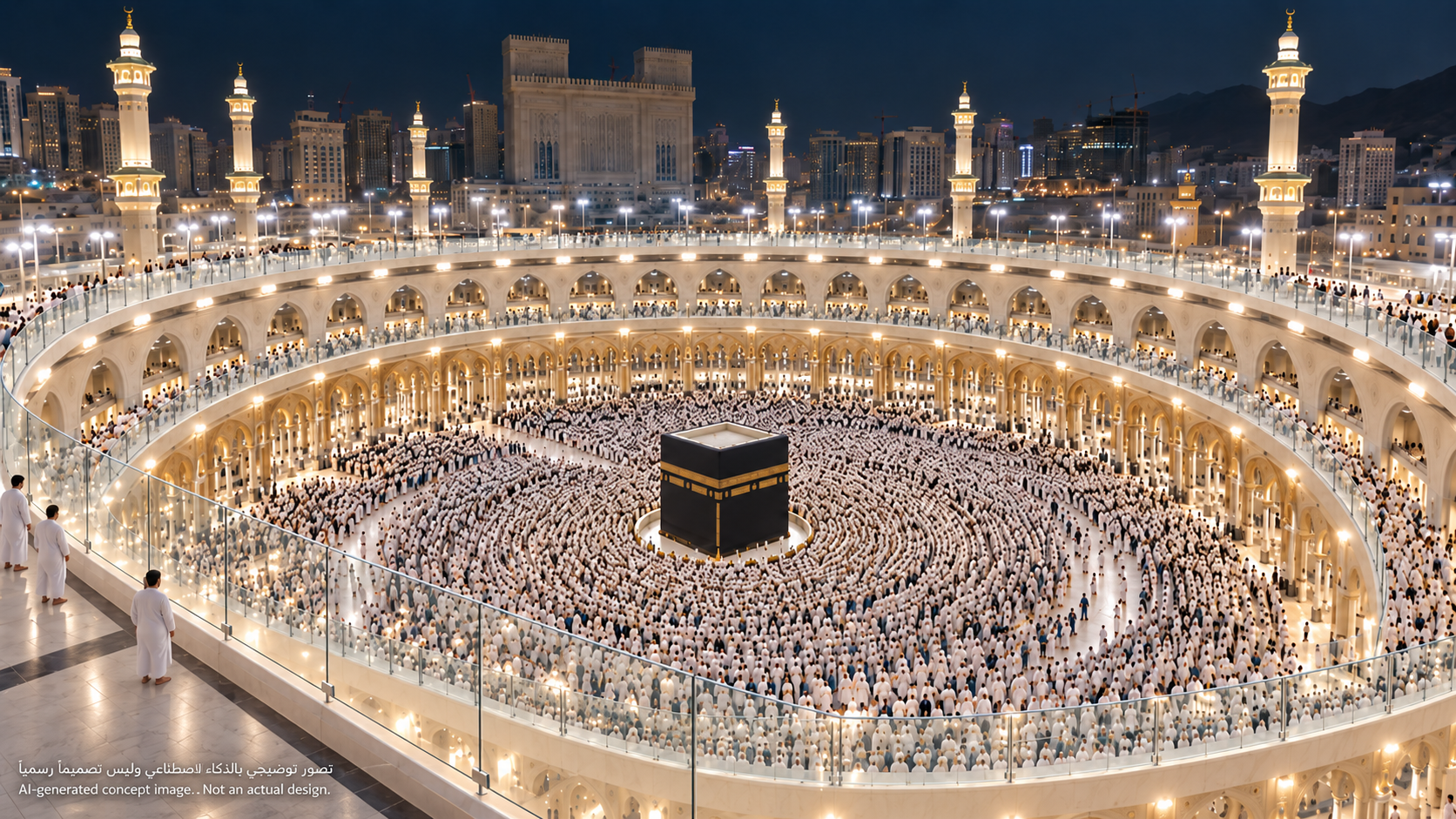
أما المسألة الثانية فتتعلق بالحواجز الداخلية الموجودة في بعض المناطق المطلة على الكعبة المشرفة، وخصوصًا في بعض الأدوار وعلى سطح المسجد الحرام.
هذه الحواجز تبعد الزوار عدة أمتار عن الدرابزين الخارجي وتحرم أعدادًا كبيرة منهم من الاقتراب بصورة آمنة والاستمتاع برؤية واضحة ومباشرة للكعبة.
ونتفهم أن بعض هذه الإجراءات جاءت بعد حوادث مأساوية نادرة قام فيها أفراد بتجاوز الحواجز الخارجية أو القفز من مناطق مرتفعة.
ولا نقلل أبدًا من خطورة هذه الحوادث أو من ضرورة حماية الأرواح ومنع تكرارها.
لكننا نطلب دراسة حل هندسي أكثر مباشرة.
بدلًا من إبعاد جميع الزوار عدة أمتار عن الحافة، يمكن تأمين الحافة الخارجية نفسها بصورة أقوى.
نقترح دراسة رفع الحاجز الزجاجي الخارجي واستخدام زجاج شفاف عالي المتانة وبارتفاع وتصميم يمنع عمليًا التسلق أو التجاوز أو القفز.
وبذلك تتم معالجة الخطر في المكان الذي ينشأ فيه مباشرة، مع الحفاظ في الوقت نفسه على الرؤية الواضحة للكعبة.
ولا ينبغي أن تقتصر هذه الدراسة على السطح فقط، بل أن تشمل جميع الأدوار والممرات والمصليات والمناطق المطلة على الكعبة المشرفة التي توجد فيها حواجز مماثلة.
وبطبيعة الحال، يجب أن تخضع أي تغييرات لدراسات هندسية وأمنية متخصصة تشمل قوة الزجاج وارتفاعه ومنع التسلق وتحمل الأحمال والرياح ومتطلبات الإخلاء والصيانة والسلامة.
نحن لا نطالب بتقليل الحماية.
بل نطالب بحماية أكثر استهدافًا وفعالية، تحمي الأرواح دون أن تحجب الكعبة عن ملايين الزوار.
مطالب هذه العريضة
الإلغاء الكامل للقاعدة التي تجعل حالة الإحرام شرطًا عامًا للوصول إلى صحن المطاف.
إتاحة الوصول إلى صحن المطاف يوميًا للمسلمين، سواء كانوا محرمين أو غير محرمين، بمن فيهم الذين أنهوا عمرتهم وتحللوا من الإحرام.
إعادة تنظيم مسارات الدخول والخروج وحركة الزوار بحيث يبقى الوصول إلى صحن الكعبة متاحًا بصورة آمنة ومنظمة كل يوم.
إعادة دراسة الحواجز الداخلية الموجودة على السطح وفي جميع الأدوار والمناطق المطلة على الكعبة المشرفة.
استبدال هذه الحواجز، حيثما تسمح الدراسات الهندسية، بحواجز زجاجية خارجية مرتفعة وشفافة تمنع السقوط والتسلق والقفز.
إعادة إتاحة مناطق يستطيع منها المسلمون الصلاة والدعاء والجلوس ورؤية الكعبة بوضوح وأمان.
هذه العريضة ليست انتقادًا للجهود الكبيرة التي تبذلها المملكة العربية السعودية في خدمة الحرمين الشريفين، بل دعوة إلى مواصلة التطوير والاستفادة من التوسعات والتكنولوجيا الحديثة والحلول الهندسية المتقدمة.
التنظيم لا يجب أن يعني المنع.
والسلامة لا يجب أن تعني حجب رؤية الكعبة.
نؤمن بأن الأمن والسلامة، وانسيابية الحركة، والقرب من الكعبة، والرؤية الواضحة لبيت الله يمكن أن تجتمع جميعًا.
إذا كنت تؤيد أن يكون صحن الكعبة متاحًا يوميًا للمسلمين سواء كانوا محرمين أو غير محرمين، وتؤيد استبدال الحواجز التي تحجب رؤية الكعبة بحلول شفافة وآمنة، فوقّع على هذه العريضة وشاركها.
For Daily Access to the Mataf for All Muslims and Clear Views of the Kaaba from All Levels of the Grand Mosque
To the General Authority for the Care of the Affairs of the Grand Mosque and the Prophet’s Mosque, the Ministry of Hajj and Umrah, and the relevant authorities of the Kingdom of Saudi Arabia
Millions of Muslims from around the world travel thousands of kilometres to reach Makkah, visit the Grand Mosque and see the Holy Kaaba.
With full respect and appreciation for the tremendous efforts undertaken by the Kingdom of Saudi Arabia in serving the Two Holy Mosques and the Guests of Allah, and for the major expansion projects carried out over many years to accommodate growing numbers of pilgrims and visitors, we respectfully call for the reconsideration of two important issues.
First, we call for the complete removal of the general restriction preventing people who are not in the state of Ihram from accessing the Mataf courtyard.
By people who are not in Ihram, we mean all Muslims outside the state of Ihram, including those who have fully completed their Umrah, finished Tawaf and Sa’i, and subsequently exited Ihram.
Second, we call for internal barriers that obstruct views of the Holy Kaaba from certain levels and the rooftop of the Grand Mosque to be replaced — wherever technically feasible — with high, transparent safety barriers positioned directly at the external edge.
Daily access to the Mataf for all Muslims
Under the current arrangements, a Muslim may access the Mataf while in Ihram and performing Umrah, but after completing Umrah and exiting Ihram may no longer be able to return to the courtyard surrounding the Kaaba.
This is what we are asking to change.
Ihram status should not be a general condition for access to the Mataf.
After completing Umrah, a Muslim may wish to return to the Kaaba in a calmer state — to pray, make du’a, read the Qur’an, sit before the House of Allah and contemplate it without simultaneously being occupied with completing the rites of Umrah.
Many Muslims wait for years for the opportunity to visit Makkah. For some, it may be the only visit to the Grand Mosque in their lifetime.
We therefore call for the Mataf to remain accessible every day to Muslims, whether they are in Ihram or not.
We recognise that visitor numbers at the Grand Mosque have increased considerably and that managing such enormous flows of people requires sophisticated organisation.
At the same time, the Grand Mosque has undergone enormous expansion over many years. Capacity has been increased, the Mataf developed, and additional levels, passageways, entrances, stairways and pedestrian routes created or redesigned.
These expansions were undertaken precisely in response to the growing number of Guests of Allah.
Increasing visitor numbers should therefore be addressed through further improvement of entrances, exits and visitor flows, rather than by permanently making Ihram status a condition for access.
Entrances and exits can be better organised, pedestrian directions made clearer, conflicting flows reduced, and modern technology and extensive crowd-management experience used more effectively.
The objective should be to organise access to the Kaaba, not to exclude Muslims from it because they are not in Ihram.
There should not be a day on which a Muslim is prevented from entering the Mataf simply because they have completed Umrah and exited Ihram or are not performing Umrah at that particular moment.
Restoring clear views of the Kaaba from all levels
The second issue concerns internal barriers in some areas overlooking the Holy Kaaba, particularly on certain levels and on the rooftop of the Grand Mosque.
These barriers can keep visitors several metres away from the external railing and prevent large numbers of people from safely approaching areas with a clear and direct view of the Kaaba.
We understand that some such measures were introduced following rare tragic incidents in which individuals crossed external barriers or jumped from elevated areas.
We do not underestimate the seriousness of these incidents or the responsibility to protect human life and prevent their recurrence.
However, we ask that a more direct engineering solution be studied.
Instead of keeping all visitors several metres away from the edge, the external edge itself could be secured more effectively.
We propose studying whether the external glass barrier can be made substantially higher and constructed from high-strength transparent glass with an engineered design that makes climbing, crossing or jumping over it practically impossible.
The risk would then be addressed directly at the point where it exists, while preserving a clear view of the Kaaba.
This review should not be limited to the rooftop. It should include all suitable levels, corridors, prayer areas and viewing locations overlooking the Holy Kaaba where similar barriers exist.
Any changes should naturally be subject to comprehensive engineering and security assessments covering glass strength, height, anti-climb design, structural and wind loads, evacuation, maintenance and all other relevant safety requirements.
We are not asking for less protection.
We are asking for more targeted and effective protection that safeguards human life without unnecessarily obstructing the Kaaba from millions of visitors.
What this petition asks for
Completely remove the general rule making Ihram status a condition for accessing the Mataf.
Provide daily access to the Mataf for Muslims whether they are in Ihram or not, including those who have completed Umrah and exited Ihram.
Redesign entry routes, exit routes and visitor flows so that safe and organised access to the courtyard of the Kaaba remains available every day.
Review internal barriers on the rooftop and on all levels and areas overlooking the Holy Kaaba.
Where engineering assessments permit, replace setback barriers with high, transparent external glass barriers designed to prevent falls, climbing and jumping.
Restore safe areas from which Muslims can pray, make du’a, sit and clearly see the Holy Kaaba.
This petition is not intended as criticism of the major efforts undertaken by the Kingdom of Saudi Arabia in serving the Two Holy Mosques. It is a call to continue developing the Grand Mosque by making full use of its expansions, modern technology and advanced engineering solutions.
Organisation should not have to mean exclusion.
Safety should not have to mean obstructing the view of the Kaaba.
We believe safety, orderly movement, closeness to the Kaaba and a clear view of the House of Allah can all be achieved together.
If you support daily access to the courtyard of the Kaaba for Muslims whether they are in Ihram or not, and support replacing view-obstructing barriers with transparent and secure solutions, please sign and share this petition.

9
Das Anliegen
English version available below — please scroll down.
من أجل فتح صحن المطاف يوميًا لجميع المسلمين وإعادة الرؤية الواضحة للكعبة من جميع أدوار المسجد الحرام
إلى الهيئة العامة للعناية بشؤون المسجد الحرام والمسجد النبوي، ووزارة الحج والعمرة، والجهات المختصة في المملكة العربية السعودية
السلام عليكم ورحمة الله وبركاته،
يقطع ملايين المسلمين من مختلف أنحاء العالم آلاف الكيلومترات للوصول إلى مكة المكرمة وزيارة المسجد الحرام ورؤية الكعبة المشرفة.
ونتقدم بهذه العريضة بكل احترام وتقدير للجهود الكبيرة التي تبذلها المملكة العربية السعودية في خدمة الحرمين الشريفين وضيوف الرحمن، وللتوسعات والمشروعات الضخمة التي شهدها المسجد الحرام خلال السنوات والعقود الماضية لمواكبة الأعداد المتزايدة من الحجاج والمعتمرين والزوار.
ونطالب بإعادة النظر في مسألتين نراهما بالغتي الأهمية:
أولًا: الإلغاء الكامل للمنع العام الذي يحول دون دخول الأشخاص غير المحرمين إلى صحن المطاف.
والمقصود بغير المحرمين جميع المسلمين الذين لا يكونون في حالة الإحرام، بمن فيهم الذين أدوا العمرة كاملة، وانتهوا من الطواف والسعي، ثم تحللوا من الإحرام.
ثانيًا: إزالة الحواجز الداخلية التي تحجب رؤية الكعبة المشرفة من بعض أدوار المسجد الحرام ومن السطح، واستبدالها – حيثما كان ذلك ممكنًا هندسيًا – بحماية زجاجية شفافة ومرتفعة مباشرة عند الحافة الخارجية.
فتح صحن المطاف يوميًا لجميع المسلمين
في الوضع الحالي يستطيع المسلم الوصول إلى صحن المطاف أثناء وجوده في الإحرام وأداء العمرة، لكنه بعد إنهاء عمرته والتحلل من الإحرام قد لا يستطيع العودة إلى صحن الكعبة.
وهذا هو الأمر الذي نطالب بتغييره.
يجب ألا تكون حالة الإحرام شرطًا عامًا للوصول إلى صحن المطاف.
فالمسلم الذي أنهى عمرته قد يرغب بعد ذلك في العودة إلى الكعبة بهدوء؛ للصلاة والدعاء وقراءة القرآن والجلوس أمام بيت الله والنظر إليه دون أن يكون منشغلًا بأداء المناسك.
وكثير من المسلمين ينتظرون سنوات طويلة حتى تتاح لهم فرصة زيارة مكة، وبعضهم قد لا يزور المسجد الحرام إلا مرة واحدة في حياته.
ولهذا نطالب بأن يكون صحن المطاف متاحًا يوميًا للمسلمين، سواء كانوا محرمين أو غير محرمين.
نحن ندرك أن أعداد زوار المسجد الحرام ارتفعت بصورة كبيرة، وأن إدارة هذه الأعداد تحتاج إلى تنظيم متطور.
لكن المسجد الحرام شهد في الوقت نفسه توسعات هائلة على مدى سنوات طويلة، وتمت زيادة المساحات والطاقة الاستيعابية وتطوير صحن المطاف والأدوار والممرات والمداخل والسلالم ومسارات الحركة.
وقد جاءت هذه التوسعات في الأساس لمواكبة الأعداد المتزايدة من ضيوف الرحمن.
ولهذا نرى أن ارتفاع أعداد الزوار ينبغي أن يقابله تطوير أكبر في تنظيم حركة الدخول والخروج ومسارات الزوار، بدلًا من جعل حالة الإحرام شرطًا دائمًا للدخول.
يمكن تنظيم المداخل والمخارج، وتوجيه الحركة بصورة أكثر وضوحًا، وتقليل تقاطع المسارات، والاستفادة من التكنولوجيا الحديثة والخبرة الكبيرة في إدارة الحشود.
المطلوب هو تنظيم الوصول إلى الكعبة، لا منع المسلم من الوصول إليها بسبب عدم وجوده في حالة الإحرام.
ولا ينبغي أن يوجد يوم يُمنع فيه المسلم من دخول صحن المطاف لمجرد أنه أنهى عمرته وتحلل من الإحرام أو لأنه لا يؤدي عمرة في تلك اللحظة.
إعادة الرؤية الواضحة للكعبة من جميع الأدوار
أما المسألة الثانية فتتعلق بالحواجز الداخلية الموجودة في بعض المناطق المطلة على الكعبة المشرفة، وخصوصًا في بعض الأدوار وعلى سطح المسجد الحرام.
هذه الحواجز تبعد الزوار عدة أمتار عن الدرابزين الخارجي وتحرم أعدادًا كبيرة منهم من الاقتراب بصورة آمنة والاستمتاع برؤية واضحة ومباشرة للكعبة.
ونتفهم أن بعض هذه الإجراءات جاءت بعد حوادث مأساوية نادرة قام فيها أفراد بتجاوز الحواجز الخارجية أو القفز من مناطق مرتفعة.
ولا نقلل أبدًا من خطورة هذه الحوادث أو من ضرورة حماية الأرواح ومنع تكرارها.
لكننا نطلب دراسة حل هندسي أكثر مباشرة.
بدلًا من إبعاد جميع الزوار عدة أمتار عن الحافة، يمكن تأمين الحافة الخارجية نفسها بصورة أقوى.
نقترح دراسة رفع الحاجز الزجاجي الخارجي واستخدام زجاج شفاف عالي المتانة وبارتفاع وتصميم يمنع عمليًا التسلق أو التجاوز أو القفز.
وبذلك تتم معالجة الخطر في المكان الذي ينشأ فيه مباشرة، مع الحفاظ في الوقت نفسه على الرؤية الواضحة للكعبة.
ولا ينبغي أن تقتصر هذه الدراسة على السطح فقط، بل أن تشمل جميع الأدوار والممرات والمصليات والمناطق المطلة على الكعبة المشرفة التي توجد فيها حواجز مماثلة.
وبطبيعة الحال، يجب أن تخضع أي تغييرات لدراسات هندسية وأمنية متخصصة تشمل قوة الزجاج وارتفاعه ومنع التسلق وتحمل الأحمال والرياح ومتطلبات الإخلاء والصيانة والسلامة.
نحن لا نطالب بتقليل الحماية.
بل نطالب بحماية أكثر استهدافًا وفعالية، تحمي الأرواح دون أن تحجب الكعبة عن ملايين الزوار.
مطالب هذه العريضة
الإلغاء الكامل للقاعدة التي تجعل حالة الإحرام شرطًا عامًا للوصول إلى صحن المطاف.
إتاحة الوصول إلى صحن المطاف يوميًا للمسلمين، سواء كانوا محرمين أو غير محرمين، بمن فيهم الذين أنهوا عمرتهم وتحللوا من الإحرام.
إعادة تنظيم مسارات الدخول والخروج وحركة الزوار بحيث يبقى الوصول إلى صحن الكعبة متاحًا بصورة آمنة ومنظمة كل يوم.
إعادة دراسة الحواجز الداخلية الموجودة على السطح وفي جميع الأدوار والمناطق المطلة على الكعبة المشرفة.
استبدال هذه الحواجز، حيثما تسمح الدراسات الهندسية، بحواجز زجاجية خارجية مرتفعة وشفافة تمنع السقوط والتسلق والقفز.
إعادة إتاحة مناطق يستطيع منها المسلمون الصلاة والدعاء والجلوس ورؤية الكعبة بوضوح وأمان.
هذه العريضة ليست انتقادًا للجهود الكبيرة التي تبذلها المملكة العربية السعودية في خدمة الحرمين الشريفين، بل دعوة إلى مواصلة التطوير والاستفادة من التوسعات والتكنولوجيا الحديثة والحلول الهندسية المتقدمة.
التنظيم لا يجب أن يعني المنع.
والسلامة لا يجب أن تعني حجب رؤية الكعبة.
نؤمن بأن الأمن والسلامة، وانسيابية الحركة، والقرب من الكعبة، والرؤية الواضحة لبيت الله يمكن أن تجتمع جميعًا.
إذا كنت تؤيد أن يكون صحن الكعبة متاحًا يوميًا للمسلمين سواء كانوا محرمين أو غير محرمين، وتؤيد استبدال الحواجز التي تحجب رؤية الكعبة بحلول شفافة وآمنة، فوقّع على هذه العريضة وشاركها.
For Daily Access to the Mataf for All Muslims and Clear Views of the Kaaba from All Levels of the Grand Mosque
To the General Authority for the Care of the Affairs of the Grand Mosque and the Prophet’s Mosque, the Ministry of Hajj and Umrah, and the relevant authorities of the Kingdom of Saudi Arabia
Millions of Muslims from around the world travel thousands of kilometres to reach Makkah, visit the Grand Mosque and see the Holy Kaaba.
With full respect and appreciation for the tremendous efforts undertaken by the Kingdom of Saudi Arabia in serving the Two Holy Mosques and the Guests of Allah, and for the major expansion projects carried out over many years to accommodate growing numbers of pilgrims and visitors, we respectfully call for the reconsideration of two important issues.
First, we call for the complete removal of the general restriction preventing people who are not in the state of Ihram from accessing the Mataf courtyard.
By people who are not in Ihram, we mean all Muslims outside the state of Ihram, including those who have fully completed their Umrah, finished Tawaf and Sa’i, and subsequently exited Ihram.
Second, we call for internal barriers that obstruct views of the Holy Kaaba from certain levels and the rooftop of the Grand Mosque to be replaced — wherever technically feasible — with high, transparent safety barriers positioned directly at the external edge.
Daily access to the Mataf for all Muslims
Under the current arrangements, a Muslim may access the Mataf while in Ihram and performing Umrah, but after completing Umrah and exiting Ihram may no longer be able to return to the courtyard surrounding the Kaaba.
This is what we are asking to change.
Ihram status should not be a general condition for access to the Mataf.
After completing Umrah, a Muslim may wish to return to the Kaaba in a calmer state — to pray, make du’a, read the Qur’an, sit before the House of Allah and contemplate it without simultaneously being occupied with completing the rites of Umrah.
Many Muslims wait for years for the opportunity to visit Makkah. For some, it may be the only visit to the Grand Mosque in their lifetime.
We therefore call for the Mataf to remain accessible every day to Muslims, whether they are in Ihram or not.
We recognise that visitor numbers at the Grand Mosque have increased considerably and that managing such enormous flows of people requires sophisticated organisation.
At the same time, the Grand Mosque has undergone enormous expansion over many years. Capacity has been increased, the Mataf developed, and additional levels, passageways, entrances, stairways and pedestrian routes created or redesigned.
These expansions were undertaken precisely in response to the growing number of Guests of Allah.
Increasing visitor numbers should therefore be addressed through further improvement of entrances, exits and visitor flows, rather than by permanently making Ihram status a condition for access.
Entrances and exits can be better organised, pedestrian directions made clearer, conflicting flows reduced, and modern technology and extensive crowd-management experience used more effectively.
The objective should be to organise access to the Kaaba, not to exclude Muslims from it because they are not in Ihram.
There should not be a day on which a Muslim is prevented from entering the Mataf simply because they have completed Umrah and exited Ihram or are not performing Umrah at that particular moment.
Restoring clear views of the Kaaba from all levels
The second issue concerns internal barriers in some areas overlooking the Holy Kaaba, particularly on certain levels and on the rooftop of the Grand Mosque.
These barriers can keep visitors several metres away from the external railing and prevent large numbers of people from safely approaching areas with a clear and direct view of the Kaaba.
We understand that some such measures were introduced following rare tragic incidents in which individuals crossed external barriers or jumped from elevated areas.
We do not underestimate the seriousness of these incidents or the responsibility to protect human life and prevent their recurrence.
However, we ask that a more direct engineering solution be studied.
Instead of keeping all visitors several metres away from the edge, the external edge itself could be secured more effectively.
We propose studying whether the external glass barrier can be made substantially higher and constructed from high-strength transparent glass with an engineered design that makes climbing, crossing or jumping over it practically impossible.
The risk would then be addressed directly at the point where it exists, while preserving a clear view of the Kaaba.
This review should not be limited to the rooftop. It should include all suitable levels, corridors, prayer areas and viewing locations overlooking the Holy Kaaba where similar barriers exist.
Any changes should naturally be subject to comprehensive engineering and security assessments covering glass strength, height, anti-climb design, structural and wind loads, evacuation, maintenance and all other relevant safety requirements.
We are not asking for less protection.
We are asking for more targeted and effective protection that safeguards human life without unnecessarily obstructing the Kaaba from millions of visitors.
What this petition asks for
Completely remove the general rule making Ihram status a condition for accessing the Mataf.
Provide daily access to the Mataf for Muslims whether they are in Ihram or not, including those who have completed Umrah and exited Ihram.
Redesign entry routes, exit routes and visitor flows so that safe and organised access to the courtyard of the Kaaba remains available every day.
Review internal barriers on the rooftop and on all levels and areas overlooking the Holy Kaaba.
Where engineering assessments permit, replace setback barriers with high, transparent external glass barriers designed to prevent falls, climbing and jumping.
Restore safe areas from which Muslims can pray, make du’a, sit and clearly see the Holy Kaaba.
This petition is not intended as criticism of the major efforts undertaken by the Kingdom of Saudi Arabia in serving the Two Holy Mosques. It is a call to continue developing the Grand Mosque by making full use of its expansions, modern technology and advanced engineering solutions.
Organisation should not have to mean exclusion.
Safety should not have to mean obstructing the view of the Kaaba.
We believe safety, orderly movement, closeness to the Kaaba and a clear view of the House of Allah can all be achieved together.
If you support daily access to the courtyard of the Kaaba for Muslims whether they are in Ihram or not, and support replacing view-obstructing barriers with transparent and secure solutions, please sign and share this petition.
Die Entscheidungsträger
Updates zur Petition
Diese Petition teilen
Petition am 5. Oktober 2026 erstellt