

National Call for Animal Protection in Iraq | المطالبة الوطنية لحماية الحيوانات في العراق
The Issue
National Call for Animal Protection in Iraq | المطالبة الوطنية لحماية الحيوانات في العراق
لتفعيل القوانين النافذة واعتماد الحلول الإنسانية والمستدامة
For the Enforcement of Existing Laws and the Adoption of Humane and Sustainable Solutions
المطالبة الوطنية لحماية الحيوان وتفعيل القوانين النافذة والحلول الإنسانية المستدامة في العراق
إلى /
مجلس الوزراء الموقر – الأمانة العامة
مجلس النواب العراقي الموقر – اللجنة القانونية / لجنة الصحة ومكافحة المخدرات والمؤثرات العقلية / لجنة الزراعة والموارد المائية والأهوار والبيئة
وزارة الداخلية – مكتب السيد الوزير
وكالة الوزارة لشؤون الشرطة
مديرية الشرطة المجتمعية
شرطة البيئة
وزارة الزراعة – دائرة البيطرة
وزارة البيئة
وزارة الصحة – دائرة الصحة العامة
نسخة منه إلى /
مجلس القضاء الأعلى الموقر – رئاسة الادعاء العام
لغرض الاطلاع والإحالة القانونية عند الاقتضاء.
الموضوع / نداء وطني لحماية الحيوان، وتفعيل القوانين النافذة، وإيقاف أساليب الإبادة العشوائية، واعتماد الحلول العلمية والإنسانية المستدامة وفق نهج الصحة الواحدة (One Health)
بالاستناد إلى كتاب الأمانة العامة لمجلس الوزراء المرقم (2521157) بتاريخ 18/05/2025 وما تضمنه من توجيه بشأن تنفيذ وتفعيل القوانين النافذة ذات الصلة بحماية الحيوان والبيئة، وانسجاماً مع نهج الصحة الواحدة (One Health) القائم على الترابط بين صحة الإنسان وصحة الحيوان وسلامة البيئة؛ نتقدم بهذه المطالبة الوطنية العاجلة.
تشهد مناطق مختلفة من العراق حالات متكررة من قتل الحيوانات وتسميمها وتعذيبها وإيذائها، فضلاً عن تصوير بعض هذه الممارسات ونشرها عبر مواقع التواصل الاجتماعي، الأمر الذي يستدعي استجابة مؤسسية وقانونية واضحة لحماية المجتمع والحيوان والبيئة وتعزيز سيادة القانون.
كما لا تزال تُستخدم في بعض المناطق أساليب القتل الجماعي أو العشوائي للكلاب السائبة، رغم أن قانون مكافحة الكلاب السائبة رقم 48 لسنة 1986 قد أُلغي بموجب قانون الصحة الحيوانية رقم 32 لسنة 2013.
إن إدارة أعداد الحيوانات الحرة، والوقاية من داء الكلب والأمراض المشتركة، تتطلب حلولاً علمية مستدامة تقوم على العمل المشترك بين القطاعات الصحية والبيطرية والبيئية والأمنية، بدلاً من الاعتماد على حملات الإبادة العشوائية التي لا تعالج جذور المشكلة.
الأسانيد القانونية الوطنية
تستند هذه المطالبة إلى القوانين العراقية النافذة ذات الصلة، ومنها:
قانون العقوبات العراقي رقم 111 لسنة 1969 المعدل، ولا سيما المواد المتعلقة بقتل الحيوانات وإيذائها ومعاملتها بقسوة.
المواد (482 و483 و484و 485 و486)
قانون حماية وتحسين البيئة رقم 27 لسنة 2009.
قانون حماية الحيوانات البرية رقم 17 لسنة 2010.
قانون الصحة الحيوانية رقم 32 لسنة 2013، الذي ينظم الجوانب المتعلقة بصحة الحيوان والأمراض المشتركة والتلقيح والرقابة البيطرية، والذي ألغى قانون مكافحة الكلاب السائبة رقم 48 لسنة 1986.
المطالب التنفيذية والتشريعية
نحن الموقعين أدناه، من مواطنين وناشطين ومنظمات مجتمع مدني ومهتمين بحماية الحيوان والصحة العامة والبيئة، نطالب الجهات المختصة باتخاذ الإجراءات الآتية:
1. إيقاف أساليب الإبادة العشوائية
إيقاف حملات القتل الجماعي والعشوائي للحيوانات السائبة بالرصاص أو السموم، ومنع الاستناد إلى قانون مكافحة الكلاب السائبة رقم 48 لسنة 1986 بوصفه أساساً قانونياً لهذه الممارسات بعد إلغائه بموجب قانون الصحة الحيوانية رقم 32 لسنة 2013.
ووضع تعليمات وإجراءات حديثة للتعامل مع الحيوانات الحرة تراعي الصحة العامة والرفق بالحيوان والسلامة البيئية.
2. اعتماد برامج علمية ومستدامة لإدارة أعداد الحيوانات الحرة
اعتماد برامج الإمساك والتعقيم والتلقيح والإعادة (TNVR) كأداة أساسية ضمن برامج الإدارة المستدامة لأعداد الكلاب والقطط الحرة، بالتنسيق مع الجهات البيطرية الحكومية والعيادات البيطرية المجازة والمنظمات المتخصصة، وبما يتناسب مع الظروف والتقييم البيطري لكل منطقة.
وتكثيف حملات التلقيح ضد داء الكلب ودعم برامج المراقبة الوبائية والتوعية المجتمعية ضمن نهج الصحة الواحدة.
3. تفعيل القوانين المتعلقة بتعنيف الحيوانات وإيذائها
اتخاذ الإجراءات القانونية بحق مرتكبي أفعال قتل الحيوانات وتعذيبها وإيذائها متى كانت هذه الأفعال واقعة ضمن نطاق القوانين العراقية النافذة، وضمان توثيق الحالات وإحالتها إلى الجهات القانونية المختصة وفق التكييف القانوني لكل واقعة.
كما ندعو إلى التعامل القانوني مع تصوير ونشر المحتوى الذي يوثق أو يشجع على تعذيب الحيوانات أو التحريض على هذه الممارسات، وفقاً للتشريعات النافذة ذات الصلة.
4. تعزيز دور الشرطة المجتمعية وشرطة البيئة
تعزيز قدرة الشرطة المجتمعية وشرطة البيئة والجهات الأمنية المختصة على استقبال البلاغات المتعلقة بتعنيف الحيوانات أو الانتهاكات البيئية المرتبطة بها، والاستجابة لها وتوثيقها وإحالتها إلى الجهة القانونية أو البيطرية المختصة.
5. اعتماد آلية رسمية وواضحة للبلاغات
تخصيص مسار واضح لاستقبال بلاغات تعنيف وإيذاء الحيوانات من خلال الرقم الوطني الموحد لوزارة الداخلية أو أي قناة رسمية تعتمدها الوزارة، مع تحديد الجهة المسؤولة عن استلام البلاغ والتوثيق والإحالة والمتابعة.
وتعميم آلية التعامل مع هذه البلاغات على مراكز الشرطة والشرطة المجتمعية وشرطة البيئة والجهات ذات العلاقة.
6. تنظيم ومراقبة أسواق ومحال بيع الحيوانات
تشديد الرقابة على أسواق ومحال بيع الحيوانات وأماكن إيوائها وعرضها، وضمان توفر الشروط الصحية والبيطرية والبيئية المناسبة، بما في ذلك المساحة الكافية والماء والغذاء والتهوية والحماية من الظروف الجوية والرعاية البيطرية اللازمة.
واتخاذ الإجراءات القانونية بحق المخالفات التي تعرض الحيوانات للإهمال أو الأذى أو الظروف غير الإنسانية.
7. تنظيم التكاثر والاتجار والاستيراد
وضع ضوابط واضحة لتنظيم التكاثر التجاري للحيوانات الأليفة والاتجار بها واستيرادها، ومراقبة الأنشطة غير النظامية التي تؤدي إلى استغلال الحيوانات أو زيادة أعداد الحيوانات المتخلى عنها في الشوارع.
8. تعزيز الشراكة مع منظمات المجتمع المدني
تعزيز التعاون المؤسسي بين الجهات الحكومية ومنظمات المجتمع المدني المسجلة والمتخصصة في مجال حماية الحيوان والصحة الواحدة، وإشراكها في برامج التوعية والتوثيق والتعقيم والتلقيح والتبني المسؤول وبرامج الإدارة الإنسانية لأعداد الحيوانات.
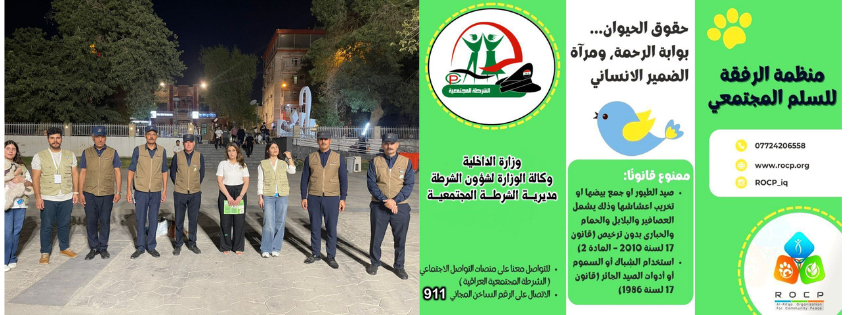
وقد سبق لمنظمة الرفقة للسلم المجتمعي أن تعاونت مع مديرية الشرطة المجتمعية في برامج توعية مجتمعية تتعلق بالقوانين النافذة وحماية الحيوان، بما يؤكد إمكانية تطوير هذه الشراكات وتحويلها إلى برامج مؤسسية مستدامة.
9. تطوير إطار قانوني وطني متكامل لحماية ورفاه الحيوان
العمل على مراجعة التشريعات والتعليمات الحالية وتحديد الثغرات القانونية المتعلقة بحماية الحيوانات ورفاهها، تمهيداً لتطوير إطار تشريعي وطني حديث وواضح يحدد معايير الحماية والرعاية والمسؤوليات والعقوبات وآليات التنفيذ، بما ينسجم مع التطورات العلمية والمعايير الدولية ذات الصلة.
إن توقيعاتنا تمثل نداءً وطنياً للانتقال من الحلول المؤقتة والعشوائية إلى سياسات علمية وقانونية وإنسانية تحمي الإنسان والحيوان والبيئة معاً.
نطالب بتطبيق القوانين النافذة، وتطوير آليات تنفيذها، وإيقاف أساليب الإبادة العشوائية، واعتماد حلول مستدامة تعالج أسباب المشكلة بدلاً من تكرارها.
الرحمة ليست خياراً... بل مسؤولية إنسانية وقانونية وصحية.
#حماية_الحيوان #العراق #القوانين_النافذة #صحة_واحدة #الرفقة
#منظمة_الرفق_للسلم_المجتمعي #تعايش #رحمة #سلام_مجتمعي #لاللعنف_نعمللتآلف
To /
The Esteemed Council of Ministers – General Secretariat
The Esteemed Iraqi Council of Representatives – Legal Committee / Health, Narcotics and Psychotropic Substances Committee / Agriculture, Water Resources, Marshes and Environment Committee
Ministry of Interior – Office of the Minister
Ministry Agency for Police Affairs
Community Police Directorate
Environmental Police
Ministry of Agriculture – Veterinary Directorate
Ministry of Environment
Ministry of Health – Public Health Directorate
Copy to /
The Esteemed Supreme Judicial Council – Presidency of Public Prosecution
For information and legal referral when appropriate.
Subject / National Call for Animal Protection, Enforcement of Existing Laws, Ending Indiscriminate Extermination Methods, and Adopting Scientific and Humane Sustainable Solutions under the One Health Approach
Based on the letter of the General Secretariat of the Council of Ministers No. (2521157) dated 18/05/2025, and the guidance it contained regarding the implementation and enforcement of existing laws related to animal and environmental protection, and in line with the One Health approach, which is based on the interconnectedness of human health, animal health, and environmental safety, we submit this urgent national call.
Different areas of Iraq continue to witness recurring cases of animals being killed, poisoned, tortured, and harmed, in addition to the filming and dissemination of some of these practices through social media platforms. This requires a clear institutional and legal response to protect society, animals, and the environment, and to strengthen the rule of law.
Methods of mass or indiscriminate killing of stray dogs also continue to be used in some areas, despite the fact that Law No. 48 of 1986 on the Control of Stray Dogs was repealed by Animal Health Law No. 32 of 2013.
Managing free-roaming animal populations and preventing rabies and zoonotic diseases requires sustainable scientific solutions based on joint action among the health, veterinary, environmental, and security sectors, rather than relying on indiscriminate extermination campaigns that do not address the root causes of the problem.
National Legal Bases
This call is based on the relevant Iraqi laws currently in force, including:
Iraqi Penal Code No. 111 of 1969, as amended, particularly the provisions related to killing, harming, and cruel treatment of animals.
Articles (482, 483, 484, 485, and 486)
Law on the Protection and Improvement of the Environment No. 27 of 2009.
Wild Animals Protection Law No. 17 of 2010.
Animal Health Law No. 32 of 2013, which regulates matters related to animal health, zoonotic diseases, vaccination, and veterinary control, and which repealed Law No. 48 of 1986 on the Control of Stray Dogs.
Urgent Executive and Legislative Demands
We, the undersigned citizens, civil society activists, civil society organizations, and individuals concerned with animal protection, public health, and the environment, call upon the competent authorities to take the following measures:
1. End Indiscriminate Extermination Methods
Stop mass and indiscriminate killing campaigns targeting stray animals through shooting or poisoning, and prevent reliance on Law No. 48 of 1986 on the Control of Stray Dogs as a legal basis for such practices after its repeal under Animal Health Law No. 32 of 2013.
Establish modern instructions and procedures for dealing with free-roaming animals in a manner that takes into account public health, animal welfare, and environmental safety.
2. Adopt Scientific and Sustainable Programs for Managing Free-Roaming Animal Populations
Officially adopt Trap-Neuter-Vaccinate-Return (TNVR) programs as a core tool within sustainable population management programs for free-roaming dogs and cats, in coordination with government veterinary authorities, licensed veterinary clinics, and specialized organizations, and in accordance with the circumstances and veterinary assessment of each area.
Expand rabies vaccination campaigns and support epidemiological surveillance and community awareness programs within the One Health approach.
3. Enforce Laws Related to Animal Abuse and Harm
Take legal action against perpetrators of animal killing, torture, and harm whenever such acts fall within the scope of existing Iraqi laws, and ensure proper documentation of cases and referral to the competent legal authorities according to the legal characterization of each case.
We also call for legal action regarding the filming and dissemination of content that documents or encourages animal torture or incites such practices, in accordance with the relevant laws in force.
4. Strengthen the Role of Community Police and Environmental Police
Strengthen the capacity of the Community Police, Environmental Police, and relevant security authorities to receive reports concerning animal abuse or related environmental violations, respond to them, document them, and refer them to the appropriate legal or veterinary authority.
5. Establish an Official and Clear Reporting Mechanism
Allocate a clear pathway for receiving reports of animal abuse and harm through the national unified number of the Ministry of Interior or any official channel adopted by the Ministry, while clearly identifying the authority responsible for receiving the report, documentation, referral, and follow-up.
Circulate procedures for handling such reports to police stations, the Community Police, the Environmental Police, and other relevant authorities.
6. Regulate and Monitor Animal Markets and Pet Shops
Strengthen oversight of animal markets, pet shops, and places where animals are housed or displayed, and ensure appropriate health, veterinary, and environmental conditions, including adequate space, water, food, ventilation, protection from weather conditions, and necessary veterinary care.
Take legal action against violations that expose animals to neglect, harm, or inhumane conditions.
7. Regulate Breeding, Trade, and Importation
Establish clear regulations governing the commercial breeding, trade, and importation of companion animals, and monitor unregulated activities that lead to animal exploitation or an increase in the number of abandoned animals on the streets.
8. Strengthen Official Partnerships with Civil Society Organizations
Strengthen institutional cooperation between government authorities and registered civil society organizations specialized in animal protection and One Health, and involve them in awareness, documentation, sterilization, vaccination, responsible adoption, and humane animal population management programs.
Al-Rifqa Organization for Community Peace has previously cooperated with the Community Police Directorate on community awareness programs related to existing laws and animal protection, demonstrating the potential to further develop such partnerships and transform them into sustainable institutional programs.
9. Develop an Integrated National Legal Framework for Animal Protection and Welfare
Review current legislation and instructions and identify legal gaps related to animal protection and welfare, with the aim of developing a modern and clear national legislative framework that defines standards for protection, care, responsibilities, penalties, and enforcement mechanisms, in line with scientific developments and relevant international standards.
Our signatures represent a national call to move from temporary and random measures toward scientific, legal, and humane policies that protect humans, animals, and the environment together.
We call for the enforcement of existing laws, the development of clear implementation mechanisms, the ending of indiscriminate extermination methods, and the adoption of sustainable solutions that address the root causes of the problem rather than repeatedly reproducing it.
Compassion is not a choice... it is a humanitarian, legal, and public health responsibility.
#AnimalProtection #Iraq #ExistingLaws #OneHealth #AlRifqa_organization #Community_Peace #Coaxistance #Mercifull
#ROCP #OneHealth #StopAnimalAbuse #TNVR #WOAH #UAR_Forum #AFA #WHO #GARC #FAO #ICAM
838
The Issue
National Call for Animal Protection in Iraq | المطالبة الوطنية لحماية الحيوانات في العراق
لتفعيل القوانين النافذة واعتماد الحلول الإنسانية والمستدامة
For the Enforcement of Existing Laws and the Adoption of Humane and Sustainable Solutions
المطالبة الوطنية لحماية الحيوان وتفعيل القوانين النافذة والحلول الإنسانية المستدامة في العراق
إلى /
مجلس الوزراء الموقر – الأمانة العامة
مجلس النواب العراقي الموقر – اللجنة القانونية / لجنة الصحة ومكافحة المخدرات والمؤثرات العقلية / لجنة الزراعة والموارد المائية والأهوار والبيئة
وزارة الداخلية – مكتب السيد الوزير
وكالة الوزارة لشؤون الشرطة
مديرية الشرطة المجتمعية
شرطة البيئة
وزارة الزراعة – دائرة البيطرة
وزارة البيئة
وزارة الصحة – دائرة الصحة العامة
نسخة منه إلى /
مجلس القضاء الأعلى الموقر – رئاسة الادعاء العام
لغرض الاطلاع والإحالة القانونية عند الاقتضاء.
الموضوع / نداء وطني لحماية الحيوان، وتفعيل القوانين النافذة، وإيقاف أساليب الإبادة العشوائية، واعتماد الحلول العلمية والإنسانية المستدامة وفق نهج الصحة الواحدة (One Health)
بالاستناد إلى كتاب الأمانة العامة لمجلس الوزراء المرقم (2521157) بتاريخ 18/05/2025 وما تضمنه من توجيه بشأن تنفيذ وتفعيل القوانين النافذة ذات الصلة بحماية الحيوان والبيئة، وانسجاماً مع نهج الصحة الواحدة (One Health) القائم على الترابط بين صحة الإنسان وصحة الحيوان وسلامة البيئة؛ نتقدم بهذه المطالبة الوطنية العاجلة.
تشهد مناطق مختلفة من العراق حالات متكررة من قتل الحيوانات وتسميمها وتعذيبها وإيذائها، فضلاً عن تصوير بعض هذه الممارسات ونشرها عبر مواقع التواصل الاجتماعي، الأمر الذي يستدعي استجابة مؤسسية وقانونية واضحة لحماية المجتمع والحيوان والبيئة وتعزيز سيادة القانون.
كما لا تزال تُستخدم في بعض المناطق أساليب القتل الجماعي أو العشوائي للكلاب السائبة، رغم أن قانون مكافحة الكلاب السائبة رقم 48 لسنة 1986 قد أُلغي بموجب قانون الصحة الحيوانية رقم 32 لسنة 2013.
إن إدارة أعداد الحيوانات الحرة، والوقاية من داء الكلب والأمراض المشتركة، تتطلب حلولاً علمية مستدامة تقوم على العمل المشترك بين القطاعات الصحية والبيطرية والبيئية والأمنية، بدلاً من الاعتماد على حملات الإبادة العشوائية التي لا تعالج جذور المشكلة.
الأسانيد القانونية الوطنية
تستند هذه المطالبة إلى القوانين العراقية النافذة ذات الصلة، ومنها:
قانون العقوبات العراقي رقم 111 لسنة 1969 المعدل، ولا سيما المواد المتعلقة بقتل الحيوانات وإيذائها ومعاملتها بقسوة.
المواد (482 و483 و484و 485 و486)
قانون حماية وتحسين البيئة رقم 27 لسنة 2009.
قانون حماية الحيوانات البرية رقم 17 لسنة 2010.
قانون الصحة الحيوانية رقم 32 لسنة 2013، الذي ينظم الجوانب المتعلقة بصحة الحيوان والأمراض المشتركة والتلقيح والرقابة البيطرية، والذي ألغى قانون مكافحة الكلاب السائبة رقم 48 لسنة 1986.
المطالب التنفيذية والتشريعية
نحن الموقعين أدناه، من مواطنين وناشطين ومنظمات مجتمع مدني ومهتمين بحماية الحيوان والصحة العامة والبيئة، نطالب الجهات المختصة باتخاذ الإجراءات الآتية:
1. إيقاف أساليب الإبادة العشوائية
إيقاف حملات القتل الجماعي والعشوائي للحيوانات السائبة بالرصاص أو السموم، ومنع الاستناد إلى قانون مكافحة الكلاب السائبة رقم 48 لسنة 1986 بوصفه أساساً قانونياً لهذه الممارسات بعد إلغائه بموجب قانون الصحة الحيوانية رقم 32 لسنة 2013.
ووضع تعليمات وإجراءات حديثة للتعامل مع الحيوانات الحرة تراعي الصحة العامة والرفق بالحيوان والسلامة البيئية.
2. اعتماد برامج علمية ومستدامة لإدارة أعداد الحيوانات الحرة
اعتماد برامج الإمساك والتعقيم والتلقيح والإعادة (TNVR) كأداة أساسية ضمن برامج الإدارة المستدامة لأعداد الكلاب والقطط الحرة، بالتنسيق مع الجهات البيطرية الحكومية والعيادات البيطرية المجازة والمنظمات المتخصصة، وبما يتناسب مع الظروف والتقييم البيطري لكل منطقة.
وتكثيف حملات التلقيح ضد داء الكلب ودعم برامج المراقبة الوبائية والتوعية المجتمعية ضمن نهج الصحة الواحدة.
3. تفعيل القوانين المتعلقة بتعنيف الحيوانات وإيذائها
اتخاذ الإجراءات القانونية بحق مرتكبي أفعال قتل الحيوانات وتعذيبها وإيذائها متى كانت هذه الأفعال واقعة ضمن نطاق القوانين العراقية النافذة، وضمان توثيق الحالات وإحالتها إلى الجهات القانونية المختصة وفق التكييف القانوني لكل واقعة.
كما ندعو إلى التعامل القانوني مع تصوير ونشر المحتوى الذي يوثق أو يشجع على تعذيب الحيوانات أو التحريض على هذه الممارسات، وفقاً للتشريعات النافذة ذات الصلة.
4. تعزيز دور الشرطة المجتمعية وشرطة البيئة
تعزيز قدرة الشرطة المجتمعية وشرطة البيئة والجهات الأمنية المختصة على استقبال البلاغات المتعلقة بتعنيف الحيوانات أو الانتهاكات البيئية المرتبطة بها، والاستجابة لها وتوثيقها وإحالتها إلى الجهة القانونية أو البيطرية المختصة.
5. اعتماد آلية رسمية وواضحة للبلاغات
تخصيص مسار واضح لاستقبال بلاغات تعنيف وإيذاء الحيوانات من خلال الرقم الوطني الموحد لوزارة الداخلية أو أي قناة رسمية تعتمدها الوزارة، مع تحديد الجهة المسؤولة عن استلام البلاغ والتوثيق والإحالة والمتابعة.
وتعميم آلية التعامل مع هذه البلاغات على مراكز الشرطة والشرطة المجتمعية وشرطة البيئة والجهات ذات العلاقة.
6. تنظيم ومراقبة أسواق ومحال بيع الحيوانات
تشديد الرقابة على أسواق ومحال بيع الحيوانات وأماكن إيوائها وعرضها، وضمان توفر الشروط الصحية والبيطرية والبيئية المناسبة، بما في ذلك المساحة الكافية والماء والغذاء والتهوية والحماية من الظروف الجوية والرعاية البيطرية اللازمة.
واتخاذ الإجراءات القانونية بحق المخالفات التي تعرض الحيوانات للإهمال أو الأذى أو الظروف غير الإنسانية.
7. تنظيم التكاثر والاتجار والاستيراد
وضع ضوابط واضحة لتنظيم التكاثر التجاري للحيوانات الأليفة والاتجار بها واستيرادها، ومراقبة الأنشطة غير النظامية التي تؤدي إلى استغلال الحيوانات أو زيادة أعداد الحيوانات المتخلى عنها في الشوارع.
8. تعزيز الشراكة مع منظمات المجتمع المدني
تعزيز التعاون المؤسسي بين الجهات الحكومية ومنظمات المجتمع المدني المسجلة والمتخصصة في مجال حماية الحيوان والصحة الواحدة، وإشراكها في برامج التوعية والتوثيق والتعقيم والتلقيح والتبني المسؤول وبرامج الإدارة الإنسانية لأعداد الحيوانات.
وقد سبق لمنظمة الرفقة للسلم المجتمعي أن تعاونت مع مديرية الشرطة المجتمعية في برامج توعية مجتمعية تتعلق بالقوانين النافذة وحماية الحيوان، بما يؤكد إمكانية تطوير هذه الشراكات وتحويلها إلى برامج مؤسسية مستدامة.
9. تطوير إطار قانوني وطني متكامل لحماية ورفاه الحيوان
العمل على مراجعة التشريعات والتعليمات الحالية وتحديد الثغرات القانونية المتعلقة بحماية الحيوانات ورفاهها، تمهيداً لتطوير إطار تشريعي وطني حديث وواضح يحدد معايير الحماية والرعاية والمسؤوليات والعقوبات وآليات التنفيذ، بما ينسجم مع التطورات العلمية والمعايير الدولية ذات الصلة.
إن توقيعاتنا تمثل نداءً وطنياً للانتقال من الحلول المؤقتة والعشوائية إلى سياسات علمية وقانونية وإنسانية تحمي الإنسان والحيوان والبيئة معاً.
نطالب بتطبيق القوانين النافذة، وتطوير آليات تنفيذها، وإيقاف أساليب الإبادة العشوائية، واعتماد حلول مستدامة تعالج أسباب المشكلة بدلاً من تكرارها.
الرحمة ليست خياراً... بل مسؤولية إنسانية وقانونية وصحية.
#حماية_الحيوان #العراق #القوانين_النافذة #صحة_واحدة #الرفقة
#منظمة_الرفق_للسلم_المجتمعي #تعايش #رحمة #سلام_مجتمعي #لاللعنف_نعمللتآلف
To /
The Esteemed Council of Ministers – General Secretariat
The Esteemed Iraqi Council of Representatives – Legal Committee / Health, Narcotics and Psychotropic Substances Committee / Agriculture, Water Resources, Marshes and Environment Committee
Ministry of Interior – Office of the Minister
Ministry Agency for Police Affairs
Community Police Directorate
Environmental Police
Ministry of Agriculture – Veterinary Directorate
Ministry of Environment
Ministry of Health – Public Health Directorate
Copy to /
The Esteemed Supreme Judicial Council – Presidency of Public Prosecution
For information and legal referral when appropriate.
Subject / National Call for Animal Protection, Enforcement of Existing Laws, Ending Indiscriminate Extermination Methods, and Adopting Scientific and Humane Sustainable Solutions under the One Health Approach
Based on the letter of the General Secretariat of the Council of Ministers No. (2521157) dated 18/05/2025, and the guidance it contained regarding the implementation and enforcement of existing laws related to animal and environmental protection, and in line with the One Health approach, which is based on the interconnectedness of human health, animal health, and environmental safety, we submit this urgent national call.
Different areas of Iraq continue to witness recurring cases of animals being killed, poisoned, tortured, and harmed, in addition to the filming and dissemination of some of these practices through social media platforms. This requires a clear institutional and legal response to protect society, animals, and the environment, and to strengthen the rule of law.
Methods of mass or indiscriminate killing of stray dogs also continue to be used in some areas, despite the fact that Law No. 48 of 1986 on the Control of Stray Dogs was repealed by Animal Health Law No. 32 of 2013.
Managing free-roaming animal populations and preventing rabies and zoonotic diseases requires sustainable scientific solutions based on joint action among the health, veterinary, environmental, and security sectors, rather than relying on indiscriminate extermination campaigns that do not address the root causes of the problem.
National Legal Bases
This call is based on the relevant Iraqi laws currently in force, including:
Iraqi Penal Code No. 111 of 1969, as amended, particularly the provisions related to killing, harming, and cruel treatment of animals.
Articles (482, 483, 484, 485, and 486)
Law on the Protection and Improvement of the Environment No. 27 of 2009.
Wild Animals Protection Law No. 17 of 2010.
Animal Health Law No. 32 of 2013, which regulates matters related to animal health, zoonotic diseases, vaccination, and veterinary control, and which repealed Law No. 48 of 1986 on the Control of Stray Dogs.
Urgent Executive and Legislative Demands
We, the undersigned citizens, civil society activists, civil society organizations, and individuals concerned with animal protection, public health, and the environment, call upon the competent authorities to take the following measures:
1. End Indiscriminate Extermination Methods
Stop mass and indiscriminate killing campaigns targeting stray animals through shooting or poisoning, and prevent reliance on Law No. 48 of 1986 on the Control of Stray Dogs as a legal basis for such practices after its repeal under Animal Health Law No. 32 of 2013.
Establish modern instructions and procedures for dealing with free-roaming animals in a manner that takes into account public health, animal welfare, and environmental safety.
2. Adopt Scientific and Sustainable Programs for Managing Free-Roaming Animal Populations
Officially adopt Trap-Neuter-Vaccinate-Return (TNVR) programs as a core tool within sustainable population management programs for free-roaming dogs and cats, in coordination with government veterinary authorities, licensed veterinary clinics, and specialized organizations, and in accordance with the circumstances and veterinary assessment of each area.
Expand rabies vaccination campaigns and support epidemiological surveillance and community awareness programs within the One Health approach.
3. Enforce Laws Related to Animal Abuse and Harm
Take legal action against perpetrators of animal killing, torture, and harm whenever such acts fall within the scope of existing Iraqi laws, and ensure proper documentation of cases and referral to the competent legal authorities according to the legal characterization of each case.
We also call for legal action regarding the filming and dissemination of content that documents or encourages animal torture or incites such practices, in accordance with the relevant laws in force.
4. Strengthen the Role of Community Police and Environmental Police
Strengthen the capacity of the Community Police, Environmental Police, and relevant security authorities to receive reports concerning animal abuse or related environmental violations, respond to them, document them, and refer them to the appropriate legal or veterinary authority.
5. Establish an Official and Clear Reporting Mechanism
Allocate a clear pathway for receiving reports of animal abuse and harm through the national unified number of the Ministry of Interior or any official channel adopted by the Ministry, while clearly identifying the authority responsible for receiving the report, documentation, referral, and follow-up.
Circulate procedures for handling such reports to police stations, the Community Police, the Environmental Police, and other relevant authorities.
6. Regulate and Monitor Animal Markets and Pet Shops
Strengthen oversight of animal markets, pet shops, and places where animals are housed or displayed, and ensure appropriate health, veterinary, and environmental conditions, including adequate space, water, food, ventilation, protection from weather conditions, and necessary veterinary care.
Take legal action against violations that expose animals to neglect, harm, or inhumane conditions.
7. Regulate Breeding, Trade, and Importation
Establish clear regulations governing the commercial breeding, trade, and importation of companion animals, and monitor unregulated activities that lead to animal exploitation or an increase in the number of abandoned animals on the streets.
8. Strengthen Official Partnerships with Civil Society Organizations
Strengthen institutional cooperation between government authorities and registered civil society organizations specialized in animal protection and One Health, and involve them in awareness, documentation, sterilization, vaccination, responsible adoption, and humane animal population management programs.
Al-Rifqa Organization for Community Peace has previously cooperated with the Community Police Directorate on community awareness programs related to existing laws and animal protection, demonstrating the potential to further develop such partnerships and transform them into sustainable institutional programs.
9. Develop an Integrated National Legal Framework for Animal Protection and Welfare
Review current legislation and instructions and identify legal gaps related to animal protection and welfare, with the aim of developing a modern and clear national legislative framework that defines standards for protection, care, responsibilities, penalties, and enforcement mechanisms, in line with scientific developments and relevant international standards.
Our signatures represent a national call to move from temporary and random measures toward scientific, legal, and humane policies that protect humans, animals, and the environment together.
We call for the enforcement of existing laws, the development of clear implementation mechanisms, the ending of indiscriminate extermination methods, and the adoption of sustainable solutions that address the root causes of the problem rather than repeatedly reproducing it.
Compassion is not a choice... it is a humanitarian, legal, and public health responsibility.
#AnimalProtection #Iraq #ExistingLaws #OneHealth #AlRifqa_organization #Community_Peace #Coaxistance #Mercifull
#ROCP #OneHealth #StopAnimalAbuse #TNVR #WOAH #UAR_Forum #AFA #WHO #GARC #FAO #ICAM
Petition Updates
Share this petition
Petition created on October 24, 2025