National Human Trafficking Day is January 11th wear blue.

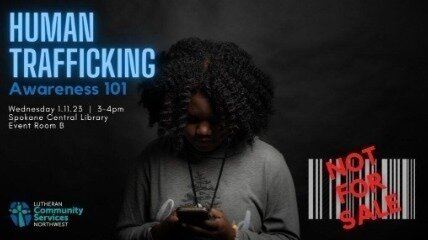
Human trafficking, also known as trafficking in persons, is a crime that involves compelling or coercing a person to provide labor or services, or to engage in commercial sex acts. The coercion can be subtle or overt, physical or psychological. Exploitation of a minor for commercial sex is human trafficking, regardless of whether any form of force, fraud, or coercion was used.
Victim-Survivors
There is no single profile of a trafficking victim. Victims of human trafficking can be anyone—regardless of race, color, national origin, disability, religion, age, gender, sexual orientation, gender identity, socioeconomic status, education level, or citizenship status. But as is the case in many crimes of exploitation and abuse, human traffickers often prey upon members of marginalized communities and other vulnerable individuals, including children in the child welfare system or children who have been involved in the juvenile justice system; runaway and homeless youth; unaccompanied children; persons who do not have lawful immigration status in the United States; Black people and other people of color; American Indians, Alaska Natives, Native Hawaiians, Pacific Islanders, and other indigenous peoples of North America; Lesbian, Gay, Bisexual, Transgender, Queer, and Intersex (LGBTQI+) individuals; migrant laborers; persons with disabilities; and individuals with substance use disorder.
Google #MissingTeamAdvocate to share this petition everywhere. Make it go viral.