Make Sign Language and Disability Inclusion Part of Medical Training in Nigeria
The Issue
The Problem
Imagine walking into a hospital in pain, frightened, or struggling to breathe, but being unable to explain your symptoms because the healthcare professional attending to you does not understand your language.
For many Deaf and hard-of-hearing Nigerians, this is a real barrier to accessing healthcare.
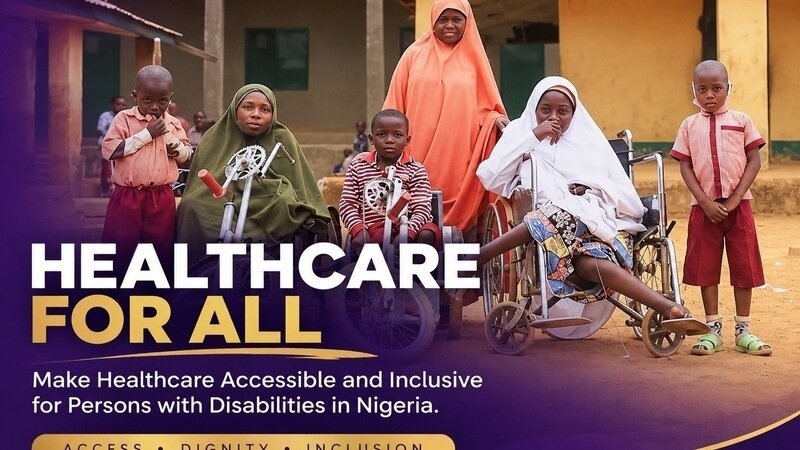
Healthcare should be accessible to everyone, regardless of disability. Yet, when healthcare professionals lack the skills, training, or resources to communicate effectively with persons with disabilities, essential services can become difficult to access.
Disability inclusion must go beyond ramps, accessible buildings, and public awareness campaigns. It must also include communication, dignity, informed consent, confidentiality, and equal access to quality healthcare.
One practical step is to introduce Nigerian Sign Language education and disability-inclusive communication into the education and professional development of healthcare workers.
What We Are Calling For
We call on the relevant government ministries, healthcare regulatory bodies, universities, and professional training institutions in Nigeria to:
Integrate Nigerian Sign Language into healthcare education: Introduce foundational sign language training into the curricula of medical schools, nursing schools, schools of medical laboratory science, pharmacy, physiotherapy, public health, and other health-related programmes.
Provide continuing professional development: Establish accessible, practical training in sign language and disability-inclusive communication for practising healthcare professionals.
Strengthen access to qualified interpreters: Ensure that healthcare facilities have reliable access to qualified sign language interpreters, particularly during consultations, emergencies, informed consent, and other critical interactions.
Promote disability-inclusive healthcare policies: Strengthen the implementation of existing disability rights protections and establish clear standards for accessible communication in healthcare facilities.
Involve persons with disabilities in decision-making: Engage Deaf people and other persons with disabilities in developing curricula, training materials, policies, and healthcare service standards that directly affect them.
Monitor implementation and accountability: Encourage relevant authorities to establish measurable targets, implementation timelines, and mechanisms for assessing progress in disability-inclusive healthcare education and service delivery.
Why This Matters
A healthcare system cannot claim to serve everyone if some patients cannot communicate effectively with the professionals responsible for their care.
Sign language training will not solve every barrier faced by persons with disabilities, and it should not replace access to qualified interpreters. However, it can be an important step towards improving communication, reducing avoidable misunderstandings, respecting patient autonomy, and promoting equitable healthcare.
Disability inclusion is not charity. It is a matter of rights, dignity, accessibility, and quality of care.
Our Demand
We urge the relevant Nigerian government institutions, healthcare regulatory bodies, universities, and professional associations to take concrete steps towards integrating Nigerian Sign Language and disability-inclusive communication into healthcare education and professional training.
We also call for meaningful consultation with the Deaf community and other persons with disabilities throughout the process.
Sign this petition to support a Nigerian healthcare system where every patient can be heard, understood, respected, and treated with dignity.
10
The Issue
The Problem
Imagine walking into a hospital in pain, frightened, or struggling to breathe, but being unable to explain your symptoms because the healthcare professional attending to you does not understand your language.
For many Deaf and hard-of-hearing Nigerians, this is a real barrier to accessing healthcare.
Healthcare should be accessible to everyone, regardless of disability. Yet, when healthcare professionals lack the skills, training, or resources to communicate effectively with persons with disabilities, essential services can become difficult to access.
Disability inclusion must go beyond ramps, accessible buildings, and public awareness campaigns. It must also include communication, dignity, informed consent, confidentiality, and equal access to quality healthcare.
One practical step is to introduce Nigerian Sign Language education and disability-inclusive communication into the education and professional development of healthcare workers.
What We Are Calling For
We call on the relevant government ministries, healthcare regulatory bodies, universities, and professional training institutions in Nigeria to:
Integrate Nigerian Sign Language into healthcare education: Introduce foundational sign language training into the curricula of medical schools, nursing schools, schools of medical laboratory science, pharmacy, physiotherapy, public health, and other health-related programmes.
Provide continuing professional development: Establish accessible, practical training in sign language and disability-inclusive communication for practising healthcare professionals.
Strengthen access to qualified interpreters: Ensure that healthcare facilities have reliable access to qualified sign language interpreters, particularly during consultations, emergencies, informed consent, and other critical interactions.
Promote disability-inclusive healthcare policies: Strengthen the implementation of existing disability rights protections and establish clear standards for accessible communication in healthcare facilities.
Involve persons with disabilities in decision-making: Engage Deaf people and other persons with disabilities in developing curricula, training materials, policies, and healthcare service standards that directly affect them.
Monitor implementation and accountability: Encourage relevant authorities to establish measurable targets, implementation timelines, and mechanisms for assessing progress in disability-inclusive healthcare education and service delivery.
Why This Matters
A healthcare system cannot claim to serve everyone if some patients cannot communicate effectively with the professionals responsible for their care.
Sign language training will not solve every barrier faced by persons with disabilities, and it should not replace access to qualified interpreters. However, it can be an important step towards improving communication, reducing avoidable misunderstandings, respecting patient autonomy, and promoting equitable healthcare.
Disability inclusion is not charity. It is a matter of rights, dignity, accessibility, and quality of care.
Our Demand
We urge the relevant Nigerian government institutions, healthcare regulatory bodies, universities, and professional associations to take concrete steps towards integrating Nigerian Sign Language and disability-inclusive communication into healthcare education and professional training.
We also call for meaningful consultation with the Deaf community and other persons with disabilities throughout the process.
Sign this petition to support a Nigerian healthcare system where every patient can be heard, understood, respected, and treated with dignity.
Petition Updates
Share this petition
Petition created on 13 October 2026