Appeal to the European Parliament Regarding UPA and Assaults on Ukrainians in Poland
The Issue
Update Monday, 10 August 2026
We note with regret that the amendment to the report on Ukraine which condemned the naming of a military unit after UPA was supported. We are therefore asking the European Parliament to:
- note that wording of the amendment “MEPs regret the disregard for Polish sensitivities and grief and… undermines… renewed efforts in good faith towards reconciliation.” is based on a selective account which overlooks Polish crimes against Ukrainians
- That there is a growing incidence of violent assaults on Ukrainians in Poland linked to chauvinism fueled by this biased account of history. "Police received 180 reports of alleged hate crimes against Ukrainian citizens in the first half of the year, an increase of more than 30%."
- That the biased account promoted by Poland diplomatically and endorsed by the EU emerged as part of a russian disinformation campaign as proved by texty.org.ua
- That the Polish government and the European Parliament have become weaponised by russia against Ukraine in consequence of adopting this resolution
We therefore request that;
- The Parliament repeals ill-considered resolution and call upon Poland and Ukraine to collaborate against the modern threat of Russia, treating all the historical casualties of this tragic era as “ours” as per the work of the professional team of historians led by Igor Halagida.
-
Notes that Poland gained full control over these areas in 1923 when it partitioned Ukraine via treaty with Soviet Russia breaking treaties with the Ukrainian state and bears primary responsibility for the conflict prior to WW2.
-
Notes that a brutal campaign of state terror known as “Pacification” followed in 1930, during which the Polish state tried to erase Ukrainian culture.hundreds of Ukrainian schools, community centers, and libraries were closed or destroyed, and people were savagely beaten. Restrictions were imposed on the Ukrainian language, and Polish veterans (osadnicy) were settled in Ukrainian areas.
-
Notes that in WWII, mutual killings began in which Poles and Ukrainians in partisan units, in lynch mobs, and in Nazi formations killed each other. The notion that Poles merely committed justified, retaliatory killings of Ukrainians is a blatant distortion of a complex history.
- Notes that the commission of war crimes by some in an armed unit does not lessen the right of a nation to venerate others in its ranks who fought for independence and asks both Poland and Ukraine to respect each other's sensitivities.
Please share and support this updated version of the petition and my article here
Appeal to the European Parliament Regarding the Motion to Condemn the Ukrainian Insurgent Army (UPA)
We call upon the European Parliament to reject the motion to condemn the Ukrainian Insurgent Army (UPA) for the massacres of Polish civilians. This resolution fails to reflect complex historical truths, harms contemporary Polish-Ukrainian reconciliation efforts, and undermines broader European security.
Context of Mutual Atrocities and Occupation
Historical analysis shows that the conflict cannot be viewed in isolation from the initial Polish occupation of Western Ukraine following World War I. Research published by the Institute of History of Ukraine details that during the 1918–1920 conflict, both sides actively committed severe atrocities against civilian populations. As documented in Stephen Velychenko's study, Polish Excesses and Atrocities against Ukrainians in Western Ukraine 1918-20, Polish troops, irregular forces, and vigilantes carried out systemic campaigns of terror, looting, and violence against Ukrainian civilians. [1, 2, 3]
The demographic impact of this initial occupation period is stark: between 1910 and 1921, the Ukrainian population in Western Ukraine decreased by an estimated 457,000 people. While part of this shift stems from wartime migration and changing census registrations, it also reflects the severe impact of Polish oppression and the systemic attempt to suppress Ukrainian identity during the subsequent "pacification" eras. The pacification saw the wholesale destruction of Ukrainian cultural instititutions. As noted in reports such as the linked text published in 1931 Ukrainian villages were subject to a reign of terror with the aim of rendering a distinct Ukrainian cultural life impossible
Disputed Victim Tolls and Documentation
The resolution relies heavily on unverified data. The frequently cited figure of 100,000 Polish victims lacks a rigorous empirical foundation; objective historians suggest the real total may be closer to 50,000. Furthermore, historical evidence proves that a significant portion of the Poles included in these figures were not killed by the UPA, making the resolution's current wording a factual fabrication.
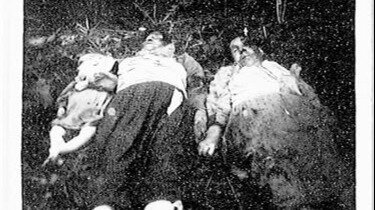
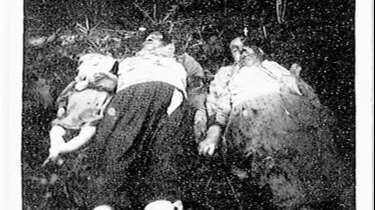
Concurrently, the historical erasure of Ukrainian victims must be corrected. The ongoing "Remember Every Individual" documentation project led by historian Igor Halagida at the Ukrainian Catholic University has identified approximately 29,000 Ukrainian civilians murdered by Polish partisan units, self-defense groups, and other military formations, including those operating under Nazi control during World War II (the photograph via historian Myroslav Iwanek shows an image of such Ukrainian victims). The project is currently identifying Ukrainians victims of Polish perpetrators by name.. Condemning one side while completely erasing the victims of the other will only inflame regional tensions. We urge that all the victims of the Polish Ukrainian conflict from the moment Poland occupied West Ukraine be remembered-
A Call for Joint Dialogue and European Unity
A unilateral political resolution will not bring justice. We urge the European Parliament to champion a constructive path forward:
Historian-Led Dialogue: Shift the evaluation of these tragic events away from political bodies and into joint bilateral commissions of Ukrainian and Polish historians.
Shared Memorialization: Support the development of inclusive memorials dedicated to honoring all civilian victims of the conflict, regardless of their nationality.
Return to Reconciliation: Reclaim the historic, mutual formula of "We forgive and ask for forgiveness."
Politicizing historical trauma during an active war in Europe plays directly into hostile hands. The daily mass murder of Ukrainians by Russian forces in Kyiv serves as a stark reminder of the existential threat facing the region. Allowing Moscow to exploit weaponized nationalism will split European solidarity, ignite secondary regional conflicts, and pave the way for a destabilized, fractured Europe.

577
The Issue
Update Monday, 10 August 2026
We note with regret that the amendment to the report on Ukraine which condemned the naming of a military unit after UPA was supported. We are therefore asking the European Parliament to:
- note that wording of the amendment “MEPs regret the disregard for Polish sensitivities and grief and… undermines… renewed efforts in good faith towards reconciliation.” is based on a selective account which overlooks Polish crimes against Ukrainians
- That there is a growing incidence of violent assaults on Ukrainians in Poland linked to chauvinism fueled by this biased account of history. "Police received 180 reports of alleged hate crimes against Ukrainian citizens in the first half of the year, an increase of more than 30%."
- That the biased account promoted by Poland diplomatically and endorsed by the EU emerged as part of a russian disinformation campaign as proved by texty.org.ua
- That the Polish government and the European Parliament have become weaponised by russia against Ukraine in consequence of adopting this resolution
We therefore request that;
- The Parliament repeals ill-considered resolution and call upon Poland and Ukraine to collaborate against the modern threat of Russia, treating all the historical casualties of this tragic era as “ours” as per the work of the professional team of historians led by Igor Halagida.
-
Notes that Poland gained full control over these areas in 1923 when it partitioned Ukraine via treaty with Soviet Russia breaking treaties with the Ukrainian state and bears primary responsibility for the conflict prior to WW2.
-
Notes that a brutal campaign of state terror known as “Pacification” followed in 1930, during which the Polish state tried to erase Ukrainian culture.hundreds of Ukrainian schools, community centers, and libraries were closed or destroyed, and people were savagely beaten. Restrictions were imposed on the Ukrainian language, and Polish veterans (osadnicy) were settled in Ukrainian areas.
-
Notes that in WWII, mutual killings began in which Poles and Ukrainians in partisan units, in lynch mobs, and in Nazi formations killed each other. The notion that Poles merely committed justified, retaliatory killings of Ukrainians is a blatant distortion of a complex history.
- Notes that the commission of war crimes by some in an armed unit does not lessen the right of a nation to venerate others in its ranks who fought for independence and asks both Poland and Ukraine to respect each other's sensitivities.
Please share and support this updated version of the petition and my article here
Appeal to the European Parliament Regarding the Motion to Condemn the Ukrainian Insurgent Army (UPA)
We call upon the European Parliament to reject the motion to condemn the Ukrainian Insurgent Army (UPA) for the massacres of Polish civilians. This resolution fails to reflect complex historical truths, harms contemporary Polish-Ukrainian reconciliation efforts, and undermines broader European security.
Context of Mutual Atrocities and Occupation
Historical analysis shows that the conflict cannot be viewed in isolation from the initial Polish occupation of Western Ukraine following World War I. Research published by the Institute of History of Ukraine details that during the 1918–1920 conflict, both sides actively committed severe atrocities against civilian populations. As documented in Stephen Velychenko's study, Polish Excesses and Atrocities against Ukrainians in Western Ukraine 1918-20, Polish troops, irregular forces, and vigilantes carried out systemic campaigns of terror, looting, and violence against Ukrainian civilians. [1, 2, 3]
The demographic impact of this initial occupation period is stark: between 1910 and 1921, the Ukrainian population in Western Ukraine decreased by an estimated 457,000 people. While part of this shift stems from wartime migration and changing census registrations, it also reflects the severe impact of Polish oppression and the systemic attempt to suppress Ukrainian identity during the subsequent "pacification" eras. The pacification saw the wholesale destruction of Ukrainian cultural instititutions. As noted in reports such as the linked text published in 1931 Ukrainian villages were subject to a reign of terror with the aim of rendering a distinct Ukrainian cultural life impossible
Disputed Victim Tolls and Documentation
The resolution relies heavily on unverified data. The frequently cited figure of 100,000 Polish victims lacks a rigorous empirical foundation; objective historians suggest the real total may be closer to 50,000. Furthermore, historical evidence proves that a significant portion of the Poles included in these figures were not killed by the UPA, making the resolution's current wording a factual fabrication.
Concurrently, the historical erasure of Ukrainian victims must be corrected. The ongoing "Remember Every Individual" documentation project led by historian Igor Halagida at the Ukrainian Catholic University has identified approximately 29,000 Ukrainian civilians murdered by Polish partisan units, self-defense groups, and other military formations, including those operating under Nazi control during World War II (the photograph via historian Myroslav Iwanek shows an image of such Ukrainian victims). The project is currently identifying Ukrainians victims of Polish perpetrators by name.. Condemning one side while completely erasing the victims of the other will only inflame regional tensions. We urge that all the victims of the Polish Ukrainian conflict from the moment Poland occupied West Ukraine be remembered-
A Call for Joint Dialogue and European Unity
A unilateral political resolution will not bring justice. We urge the European Parliament to champion a constructive path forward:
Historian-Led Dialogue: Shift the evaluation of these tragic events away from political bodies and into joint bilateral commissions of Ukrainian and Polish historians.
Shared Memorialization: Support the development of inclusive memorials dedicated to honoring all civilian victims of the conflict, regardless of their nationality.
Return to Reconciliation: Reclaim the historic, mutual formula of "We forgive and ask for forgiveness."
Politicizing historical trauma during an active war in Europe plays directly into hostile hands. The daily mass murder of Ukrainians by Russian forces in Kyiv serves as a stark reminder of the existential threat facing the region. Allowing Moscow to exploit weaponized nationalism will split European solidarity, ignite secondary regional conflicts, and pave the way for a destabilized, fractured Europe.
Supporter Voices
Petition Updates
Share this petition
Petition created on 6 July 2026