

ร่วมสนับสนุน วัสดุที่ใช้ซ้ำแทนการใช้แล้วทิ้งในร้านอาหาร ทำได้ง่าย ทำได้จริง ร่างกฏหมายได้
ประเด็นรณรงค์
หากไม่มีอีเมล สามารถสนับสนุนผ่านทางนี้ได้ครับ คลิกเลย
เนื้อหาย่อ
ประเทศไทยสร้างขยะวันล่ะ 78,000,000 กก
ตอนนี้เราใช้วิธีไหนจัดการกับมันอยู่? ขยะทิ้งใส่ถังแล้วจบจริงหรอ? ไมโครพลาสติกมันแอบวนกลับมาในอาหารได้ยังไง?
แล้วถ้าขยะเพิ่มขึ้นอีกล่ะ? แล้วผลกระทบจะเป็นอย่างไรบ้างนะ? ใครจะเป็นคนจ่ายค่าจัดการ? (ใบ้ให้ว่าทุกคน)
เป้าหมาย : ลดและในท้ายสุดยกเลิก การใช้วัสดุใช้ครั้งเดียว เวลาทานในร้าน เช่น ช้อนซ้อมพลาสติก,แก้ว,อื่นๆ
สามารถนำไปสู่กฎหมายจริง เหมือนประเทศพัฒนาแล้วได้
อยากขอแรงทุกคนที่เห็นด้วยช่วยกันลงชื่อ จริงๆไม่ต้องคิดไกล คิดว่าทำเพื่อตัวเองก็ได้ เพราะว่ามันไม่สำเร็จ ถึงจุดนึง ค่าใช้จ่ายการจัดขยะจะต้องกลับมาเก็บจากภาษีทั้งทางตรงและทางอ้อมจากทุกคน
--------------------------------------------
สงกรานต์จะไม่ใช่เดือนที่ร้อนที่สุดอีกต่อไป ต่อจากนี้ ทุกเดือนจะเดือดเหมือนสงกรานต์
ฝุ่น PM ที่เยอะจนเครื่องวัดไม่ได้ที่เชียงใหม่ จะไม่หยุดแค่เชียงใหม่ แต่อาจคลุมทั้งประเทศ PM 200 ทุกวันไม่เกินจริง
ถ้าโชคดี ฝุ่นไม่เยอะ อาจจะเจอน้ำท่วมแทน ลง BTS มาแล้วเจอน้ำครึ่งเข่า นึกไม่ออกเหมือนกันจะใช้ชีวิตยังไง
ทุกคนต้องออกนอกบ้าน เราไม่สามารถเปิดแอร์ เครื่องกรอง หรือสูบน้ำออก ได้ตลอดเวลา ถ้าเราไม่ช่วยกันเหตุเหล่านี้จะเกิดกับทุกคน มันจึงเป็นเรื่องของทุกคน ไม่ต้องนึกถึงเต่าทะเลที่โดนขยะ หรือน้ำแข็งละลายเลย อย่างน้อยที่สุดทำเปิดตัวเองในอนาคตและลูกหลาน
ร่วมมือกัน จัดการที่ต้นเหตุ เริ่มที่ก้าวเล็กๆ ทวงคืนวัสดุที่ใช้ซ้ำ แทนวัสดุใช้ครั้งเดียว
ลดขยะ ใช้ซ้ำ ยั่งยืน เพื่อโลกของเรา
เนื้อหาเต็ม
ประเทศไทยของเรากำลังเผชิญกับปัญหาสิ่งแวดล้อมที่ท้าทาย ไม่ต่างจากประเทศอื่นๆ ทั่วโลก ไม่ว่าจะเป็นอุณหภูมิที่สูงขึ้น ขยะที่ล้นหลั่งตามสถานที่ต่างๆ วิธีการบริโภคและทิ้งขยะของเรามีผลกระทบต่อโลกใบนี้โดยตรง หลายครั้งเราอาจมองข้ามผลกระทบต่อสิ่งแวดล้อมจากการซื้อของ โดยคิดว่าความรับผิดชอบสิ้นสุดแค่ตอนจ่ายเงิน แต่จริงๆแล้ว มันส่งผลกระทบต่อสิ่งแวดล้อมอยู่โดยไม่มีคนสนใจ แค่ในกทม. มีการสร้างขยะ 12,000 ตัน ต่อวัน หากไม่จัดการ ขยะเหล่านี้จะกลับมาจัดการเราแน่นอน ทั้งค่าใช้จ่าย สิ่งแวดล้อม มลพิษ จะกลับมาถึงเรา
เราคุ้นเคยกันดีกับ "3Rs: Reduce (ลด), Reuse (ใช้ซ้ำ), Recycle (รีไซเคิล)" แต่ในช่วงหลัง การรีไซเคิลถูกเน้นย้ำมากเป็นพิเศษ ทั้งที่จริงๆ มันคือการแก้ปัญหาที่ปลายเหตุ ในทางปฎิบัติการลดการบริโภคจะเป็นเรื่องที่ยาก แต่จริงๆแล้วยังมีอีกหลายวิธีที่ช่วยแก้ปัญหาได้โดยไม่ต้องลดการบริโภคโดยตรง การแบนวัสดุอย่างก็เป็นอีกแนวที่ดี จำกรณีถุงผ้าได้ไหม คนเปลี่ยนมาใช้อย่างแพร่หลายมากขึ้นตอนที่มีการประกาศห้ามใช้ถุงพลาสติก แต่การเปลี่ยนแปลงที่รุนแรงเช่นนี้ ยากต่อการปรับตัวสำหรับทั้งประชาชนและร้านค้า
นี่คือเหตุผลของการรณรงค์นี้ เรามีทางเลือกที่ดีกว่าและเหมาะกับประเทศไทยและทุกคน ทั้งยังสามารถเริ่มใช้ได้จริง แต่สร้างผลกระทบได้มาก: มาเลิกใช้บรรจุภัณฑ์แบบใช้ครั้งเดียว เมื่อรับประทานอาหารภายในร้านอาหาร คาเฟ่ หรือโรงอาหารกันเถอะ ซึ่งวิธีนี้นอกจากจะไม่ได้ลดความสะดวกสบายอะไรแล้ว ยังเพิ่มประสบการณ์การรับประทานอาหารที่ดีขึ้นด้วย
ลองนึกภาพเราไปทานอาหารมื้อหรู แต่กลับได้ใช้ช้อนส้อมพลาสติก มันดูไม่หรูหราเลย ใช่ไหมล่ะ? หรือ นึกภาพเวลาใช้มีดพลาสติกหั่นสเต็กหรือไก่ทอดบนถาดกระดาษดูสิ ไม่เวิร์คเลย อย่างว่าแต่ความหรูหรา บางทีมันหั่นไม่ขาดด้วยซ้ำ
วิธีนี้ ส่งผลดี ต่อทุกคน
- สิ่งแวดล้อม: แน่นอน ขยะน้อยลง ยั่งยืนมากขึ้น จัดการง่ายขึ้น
- ลูกค้า: ประสบการณ์ที่ดีขึ้น (ไม่ต้องใช้พลาสติกเปราะๆ อีกต่อไป!)
- ร้านค้า: ภาพลักษณ์ที่ดี! เป็นร้านค้าที่รับผิดชอบต่อสิ่งแวดล้อม! ประหยัดงบในระยะยาว เพราะใช้ซ้ำได้
แนวทางนี้ ช่วยให้ทั้งร้านค้าและลูกค้าสามารถปรับตัวได้อย่างราบรื่น สร้างประสบการณ์การรับประทานอาหารที่ยั่งยืนยิ่งขึ้นในประเทศไทย โดยไม่ต้องมีการเปลี่ยนแปลงอะไรมากมาย มาเริ่มต้นจากสิ่งเล็กๆ แล้วสร้างความเปลี่ยนแปลงอันยิ่งใหญ่ไปด้วยกัน!
เป้าหมาย
- การใช้มาตราการที่ใช้ได้จริง รวดเร็ว และสร้างผลลัพธ์ได้
ลดการใช้บรรจุภัณฑ์แบบใช้ครั้งเดียว เพื่อหยุดปัญหาตั้งแต่ต้น เนื่องจากการแยกขยะเป็นเรื่องยาก ทั้งในการบังคับใช้และปฏิบัติจริงในประเทศไทย - สร้างการตระหนักรู้เกี่ยวกับปัญหาการจัดการขยะ และแนะนำแนวคิด "ต้นทุนภายนอก" (Externality Cost) ซึ่งคนไทยยังไม่คุ้นเคย
เป้าหมายสูงสุด
- ออกกฎหมายห้ามใช้พลาสติกแบบใช้ครั้งเดียวในร้านอาหาร/คาเฟ่/ฯลฯ ที่รับประทานภายในร้าน (ยังอนุญาตให้ซื้อกลับ) เพื่อให้บรรลุเป้าหมายนี้ เราต้องการผู้สนับสนุน อย่างน้อย 10,000 คน เพื่อเสนอ กฎหมายฉบับใหม่นี้
ขอบคุณภาพจาก ilaw.or.th
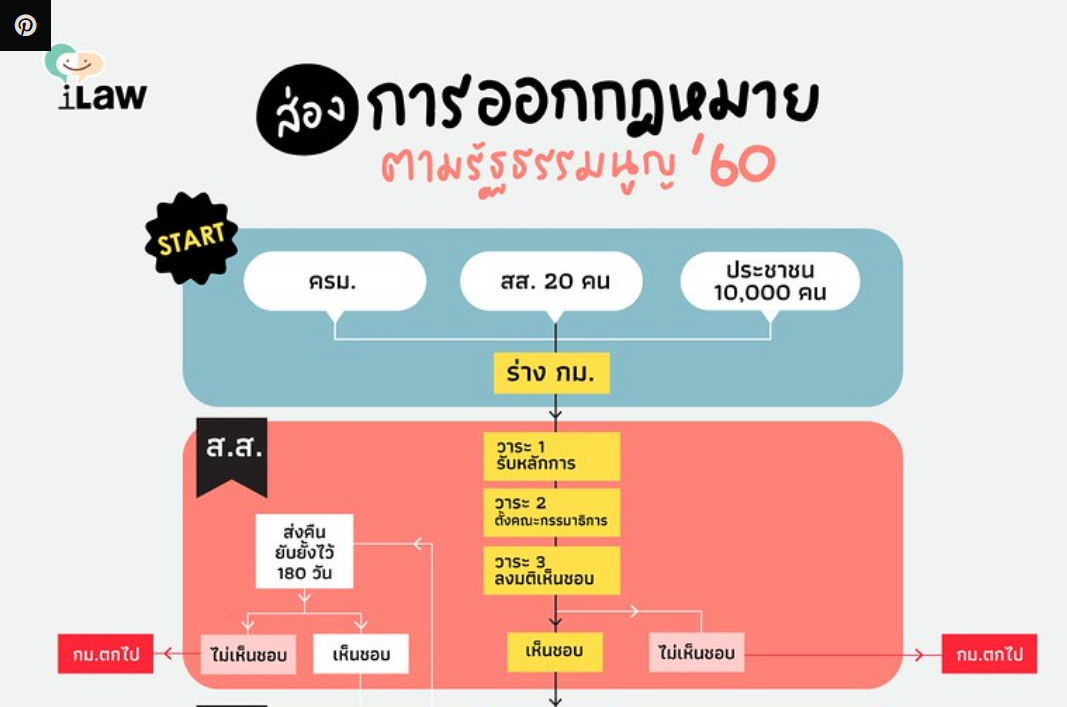
ทำไมวิธีนี้ถึงประสบความสำเร็จ
- ความรุนแรงต่อธุรกิจต่ำ ช่วยสิ่งแวดล้อมได้มาก ธุรกิจ มีเวลาในช่วงเวลาการเปลี่ยนผ่าน ทั้งสำหรับร้านค้า ผู้ผลิต และลูกค้า
- ไม่ใช่การหักดิบ สินค้าซื้อกลับบ้าน (Takeaways) ยังคงอนุญาตให้ซื้อกลับบ้านได้
- มุมลูกค้า: แทบไม่เปลี่ยนแปลงพฤติกรรมของลูกค้าเพียง ลูกค้าส่วนใหญ่ที่เลือกนั่งทานที่ร้าน มักจะยินดีกับภาชนะที่แข็งแรงทนทานและใช้ได้จริงอยู่แล้วและมีดูดีกว่าด้วย นึก ภาพแก้วพลาสติกกับแก้วจริงๆ ดังนั้น ประสบการณ์ของลูกค้าจะดีขึ้น
- มุมธุรกิจ: ผลกระทบต่อโครงสร้างต้นทุนธุรกิจน้อย และเป็นผลดีด้วยในระยะยาว เมื่อเทียบกับแคมเปญด้านสิ่งแวดล้อมอื่นๆ ที่ต้องใช้เงินลงทุนมหาศาล เช่น การเปลี่ยนมาใช้วัสดุคงทน สามารถคืนทุนอย่างรวดเร็ว
- การประหยัดค่าใช้จ่ายในการจัดการขยะ ในอนาคตอันใกล้นี้ ค่าใช้จ่ายการจัดการขยะจะสูงขึ้นอยากมาก หากไม่รีบปรับ ทั้งรัฐและเอกชนต้องรบต้นทุนส่วนนี้เพิ่มอยู่ดี การเริ่มจะเป็นแต้มต่อธุรกิจไว้ต่อรองกับรัฐได้ดีกว่า
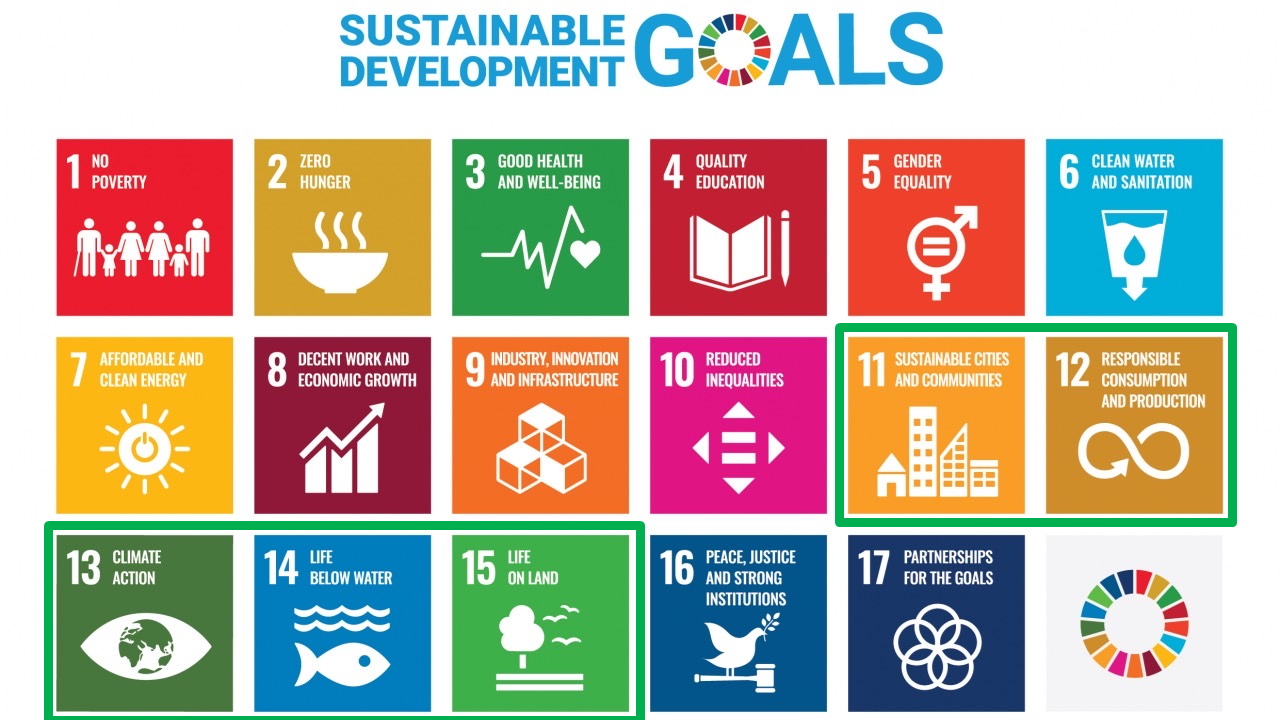
- สำคัญที่สุดคือ แคมเปญนี้สอดคล้องกับ เป้าหมายการพัฒนาที่ยั่งยืน (Sustainable Development Goals: SDGs) ที่ได้รับรองจาก 193 ประเทศทั่วโลก ประเทศที่ลงมือก่อนจะเป็นต้นเทรนของเป้าหมายนี้ และเป็นเทรนที่พร้อมต้องทำตามในอนาคตอันใกล้
- แคมเปญนี้เกี่ยวข้องกับ ข้อ 11-15 โดยตรง โดยคำนึกถึงการดูแลสิ่งแวดล้อม ชุมชนและการบริโภคอย่างมีความรับผิดชอบ เพราะหากไม่แล้ว ผลที่ตามมานั้นอาจรุนแรงถึงชีวิตของทั้งชุมชนและประเทศ
-----------------------------
English
Summary
Thailand generates 78,000,000 kg of waste per day.
Do you think we successfully managed it?
What if that number skyrockets in the upcoming years
How much time, money, and energy we have to invest to just manage it?
What would be the impact, will we still be able to manage it?
----------------------------------------------------
Songkran won’t be the hottest month anymore, every month will be as hot. 45° Celsius is not a joke!
PM and air pollution won’t be just a Chiang Mai problem, we will all get that 200 on PM meter soon enough throughout the country
If you’re lucky enough not to get air pollution, a flood will come to you instead. Would that affect your lifestyle?
Whether you’re rich or poor; adult or child; or which gender or political idea you have. ALL will be affected
The rich can’t just move their lands, hotels, or plants as there is nowhere to go
The middle class, preparing for the rise in living expenses: medical, utility, food, and others
The poor, will the most to be affected. The suitable air and temperature won’t be free anymore and just don’t mention working conditions; it will be worst
We cannot have our AC, air purifier, or water pump running 24/7 for free. How can we deal with it? We can’t, but we can prevent it.
Join hands. Fix the root cause. Start with baby steps.
No more single use in Dine In. For our world. For Us. For our children.
Full Content
Thailand, along with the rest of the world, faces a pressing environmental challenge. From rising temperatures to overflowing landfills, the way we consume and dispose of things is taking a toll on our planet. Often, we overlook the environmental cost of everyday purchases, assuming responsibility ends at the checkout line. This creates a hidden impact that needs to be addressed.
While solutions like reducing consumption can be difficult, there are ways we can make a significant difference with smaller, more manageable steps. We've all heard of the "3 Rs": Reduce, Reuse, Recycle. Lately, recycling has taken center stage, but it's more like treating the symptoms than the root cause.
Banning certain materials entirely can be another approach, but such drastic changes can be tough for people and businesses to adapt to. Remember the cloth bag movement? While some switched willingly, widespread adoption only happened after the plastic bag ban was implemented. However, such bans can put a strain on industries that rely on single-use items.
What we propose is a simpler solution with a big impact: Let's move away from single-use packaging when dining in restaurants, cafes, and canteens. This doesn't have to compromise the dining experience. In fact, imagine enjoying a fancy meal served with flimsy plastic forks and spoons – not exactly luxurious, is it? We need utensils that can actually cut a steak without breaking!
This BENEFITS everyone
Environment: Less waste! More sustainable
Customers: Better experience (no more flimsy plastic!)
Businesses: Positive image – responsible and environmentally friendly!
This approach offers a smooth transition for businesses and customers, creating a more sustainable dining experience in Thailand without drastic changes. Let's start small and make a big difference, together.
Objective
- Adopt fast, practical, and effective measures without compromising the usual lifestyle
- Reduce the usage of single-use packages stopping the issue from its root cause because trash segregation is hard to both enforce and practice in a Thailand environment
- Bring awareness to waste management issues and hidden cost and introduce the externality cost concept which Thais are not familiar with
- END Goal - to legislate a law banning the usage of single-use plastic in dine-in restaurants/cafes/etc. (still allow for takeaways). To achieve this we need 10,000 supporters to propose this new law.
Why would this work
- Less strain and more room to compromise on the transition period for both business and customers. Takeaways are still allowed
- Minimal impact on business cost structure. Compared to other environmental campaign which requires huge investments, this one is a small expense procuring reusable packaging like ceramic or steel which is relatively cheap in Thailand and actually can break even within a year compared to single-use packaging.
- Minor to no change for customers. Customers who choose to dine in are mostly happy with a solid package like glass or steel knives rather than paper cups or plastic knives. Thus, customers' experience is actually enhanced while the store can also support takeaway orders with the usual method.
- Big expenses saved from the waste management budget could potentially be spent as a subsidy during the transition.
- The key point is that this campaign aligns with the Sustainable Development Goals (SDGs), recognized by 193 countries worldwide. It directly relates to goals 11-15, focusing on environmental care, communities, and responsible consumption. Taking action early is crucial, as it sets the trend for future implementation and helps prevent severe consequences for both communities and countries.
Ref: https://www.sdgmove.com/intro-to-sdgs/

2,421
ประเด็นรณรงค์
หากไม่มีอีเมล สามารถสนับสนุนผ่านทางนี้ได้ครับ คลิกเลย
เนื้อหาย่อ
ประเทศไทยสร้างขยะวันล่ะ 78,000,000 กก
ตอนนี้เราใช้วิธีไหนจัดการกับมันอยู่? ขยะทิ้งใส่ถังแล้วจบจริงหรอ? ไมโครพลาสติกมันแอบวนกลับมาในอาหารได้ยังไง?
แล้วถ้าขยะเพิ่มขึ้นอีกล่ะ? แล้วผลกระทบจะเป็นอย่างไรบ้างนะ? ใครจะเป็นคนจ่ายค่าจัดการ? (ใบ้ให้ว่าทุกคน)
เป้าหมาย : ลดและในท้ายสุดยกเลิก การใช้วัสดุใช้ครั้งเดียว เวลาทานในร้าน เช่น ช้อนซ้อมพลาสติก,แก้ว,อื่นๆ
สามารถนำไปสู่กฎหมายจริง เหมือนประเทศพัฒนาแล้วได้
อยากขอแรงทุกคนที่เห็นด้วยช่วยกันลงชื่อ จริงๆไม่ต้องคิดไกล คิดว่าทำเพื่อตัวเองก็ได้ เพราะว่ามันไม่สำเร็จ ถึงจุดนึง ค่าใช้จ่ายการจัดขยะจะต้องกลับมาเก็บจากภาษีทั้งทางตรงและทางอ้อมจากทุกคน
--------------------------------------------
สงกรานต์จะไม่ใช่เดือนที่ร้อนที่สุดอีกต่อไป ต่อจากนี้ ทุกเดือนจะเดือดเหมือนสงกรานต์
ฝุ่น PM ที่เยอะจนเครื่องวัดไม่ได้ที่เชียงใหม่ จะไม่หยุดแค่เชียงใหม่ แต่อาจคลุมทั้งประเทศ PM 200 ทุกวันไม่เกินจริง
ถ้าโชคดี ฝุ่นไม่เยอะ อาจจะเจอน้ำท่วมแทน ลง BTS มาแล้วเจอน้ำครึ่งเข่า นึกไม่ออกเหมือนกันจะใช้ชีวิตยังไง
ทุกคนต้องออกนอกบ้าน เราไม่สามารถเปิดแอร์ เครื่องกรอง หรือสูบน้ำออก ได้ตลอดเวลา ถ้าเราไม่ช่วยกันเหตุเหล่านี้จะเกิดกับทุกคน มันจึงเป็นเรื่องของทุกคน ไม่ต้องนึกถึงเต่าทะเลที่โดนขยะ หรือน้ำแข็งละลายเลย อย่างน้อยที่สุดทำเปิดตัวเองในอนาคตและลูกหลาน
ร่วมมือกัน จัดการที่ต้นเหตุ เริ่มที่ก้าวเล็กๆ ทวงคืนวัสดุที่ใช้ซ้ำ แทนวัสดุใช้ครั้งเดียว
ลดขยะ ใช้ซ้ำ ยั่งยืน เพื่อโลกของเรา
เนื้อหาเต็ม
ประเทศไทยของเรากำลังเผชิญกับปัญหาสิ่งแวดล้อมที่ท้าทาย ไม่ต่างจากประเทศอื่นๆ ทั่วโลก ไม่ว่าจะเป็นอุณหภูมิที่สูงขึ้น ขยะที่ล้นหลั่งตามสถานที่ต่างๆ วิธีการบริโภคและทิ้งขยะของเรามีผลกระทบต่อโลกใบนี้โดยตรง หลายครั้งเราอาจมองข้ามผลกระทบต่อสิ่งแวดล้อมจากการซื้อของ โดยคิดว่าความรับผิดชอบสิ้นสุดแค่ตอนจ่ายเงิน แต่จริงๆแล้ว มันส่งผลกระทบต่อสิ่งแวดล้อมอยู่โดยไม่มีคนสนใจ แค่ในกทม. มีการสร้างขยะ 12,000 ตัน ต่อวัน หากไม่จัดการ ขยะเหล่านี้จะกลับมาจัดการเราแน่นอน ทั้งค่าใช้จ่าย สิ่งแวดล้อม มลพิษ จะกลับมาถึงเรา
เราคุ้นเคยกันดีกับ "3Rs: Reduce (ลด), Reuse (ใช้ซ้ำ), Recycle (รีไซเคิล)" แต่ในช่วงหลัง การรีไซเคิลถูกเน้นย้ำมากเป็นพิเศษ ทั้งที่จริงๆ มันคือการแก้ปัญหาที่ปลายเหตุ ในทางปฎิบัติการลดการบริโภคจะเป็นเรื่องที่ยาก แต่จริงๆแล้วยังมีอีกหลายวิธีที่ช่วยแก้ปัญหาได้โดยไม่ต้องลดการบริโภคโดยตรง การแบนวัสดุอย่างก็เป็นอีกแนวที่ดี จำกรณีถุงผ้าได้ไหม คนเปลี่ยนมาใช้อย่างแพร่หลายมากขึ้นตอนที่มีการประกาศห้ามใช้ถุงพลาสติก แต่การเปลี่ยนแปลงที่รุนแรงเช่นนี้ ยากต่อการปรับตัวสำหรับทั้งประชาชนและร้านค้า
นี่คือเหตุผลของการรณรงค์นี้ เรามีทางเลือกที่ดีกว่าและเหมาะกับประเทศไทยและทุกคน ทั้งยังสามารถเริ่มใช้ได้จริง แต่สร้างผลกระทบได้มาก: มาเลิกใช้บรรจุภัณฑ์แบบใช้ครั้งเดียว เมื่อรับประทานอาหารภายในร้านอาหาร คาเฟ่ หรือโรงอาหารกันเถอะ ซึ่งวิธีนี้นอกจากจะไม่ได้ลดความสะดวกสบายอะไรแล้ว ยังเพิ่มประสบการณ์การรับประทานอาหารที่ดีขึ้นด้วย
ลองนึกภาพเราไปทานอาหารมื้อหรู แต่กลับได้ใช้ช้อนส้อมพลาสติก มันดูไม่หรูหราเลย ใช่ไหมล่ะ? หรือ นึกภาพเวลาใช้มีดพลาสติกหั่นสเต็กหรือไก่ทอดบนถาดกระดาษดูสิ ไม่เวิร์คเลย อย่างว่าแต่ความหรูหรา บางทีมันหั่นไม่ขาดด้วยซ้ำ
วิธีนี้ ส่งผลดี ต่อทุกคน
- สิ่งแวดล้อม: แน่นอน ขยะน้อยลง ยั่งยืนมากขึ้น จัดการง่ายขึ้น
- ลูกค้า: ประสบการณ์ที่ดีขึ้น (ไม่ต้องใช้พลาสติกเปราะๆ อีกต่อไป!)
- ร้านค้า: ภาพลักษณ์ที่ดี! เป็นร้านค้าที่รับผิดชอบต่อสิ่งแวดล้อม! ประหยัดงบในระยะยาว เพราะใช้ซ้ำได้
แนวทางนี้ ช่วยให้ทั้งร้านค้าและลูกค้าสามารถปรับตัวได้อย่างราบรื่น สร้างประสบการณ์การรับประทานอาหารที่ยั่งยืนยิ่งขึ้นในประเทศไทย โดยไม่ต้องมีการเปลี่ยนแปลงอะไรมากมาย มาเริ่มต้นจากสิ่งเล็กๆ แล้วสร้างความเปลี่ยนแปลงอันยิ่งใหญ่ไปด้วยกัน!
เป้าหมาย
- การใช้มาตราการที่ใช้ได้จริง รวดเร็ว และสร้างผลลัพธ์ได้
ลดการใช้บรรจุภัณฑ์แบบใช้ครั้งเดียว เพื่อหยุดปัญหาตั้งแต่ต้น เนื่องจากการแยกขยะเป็นเรื่องยาก ทั้งในการบังคับใช้และปฏิบัติจริงในประเทศไทย - สร้างการตระหนักรู้เกี่ยวกับปัญหาการจัดการขยะ และแนะนำแนวคิด "ต้นทุนภายนอก" (Externality Cost) ซึ่งคนไทยยังไม่คุ้นเคย
เป้าหมายสูงสุด
- ออกกฎหมายห้ามใช้พลาสติกแบบใช้ครั้งเดียวในร้านอาหาร/คาเฟ่/ฯลฯ ที่รับประทานภายในร้าน (ยังอนุญาตให้ซื้อกลับ) เพื่อให้บรรลุเป้าหมายนี้ เราต้องการผู้สนับสนุน อย่างน้อย 10,000 คน เพื่อเสนอ กฎหมายฉบับใหม่นี้
ขอบคุณภาพจาก ilaw.or.th
ทำไมวิธีนี้ถึงประสบความสำเร็จ
- ความรุนแรงต่อธุรกิจต่ำ ช่วยสิ่งแวดล้อมได้มาก ธุรกิจ มีเวลาในช่วงเวลาการเปลี่ยนผ่าน ทั้งสำหรับร้านค้า ผู้ผลิต และลูกค้า
- ไม่ใช่การหักดิบ สินค้าซื้อกลับบ้าน (Takeaways) ยังคงอนุญาตให้ซื้อกลับบ้านได้
- มุมลูกค้า: แทบไม่เปลี่ยนแปลงพฤติกรรมของลูกค้าเพียง ลูกค้าส่วนใหญ่ที่เลือกนั่งทานที่ร้าน มักจะยินดีกับภาชนะที่แข็งแรงทนทานและใช้ได้จริงอยู่แล้วและมีดูดีกว่าด้วย นึก ภาพแก้วพลาสติกกับแก้วจริงๆ ดังนั้น ประสบการณ์ของลูกค้าจะดีขึ้น
- มุมธุรกิจ: ผลกระทบต่อโครงสร้างต้นทุนธุรกิจน้อย และเป็นผลดีด้วยในระยะยาว เมื่อเทียบกับแคมเปญด้านสิ่งแวดล้อมอื่นๆ ที่ต้องใช้เงินลงทุนมหาศาล เช่น การเปลี่ยนมาใช้วัสดุคงทน สามารถคืนทุนอย่างรวดเร็ว
- การประหยัดค่าใช้จ่ายในการจัดการขยะ ในอนาคตอันใกล้นี้ ค่าใช้จ่ายการจัดการขยะจะสูงขึ้นอยากมาก หากไม่รีบปรับ ทั้งรัฐและเอกชนต้องรบต้นทุนส่วนนี้เพิ่มอยู่ดี การเริ่มจะเป็นแต้มต่อธุรกิจไว้ต่อรองกับรัฐได้ดีกว่า
- สำคัญที่สุดคือ แคมเปญนี้สอดคล้องกับ เป้าหมายการพัฒนาที่ยั่งยืน (Sustainable Development Goals: SDGs) ที่ได้รับรองจาก 193 ประเทศทั่วโลก ประเทศที่ลงมือก่อนจะเป็นต้นเทรนของเป้าหมายนี้ และเป็นเทรนที่พร้อมต้องทำตามในอนาคตอันใกล้
- แคมเปญนี้เกี่ยวข้องกับ ข้อ 11-15 โดยตรง โดยคำนึกถึงการดูแลสิ่งแวดล้อม ชุมชนและการบริโภคอย่างมีความรับผิดชอบ เพราะหากไม่แล้ว ผลที่ตามมานั้นอาจรุนแรงถึงชีวิตของทั้งชุมชนและประเทศ
-----------------------------
English
Summary
Thailand generates 78,000,000 kg of waste per day.
Do you think we successfully managed it?
What if that number skyrockets in the upcoming years
How much time, money, and energy we have to invest to just manage it?
What would be the impact, will we still be able to manage it?
----------------------------------------------------
Songkran won’t be the hottest month anymore, every month will be as hot. 45° Celsius is not a joke!
PM and air pollution won’t be just a Chiang Mai problem, we will all get that 200 on PM meter soon enough throughout the country
If you’re lucky enough not to get air pollution, a flood will come to you instead. Would that affect your lifestyle?
Whether you’re rich or poor; adult or child; or which gender or political idea you have. ALL will be affected
The rich can’t just move their lands, hotels, or plants as there is nowhere to go
The middle class, preparing for the rise in living expenses: medical, utility, food, and others
The poor, will the most to be affected. The suitable air and temperature won’t be free anymore and just don’t mention working conditions; it will be worst
We cannot have our AC, air purifier, or water pump running 24/7 for free. How can we deal with it? We can’t, but we can prevent it.
Join hands. Fix the root cause. Start with baby steps.
No more single use in Dine In. For our world. For Us. For our children.
Full Content
Thailand, along with the rest of the world, faces a pressing environmental challenge. From rising temperatures to overflowing landfills, the way we consume and dispose of things is taking a toll on our planet. Often, we overlook the environmental cost of everyday purchases, assuming responsibility ends at the checkout line. This creates a hidden impact that needs to be addressed.
While solutions like reducing consumption can be difficult, there are ways we can make a significant difference with smaller, more manageable steps. We've all heard of the "3 Rs": Reduce, Reuse, Recycle. Lately, recycling has taken center stage, but it's more like treating the symptoms than the root cause.
Banning certain materials entirely can be another approach, but such drastic changes can be tough for people and businesses to adapt to. Remember the cloth bag movement? While some switched willingly, widespread adoption only happened after the plastic bag ban was implemented. However, such bans can put a strain on industries that rely on single-use items.
What we propose is a simpler solution with a big impact: Let's move away from single-use packaging when dining in restaurants, cafes, and canteens. This doesn't have to compromise the dining experience. In fact, imagine enjoying a fancy meal served with flimsy plastic forks and spoons – not exactly luxurious, is it? We need utensils that can actually cut a steak without breaking!
This BENEFITS everyone
Environment: Less waste! More sustainable
Customers: Better experience (no more flimsy plastic!)
Businesses: Positive image – responsible and environmentally friendly!
This approach offers a smooth transition for businesses and customers, creating a more sustainable dining experience in Thailand without drastic changes. Let's start small and make a big difference, together.
Objective
- Adopt fast, practical, and effective measures without compromising the usual lifestyle
- Reduce the usage of single-use packages stopping the issue from its root cause because trash segregation is hard to both enforce and practice in a Thailand environment
- Bring awareness to waste management issues and hidden cost and introduce the externality cost concept which Thais are not familiar with
- END Goal - to legislate a law banning the usage of single-use plastic in dine-in restaurants/cafes/etc. (still allow for takeaways). To achieve this we need 10,000 supporters to propose this new law.
Why would this work
- Less strain and more room to compromise on the transition period for both business and customers. Takeaways are still allowed
- Minimal impact on business cost structure. Compared to other environmental campaign which requires huge investments, this one is a small expense procuring reusable packaging like ceramic or steel which is relatively cheap in Thailand and actually can break even within a year compared to single-use packaging.
- Minor to no change for customers. Customers who choose to dine in are mostly happy with a solid package like glass or steel knives rather than paper cups or plastic knives. Thus, customers' experience is actually enhanced while the store can also support takeaway orders with the usual method.
- Big expenses saved from the waste management budget could potentially be spent as a subsidy during the transition.
- The key point is that this campaign aligns with the Sustainable Development Goals (SDGs), recognized by 193 countries worldwide. It directly relates to goals 11-15, focusing on environmental care, communities, and responsible consumption. Taking action early is crucial, as it sets the trend for future implementation and helps prevent severe consequences for both communities and countries.
Ref: https://www.sdgmove.com/intro-to-sdgs/
ผู้มีอำนาจตัดสินใจ

อัปเดตเกี่ยวแคมเปญรณรงค์
แชร์แคมเปญรณรงค์นี้
สร้างแคมเปญรณรงค์ใน 10 เมษายน ค.ศ. 2024 แล้ว