Halt the relocation of critically endangered Javan rhinos
Masalahnya
To: The Ministry of Forestry of the Republic of Indonesia (Kementerian Kehutanan RI), Conservation Authorities, and Global Wildlife Organizations
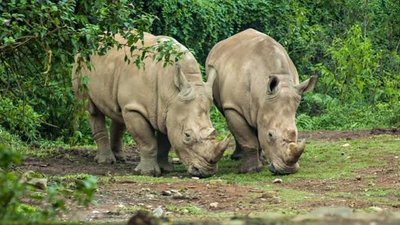
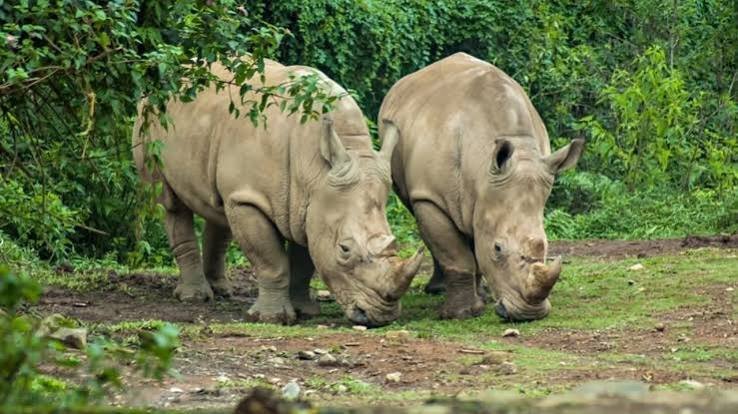
The Javan rhino (Rhinoceros sondaicus) is one of the rarest large mammals on Earth. With only around 100 individuals left in the entire world, every single rhino is irreplaceable. Currently, their sole remaining wild population lives in Ujung Kulon National Park, Banten—an ecosystem they have adapted to and survived in for generations.
Recently, the Ministry of Forestry announced plans to study and potentially establish a "second habitat" by relocating a portion of the Javan rhino population out of Ujung Kulon (with areas like Alas Purwo previously considered), citing risks of natural disasters such as tsunamis, earthquakes, and volcanic activity.
While the intention to mitigate disaster risks is understandable, physically capturing and translocating these critically endangered animals into a completely unfamiliar environment poses an extreme and potentially fatal risk to the species.
Why This Relocation Plan Threatens Their Survival:
Severe Adaptation & Stress Risks: Javan rhinos are notoriously shy, sensitive, and elusive animals. Capturing, tranquilizing, transporting, and releasing them into an unfamiliar territory can trigger fatal capture myopathy (extreme stress-induced organ failure), immune suppression, and disorientation.
Zero Margin for Error: With a global population hovering around 100 individuals, losing even a handful of rhinos during capture, transit, or failed adaptation could push the species past the point of genetic recovery.
Unproven Ecosystem Readiness: Moving rhinos away from their natural sanctuary exposes them to unknown diseases, unfamiliar vegetation, different water systems, and potentially higher risks of human-wildlife conflict or poaching in areas less strictly fortified than Ujung Kulon.
Weakening the Core Population: Splitting an already tiny population risks reducing genetic diversity and breeding success in Ujung Kulon, the only proven habitat where they successfully reproduce in the wild.
What We Demand:
Instead of gambling with the lives of the last ~100 Javan rhinos through high-risk relocation, we urge the Indonesian government and conservation stakeholders to:
Halt any plans for physical translocation of Javan rhinos out of Ujung Kulon National Park.
Maximize in-situ conservation and disaster mitigation within Ujung Kulon, including expanding and restoring existing habitat zones (such as the Javan Rhino Study and Conservation Area / JRSCA) to higher-elevation areas within the park that are safer from tsunamis.
Strengthen habitat protection and management, ensuring zero poaching, invasive species control (such as Arenga palm removal to increase natural food supply), and strict legal protection of Ujung Kulon's status as an inviolate conservation area.
Ensure full transparency and independent international peer review from global rhino specialists before any invasive conservation intervention is ever considered.
Do not let well-intentioned plans become the cause of a preventable tragedy. The Javan rhinos belong in Ujung Kulon—let us protect them where they thrive, rather than risking their lives in the unknown.
Sign this petition to urge the Ministry of Forestry to protect the last Javan rhinos in their true home!
246
Masalahnya
To: The Ministry of Forestry of the Republic of Indonesia (Kementerian Kehutanan RI), Conservation Authorities, and Global Wildlife Organizations
The Javan rhino (Rhinoceros sondaicus) is one of the rarest large mammals on Earth. With only around 100 individuals left in the entire world, every single rhino is irreplaceable. Currently, their sole remaining wild population lives in Ujung Kulon National Park, Banten—an ecosystem they have adapted to and survived in for generations.
Recently, the Ministry of Forestry announced plans to study and potentially establish a "second habitat" by relocating a portion of the Javan rhino population out of Ujung Kulon (with areas like Alas Purwo previously considered), citing risks of natural disasters such as tsunamis, earthquakes, and volcanic activity.
While the intention to mitigate disaster risks is understandable, physically capturing and translocating these critically endangered animals into a completely unfamiliar environment poses an extreme and potentially fatal risk to the species.
Why This Relocation Plan Threatens Their Survival:
Severe Adaptation & Stress Risks: Javan rhinos are notoriously shy, sensitive, and elusive animals. Capturing, tranquilizing, transporting, and releasing them into an unfamiliar territory can trigger fatal capture myopathy (extreme stress-induced organ failure), immune suppression, and disorientation.
Zero Margin for Error: With a global population hovering around 100 individuals, losing even a handful of rhinos during capture, transit, or failed adaptation could push the species past the point of genetic recovery.
Unproven Ecosystem Readiness: Moving rhinos away from their natural sanctuary exposes them to unknown diseases, unfamiliar vegetation, different water systems, and potentially higher risks of human-wildlife conflict or poaching in areas less strictly fortified than Ujung Kulon.
Weakening the Core Population: Splitting an already tiny population risks reducing genetic diversity and breeding success in Ujung Kulon, the only proven habitat where they successfully reproduce in the wild.
What We Demand:
Instead of gambling with the lives of the last ~100 Javan rhinos through high-risk relocation, we urge the Indonesian government and conservation stakeholders to:
Halt any plans for physical translocation of Javan rhinos out of Ujung Kulon National Park.
Maximize in-situ conservation and disaster mitigation within Ujung Kulon, including expanding and restoring existing habitat zones (such as the Javan Rhino Study and Conservation Area / JRSCA) to higher-elevation areas within the park that are safer from tsunamis.
Strengthen habitat protection and management, ensuring zero poaching, invasive species control (such as Arenga palm removal to increase natural food supply), and strict legal protection of Ujung Kulon's status as an inviolate conservation area.
Ensure full transparency and independent international peer review from global rhino specialists before any invasive conservation intervention is ever considered.
Do not let well-intentioned plans become the cause of a preventable tragedy. The Javan rhinos belong in Ujung Kulon—let us protect them where they thrive, rather than risking their lives in the unknown.
Sign this petition to urge the Ministry of Forestry to protect the last Javan rhinos in their true home!
Perkembangan Terakhir Petisi
Bagikan petisi ini
Petisi dibuat pada 16 November 2026