Urge Secretary Gates Not To Block Release Of Torture Photos
Urge Secretary Gates Not To Block Release Of Torture Photos
The Issue
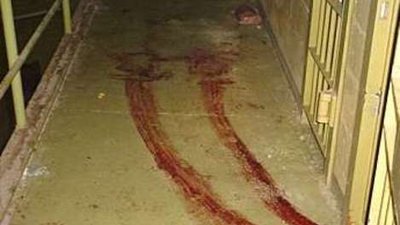
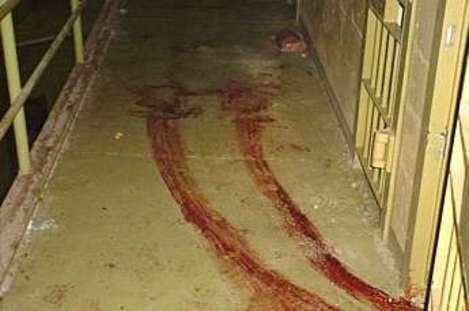
Last week, President Obama signed into law a Homeland Security appropriations bill that gives the Department of Defense (DOD) the authority to suppress evidence of its own misconduct.
The new law—which allows the DOD to exempt certain photos from the Freedom of Information Act (FOIA)—is aimed at photos ordered released by a federal appeals court as part of an ACLU FOIA lawsuit for photos and other records related to detainee abuse in U.S. custody overseas. Its ramifications will be sweeping and will extend far beyond the specific case the law is meant to quash.
Equally troubling, the legislation is meant to substitute Congress' judgment for that of the courts. It is extraordinary and disturbing for Congress to attempt to use legislation to control the outcome of individual cases in this manner.
The amendment is directed at a lawsuit filed by the ACLU to enforce a FOIA request submitted in 2003. After a court ordered the Bush administration to respond to the request, the Defense Department acknowledged the existence of the prisoner-abuse photos but sought to withhold them from the public on the grounds that their disclosure could provoke violence against U.S. troops and others in Afghanistan and Iraq.
A federal district court rejected that argument, and a unanimous three-judge panel affirmed that decision, reasoning that a generalized and speculative fear of violence was insufficient to justify the photos' suppression. The Obama administration, after first saying that it would release the photos, changed course and appealed to the Supreme Court.
While the fear that the country's enemies will use the photos as propaganda is not baseless, it is a mistake to give violent extremists a veto over the FOIA. The argument that the government has made in court—and that is embodied in this legislation—would give the greatest protection from disclosure to records that relate to the worst governmental misconduct, because it is those records that are most likely to be inflammatory. Suppressing such records might deprive the country's enemies of propaganda, but it would also deprive the American public of information that is crucial to the democratic process.
After the Senate passed a Homeland Security appropriations bill with the amendment, the ACLU sent a letter to Secretary Robert Gates urging him not to exercise the authority to suppress the photos.
We hope that Secretary Gates will be guided by the importance of transparency to the democratic process, the extraordinary importance of these photos to the ongoing debate about the treatment of prisoners, and the likelihood that the suppression of these photos would ultimately be far more damaging to national security than their disclosure.
You can help amplify our call for transparency and accountability by contacting Secretary Gates directly.
>>Take action now! Tell Secretary of Defense Robert Gates not to stand in the way of full accountability for prisoner abuse that was approved at the highest levels of the Bush administration.
Source: American Civil Liberties Union

The Issue
Last week, President Obama signed into law a Homeland Security appropriations bill that gives the Department of Defense (DOD) the authority to suppress evidence of its own misconduct.
The new law—which allows the DOD to exempt certain photos from the Freedom of Information Act (FOIA)—is aimed at photos ordered released by a federal appeals court as part of an ACLU FOIA lawsuit for photos and other records related to detainee abuse in U.S. custody overseas. Its ramifications will be sweeping and will extend far beyond the specific case the law is meant to quash.
Equally troubling, the legislation is meant to substitute Congress' judgment for that of the courts. It is extraordinary and disturbing for Congress to attempt to use legislation to control the outcome of individual cases in this manner.
The amendment is directed at a lawsuit filed by the ACLU to enforce a FOIA request submitted in 2003. After a court ordered the Bush administration to respond to the request, the Defense Department acknowledged the existence of the prisoner-abuse photos but sought to withhold them from the public on the grounds that their disclosure could provoke violence against U.S. troops and others in Afghanistan and Iraq.
A federal district court rejected that argument, and a unanimous three-judge panel affirmed that decision, reasoning that a generalized and speculative fear of violence was insufficient to justify the photos' suppression. The Obama administration, after first saying that it would release the photos, changed course and appealed to the Supreme Court.
While the fear that the country's enemies will use the photos as propaganda is not baseless, it is a mistake to give violent extremists a veto over the FOIA. The argument that the government has made in court—and that is embodied in this legislation—would give the greatest protection from disclosure to records that relate to the worst governmental misconduct, because it is those records that are most likely to be inflammatory. Suppressing such records might deprive the country's enemies of propaganda, but it would also deprive the American public of information that is crucial to the democratic process.
After the Senate passed a Homeland Security appropriations bill with the amendment, the ACLU sent a letter to Secretary Robert Gates urging him not to exercise the authority to suppress the photos.
We hope that Secretary Gates will be guided by the importance of transparency to the democratic process, the extraordinary importance of these photos to the ongoing debate about the treatment of prisoners, and the likelihood that the suppression of these photos would ultimately be far more damaging to national security than their disclosure.
You can help amplify our call for transparency and accountability by contacting Secretary Gates directly.
>>Take action now! Tell Secretary of Defense Robert Gates not to stand in the way of full accountability for prisoner abuse that was approved at the highest levels of the Bush administration.
Source: American Civil Liberties Union
Petition Closed
Share this petition
The Decision Makers

Petition Updates
Share this petition
Petition created on November 1, 2009