
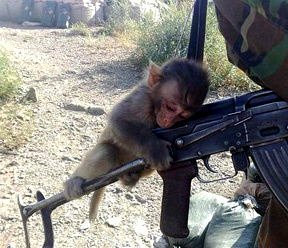
Stop Mass Cull of Himachal Monkeys
Stop Mass Cull of Himachal Monkeys
The Issue
UPDATE:
Success ! The Himachal Pradesh government and the KBSS have stopped the cull !
http://himachal.us/2010/12/20/kheti-bacho-sangarsh-samithi-calls-for-halt-to-monkey-cull-in-himachal/25102/activism/ravinder
http://www.himvani.com/news/2010/12/20/hkbss-agree-to-ask-farmer-to-silence-their-guns-seeks-rs-2000-cr-to-compensate-monkey-menace/9433
http://www.indianexpress.com/news/PFA-hails-HP-decision-to-stop-culling/727858/
In total, about 100 simians were killed, although hundreds of licenses were issued to the farmers.
The Himachal Pradesh government has backed a farmer outfit's plan to shoot monkeys and other animals on sight in order to prevent damage to crops. Kheti Bachao Sangarsh Samiti (KBSS) encouraged the farmers to apply to conservators of forests and divisional forest officers for permits allowing the mass shooting of monkeys, but also wild boars and blue bulls. Their goal was to secure 10,000 permits by December 9. "Operation Monkey" started on Dec. 10 and will end on Dec. 23, so there is still time to prevent more shootings.
http://www.dnaindia.com/india/report_farmers-are-shooting-monkeys_1480033
Please ask the government to intervene and stop this cull !
Further action needed:
The NGOs contacted Minister Ramesh, asking for an intervention.
http://sify.com/news/ngos-ask-jairam-to-stop-animal-killings-in-himachal-news-national-kmntuljegci.html
Contact Minister Ramesh (online contact form):
http://moef.nic.in/modules/contact-ministry/contact-ministry/
The International Organisation for Animal Protection in India contacted state's Chief Justice Kurian Joseph.
http://www.sify.com/news/stop-monkey-killing-in-himachal-urges-animal-rights-group-news-national-kmosErfjcdc.html
Contact Chief Justice Kurian Joseph through The Registrar General
E-mail: hicourt-hp@nic.in
(Direct your message to Hon'ble Mr. Justice Kurian Joseph)

Confirmed victory
The Issue
UPDATE:
Success ! The Himachal Pradesh government and the KBSS have stopped the cull !
http://himachal.us/2010/12/20/kheti-bacho-sangarsh-samithi-calls-for-halt-to-monkey-cull-in-himachal/25102/activism/ravinder
http://www.himvani.com/news/2010/12/20/hkbss-agree-to-ask-farmer-to-silence-their-guns-seeks-rs-2000-cr-to-compensate-monkey-menace/9433
http://www.indianexpress.com/news/PFA-hails-HP-decision-to-stop-culling/727858/
In total, about 100 simians were killed, although hundreds of licenses were issued to the farmers.
The Himachal Pradesh government has backed a farmer outfit's plan to shoot monkeys and other animals on sight in order to prevent damage to crops. Kheti Bachao Sangarsh Samiti (KBSS) encouraged the farmers to apply to conservators of forests and divisional forest officers for permits allowing the mass shooting of monkeys, but also wild boars and blue bulls. Their goal was to secure 10,000 permits by December 9. "Operation Monkey" started on Dec. 10 and will end on Dec. 23, so there is still time to prevent more shootings.
http://www.dnaindia.com/india/report_farmers-are-shooting-monkeys_1480033
Please ask the government to intervene and stop this cull !
Further action needed:
The NGOs contacted Minister Ramesh, asking for an intervention.
http://sify.com/news/ngos-ask-jairam-to-stop-animal-killings-in-himachal-news-national-kmntuljegci.html
Contact Minister Ramesh (online contact form):
http://moef.nic.in/modules/contact-ministry/contact-ministry/
The International Organisation for Animal Protection in India contacted state's Chief Justice Kurian Joseph.
http://www.sify.com/news/stop-monkey-killing-in-himachal-urges-animal-rights-group-news-national-kmosErfjcdc.html
Contact Chief Justice Kurian Joseph through The Registrar General
E-mail: hicourt-hp@nic.in
(Direct your message to Hon'ble Mr. Justice Kurian Joseph)
Confirmed victory
Share this petition
The Decision Makers

Petition Updates
Share this petition
Petition created on December 2, 2010