GMO Foods Can Save Your Life
GMO Foods Can Save Your Life
The Issue
Influenza rates skyrocket every year in the cold, winter months. People of all ages get diagnosed with sore throats, coughs, runny noses, fevers, etc. These rates rise in the winter due to the restricted and enclosed area spreading germs quicker and the limitation of fresh foods. In Connecticut alone, there have been over 34,237 reported cases since June 2023. This includes 10% of the cases but what about the unreported ones? What if there was a way to reduce these rates?
My community, like many others across the United States, has been experiencing a decline in food production due to harsh weather conditions. This issue is personal to me and many others who rely on local agriculture for our sustenance and livelihoods.
Genetically Modified Organisms (GMOs) offer a solution to this problem. They are designed to be more resistant to adverse weather conditions, pests, and diseases that can devastate crops. GMO crops have been planted in 29 countries by over 17 million farmers due to their benefits.
GMO foods can be beneficial to society. Not only do they have a better taste, but they use less pesticides which will save money. They also require fewer environmental resources such as water. This also means they aren’t prone to disease or droughts. GMO plants can have a longer shelf life. With GMOs, there can be an increased supply of food, and can be time-friendly. GMO foods are healthier because they can be linked to fewer disease-causing substances.
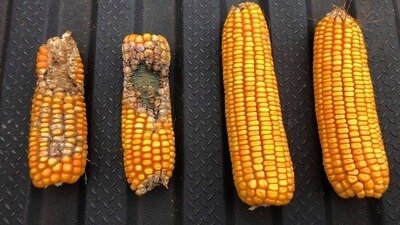
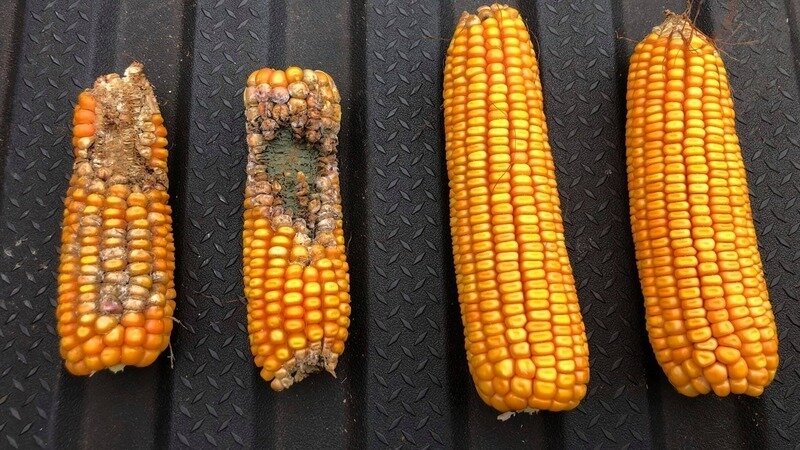
The biggest GE crop grown in the United States is corn. Have you ever thought about where your corn syrup starch came from? How much corn is used to make corn starch? Ten ears of corn is used to make 16 ounces of cornstarch. For a year, this is less than 1% of the corn produced while still using 27,888,000,000 corn ears every year. A 2016 Purdue University Study found that without GMO crops, corn yields would decline by 11 percent, soybeans would decline by 5 percent and cotton would decline by 19 percent. Thus, these reductions would mean we would either have less available corn. Due to the difficult weather, corn production isn’t as high as it normally would be. This causes a reduced amount of corn products. However, if GMO corn stalks were introduced, corn would be produced faster, it wouldn’t be affected by the harsh weather conditions, and the corn would be healthier. The corn would appear more yellow and sweeter.
GMO crops have significantly increased crop yields and simultaneously decreased pesticide use. By doing these two things combined, we are producing more food with fewer inputs. Decreased use of pesticides, means less pesticide production demand and also less energy use on the farmers’ end, too.
Another example of GMO innovation contributing to enhanced nutrition is the GMO Cavendish bananas. In parts of Africa, Asia, and Australia bananas are a major source of nutrition, but due to the Fusarium wilt disease (or Panama disease), bananas in these parts of the world were beginning to get wiped out. Genetic modification was used to make the bananas resistant to this disease, making this nutritious crop readily available again.
Overall, Genetically Modified Plants and Organisms offer a variety of advantages that would create benefits for the environment and humans. Incorporating and planting more GMO’s in the United States will create a healthier and happier United States.

The Issue
Influenza rates skyrocket every year in the cold, winter months. People of all ages get diagnosed with sore throats, coughs, runny noses, fevers, etc. These rates rise in the winter due to the restricted and enclosed area spreading germs quicker and the limitation of fresh foods. In Connecticut alone, there have been over 34,237 reported cases since June 2023. This includes 10% of the cases but what about the unreported ones? What if there was a way to reduce these rates?
My community, like many others across the United States, has been experiencing a decline in food production due to harsh weather conditions. This issue is personal to me and many others who rely on local agriculture for our sustenance and livelihoods.
Genetically Modified Organisms (GMOs) offer a solution to this problem. They are designed to be more resistant to adverse weather conditions, pests, and diseases that can devastate crops. GMO crops have been planted in 29 countries by over 17 million farmers due to their benefits.
GMO foods can be beneficial to society. Not only do they have a better taste, but they use less pesticides which will save money. They also require fewer environmental resources such as water. This also means they aren’t prone to disease or droughts. GMO plants can have a longer shelf life. With GMOs, there can be an increased supply of food, and can be time-friendly. GMO foods are healthier because they can be linked to fewer disease-causing substances.
The biggest GE crop grown in the United States is corn. Have you ever thought about where your corn syrup starch came from? How much corn is used to make corn starch? Ten ears of corn is used to make 16 ounces of cornstarch. For a year, this is less than 1% of the corn produced while still using 27,888,000,000 corn ears every year. A 2016 Purdue University Study found that without GMO crops, corn yields would decline by 11 percent, soybeans would decline by 5 percent and cotton would decline by 19 percent. Thus, these reductions would mean we would either have less available corn. Due to the difficult weather, corn production isn’t as high as it normally would be. This causes a reduced amount of corn products. However, if GMO corn stalks were introduced, corn would be produced faster, it wouldn’t be affected by the harsh weather conditions, and the corn would be healthier. The corn would appear more yellow and sweeter.
GMO crops have significantly increased crop yields and simultaneously decreased pesticide use. By doing these two things combined, we are producing more food with fewer inputs. Decreased use of pesticides, means less pesticide production demand and also less energy use on the farmers’ end, too.
Another example of GMO innovation contributing to enhanced nutrition is the GMO Cavendish bananas. In parts of Africa, Asia, and Australia bananas are a major source of nutrition, but due to the Fusarium wilt disease (or Panama disease), bananas in these parts of the world were beginning to get wiped out. Genetic modification was used to make the bananas resistant to this disease, making this nutritious crop readily available again.
Overall, Genetically Modified Plants and Organisms offer a variety of advantages that would create benefits for the environment and humans. Incorporating and planting more GMO’s in the United States will create a healthier and happier United States.
Petition Closed
Share this petition
The Decision Makers
Petition Updates
Share this petition
Petition created on November 1, 2023